
Used Refrigerated Trucks For Sale in Missouri
Used refrigerated trucks for sale in Missouri: compare cooling capacity, usable payload, body condition, and diesel emissions systems before buying.
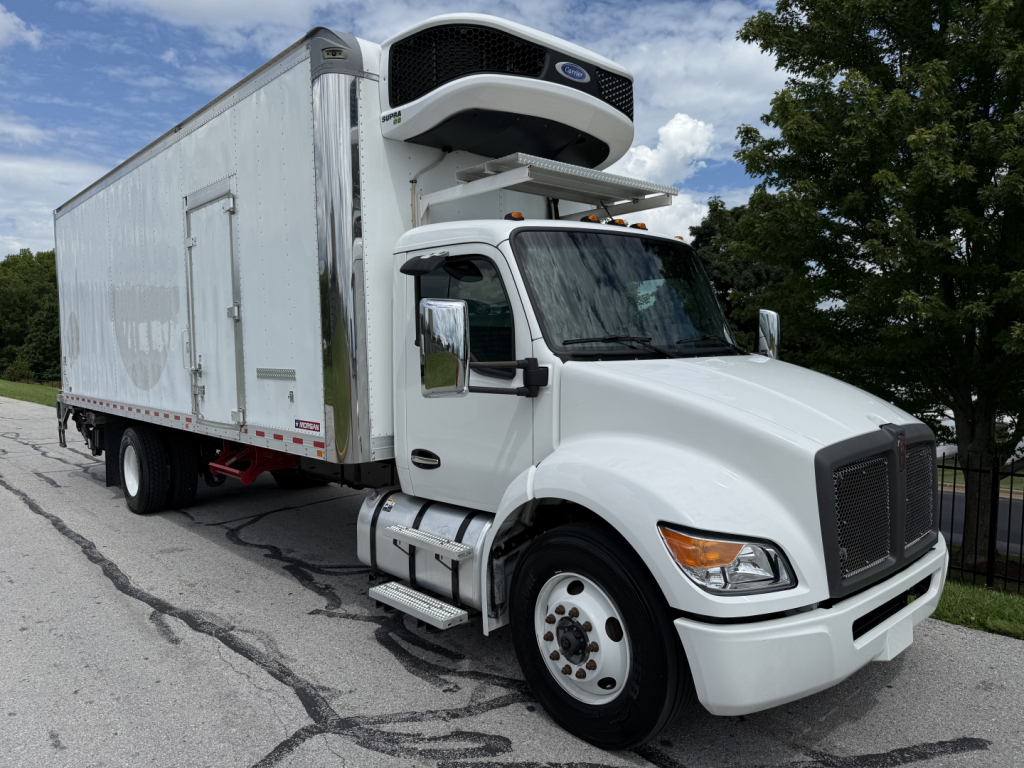
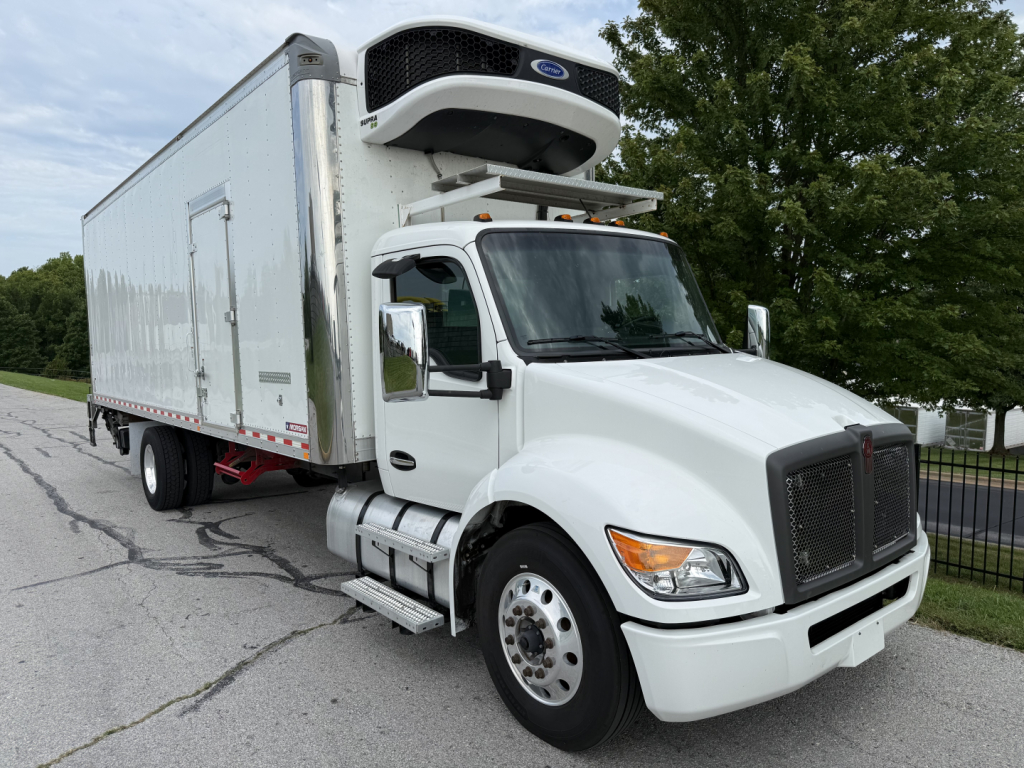
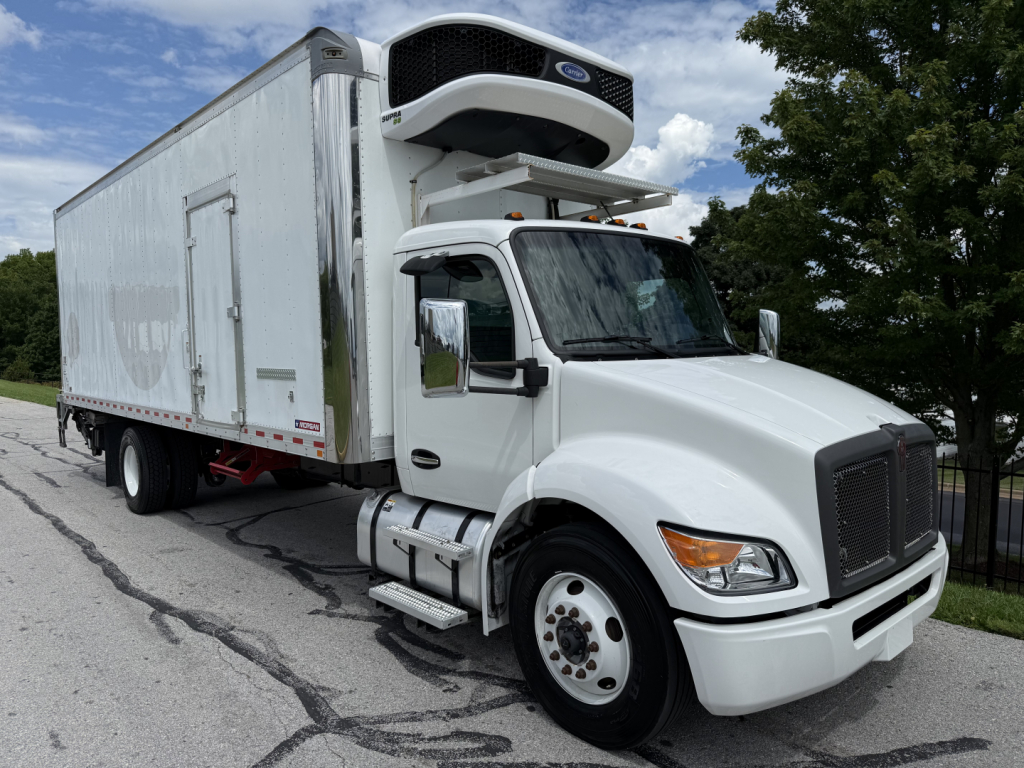
Selling a used refrigerated truck? List your used refrigerated truck for sale and reach thousands of commercial buyers.
Used Refrigerated Trucks in Missouri
Usable payload comes after chassis, insulated body, refrigeration equipment, fuel, and liftgate weight. Confirm GVWR and individual axle ratings, then obtain an empty scale weight in working configuration rather than estimating capacity from box length. Shorter bodies can fit tight restaurant stops; longer bodies improve pallet capacity but need adequate wheelbase and loading balance. Measure the clear door opening and interior dimensions because insulation reduces usable space. A liftgate must handle the pallet, product, and pallet jack together, and rear-mounted equipment can consume rear-axle capacity before the truck reaches its GVWR.
Conventional chassis from Freightliner, International, Kenworth, and Peterbilt suit many regional routes, while cabover designs from manufacturers such as Isuzu offer different visibility and maneuverability characteristics for urban deliveries. Compare turning clearance, cab access, transmission operation, and service support instead of buying by badge. I-70 freight between Kansas City and St. Louis rewards suitable highway gearing; I-44 routes and deliveries through the Ozarks also make braking performance and grade capability important.
Road salt and winter moisture make underbody inspection essential on Missouri's used refrigerator trucks. Examine frame rails, crossmembers, body mounts, liftgate pivots, brake lines, and electrical connections for corrosion. Inside the body, inspect floor joints, drains, scuff liners, door seals, and the evaporator area for damage or water intrusion. Wet insulation adds weight and reduces thermal performance; patched panels deserve closer examination. Run the refrigeration system through its operating modes and inspect belts, hoses, condenser cleanliness, service records, and evidence of refrigerant leaks.
Model year matters most when it identifies the engine's emissions equipment and maintenance exposure. US-spec diesel engines from the 2007 emissions era commonly use DPFs, while 2010-era and later designs commonly add SCR and DEF. Confirm equipment by engine label rather than truck year alone. Review ECM mileage, idle hours, fault history, and regeneration records where supported, then check cooling-system condition, transmission behavior, suspension wear, and brakes. A clean cab and low odometer reading do not establish the condition of either the chassis or refrigeration system.
Frequently Asked Questions about Used Refrigerated Trucks in Missouri
Do I need a CDL to drive a refrigerated truck in Missouri?
A single refrigerated truck with a GVWR or actual gross weight of 26,001 pounds or more generally requires a Class B CDL in Missouri. Towing a trailer over 10,000 pounds can move a qualifying combination into Class A requirements. For an air-braked reefer truck, make sure the driver's CDL has no restriction prohibiting operation of that brake system.
Can one refrigerated truck carry frozen and chilled food at the same time?
A refrigerated truck can carry frozen and chilled products together when its body and refrigeration system are designed for separate temperature zones. Look for insulated partitions, suitable evaporator arrangements, independent controls, and adequate capacity in each compartment. A movable bulkhead alone does not create reliable multi-temperature operation, and loading must preserve the airflow required by each zone.
Is electric standby worth having on a used reefer truck?
Electric standby is useful when a refrigerated truck spends substantial time parked at a powered loading dock because it can reduce refrigeration-engine run time. Confirm that the refrigeration unit actually has the standby option and that the facility supplies the correct voltage, phase, and amperage. Test operation on shore power before relying on standby for overnight temperature control.
Are reefer hours more important than mileage on a used refrigerated truck?
Refrigeration-unit operating hours are more useful than truck mileage for judging reefer wear. A refrigeration engine can run while the chassis is parked, so a low-mileage truck may still have substantial refrigeration use. Read diesel-engine hours and electric-standby hours separately where the controller records both, then compare those readings with dated service records and completed component repairs.