
Used 2016 Refrigerated Trucks For Sale
Browse used 2016 refrigerated trucks with reefer bodies, liftgates, and medium-duty diesel specs for cold-chain delivery routes.
Selling a used 2016 refrigerated truck? List your used 2016 refrigerated truck for sale and reach thousands of commercial buyers.
Used 2016 Refrigerated Trucks
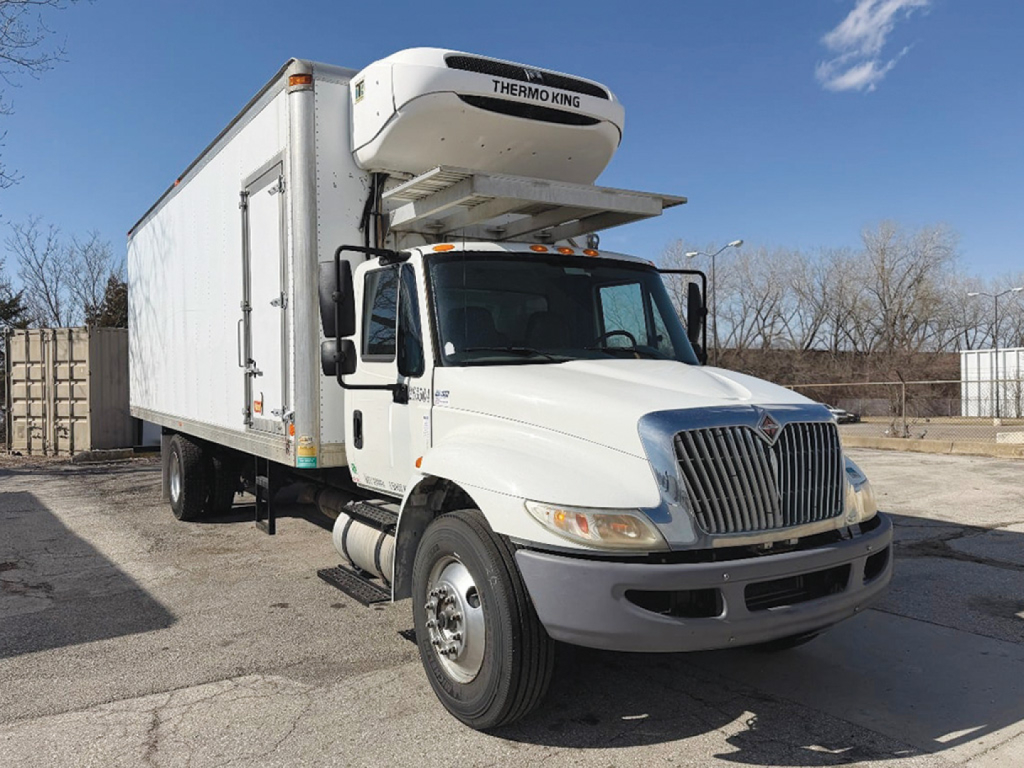
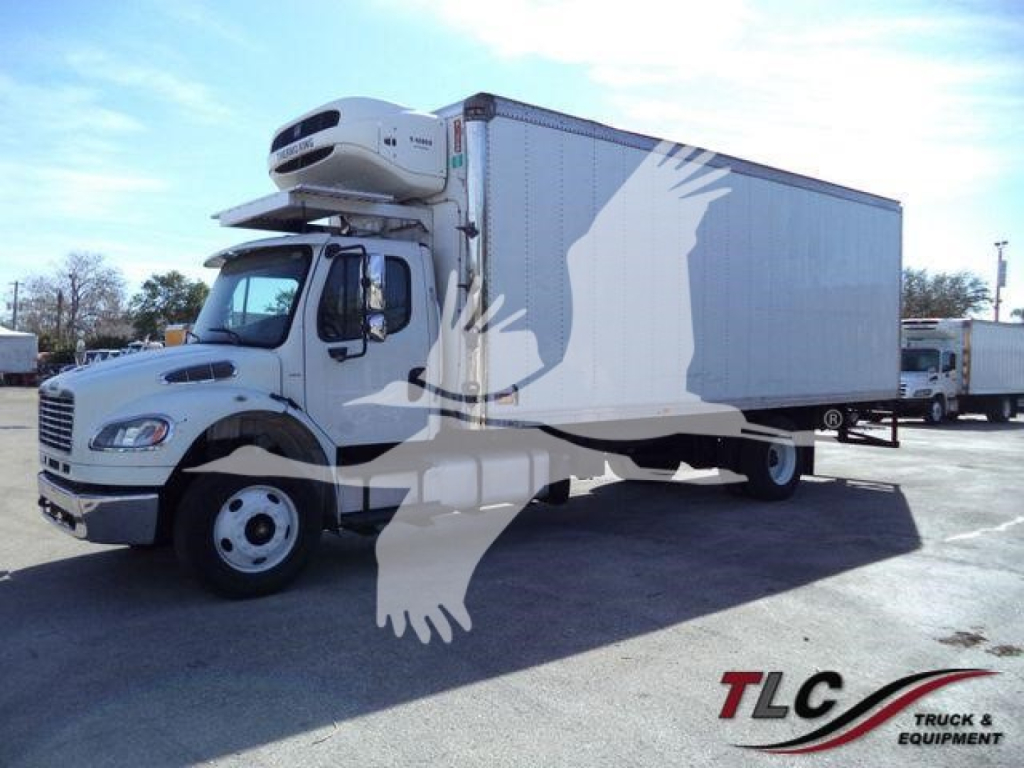
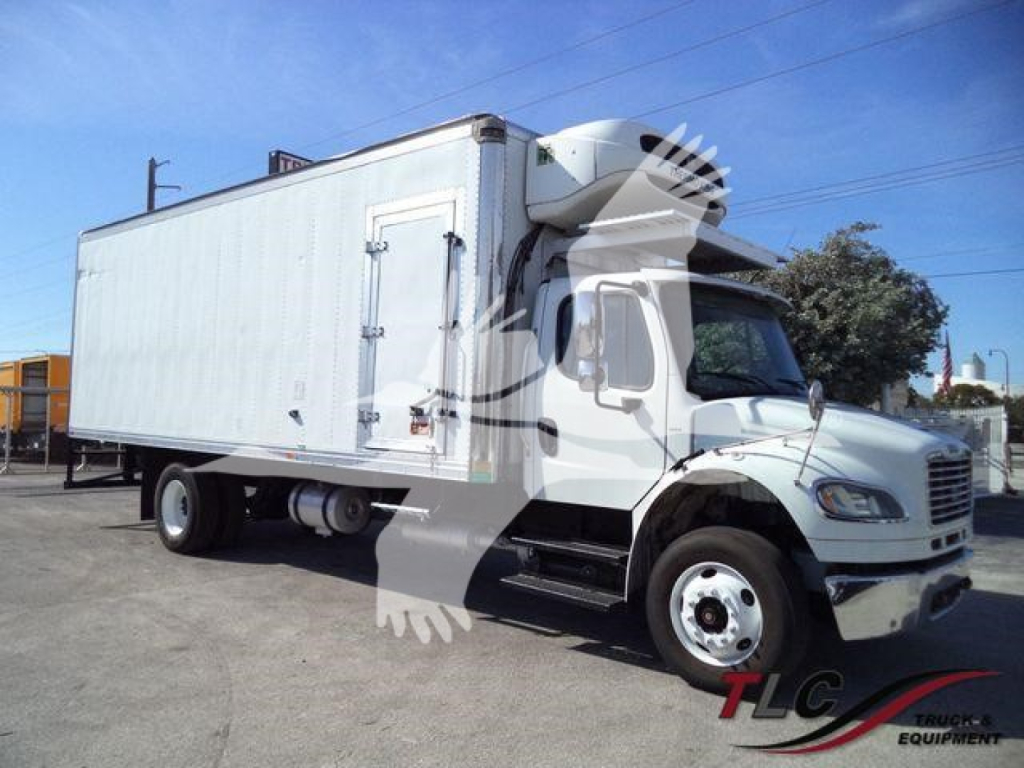
The reefer body and refrigeration unit deserve as much attention as the chassis. Many 2016 refrigerated trucks use front-mounted units from Carrier or Thermo King, with popular specs including multi-temperature capability, standby options, and interior features such as Kemlite lining, scuff plates, E-track, and flat aluminum floors. Buyers should check insulation condition, door seals, evaporator performance, floor wear, and evidence of moisture intrusion. Rear access can vary between roll-up doors and swing doors, and many trucks in this class include a curbside door for route delivery. Liftgates are common and can be a major value point for dock-independent operations.
Chassis spec matters because reefer service is demanding in stop-and-go duty cycles. A 2016 truck in this category often has a GVWR around 25,950 to 26,000 pounds, which can be important for buyers trying to stay under CDL thresholds depending on local regulations and final body rating. Air brakes, single axle configurations, air ride or spring suspension, and 22.5-inch wheels are typical. Wheelbase, axle ratio, and body length all affect turning radius, dock access, and payload balance. Refrigerated trucks also spend a lot of time idling or running PTO-independent cooling systems, so engine hours, reefer hours, and maintenance records should be reviewed together rather than mileage alone.
The best 2016 refrigerated truck for sale depends on route density, temperature requirements, and loading method. Urban delivery fleets may prioritize automatic transmission, tight wheelbase, and a tuck-under liftgate. Regional operators may focus more on fuel capacity, reefer pull-down performance, and body durability. A well-matched used refrigerated truck should have a chassis rated for the body and cargo, a refrigeration unit sized for the box, and an interior layout that supports the freight being hauled. For buyers comparing multiple listings, the real difference is often not just make or engine, but reefer spec, insulation quality, door configuration, and service history.
Frequently Asked Questions about Used 2016 Refrigerated Trucks
What should I inspect first on a used 2016 refrigerated truck?
Start with the refrigeration system, body integrity, and maintenance history. Confirm that the reefer unit reaches and holds set temperature, then inspect the box for insulation damage, worn door seals, floor soft spots, wall delamination, and signs of water intrusion. After that, review engine hours, reefer hours, service records, and liftgate operation. On a refrigerated truck, the cooling system and insulated body condition often affect value more than odometer mileage alone.
Are most 2016 refrigerated trucks CDL or non-CDL?
Many 2016 refrigerated straight trucks are built close to the 26,000-pound GVWR mark, and some are specifically rated at 25,950 pounds to stay under the federal CDL threshold. That said, CDL requirements depend on the truck's actual GVWR, combination use, air brake restrictions, and state rules. Buyers should verify the door tag, registration class, and completed body rating instead of assuming every 26-foot reefer truck is non-CDL.
Which reefer units are common on 2016 refrigerated trucks?
Carrier and Thermo King units are the most common in this class, with front-mounted systems frequently seen on medium-duty refrigerated box trucks. The right unit depends on box size, product temperature range, delivery frequency, and whether the truck needs fresh, frozen, or multi-temp capability. Buyers should compare reefer hours, recent service, compressor condition, and parts support in their operating area.
What body features matter most on a refrigerated box truck?
Body construction directly affects temperature retention, sanitation, and loading efficiency. Important features include insulated wall and roof condition, Kemlite or fiberglass interior liners, scuff liners, flat or ducted flooring, E-track placement, rear door style, side access doors, and liftgate capacity. For multi-stop distribution, a clean interior, tight seals, and fast door operation can make a meaningful difference in product protection and route efficiency.
Is mileage or reefer hours more important on a used refrigerated truck?
Both matter, but reefer hours are critical because the refrigeration unit does its own share of hard work independent of the chassis. A truck with moderate mileage can still have a heavily used reefer unit if it ran frequent delivery routes or long standby cycles. Smart buyers compare chassis mileage, engine hours, reefer hours, and documented maintenance together to understand total wear across the full truck and body package.