
Used 2025 Peterbilt Trucks For Sale
Shop used 2025 Peterbilt trucks for sale, including on-highway, vocational, and medium-duty models with premium specs and strong resale appeal.
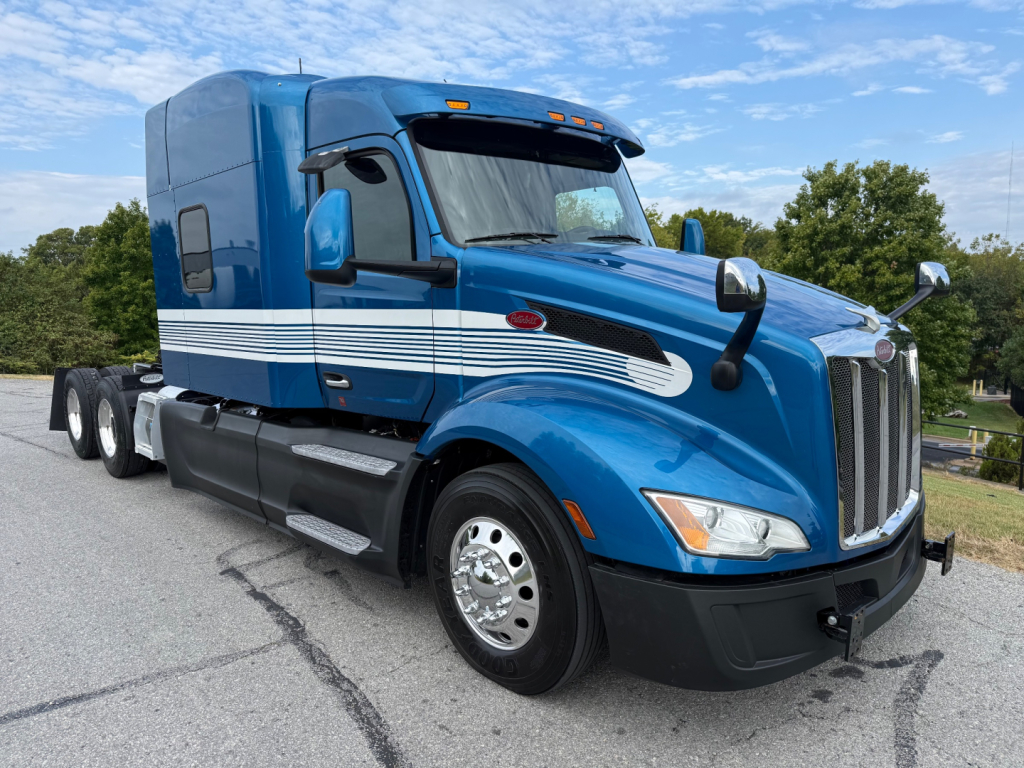
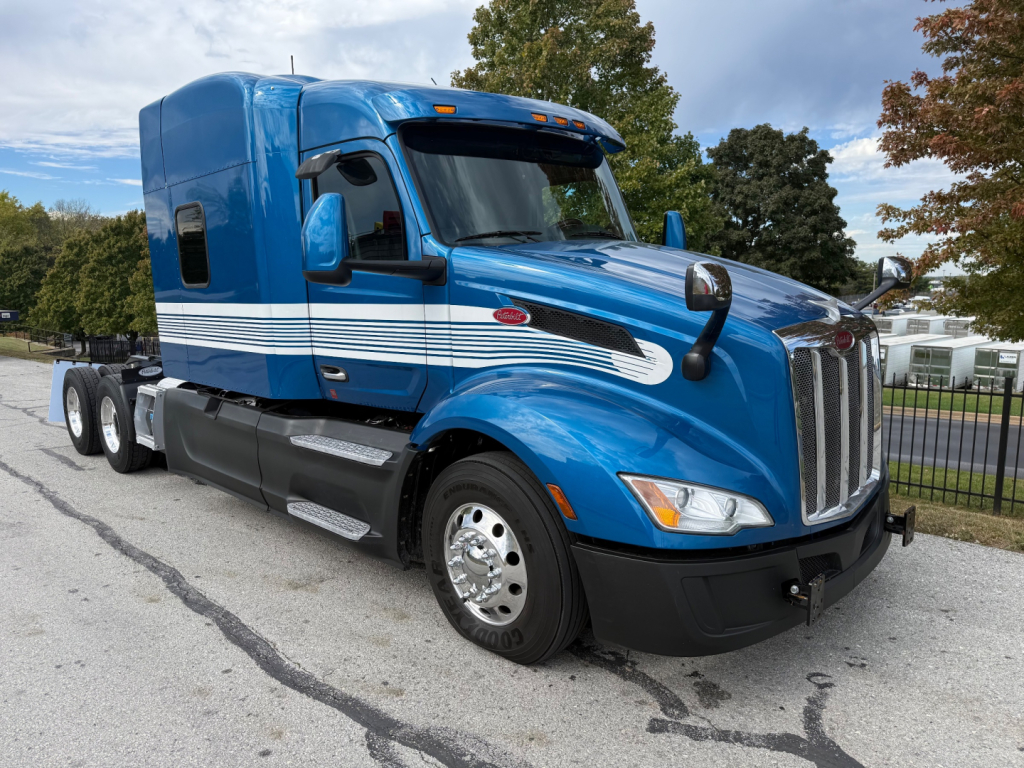
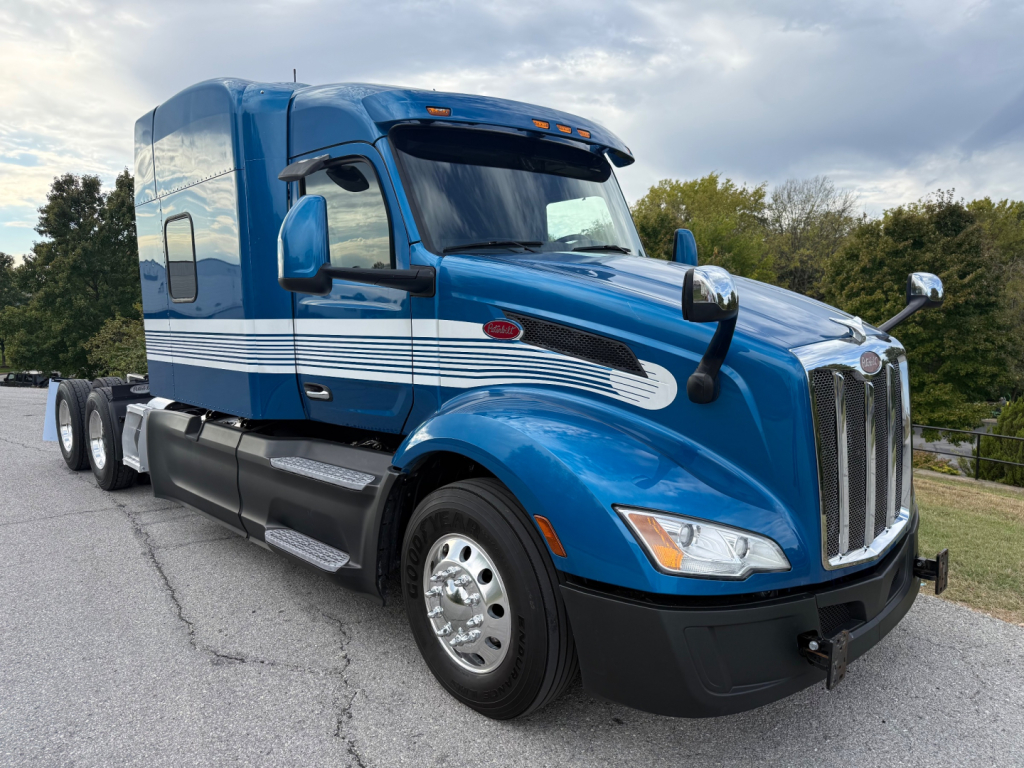
Selling a used 2025 peterbilt truck? List your used 2025 peterbilt truck for sale and reach thousands of commercial buyers.
Used 2025 Peterbilt Trucks
For highway use, most buyers focus on powertrain and operating cost. Used 2025 Peterbilt trucks in the Class 8 segment are commonly spec’d with PACCAR MX-series or Cummins X15 engines, paired with automated manual transmissions that support fuel economy and easier driver onboarding. Key items to compare are horsepower, torque rating, rear axle ratio, and whether the truck was built for long-haul efficiency or heavier regional work. A fuel-mileage spec may include downsped gearing, aerodynamic fairings, adaptive cruise, collision mitigation, and idle-reduction features. Day cab buyers should also watch kingpin setting compatibility, fifth wheel travel, and steer axle capacity, especially if the truck will see mixed trailer lengths, tanker work, or local bulk applications.
Vocational and medium-duty Peterbilts should be evaluated differently. On a used 2025 chassis, body integration, PTO setup, front axle rating, and frame reinforcement often matter more than cab trim. Buyers looking at rollback, tow, dump, mechanics, box, or hooklift applications should verify body manufacturer upfit quality, hydraulic routing, electrical interface, and any factory or aftermarket controls in the cab. Suspension choice is another major point. Air ride can improve driver comfort and cargo protection, while heavier vocational suspensions may be better suited to rough jobsite conditions. If the truck has lift axles, wet kits, or specialty towing gear, confirm the ratings match the intended loads rather than assuming the appearance tells the full story.
Condition still separates one late-model Peterbilt from another. A used 2025 truck may look clean across the board, but buyers should compare engine hours against miles, review maintenance records, check telematics history when available, and inspect emissions system service closely. Interior wear can tell you a lot about actual duty cycle, and uneven tire wear can point to alignment, suspension, or axle loading issues. Peterbilt remains a preferred brand because of driver acceptance, dealer support, and premium cab finish, but the smartest purchase is the one whose spec matches the work. A well-matched used 2025 Peterbilt can deliver lower acquisition cost than new, current-generation comfort and safety features, and strong value when it is time to rotate the truck back out of service.
Frequently Asked Questions about Used 2025 Peterbilt Trucks
What are the most common used 2025 Peterbilt truck models buyers look for?
The most commonly searched used 2025 Peterbilt trucks usually include the 579 for highway freight, the 567 for vocational and severe-service work, and medium-duty models such as the 548, 537, and 536 for municipal, delivery, utility, and body-builder applications. The right model depends less on popularity and more on the truck’s original vocation, axle configuration, frame spec, and powertrain. Buyers should match the model family to the actual job instead of assuming all Peterbilt trucks in the same year serve the same purpose.
Is a used 2025 Peterbilt truck a good value compared with buying new?
A used 2025 Peterbilt can be a strong value if the truck has the right specification and documented maintenance history. Buyers often gain access to late-model emissions systems, updated interiors, driver-assist technology, and current body styling at a lower acquisition cost than a new order. The tradeoff is that the exact axle ratio, wheelbase, suspension, and options are already set, so the truck needs to fit the operation as-is or with minimal modification.
What should I check first on a used 2025 Peterbilt 579 or other highway tractor?
Start with the engine and transmission ratings, rear axle ratio, wheelbase, and fifth wheel setup because those items determine fuel economy, trailer compatibility, and road speed. After that, review maintenance records, emissions-related repairs, tire wear pattern, brake condition, and any signs of collision or frame repair. On late-model highway tractors, driver-assist systems, camera packages, and dash fault history are also worth checking because electronic issues can be expensive even when the truck is mechanically sound.
What matters most when buying a used 2025 Peterbilt vocational or medium-duty truck?
For vocational and medium-duty Peterbilts, application-specific spec is the main concern. Buyers should confirm GVWR or GCWR, front and rear axle ratings, PTO capability, frame dimensions, suspension type, and how well the truck was upfitted for its body or equipment. A rollback, dump, service truck, or hooklift may share the same cab, but body controls, hydraulic systems, wiring quality, and actual payload or towing ratings are what determine whether the truck will perform reliably in daily service.
Do used 2025 Peterbilt trucks hold their resale value well?
Peterbilt trucks generally hold value well because of brand reputation, driver appeal, strong dealer presence, and broad demand across highway and vocational markets. Resale strength is usually best on clean, well-documented trucks with popular engine and axle specs, standard wheelbases, and no unusual application limitations. Condition, mileage, emissions history, and the quality of any body installation or vocational equipment will still have a major effect on market value.