
Used 2025 Peterbilt Conventional Sleeper Trucks For Sale
Shop used 2025 Peterbilt conventional sleeper trucks with specs, sleeper options, powertrain details, and long-haul buying insights.
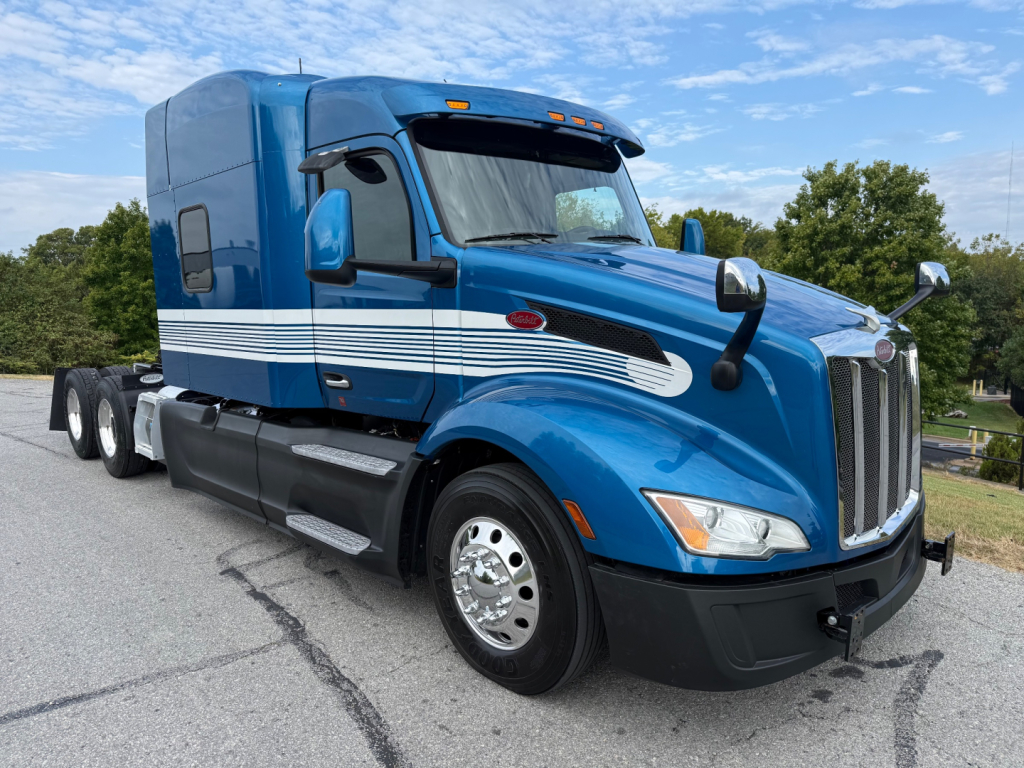
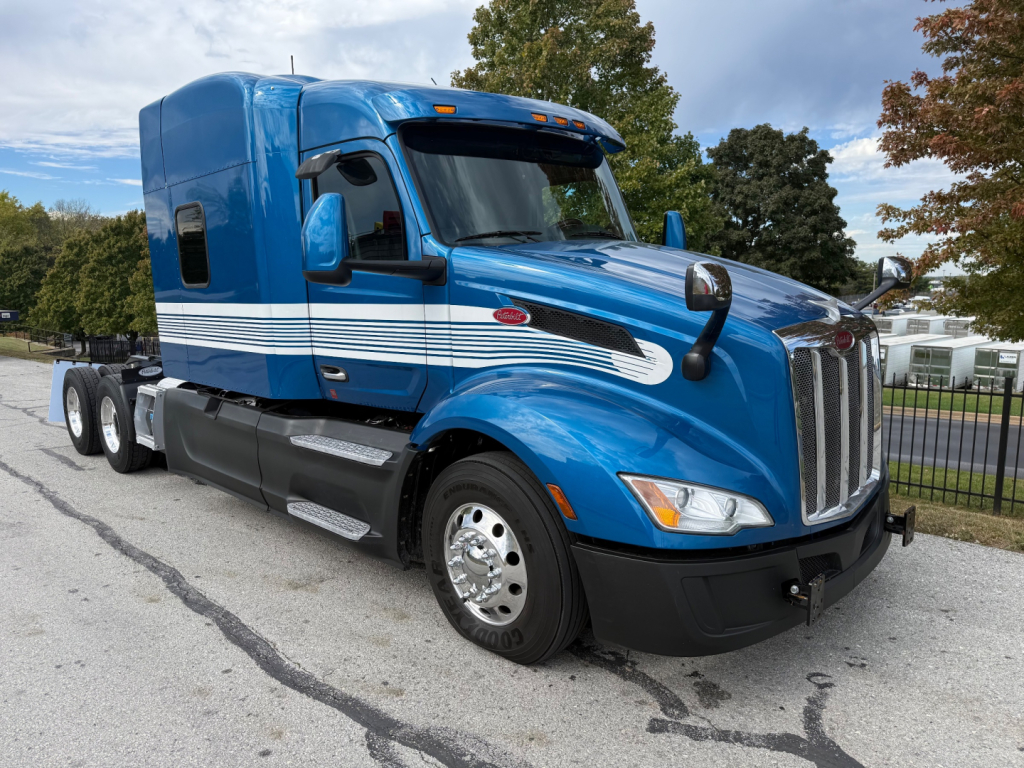
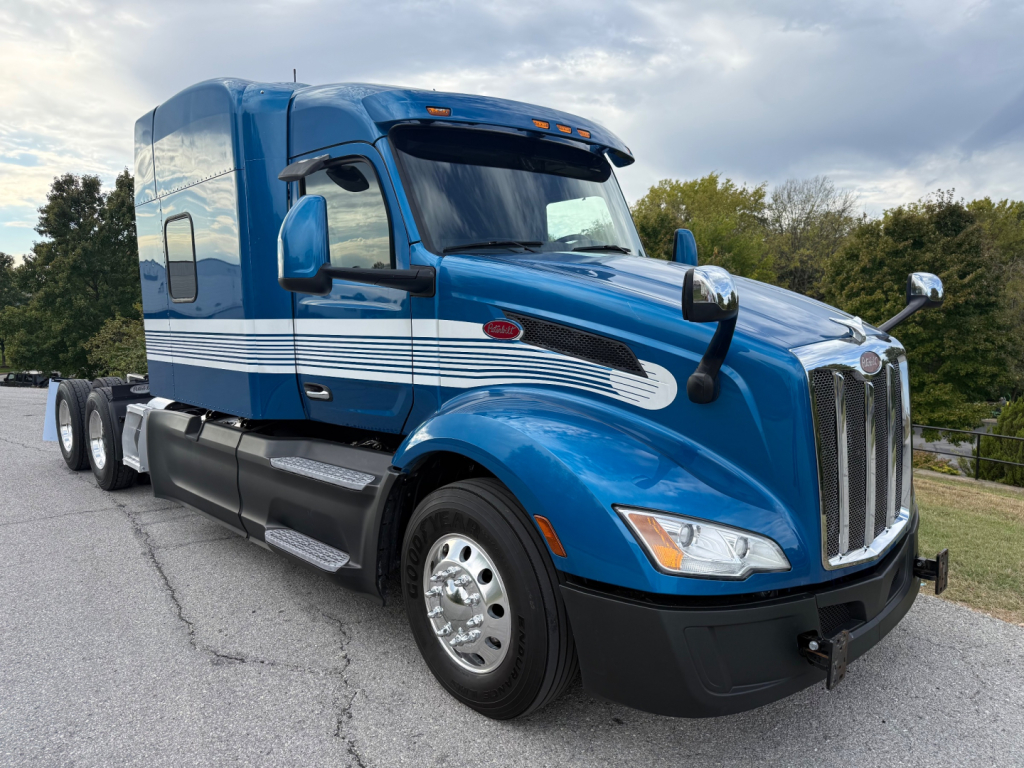
Selling a used 2025 peterbilt conventional sleeper truck? List your used 2025 peterbilt conventional sleeper truck for sale and reach thousands of commercial buyers.
Used 2025 Peterbilt Conventional Sleeper Trucks
The biggest buying decision is application. A fuel-conscious over-the-road operation will usually look for a 6x4 sleeper with an aerodynamic package, automated manual transmission, and a rear axle ratio matched to cruise speed and tire size. Common specs in this class include 72-inch to 80-inch sleepers, wheelbases tailored to fifth wheel travel and trailer gap, and power from PACCAR MX or Cummins platforms depending on the original order. Buyers comparing used 2025 Peterbilt sleepers should pay close attention to horsepower and torque ratings, transmission family, front axle capacity, suspension type, and whether the truck has features like an air-slide fifth wheel, full locking diffs, disc brakes, or tire inflation systems. Those details matter more than trim level when the truck is expected to stay productive for high annual mileage.
Cab and sleeper layout also affect resale and driver retention. Peterbilt sleepers are known for a clean interior, usable storage, and a driver environment that appeals to both fleet and owner-operator buyers. Stand-up sleepers and high-roof configurations tend to support longer trips and team operations better, while shorter sleepers can make sense for regional lanes where weight, wheelbase, and maneuverability matter. Check bunk condition, inverter setup, refrigerator provision, bunk heater or auxiliary HVAC, and the quality of sleeper seals and insulation. On late-model used trucks, electronic service history is just as important as cosmetic condition because fault-code history, aftertreatment performance, and calibration records can tell you more than fresh polish ever will.
A 2025 used Peterbilt conventional sleeper should also be evaluated as a total operating package, not just a badge and model number. Review engine hours against miles, confirm the emissions warranty status if applicable, inspect the DPF and DEF system service record, and verify alignment, tire wear pattern, and brake life. If the truck is set up for long-haul dry van or reefer work, look at fuel capacity, fairings, and ratio spec. If it may pull heavier freight or step into specialized work, pay closer attention to frame spec, PTO provisions, suspension rating, and wheelbase. The right used Peterbilt sleeper truck is the one whose sleeper configuration, gearing, and maintenance history match the freight it will run every week.
Frequently Asked Questions about Used 2025 Peterbilt Conventional Sleeper Trucks
What is the most important thing to check on a used 2025 Peterbilt conventional sleeper truck?
The most important checkpoint is the truck’s operating history as a complete system. That includes engine and aftertreatment fault history, maintenance records, engine hours, transmission performance, axle ratio, tire wear, and brake condition. On a late-model sleeper, a clean diagnostic history and documented emissions service are often more valuable than appearance because downtime usually comes from electrical, aftertreatment, or driveline issues rather than cosmetic wear.
Which Peterbilt conventional sleeper models are most common for highway use?
The Peterbilt 579 is one of the most common conventional sleeper platforms for highway and fleet service because it is aerodynamic, driver-friendly, and widely spec'd for fuel economy. The Peterbilt 389 is also common in the sleeper category, especially with owner-operators and buyers who want a long-hood truck with traditional styling, strong resale appeal, and flexibility for heavier or more specialized applications. The best fit depends on whether fuel efficiency, image, serviceability, or vocational crossover matters most.
What sleeper size should I look for in a used Peterbilt sleeper truck?
Sleeper size should match trip length and driver needs. A regional operation may be fine with a shorter sleeper that saves weight and keeps wheelbase manageable, while long-haul solo and team operations usually benefit from a 72-inch or larger sleeper, especially in mid-roof or high-roof form. Storage, stand-up room, bunk HVAC, and space for a refrigerator or inverter setup can directly affect driver comfort and retention, so the interior layout matters as much as the published sleeper dimension.
Are automated manual transmissions common in used 2025 Peterbilt sleeper trucks?
Yes. Automated manual transmissions are very common in this model year and are often preferred in fleet highway service because they help with fuel consistency, driver training, and shift quality. A manual transmission may still appeal to some owner-operators or specialized applications, but most late-model conventional sleepers are spec'd with an automated transmission paired to an engine and axle ratio designed for efficient cruise RPM. Buyers should confirm software calibration, clutch life data if available, and any history of drivability faults.
How do I choose between a fuel-economy spec and a heavy-duty spec on a Peterbilt sleeper?
Start with the freight, terrain, and average gross combination weight. A fuel-economy spec usually includes an aerodynamic body, downsped drivetrain, automated transmission, and moderate horsepower with a highway-friendly rear ratio. A heavy-duty spec may have higher horsepower and torque, a different ratio, stronger suspension or axle ratings, PTO capability, and a wheelbase suited to specialized trailer setups. The right choice depends on how the truck earns revenue, because the wrong spec can cost more in fuel, maintenance, or lost productivity than the purchase price difference.