
Peterbilt Trucks For Sale in Tennessee
Browse Peterbilt trucks for sale in Tennessee, including highway and vocational models known for durability, driver comfort, and resale value.
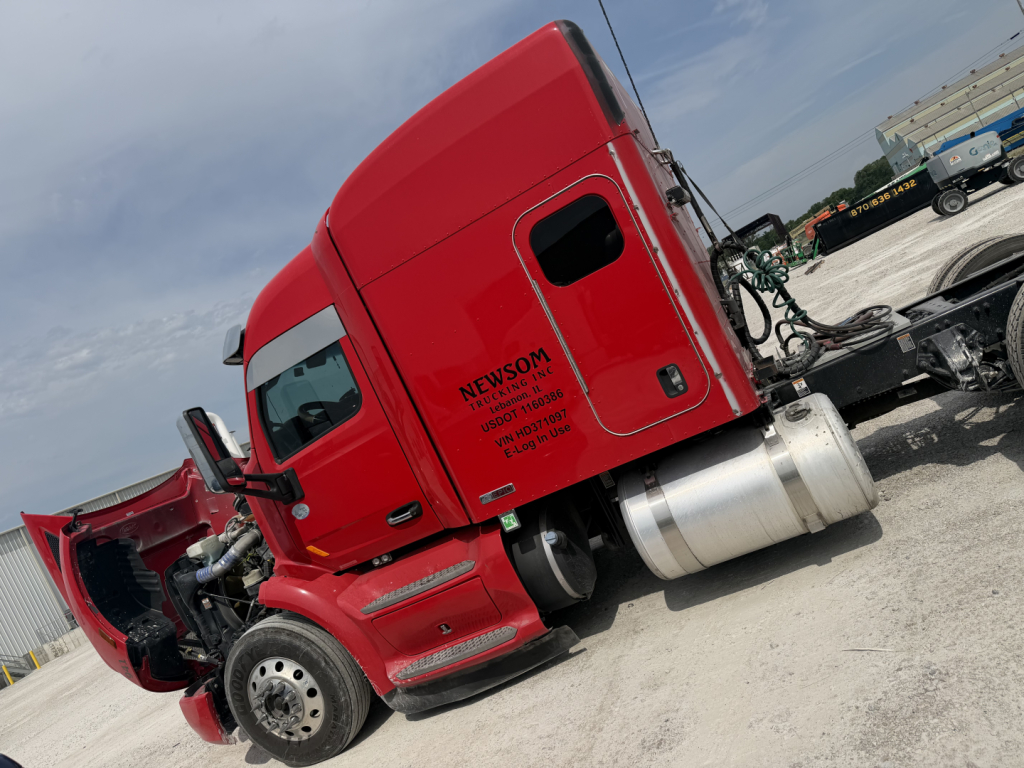
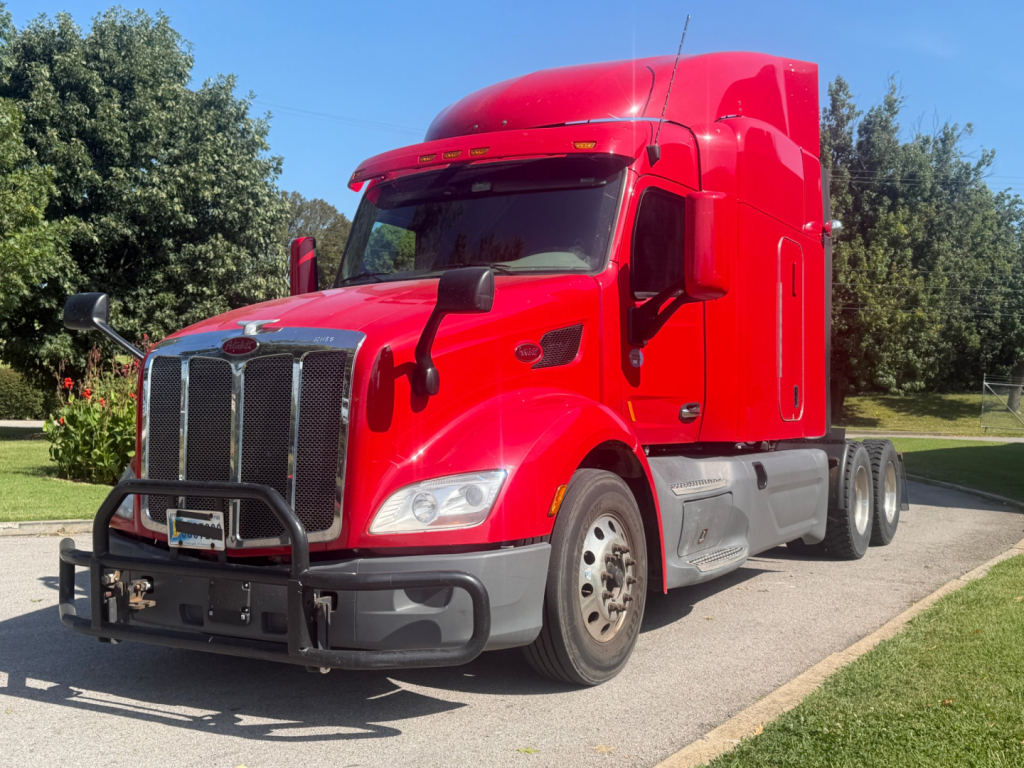
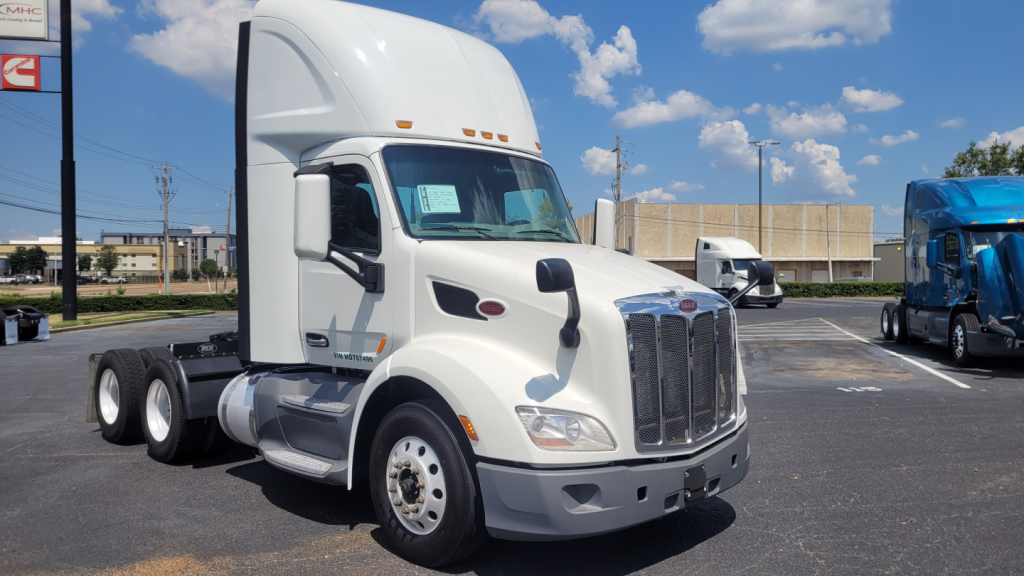
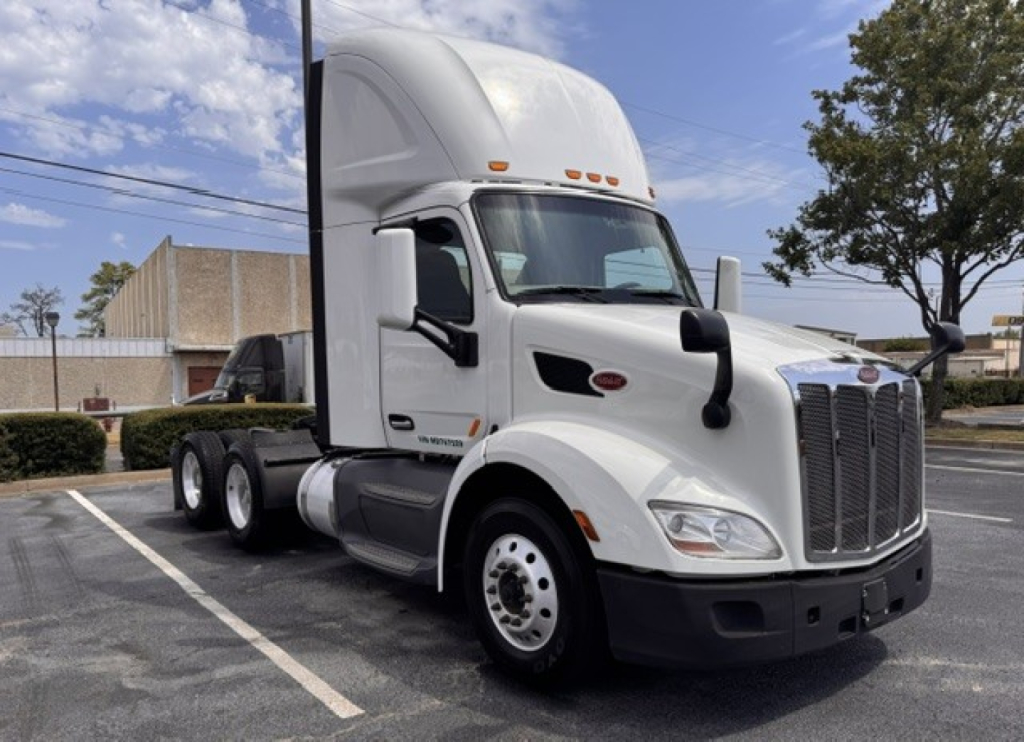
Selling a peterbilt truck? List your peterbilt truck for sale and reach thousands of commercial buyers.
Peterbilt Trucks in Tennessee
For over-the-road use, buyers often focus on sleeper size, wheelbase, rear axle ratio, and the powertrain. A classic spec might include a Caterpillar, Cummins, or PACCAR engine paired with an Eaton manual or automated transmission, with horsepower and gearing matched to freight weight and terrain. In Tennessee, grades and mixed interstate conditions make gearing important, especially for trucks running I-40, I-65, or mountain corridors in the eastern part of the state. A 10-speed or 13-speed manual remains common in older Peterbilt models, while newer trucks may use automated manuals for fuel economy and driver turnover. Pay attention to suspension type, front axle capacity, and whether the truck is spec'd as a day cab, sleeper, or cab and chassis, because those details affect resale and how easily the truck can be repurposed.
Peterbilt is also a strong choice in vocational work because many chassis can be configured for dump bodies, roll-off systems, mixers, service bodies, and other upfits. In that segment, frame rail condition, PTO compatibility, axle ratings, and wheelbase matter as much as engine mileage. Buyers should inspect for prior body installation, frame modifications, crossmember condition, and signs of severe off-road or jobsite use. On older long-hood models such as the 379, condition and maintenance history often carry more weight than model year alone. A clean title, documented engine work, tire condition, brake life, and evidence of drivetrain maintenance can tell you more about future operating cost than cosmetics.
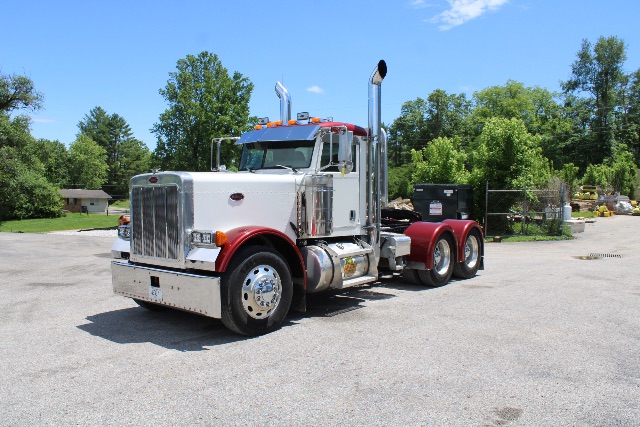
Peterbilt trucks are also known as conventional semi trucks, highway tractors, day cabs, sleepers, or cab and chassis trucks depending on the configuration. That makes spec comparison essential when reviewing multiple listings. Check GVWR, tandem versus single axle layout, fifth wheel setup if equipped, and any emissions-related equipment based on year and engine family. Tennessee buyers often balance appearance with uptime, and Peterbilt has long been one of the makes that satisfies both. The right truck is the one with a spec that fits the route, payload, and service requirements without forcing expensive changes after purchase.
Frequently Asked Questions about Peterbilt Trucks in Tennessee
What should I look for first when buying a used Peterbilt truck in Tennessee?
Start with the intended application and the truck's spec sheet. Cab style, axle configuration, wheelbase, engine make, horsepower, transmission type, rear axle ratio, and suspension setup should all match the work you plan to do. In Tennessee, terrain can vary from flat freight lanes to steeper eastern routes, so gearing and power matter more than many buyers expect. After confirming the spec, review maintenance records, title status, tire and brake condition, and any signs of frame damage or heavy vocational wear.
Are older Peterbilt 379 trucks still a good buy?
A Peterbilt 379 can still be a strong purchase if the truck has been maintained correctly and the spec fits the operation. These trucks remain popular because of their classic long-hood design, driver appeal, and compatibility with well-known drivetrains such as Caterpillar engines and Eaton transmissions. The key is to judge the individual truck on engine history, drivetrain condition, frame integrity, steering and suspension wear, and the quality of any prior repairs or modifications. Condition matters far more than age by itself.
Which engines and transmissions are common in Peterbilt trucks?
Used Peterbilt trucks are commonly equipped with Caterpillar, Cummins, or PACCAR engines depending on model year and original application. Transmission choices often include Eaton 10-speed, 13-speed, and 18-speed manuals, along with automated manual options in newer highway trucks. The best combination depends on load, route, and driver preference. A regional or highway truck may prioritize fuel economy and lower RPM cruising, while a vocational or heavy-haul truck may need deeper gearing and a more robust drivetrain setup.
Is a Peterbilt cab and chassis different from a road tractor?
Yes. A cab and chassis is built to accept a body or equipment installation such as a dump body, flatbed, service body, roll-off, or other vocational upfit. A road tractor is configured to pull a trailer using a fifth wheel. The frame length, wheelbase, rear suspension, PTO readiness, and axle ratings can differ significantly between the two. Buyers should confirm that the chassis dimensions and weight ratings are correct for the intended body and payload before purchase.
Do Peterbilt trucks generally hold their resale value?
Peterbilt trucks are widely recognized for strong resale value, especially on desirable models and clean, well-maintained specs. Brand reputation, driver demand, styling, and broad parts and service support all contribute to that value retention. Resale is strongest when the truck has a documented maintenance history, a practical powertrain, a clean frame, and a configuration that fits common freight or vocational applications. Unusual specs can still be valuable, but they usually appeal to a narrower set of buyers.