
Peterbilt Conventional Sleeper Trucks For Sale in Tennessee
Shop Peterbilt conventional sleeper trucks in Tennessee. Compare 579-style highway sleepers, specs, engine options, and regional haul features.
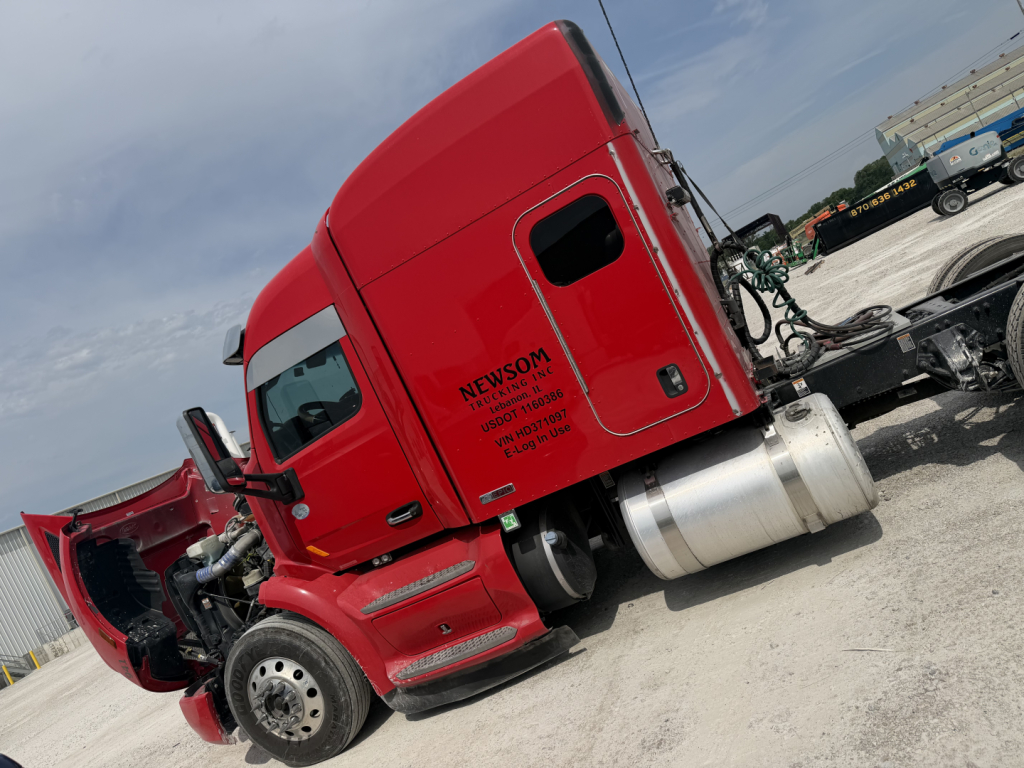
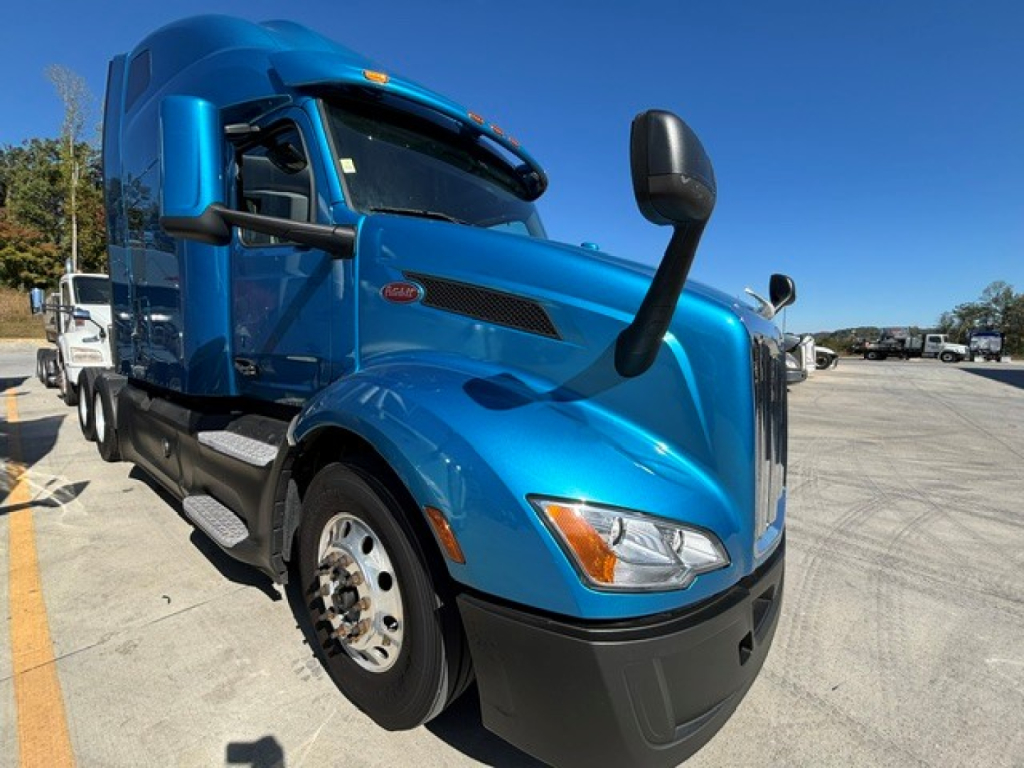
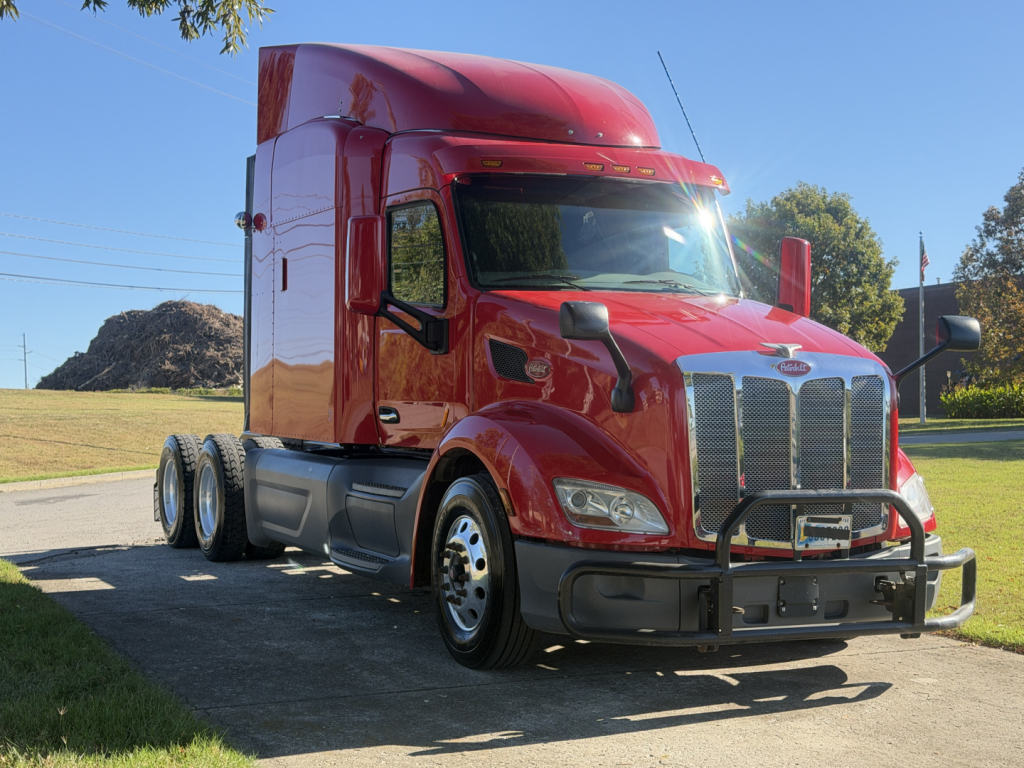
Selling a peterbilt conventional sleeper truck? List your peterbilt conventional sleeper truck for sale and reach thousands of commercial buyers.
Peterbilt Conventional Sleeper Trucks in Tennessee
For a buyer comparing listings, engine and drivetrain spec matter more than paint, trim, or sleeper size alone. Peterbilt sleepers in this class are commonly spec'd with PACCAR MX series engines or Cummins power, paired with automated manual or automatic-style transmissions that are set up for fuel economy and lower driver fatigue. Rear axle ratio, wheelbase, and suspension spec will tell you a lot about the truck's intended job. A lighter spec with fairings and an aero package fits dry van and reefer freight, while heavier axle and frame configurations may be better for specialized freight or higher gross loads. Some listings may also show tag or pusher axle setups, deleted emissions equipment, or other non-standard changes, so it is important to confirm how the truck is currently configured and whether it matches your operating requirements and compliance needs.
Sleeper configuration is another major decision point. Mid-roof and high-roof sleepers both appear in the Peterbilt conventional market, with different tradeoffs in weight, interior storage, and standing room. Buyers running multi-day trips usually focus on bunk layout, cabinet space, HVAC performance, inverter setup, and idle management systems. On the outside, check for fairing condition, hood alignment, cab mount wear, and signs of front-end damage or hard service. Inside the chassis, pay attention to brake condition, tire wear pattern, aftertreatment history, and any evidence of engine overhead, cam, or emissions-related issues. A truck can look clean and still have expensive deferred maintenance, so service records and fault-code history are often as important as mileage.
Peterbilt conventional sleeper trucks also hold attention because they fit a wide range of business models. A single-truck owner may prioritize comfort, brand image, and a driveline that is easy to finance and resell. A fleet buyer may care more about common parts, fuel economy, driver acceptance, and compatibility with existing maintenance practices. In Tennessee, where freight can shift between regional distribution, agricultural support, manufacturing, and long-haul lanes, a well-matched Peterbilt sleeper can cover a lot of ground. The right truck comes down to sleeper size, engine rating, transmission type, axle setup, and maintenance history far more than model year alone.
Frequently Asked Questions about Peterbilt Conventional Sleeper Trucks in Tennessee
What is a Peterbilt conventional sleeper truck used for?
A Peterbilt conventional sleeper truck is primarily used for over-the-road and regional freight where the driver needs a sleeping compartment behind the cab. This configuration is common in dry van, reefer, dedicated contract freight, and longer regional lanes. The conventional hood design also gives easier engine access than a cabover, which many buyers prefer for routine service and major repairs.
Which Peterbilt model is most common in the conventional sleeper category?
The Peterbilt 579 is one of the most common conventional sleeper models on the used market. It is widely spec'd for highway service with aerodynamic bodywork, multiple sleeper options, and a range of engine and transmission combinations. Buyers often see it in fleet service, but it is also popular with owner-operators because it balances comfort, fuel efficiency, and resale strength.
What should I check first on a used Peterbilt sleeper?
Start with the engine, emissions system, and transmission spec, then move to maintenance history and fault codes. After that, inspect tires, brakes, suspension, fifth wheel condition, and signs of uneven wear or alignment problems. On sleeper trucks, it is also smart to verify bunk HVAC operation, inverter or auxiliary power setup, and any repairs to fairings, hood, or cab structure because those items affect both uptime and driver comfort.
Are automated transmissions common in Peterbilt sleeper trucks?
Yes. Many Peterbilt conventional sleeper trucks are equipped with automated manual or automatic-style transmissions because they help reduce driver fatigue and can improve fuel economy when properly spec'd. They are especially common in fleet-oriented highway trucks. Buyers should still confirm software updates, clutch life where applicable, and how the transmission was matched to the engine rating and rear axle ratio.
Why does axle configuration matter on a conventional sleeper truck?
Axle configuration affects payload capability, maneuverability, weight distribution, and the type of freight the truck can haul efficiently. A standard tandem setup works for most highway applications, while non-standard configurations such as lift axles, tag axles, or modified rear axle arrangements may signal a specialized prior use. Buyers should confirm axle ratings, current legality, and how the configuration fits their lanes, trailer types, and gross weight requirements.