
Peterbilt Trucks For Sale in Arkansas
Browse Peterbilt trucks for sale in Arkansas, including vocational and highway models with popular Cummins powertrain and axle setups.
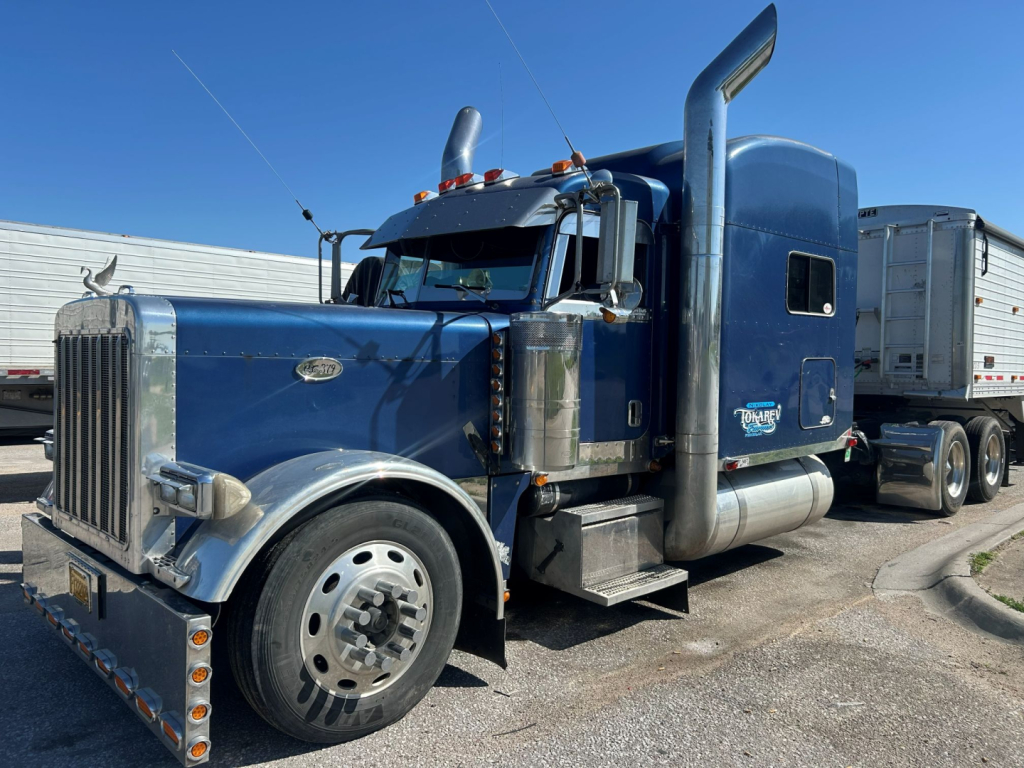
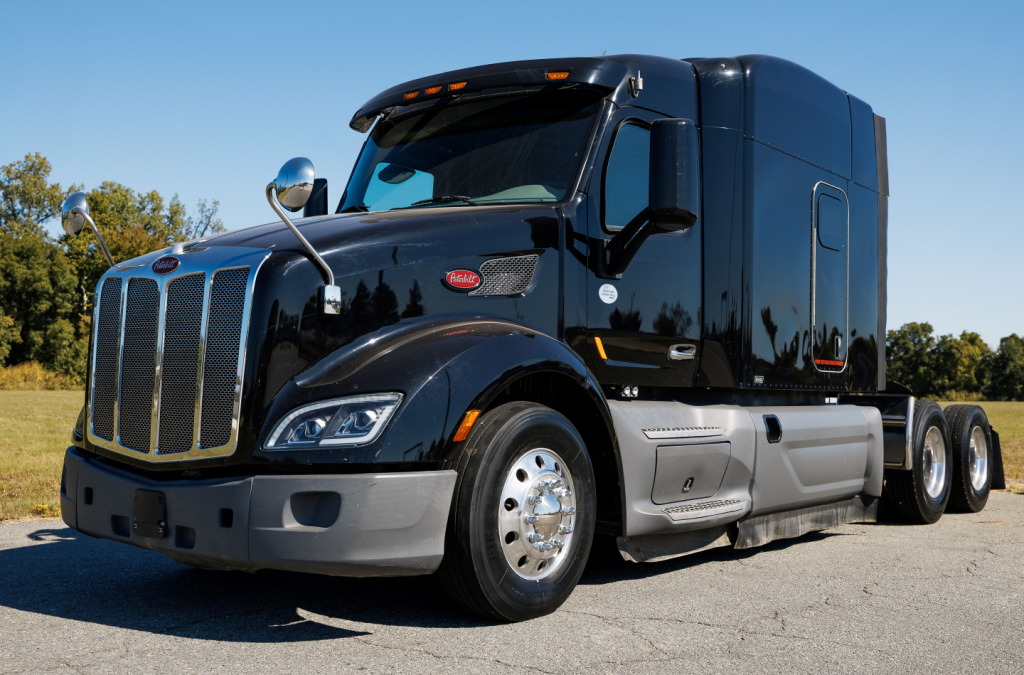
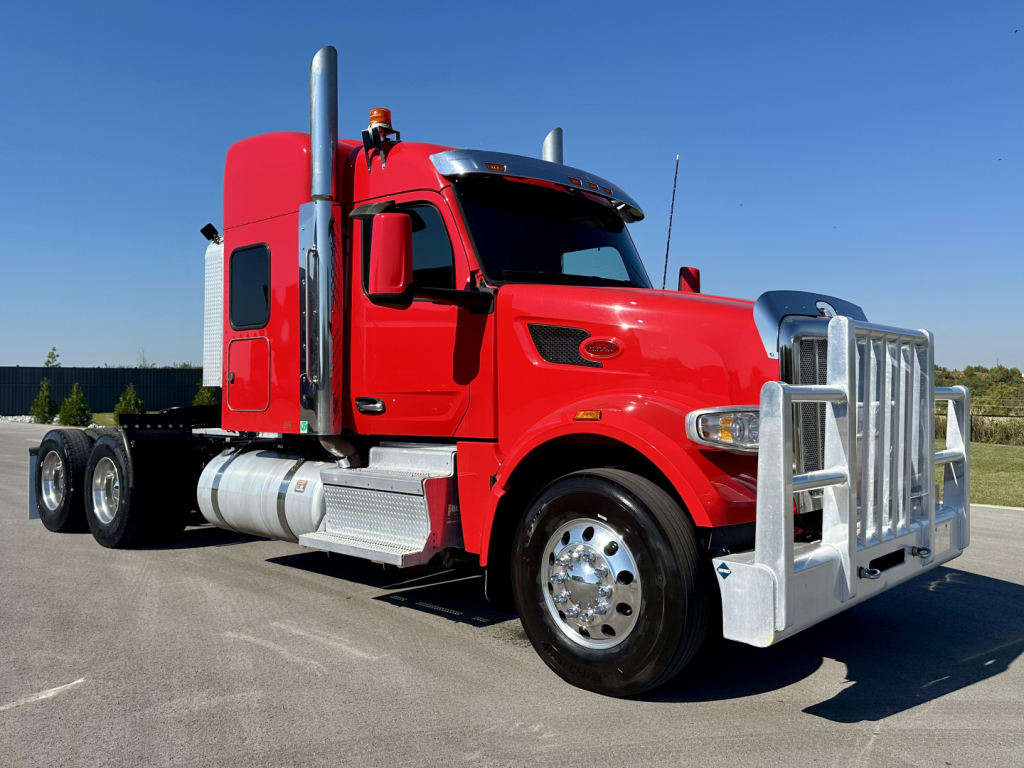
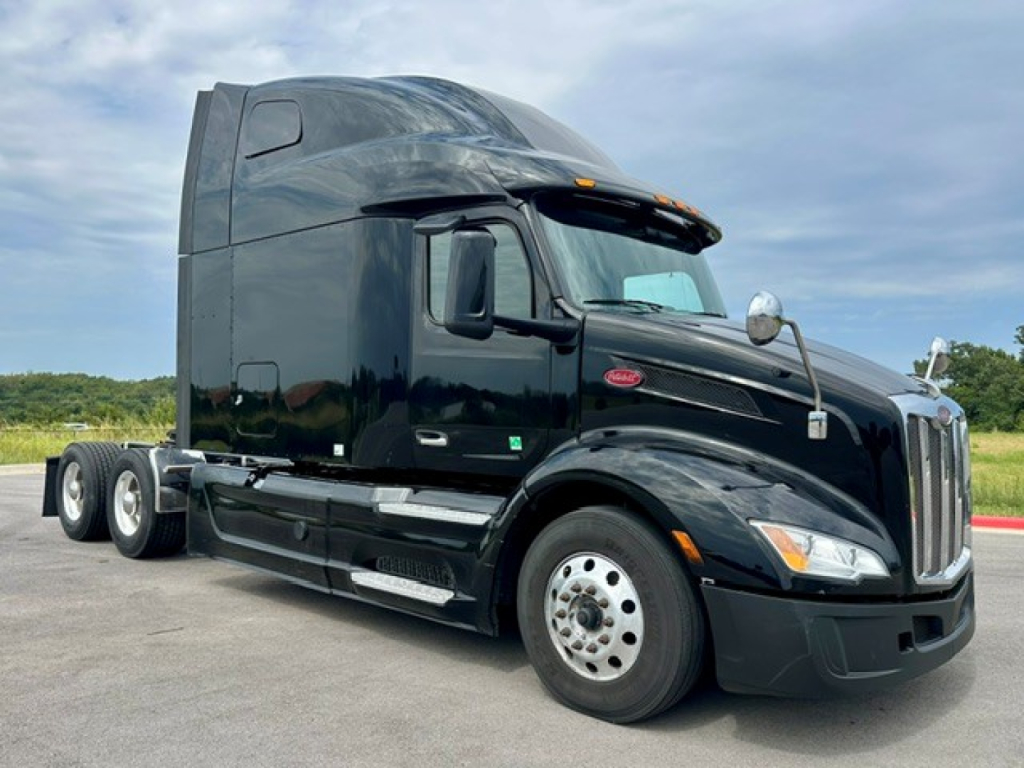
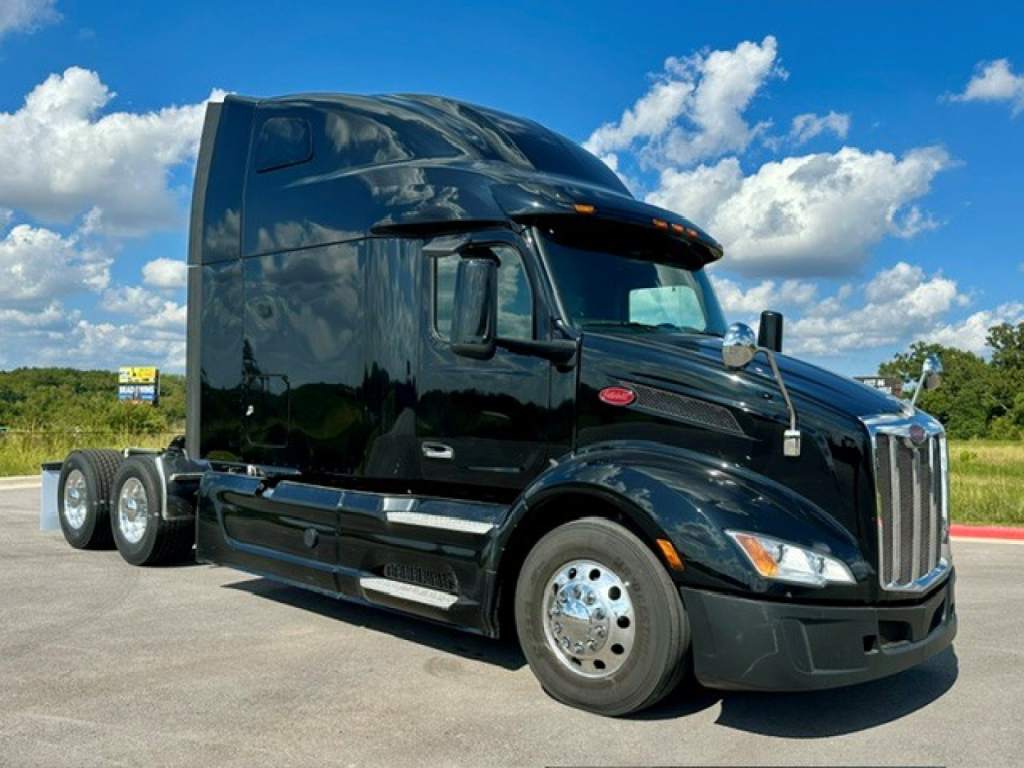
Selling a peterbilt truck? List your peterbilt truck for sale and reach thousands of commercial buyers.
Peterbilt Trucks in Arkansas
For many used Peterbilt buyers, the powertrain matters as much as the badge on the hood. Cummins X15 engines are common in late-model on-highway and vocational applications, often paired with Eaton manual, automated manual, or Allison automatic transmissions depending on the work. Horsepower can range from fuel-minded fleet specs into the 500-plus range for heavier pulls, and rear axle ratios should match the route profile and desired cruising speed. In Arkansas, where trucks may see interstate miles one day and rough jobsite entrances the next, suspension type, front axle capacity, locking rears, and bridge-law-friendly axle spacing deserve close attention. A tri-axle or heavy-spec tandem setup can make a major difference for aggregate, construction, logging, and equipment transport applications.
Cab layout and chassis details are where two Peterbilts with the same model number can become very different trucks. Wheelbase affects turning radius, body fitment, and trailer clearance. Frame rating and crossmember design matter more on severe-service trucks than many first-time buyers expect. Interior trim, visibility, and driver ergonomics are also part of the value equation, especially on trucks that spend long shifts in local stop-and-go work. Peterbilt is also known for aluminum and classic styling on certain models, but for a working buyer the practical checks are cleaner: maintenance history, emissions system performance, tire wear patterns, suspension condition, PTO setup, and signs of prior overload or frame modification.
Arkansas buyers often look for Peterbilt trucks that can transition between industries, which is one reason the brand stays popular across construction, agriculture, regional freight, and specialized hauling. A well-matched spec can lower operating cost and reduce downtime more than a newer truck with the wrong axle, gearing, or body configuration. When comparing listings, focus on intended application, engine and transmission pairing, front and rear axle ratings, wheelbase, suspension, and overall chassis condition. Those details will tell you far more than appearance alone and will help separate a true work-ready Peterbilt from one that only looks good in photos.
Frequently Asked Questions about Peterbilt Trucks in Arkansas
What are the most common Peterbilt truck models buyers look for?
The most commonly searched Peterbilt models usually include the 389 for classic long-hood owner-operator appeal, the 579 for highway and fleet use, the 567 for vocational and severe-duty work, and the 548 for medium-duty and municipal applications. The best model depends on the job, because Peterbilt uses different cab layouts, hood designs, axle options, and frame configurations across these platforms.
Is a Peterbilt 567 a good choice for vocational work?
Yes, the Peterbilt 567 is widely used in dump, mixer, heavy haul, equipment transport, and other severe-service applications. Buyers like it because it can be spec'd with heavy front axles, multiple rear axle configurations, PTO capability, and durable frame options. The exact suitability comes down to the truck's wheelbase, axle ratings, suspension, transmission, and how the chassis was originally ordered.
What should I check first on a used Peterbilt truck?
Start with the powertrain and chassis spec, then verify maintenance history. Engine hours, emissions system condition, transmission type, axle ratings, wheelbase, suspension wear, tire condition, and frame integrity are the priority checks. On vocational trucks, also inspect PTO operation, hydraulic provisions, body or equipment mounting points, and any evidence of frame alterations or chronic overloading.
Are Peterbilt trucks expensive to maintain?
Maintenance cost depends more on engine, emissions complexity, duty cycle, and previous care than on brand reputation alone. Peterbilt trucks can be straightforward to service when they have documented maintenance and common driveline components such as Cummins engines and Eaton transmissions. Costs rise when a truck has deferred repairs, specialized vocational equipment, or emissions issues that were ignored by a prior owner.