
Peterbilt Conventional Sleeper Trucks For Sale in Arkansas
Browse Peterbilt conventional sleeper trucks for long-haul, regional, and owner-operator use, with specs and sleeper options that fit the job.
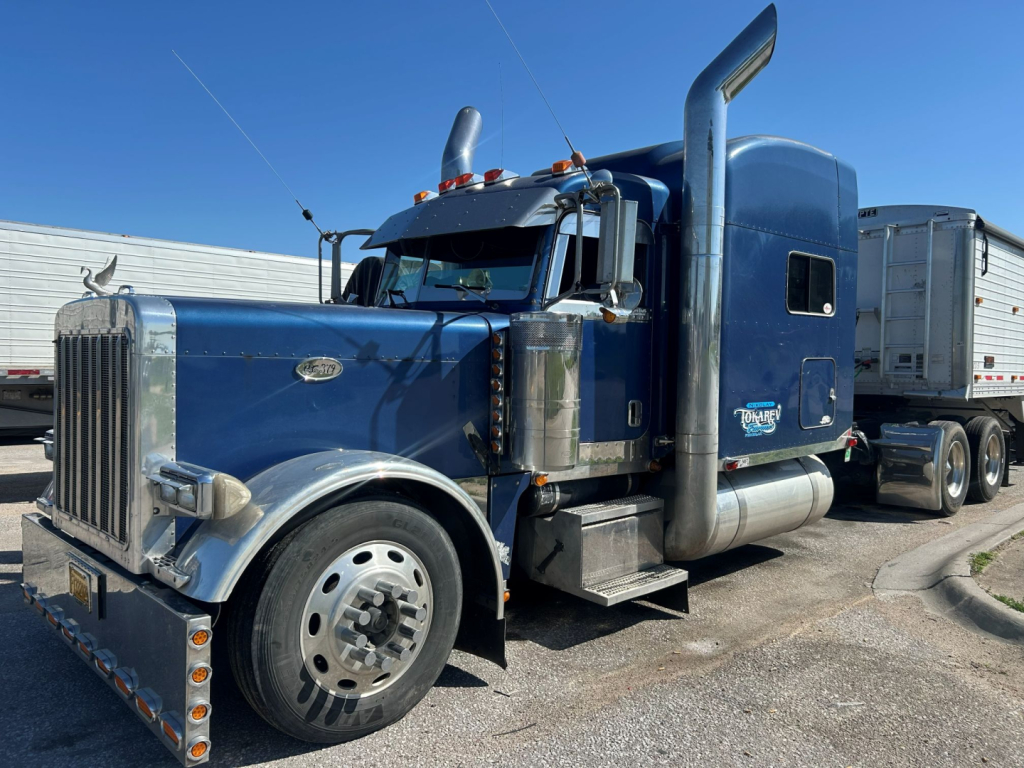
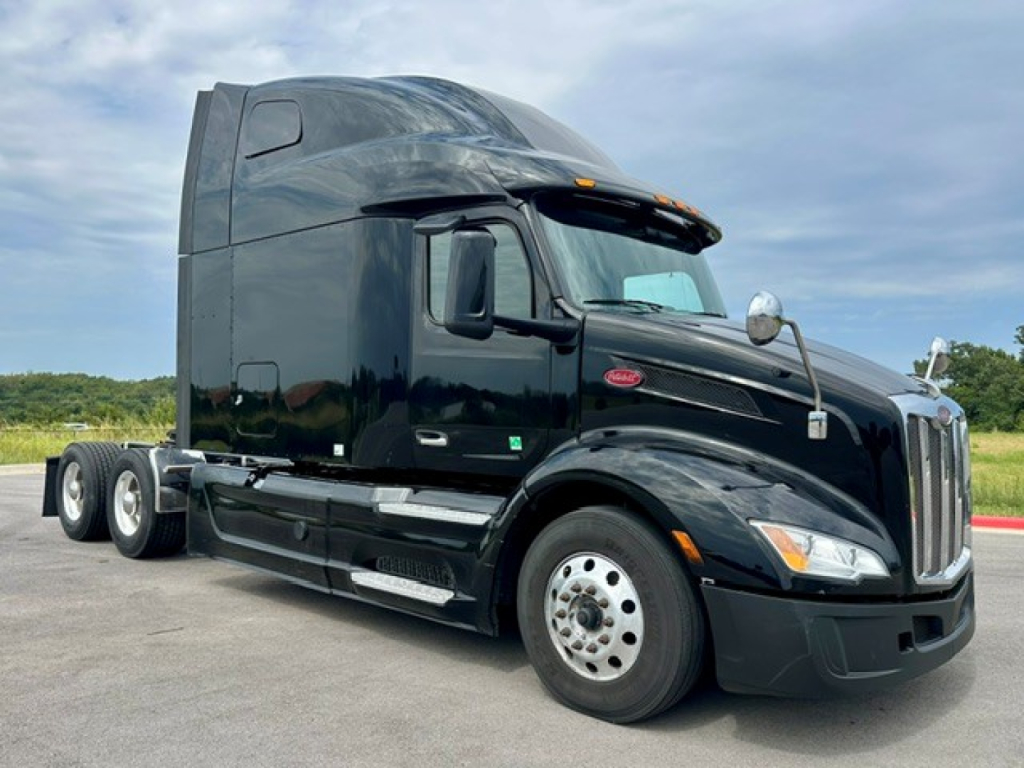
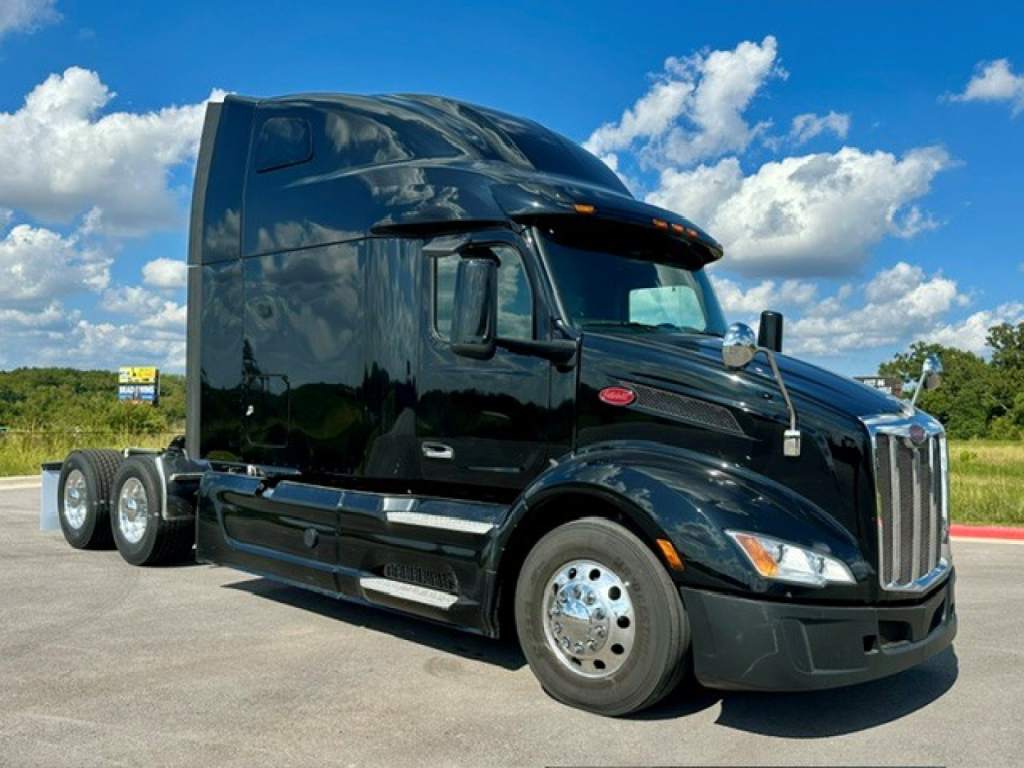
Selling a peterbilt conventional sleeper truck? List your peterbilt conventional sleeper truck for sale and reach thousands of commercial buyers.
Peterbilt Conventional Sleeper Trucks in Arkansas
The biggest buying decisions usually come down to engine, wheelbase, sleeper size, and axle configuration. Popular Peterbilt sleeper models include the 379, 389, 579, and other highway tractors configured with raised-roof or mid-roof sleepers. Buyers often compare Cummins, Caterpillar, and Paccar power depending on model year, emissions preference, and service familiarity. Horsepower ratings, transmission choice, rear axle ratio, and suspension spec all affect how the truck performs with your typical gross weight and terrain. A longer wheelbase can improve ride quality and appearance, but it also affects turning radius and trailer gap. If the truck will pull van, reefer, hopper, or flatbed freight, make sure the fifth wheel setup, frame length, and fuel capacity match the route and trailer type.
Sleeper condition matters as much as drivetrain condition on a used highway tractor. Pay attention to bunk size, cabinet layout, HVAC performance, insulation, and signs of water intrusion or hard idle hours. Buyers in the Arkansas market should also look closely at cooling system health, tire condition, brake wear, and front-end components, especially on trucks that have seen regional stop-and-go use or heavy summer temperatures. On older Peterbilt conventional sleepers, common value points include recent engine or transmission work, updated clutches, suspension repairs, and replacement of wear items like water pumps, starters, oil coolers, and brake valves. If the truck has custom features such as exhaust, bumpers, lights, or an extended frame, those can add appeal, but the underlying maintenance history still carries the most weight.
A good Peterbilt conventional sleeper should be matched to freight first and image second. Owner-operators may prioritize hood style, interior appearance, and a traditional long-hood spec, while fleet buyers often focus on fuel economy, service intervals, driver retention, and uptime. Review engine rebuild documentation, ECM data when available, mileage since major repairs, and signs of consistent preventive maintenance. A well-specced Peterbilt sleeper can stay productive across long interstate runs, local dedicated work, or specialized hauling, provided the axle ratings, sleeper configuration, and powertrain were chosen for the actual job.
Frequently Asked Questions about Peterbilt Conventional Sleeper Trucks in Arkansas
What is a Peterbilt conventional sleeper truck?
A Peterbilt conventional sleeper truck is a highway tractor with the engine mounted ahead of the cab and an integrated sleeper compartment behind the seats. This design is used for long-haul and regional freight where the driver needs rest space, extra storage, and better comfort over multiple days on the road. Conventional sleepers are commonly spec'd for dry van, reefer, flatbed, hopper, and general freight applications.
Which Peterbilt sleeper models are most common on the used market?
Common Peterbilt conventional sleeper models include the 379, 389, and 579, along with other model-year variations built for highway use. The 379 and 389 are popular with buyers who want a classic long-hood truck, while the 579 is better known for aerodynamic efficiency and fleet-oriented sleeper configurations. The right choice depends on your freight, emissions preference, budget, and maintenance strategy.
What should I inspect first on a used Peterbilt conventional sleeper?
Start with the engine, transmission, rear axles, and service records. After that, inspect the sleeper itself for HVAC performance, water leaks, bunk wear, cabinet condition, and electrical function. On the chassis side, pay close attention to suspension components, steering play, brake condition, tire wear, frame condition, and any evidence of major repairs or rebuilds. Documentation for engine work and preventive maintenance is a major value factor.
Are Peterbilt conventional sleepers good for owner-operators?
Peterbilt conventional sleepers are a strong fit for many owner-operators because they combine driver appeal, aftermarket support, and strong resale demand. They are especially popular with buyers who want a truck that can handle long-haul work while also presenting well to customers and retaining value over time. The key is choosing a spec that supports your revenue model, including engine rating, transmission, sleeper size, fuel capacity, and wheelbase.
How do I choose the right sleeper size and wheelbase?
Choose sleeper size based on how many nights the truck stays out, how much storage the driver needs, and whether the truck will be used solo or in team service. Choose wheelbase based on trailer type, maneuverability needs, ride quality, and appearance preferences. A longer wheelbase and larger sleeper can improve comfort and road presence, but they can also add weight and reduce maneuverability in tight loading areas.