
2025 Peterbilt Trucks For Sale
Shop 2025 Peterbilt trucks for sale, including on-highway, vocational, and medium-duty models with modern powertrains and driver-focused specs.
Selling a 2025 peterbilt truck? List your 2025 peterbilt truck for sale and reach thousands of commercial buyers.
2025 Peterbilt Trucks
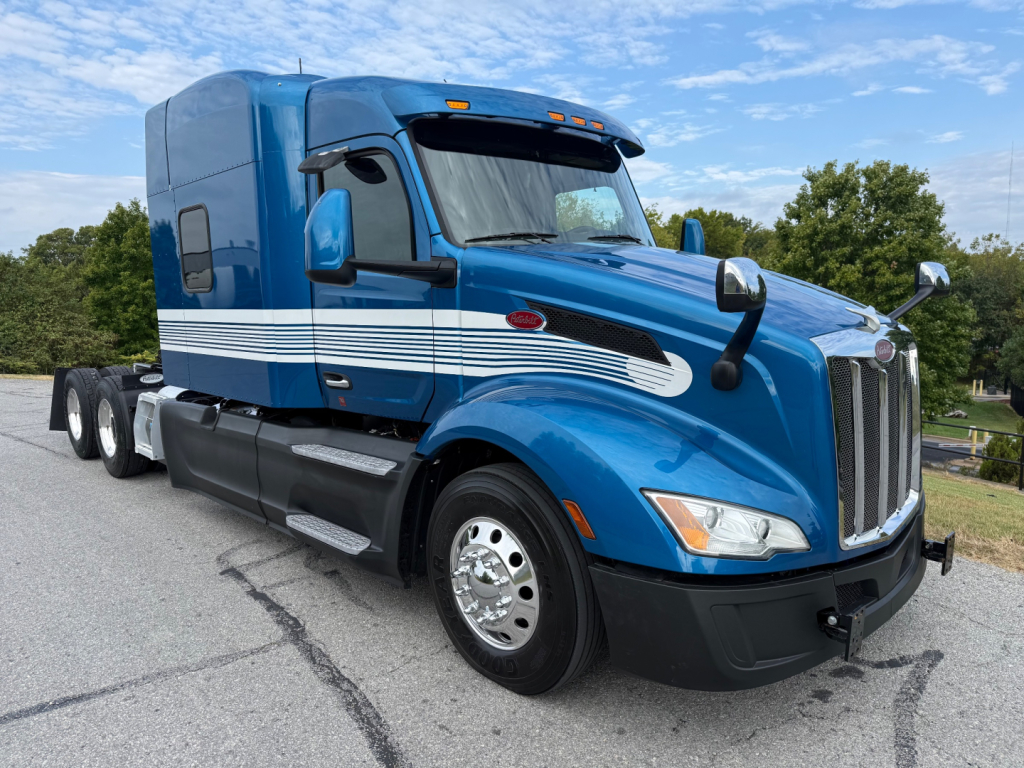
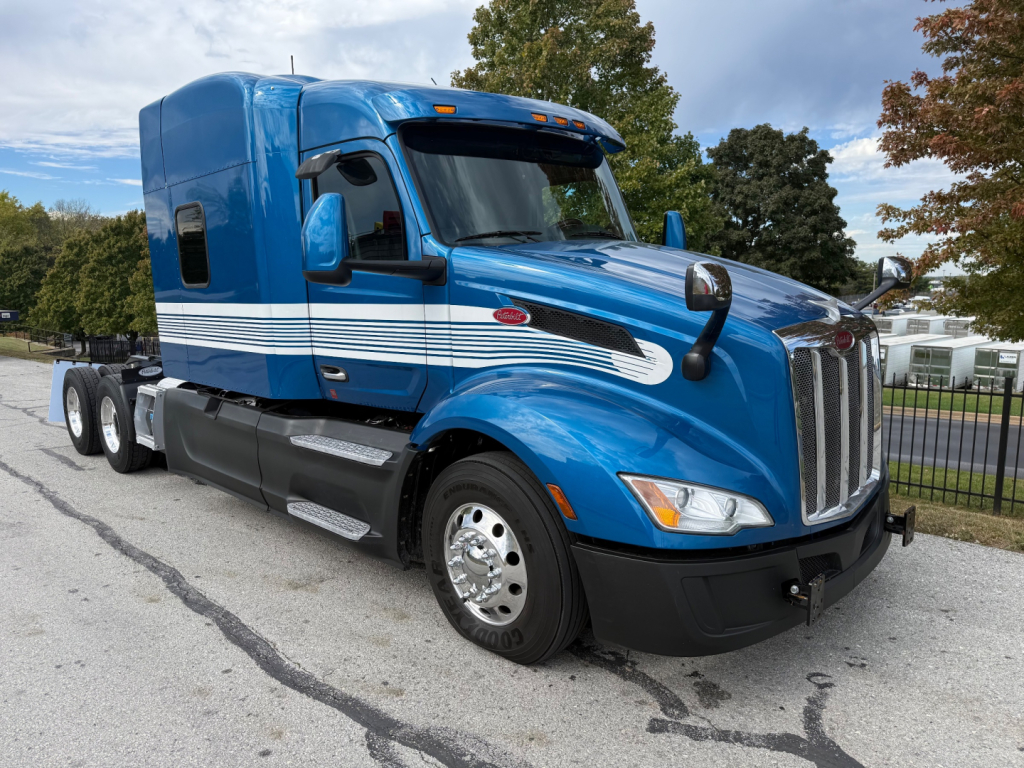
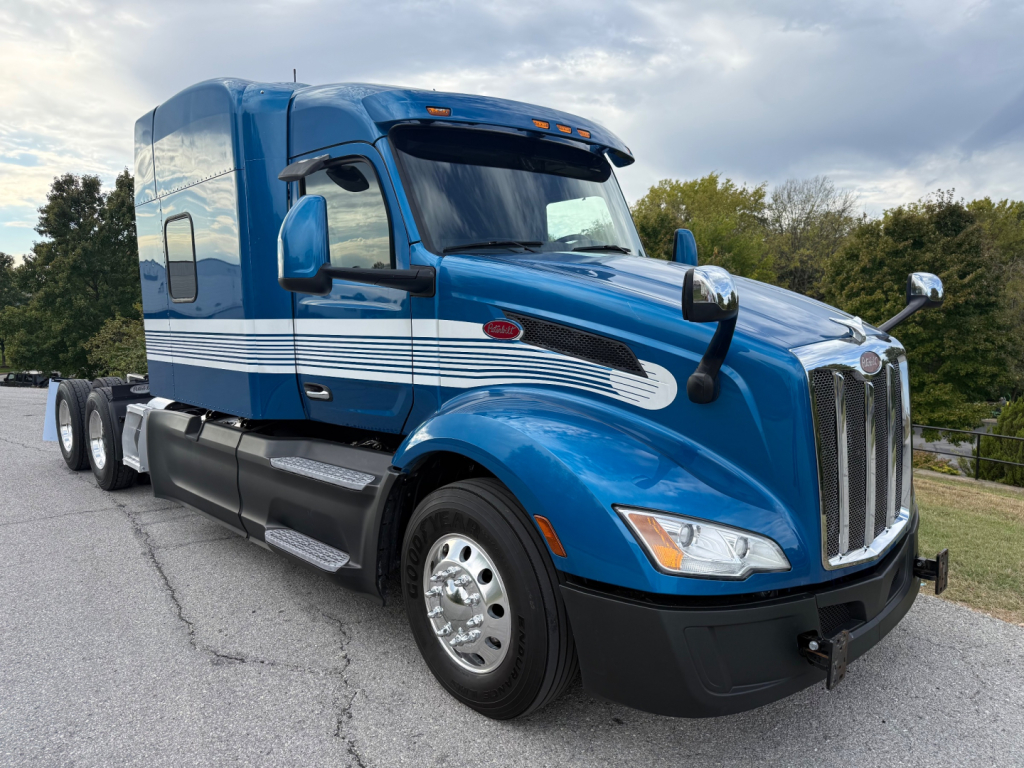
For highway use, 2025 Peterbilt models are commonly centered around the 579 and 389. The 579 is the aerodynamic fleet and owner-operator platform, often spec'd with PACCAR MX-series or Cummins power, automated manual or full automatic transmissions, and ratios tuned for fuel economy and cruise speed. The 389 remains the classic long-hood conventional and is still a favorite for specialized hauling, show-truck buyers, and operators who prefer a traditional serviceable platform with premium trim levels and larger horsepower options. Buyers comparing day cabs to sleepers should look at sleeper length, bunk layout, fuel capacity, fairings, and wheelbase because those details directly affect payload distribution, turning radius, and route flexibility.
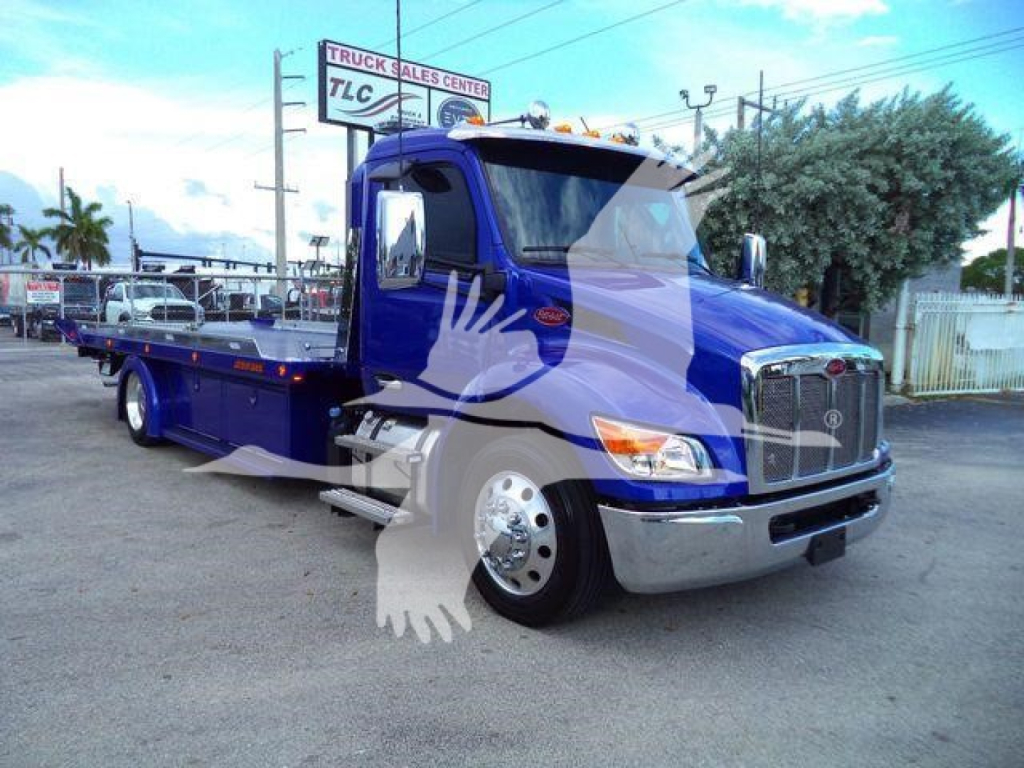
On the medium-duty and vocational side, Peterbilt trucks such as the 535, 536, 537, 548, 567, and related chassis are often configured for towing, rollback work, dumps, stake beds, box trucks, utility bodies, and municipal service. Here, the critical items are front axle rating, rear suspension type, brake package, PTO compatibility, and body upfit integration. A rollback or wrecker application may need air brakes, air ride suspension, a low cab-to-axle dimension, and enough cooling and charging capacity to support hydraulic equipment and lighting. A dump or severe-service build puts more emphasis on frame reinforcements, locking differentials, set-back or set-forward axle options, and transmission programming that matches stop-and-go or off-road use.
A buyer evaluating 2025 Peterbilt trucks should also weigh total operating cost, not just purchase price. Engine choice, emissions warranty coverage, dealer support, DEF consumption, tire size, and rear axle ratio all influence long-term cost per mile. Interior and driver-retention features matter too, especially in late-model trucks, where power accessories, premium seating, smart wheel controls, navigation, collision mitigation, and camera systems can improve uptime and reduce fatigue. The best spec is the one that fits the job without carrying unnecessary weight, wheelbase, or horsepower, and that is where a careful review of application-specific specs makes the biggest difference.
Frequently Asked Questions about 2025 Peterbilt Trucks
What are the most common 2025 Peterbilt truck models buyers shop for?
The most commonly searched 2025 Peterbilt trucks usually include the 579 for aerodynamic highway hauling, the 389 for classic long-hood conventional work, and medium-duty or vocational models such as the 548 and 567 for upfit applications. The right model depends on whether the truck will be used as a sleeper tractor, day cab, tow truck, dump truck, box truck, or another vocational platform. Model selection should be tied to cab style, axle ratings, wheelbase, and body or trailer requirements rather than appearance alone.
Is a 2025 Peterbilt 579 or 389 better for highway use?
A 2025 Peterbilt 579 is generally the better fit for buyers focused on fuel economy, aerodynamics, and high-mile fleet or regional service. A 2025 Peterbilt 389 is often preferred by buyers who want a traditional long-hood platform, premium appearance, and flexibility for specialized hauling or higher-horsepower specs. The 579 usually delivers a more efficiency-driven package, while the 389 is often chosen for image, serviceability preferences, and certain vocational or owner-operator applications.
What specs matter most when buying a 2025 Peterbilt truck?
The most important specs are application-based. Buyers should start with GVWR or GCWR, axle configuration such as 4x2 or 6x4, wheelbase, engine rating, transmission type, rear axle ratio, suspension, and brake system. For sleepers, add bunk size, fuel capacity, and fairing package. For vocational trucks, focus on frame strength, PTO capability, cab-to-axle dimension, and upfit compatibility. These specs determine how the truck performs, how much it can legally carry, and how well it matches the intended route or jobsite.
Are 2025 Peterbilt trucks good for vocational and upfit work?
Yes, 2025 Peterbilt trucks are widely used for vocational work because the chassis can be configured for bodies such as wreckers, rollbacks, dumps, utility bodies, service trucks, and box vans. Buyers should verify that the frame, suspension, axle ratings, and PTO setup match the body builder’s requirements. Electrical integration, cooling performance, and available cab-to-axle lengths are especially important when the truck will run hydraulic equipment, frequent stop-and-go cycles, or heavy front-end loads.
Do newer Peterbilt trucks hold their value well?
Peterbilt trucks generally maintain strong resale value compared with many other makes, especially when they are properly spec'd for common applications and have complete maintenance records. Factors that help resale include desirable engines, efficient rear axle ratios, clean interiors, aluminum wheels or tanks, premium trim, and vocational equipment with a recognized body brand. A truck with a practical wheelbase, common tire size, and mainstream drivetrain is usually easier to remarket than an overly specialized spec.