
2018 Peterbilt Trucks For Sale in Texas
Compare 2018 Peterbilt trucks for sale in Texas by gearing, emissions history, heat-related wear, and highway versus oilfield operating requirements.
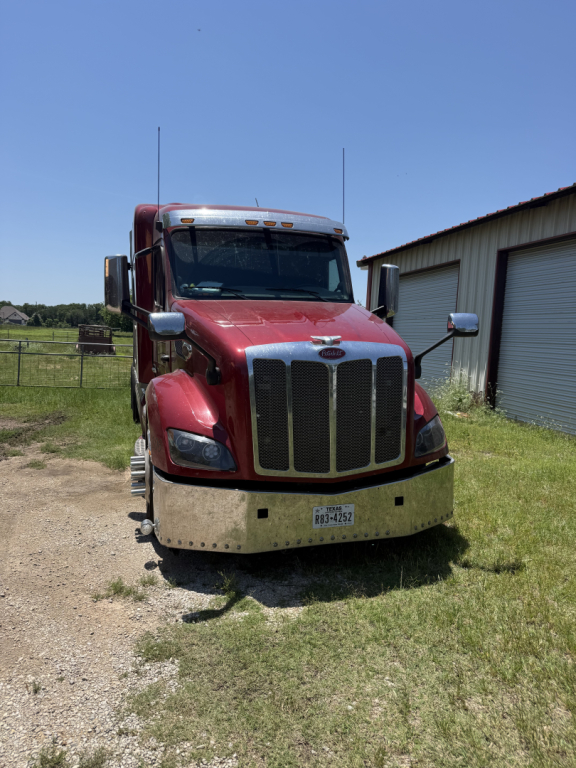

Selling a 2018 peterbilt truck? List your 2018 peterbilt truck for sale and reach thousands of commercial buyers.
2018 Peterbilt Trucks in Texas
The 2018 model year falls in the GHG17 emissions era, making DPF, SCR, and DEF-system condition central to a diesel inspection. On used trucks, obtain ECM mileage, engine hours, idle time, fault history, and documented aftertreatment repairs. Compare those records with dash readings and maintenance invoices. Check clutch or automated-transmission operation, differential noise, fifth-wheel wear, suspension bushings, and frame repairs. Vocational trucks need additional inspection of PTO engagement, hydraulic plumbing, and body mounts; low mileage can conceal substantial stationary engine hours.
Texas heat makes radiator cleanliness, fan operation, charge-air-cooler integrity, and air-conditioning performance practical buying priorities. Oilfield dust and coastal salt exposure warrant separate checks of cooling stacks, wiring connectors, and frame corrosion. Match gearing and wheelbase to I-10 or I-35 highway service versus lease-road access, and verify axle spacing against legal weights rather than axle ratings alone. For any 2018 truck represented as new, establish warranty commencement, storage maintenance, and whether the 12% federal excise tax applies to the first retail sale of a qualifying heavy truck.
Frequently Asked Questions about 2018 Peterbilt Trucks in Texas
Can I put a dump body on a 2018 Peterbilt highway tractor?
A 2018 Peterbilt highway tractor needs an engineered chassis and weight-distribution review before conversion to a dump truck. Check cab-to-axle dimensions, frame reinforcement, front axle capacity, suspension suitability, and transmission PTO provisions. A tractor's rear axle rating alone does not establish dump-body suitability. A vocational chassis such as the 567 can avoid some of the structural and packaging compromises involved in a conversion.
Is a 2.79 rear axle ratio suitable for a 2018 Peterbilt working in Texas?
A 2.79 rear axle ratio is a highway-oriented choice, not an automatic fit for Texas oilfield or heavy-haul work. On a 2018 Peterbilt, suitability also depends on transmission starting ratio, top gear, tire diameter, and loaded combination weight. Check calculated cruise rpm and starting-grade capability together. Tall gearing that cruises efficiently can still be poorly matched to repeated starts on soft lease roads.
How much weight can a 2018 Peterbilt tractor legally haul in Texas?
A standard five-axle tractor-trailer combination is normally limited to 80,000 pounds gross on Texas Interstate highways, subject to axle limits and the federal bridge formula. Standard limits include 20,000 pounds on a single axle and 34,000 pounds on a tandem. A 2018 Peterbilt's higher component ratings do not increase those legal limits. Specialized configurations and permitted movements require separate route and permit checks.
What diagnostic checks should I request before buying a used 2018 Peterbilt diesel?
A pre-purchase inspection of a 2018 Peterbilt diesel should include a full-module scan and a loaded road test, not just a check for warning lights. Have a technician assess DPF differential pressure at operating temperature, commanded versus actual boost, crankcase pressure, and transmission faults. Recently cleared fault memory is not evidence that an underlying problem was repaired, so request supporting repair documentation.
Do 2018 Peterbilt diesel trucks need Texas emissions testing?
Texas exempts diesel-powered vehicles from its emissions-testing program, including 2018 Peterbilt diesel trucks. That exemption does not authorize removing or disabling DPF, SCR, or other emissions equipment. Commercial vehicles subject to Texas commercial inspection requirements still need annual safety inspections; the elimination of most noncommercial safety inspections in 2025 did not eliminate commercial inspections. Confirm the applicable inspection requirements for the truck's registered weight and intended use.