
Passenger Van Trucks For Sale in New York
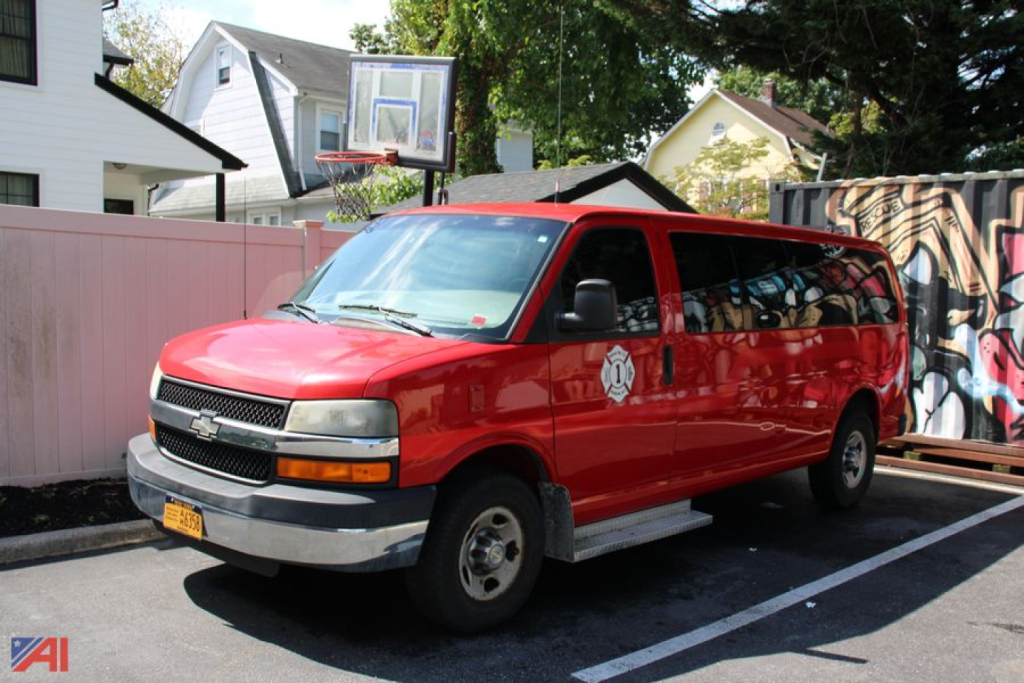
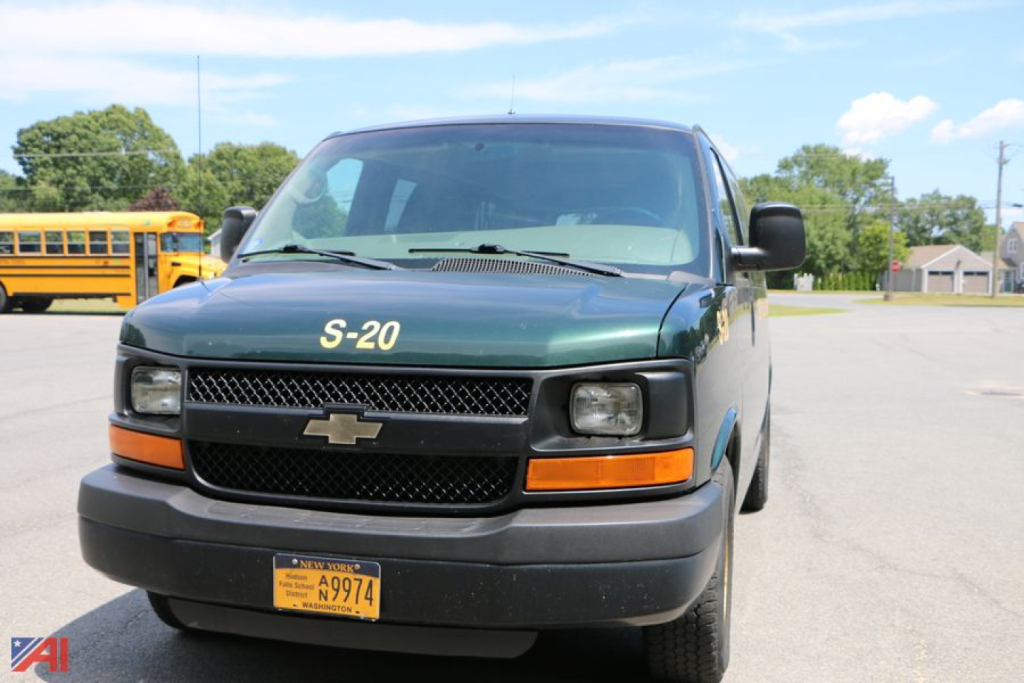

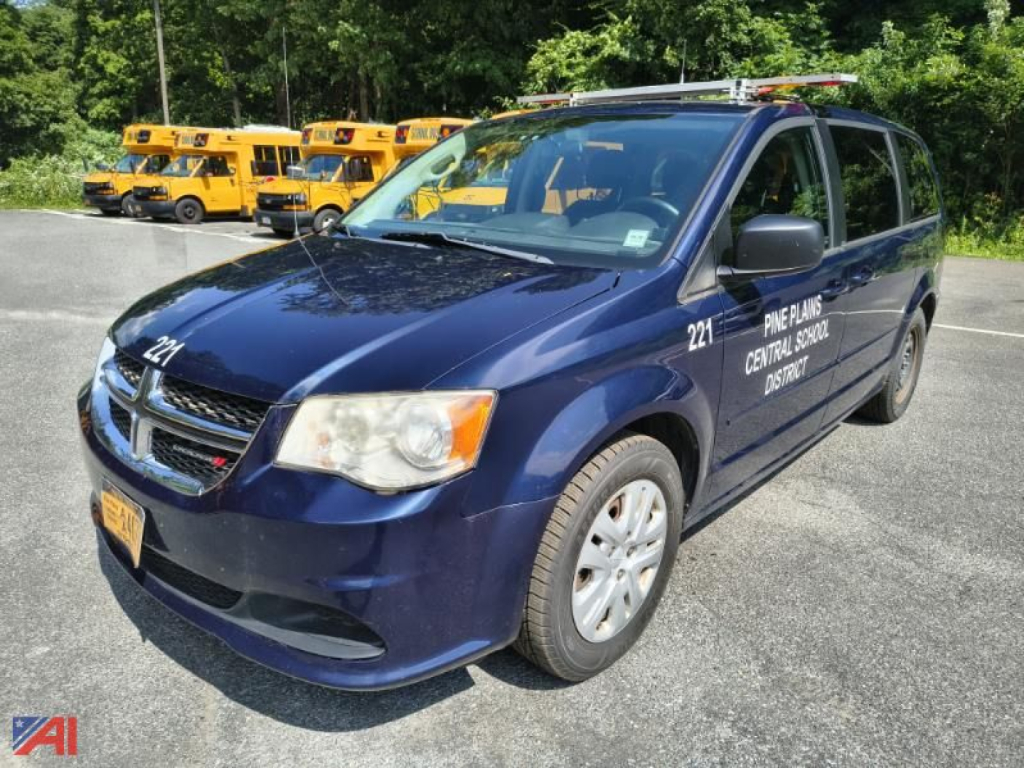

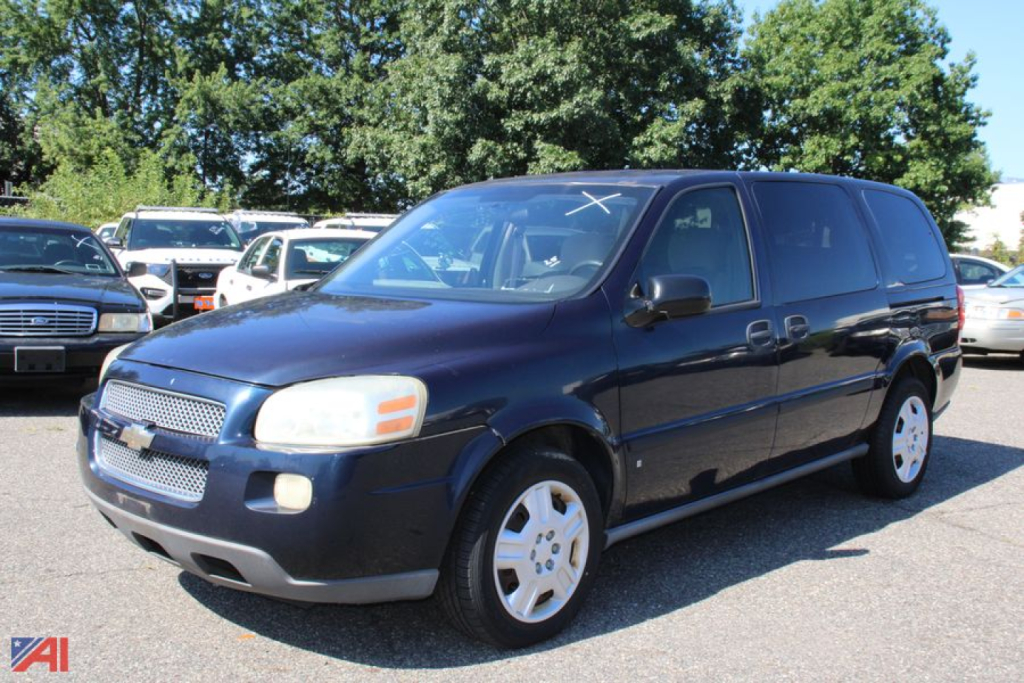
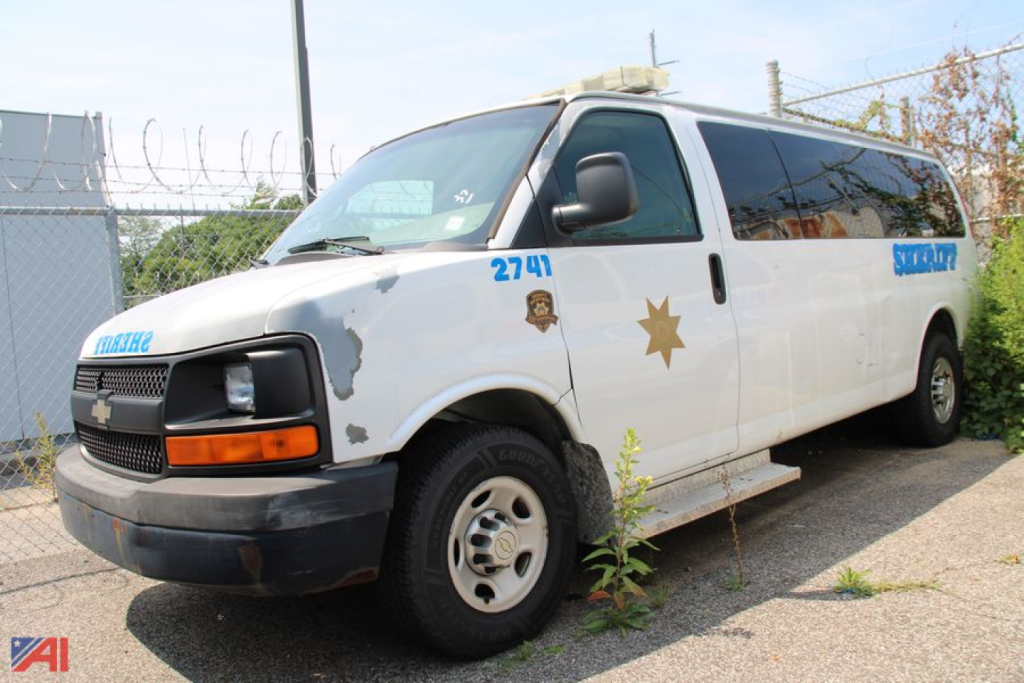
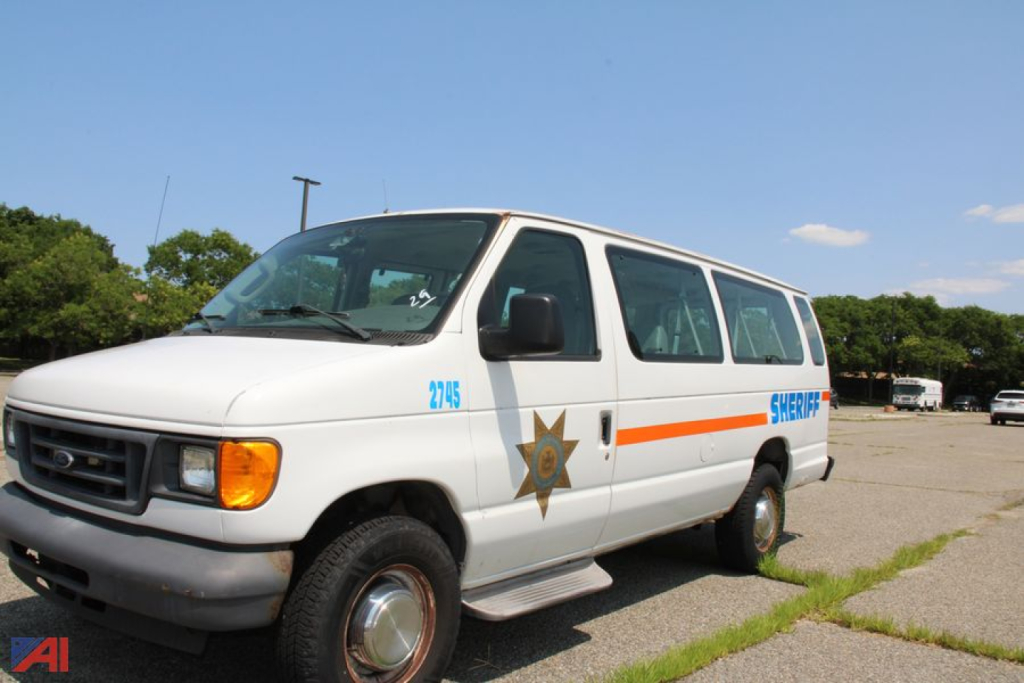
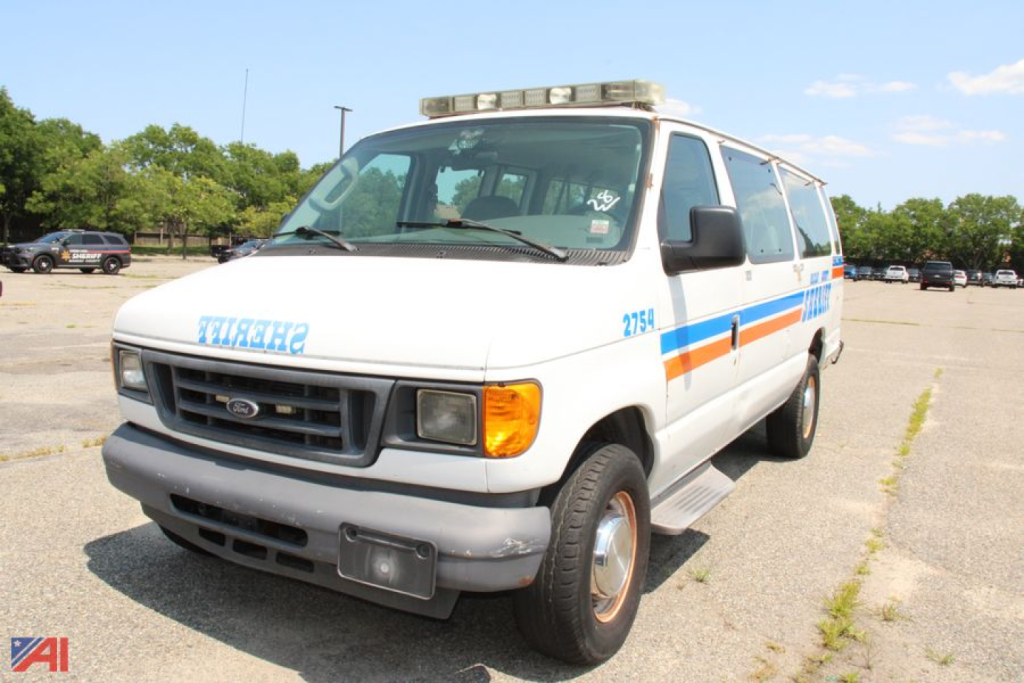
Have passenger van truck to sell? List it here to reach thousands of buyers.
Passenger Van Trucks in New York
A full-size passenger van is often chosen for its simpler service profile and familiar body-on-frame durability. Gas V8 and V6 engines are common in this category, with automatic transmissions and rear-wheel drive widely used for predictable load carrying and towing capability. Some buyers prioritize wheelbase and overall length because a longer van can improve passenger capacity but may be less practical in urban parking and narrow streets. GVWR, axle ratio, suspension tuning, and brake condition also matter, especially when the van runs near full seating capacity on a regular basis. If the van will carry luggage, tools, or equipment in addition to passengers, it is important to confirm payload after accounting for seat count and occupant weight.
Passenger comfort and safety features deserve close attention because these vans often spend their lives in stop-and-go service. Rear HVAC performance, multiple climate zones, easy-clean interior materials, step-in height, and seat access can make a major difference for shuttle and institutional use. Many buyers also look for backup cameras, parking sensors, stability control, side curtain airbags, and ADA-related upfit potential depending on the intended application. On used passenger vans, check for uneven tire wear, door and hinge wear, rust around rocker panels and wheel openings, and signs of heavy idle hours or repeated short-trip use. Fleet buyers in New York should also consider corrosion exposure from winter road treatment, since underbody condition can matter as much as mileage.
This category is also commonly searched as a passenger van, shuttle van, crew transport van, or people mover, although exact equipment can vary by seating configuration and trim. A lighter-duty passenger van may be ideal for private group transport or small business use, while higher-capacity setups fit commercial shuttle work better. The best buying decision usually comes down to matching the van's interior layout, service history, and drivetrain to the route it will run every day. For many operators, reliability, passenger access, and total operating cost matter more than maximum seat count on paper.
Frequently Asked Questions about Passenger Van Trucks in New York
What should I look for first when buying a used passenger van?
Start with seating capacity, service history, and the amount of usable cargo room left behind the final row. After that, inspect the body and undercarriage for corrosion, especially in New York where winter road salt can accelerate rust. Suspension wear, brake condition, tire wear patterns, rear HVAC performance, and door operation are all important because passenger vans often see heavy stop-and-go use and frequent loading cycles.
What is the difference between a passenger van and a cargo van?
A passenger van is configured from the factory or professionally upfitted to carry people, with multiple rows of seats, side and rear access for boarding, interior trim, and rear climate provisions. A cargo van is designed primarily for freight, tools, or equipment and usually has an open rear load area with fewer interior comfort features. Buyers should verify that seating, restraints, and safety equipment are properly configured for passenger use rather than assuming a converted van meets the same standard.
Are full-size passenger vans good for shuttle service in New York?
Yes, full-size passenger vans are commonly used for airport, hotel, church, senior, and employee shuttle work because they offer a strong mix of capacity, maneuverability, and familiar maintenance. The key is matching wheelbase, roof height, and seating layout to the route. In dense urban service, a shorter or standard-roof van may be easier to park and load, while suburban and regional shuttle work may benefit from added interior room and luggage space.
How many passengers can a passenger van typically carry?
Capacity varies by platform and seating layout, but many full-size passenger vans are configured for 8, 12, or 15 occupants including the driver in some setups. Actual legal and practical capacity depends on seat configuration, GVWR, occupant weight, and any cargo carried at the same time. Buyers should confirm the door-jamb ratings and current seat layout rather than relying only on model name or seller shorthand.
What maintenance issues are common on older passenger vans?
Common concerns include brake wear, worn suspension components, transmission stress from repeated urban driving, weak rear air conditioning performance, and door hardware wear from constant passenger loading. On older units, interior seat condition, seat belt function, electrical accessories, and underbody corrosion should be checked carefully. A passenger van with moderate mileage but strong fleet maintenance records is often a better buy than one with lower miles and inconsistent service documentation.