
Chevrolet Passenger Van Trucks For Sale in New York




Have chevrolet passenger van truck to sell? List it here to reach thousands of buyers.
Chevrolet Passenger Van Trucks in New York
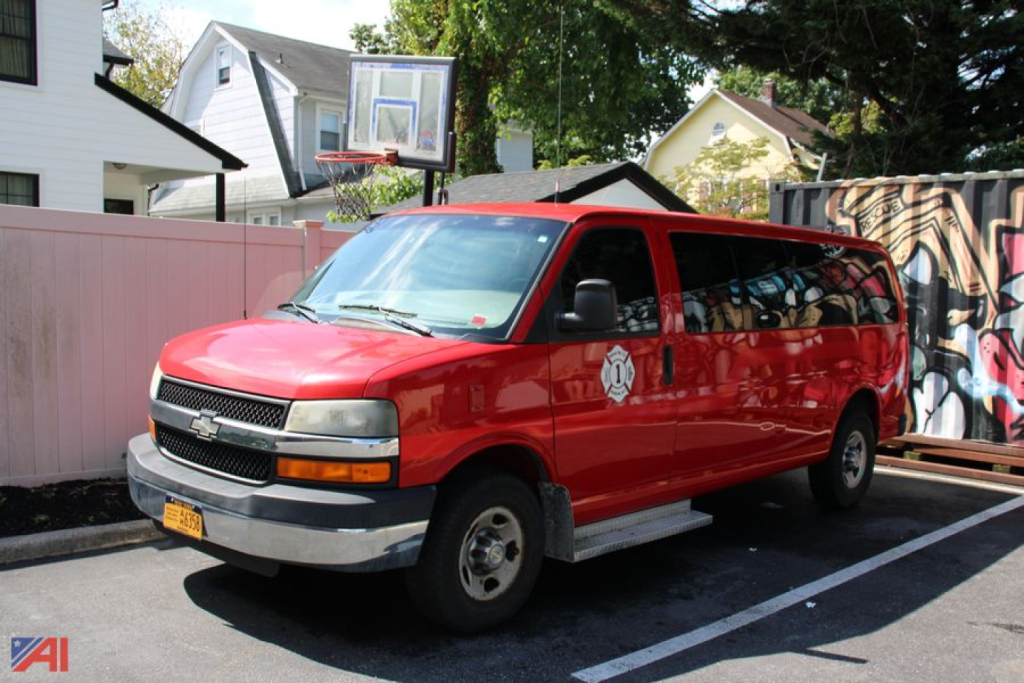
The Chevrolet Express Passenger Van is typically configured with multiple rows of bench seating and wide side access for loading and unloading groups. Common points to review include front and rear air conditioning performance, rear heat, seat condition, entry step height, visibility, and door operation. Powertrain choice matters too. Many Chevrolet passenger vans are equipped with gasoline V8 engines, and buyers often compare engine output, transmission behavior under load, maintenance history, and parts availability. For fleet use, a straightforward gas platform can be attractive because service is familiar to many shops and downtime is easier to manage. On older units, rust, underbody corrosion, brake line condition, and suspension wear deserve extra attention, especially in New York where winter road treatment can be hard on full-size vans.
A passenger van has different priorities than a cargo van or cutaway shuttle. Interior condition affects value because worn seating, damaged belts, broken trim, and inoperative HVAC can turn a low-priced van into a reconditioning project. Tire condition, rear axle behavior, steering play, and brake feel also matter more when the van regularly carries a full cabin. If the van will be used for airport runs, employee transport, non-emergency group movement, or community programs, buyers should confirm seating layout, access, legroom, and any state or local compliance requirements tied to passenger service. Some operators also look for towing capability, luggage space behind the rear seats, and rear visibility if the route includes tight drop-off areas.
For many buyers, the appeal of a Chevrolet passenger van is durability and simplicity. The platform is familiar, body parts and service knowledge are widespread, and the layout is easy to understand for drivers moving from pickups or box vans into group transport. A strong used unit should show consistent maintenance, clean operation from a cold start, stable tracking at highway speed, and an interior that has not been heavily abused. When comparing listings, focus on real-use factors such as seating count, service records, corrosion level, HVAC performance, and how the van was previously operated, because those details usually tell more than odometer reading alone.
Frequently Asked Questions about Chevrolet Passenger Van Trucks in New York
What should I check first on a used Chevrolet passenger van?
Start with seating capacity, wheelbase, rust condition, and maintenance records. On a Chevrolet Express Passenger Van, buyers should inspect underbody corrosion, rocker panels, brake lines, suspension components, door hinges, and HVAC operation for both front and rear passengers. Interior wear matters because replacing seats, belts, and trim can add cost quickly. A road test with attention to steering, braking, transmission shift quality, and highway stability is also important.
Is a Chevrolet Express Passenger Van good for shuttle and fleet use?
Yes. The Chevrolet Express Passenger Van is widely used in shuttle, church, municipal, hospitality, and institutional fleets because it offers straightforward mechanical systems, familiar service requirements, and full-size passenger capacity. It is especially practical for operators that want a traditional body-on-frame van with broad parts availability and service support. Buyers should still match the van to the route, passenger load, and storage needs before choosing a unit.
What matters most when comparing Chevrolet passenger van listings in New York?
In New York, corrosion and climate-related wear are major factors. Road salt can affect the frame, fuel and brake lines, exhaust, fasteners, and lower body panels, so a clean undercarriage can be more valuable than a lower odometer reading on a heavily rusted van. Buyers should also consider how the van was used, such as school support, hotel shuttle, church transport, or municipal duty, because stop-and-go service and frequent passenger loading create different wear patterns than light private use.
How is a passenger van different from a cargo van for commercial buyers?
A passenger van is designed around people capacity, comfort, and safe entry and exit, while a cargo van is designed around enclosed freight space. Chevrolet passenger vans typically include multiple seating rows, additional rear HVAC provisions, side and rear access considerations, and interior trim suited for occupants rather than freight. For a commercial buyer, that means inspection priorities shift toward seat condition, restraint systems, cabin airflow, and ride quality under passenger load.