
Chevrolet Passenger Van Trucks For Sale
Shop Chevrolet Passenger Van trucks with buyer-focused details on seating, wheelbase, GVWR, powertrains, rear HVAC, and shuttle use.
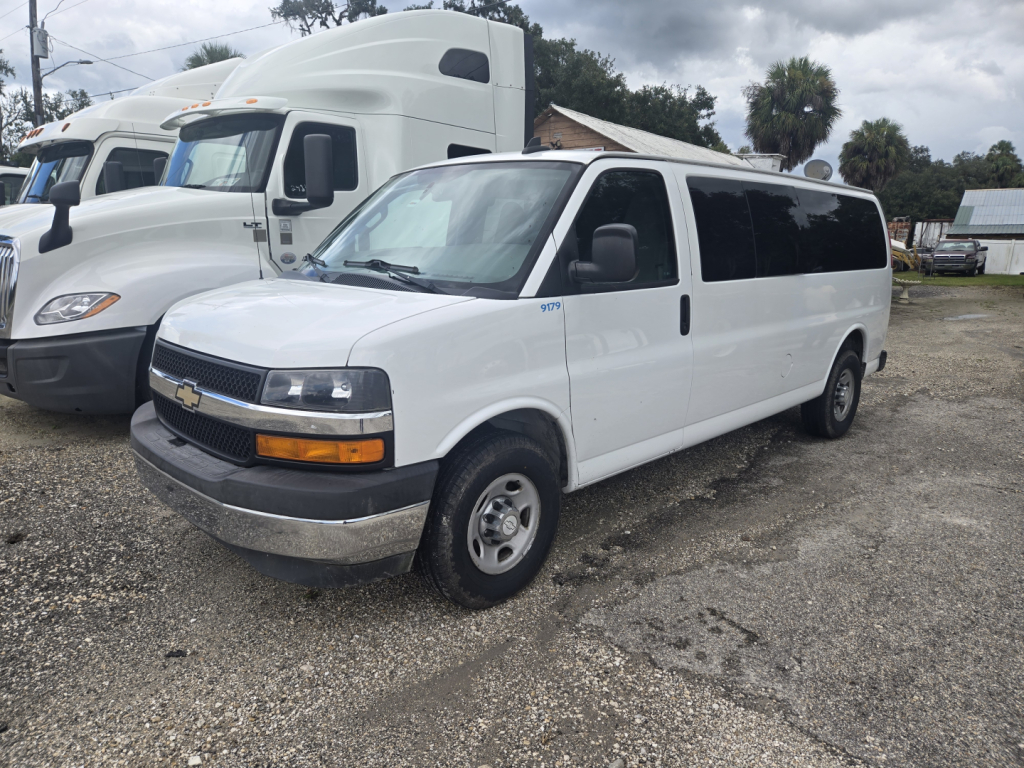
Selling a chevrolet passenger van truck? List your chevrolet passenger van truck for sale and reach thousands of commercial buyers.
Chevrolet Passenger Van Trucks
Powertrain and chassis decisions are important on Chevrolet passenger van trucks because these units often spend their lives in stop-and-go service. Many buyers look for GM V8 gas engines paired with automatic transmissions, along with a rear-wheel-drive layout that handles full passenger loads better than lighter-duty van platforms. Check GVWR, rear axle rating, brake condition, tire date codes, and service history, especially on vans used in municipal or institutional fleets. If the van will run daily routes, rear HVAC performance, front and rear A/C, heater output, and electrical condition should be inspected closely since passenger comfort drives uptime in this segment.
Interior configuration can make or break the right purchase. A Chevrolet passenger van may include cloth or vinyl seating, rear climate controls, tinted glass, overhead lighting, and extended wheelbase dimensions that improve legroom and luggage space. Buyers comparing listings should confirm the exact seat count, seat spacing, aisle access, and whether any seats have been removed or modified. Commercial operators should also verify ADA-related needs, child transport requirements, backup camera availability, and the condition of door hinges, step-in height, and floor coverings. These details affect safety, cleaning time, and how easily the van fits the job.
Chevrolet passenger vans hold their value because they are familiar to fleet technicians, parts support is strong, and the platform is straightforward to maintain. The best unit for the application depends less on trim level and more on route length, passenger count, idle time, and storage needs behind the last row. A buyer comparing Chevrolet passenger van trucks should look at operating history, rust exposure, suspension wear, and evidence of heavy shuttle use before focusing on cosmetics. A clean, properly serviced passenger van can be a practical people-mover for years if the chassis, climate systems, and seating layout match the work.
Frequently Asked Questions about Chevrolet Passenger Van Trucks
What should I look for first when buying a used Chevrolet passenger van?
Start with seating capacity, wheelbase, and service history. Then inspect the items that wear hardest in passenger service: transmission shift quality, brake condition, rear A/C performance, tire age, suspension wear, and the condition of seat mounts and door hardware. On a Chevrolet Express Passenger Van, these factors usually tell you more about long-term operating cost than cosmetic appearance alone.
How many passengers can a Chevrolet passenger van typically carry?
Most Chevrolet passenger vans in this class are configured for 12 or 15 passengers, depending on model year, wheelbase, and seating layout. Buyers should confirm the exact seat count in the listing because some fleet operators remove rear seats for cargo or equipment storage. It is also important to match the passenger count to GVWR, legal requirements, and the type of service the van will perform.
Is a Chevrolet passenger van a good choice for shuttle or church transport?
Yes, Chevrolet passenger vans are commonly used for church groups, hotel shuttles, airport support, adult care transport, and employee movement because they combine high seating capacity with familiar serviceability. The key is to match the van to the route. For short urban runs, maneuverability and door access matter most. For longer trips, rear climate control, seat comfort, ride quality, and luggage space become more important.
What mechanical issues are most important on an older Chevrolet Express passenger van?
Pay close attention to transmission operation, front-end wear, brake system condition, cooling system performance, and HVAC operation for both front and rear passengers. Passenger vans often spend time idling, carrying full loads, and making frequent stops, which can accelerate wear on suspension and climate components. Rust around rocker panels, door bottoms, underbody crossmembers, and step areas should also be checked carefully.
Are Chevrolet passenger vans easy to maintain compared with other people-moving vehicles?
In general, yes. Chevrolet passenger vans are popular in fleet use because parts availability is strong, most shops are familiar with the platform, and the driveline is less complex than many bus-style people movers. That does not eliminate the need for a careful inspection, but it does make the class attractive for buyers who want a practical van with broad service support and predictable maintenance needs.