
Mack Packer Trucks For Sale in New York
Mack packer trucks for sale in New York: compare loader styles, axle capacity and Mack cab layouts, then assess salt damage, hydraulics and emissions systems.
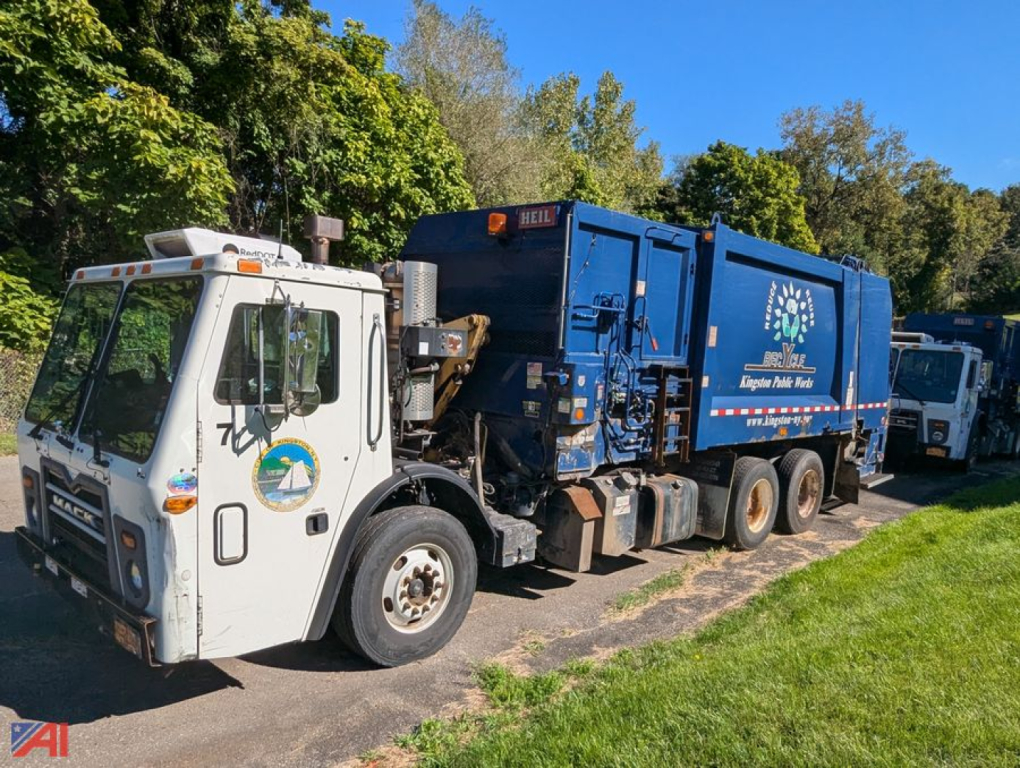
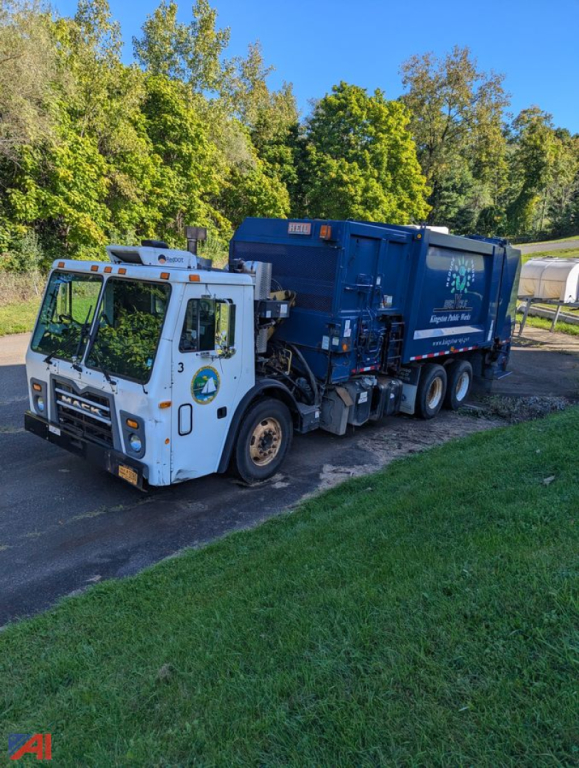
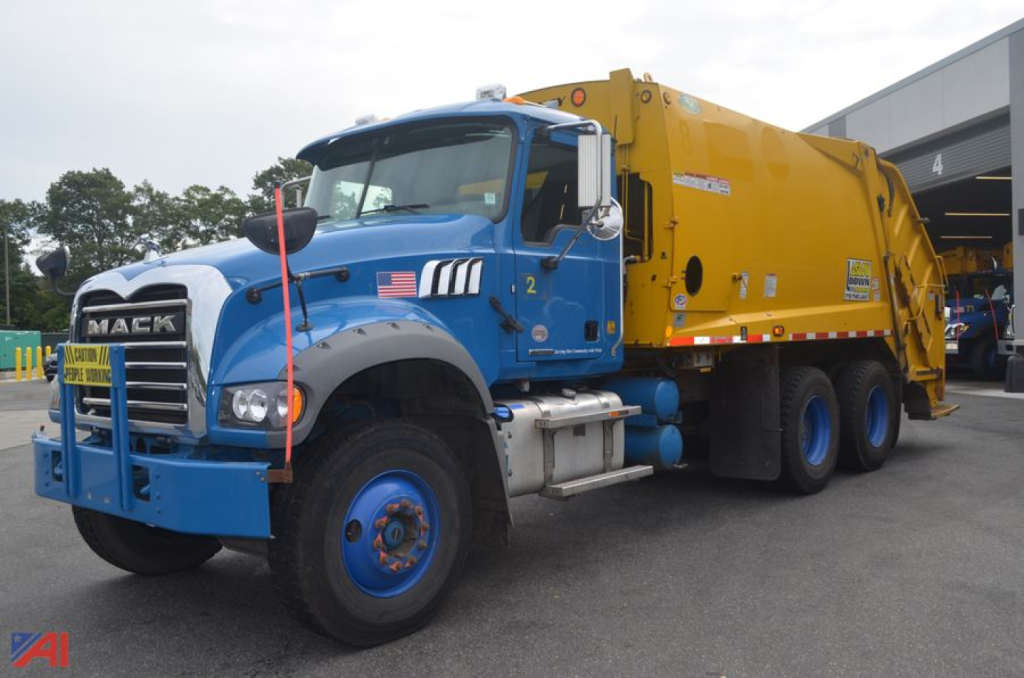
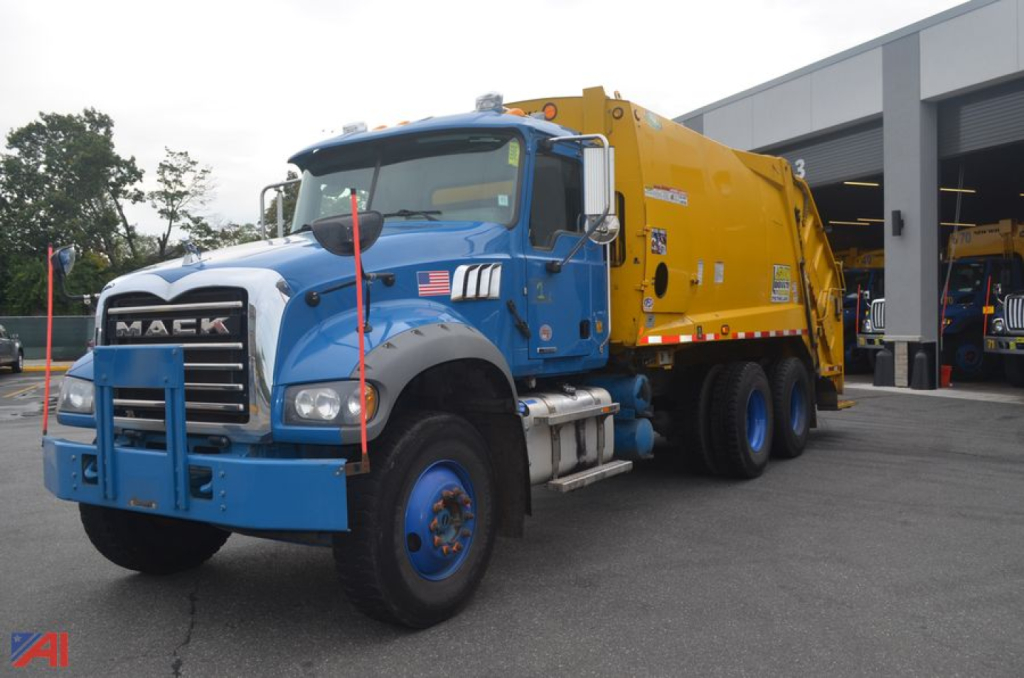
Selling a mack packer truck? List your mack packer truck for sale and reach thousands of commercial buyers.
Mack Packer Trucks in New York
Payload is limited by axle ratings and legal route weights, not just advertised body volume. New York City and Long Island collection routes favor maneuverability, while longer upstate runs put more emphasis on gearing, cooling and capacity between unloads. Compare wheelbase, turning clearance and loaded rear-axle weight. Inspect used trucks for salt damage at frame crossmembers, body mounts, brake plumbing and wiring connectors, then cycle the packer and ejector under load. Hydraulic leaks, worn hopper floors and cracked welds can outweigh an otherwise sound chassis.
For older diesel trucks, distinguish pre-DPF engines from 2007-emissions-era DPF systems and 2010-emissions-era SCR/DEF systems using the engine label. Review ECM hours, regeneration history and service records rather than mileage alone. Freeze-thaw operation makes hydraulic hoses, seals and cooling-system condition worth close attention. On new builds, specify loader compatibility, axle capacity and PTO requirements before ordering; confirm separate chassis and body warranty terms and whether the 12% federal excise tax applies to the qualifying new truck.
Frequently Asked Questions about Mack Packer Trucks in New York
Will an automated side-loader Mack packer work on narrow New York collection routes?
An automated side-loader Mack packer needs a clear curbside approach and sufficient arm clearance at each collection stop. Check the loader manufacturer's reach, lift rating and compatible cart sizes against the actual route. Parked cars, overhead branches, snowbanks and irregular cart placement can prevent automated pickup even where the truck itself fits. A rear loader may better suit routes requiring frequent hand collection.
How should I compare engine hours and mileage on a used Mack garbage truck?
Engine hours reveal stationary wear that mileage alone misses on a used Mack garbage truck. Divide odometer miles by engine hours to estimate average operating speed, then review available idle and PTO-hour data against the reported duty cycle. Request a diagnostic report showing active faults and derate history, and reconcile the readings with maintenance records. Low mileage does not establish low engine or hydraulic-system wear.
Do I need a CDL to drive a Mack packer in New York?
A single Mack packer with a GVWR of 26,001 pounds or more normally requires a Class B CDL in New York. The driver must also qualify to operate air-braked equipment without an air-brake restriction. Towing a trailer rated above 10,000 pounds can require a Class A CDL instead. Confirm the vehicle ratings, combination configuration and any applicable exemption before assigning a driver.
Can a Mack packer operate in New York at its full GVWR?
A Mack packer's GVWR does not authorize that weight on New York roads. Compare actual axle scale weights against the registered weight, applicable axle and bridge limits, and posted restrictions along the collection and disposal route. A refuse truck can remain below GVWR yet overload one axle, particularly with wet, dense material. Do not assume any municipal exemption also covers private hauling.