
Peterbilt Other Trucks For Sale in New York
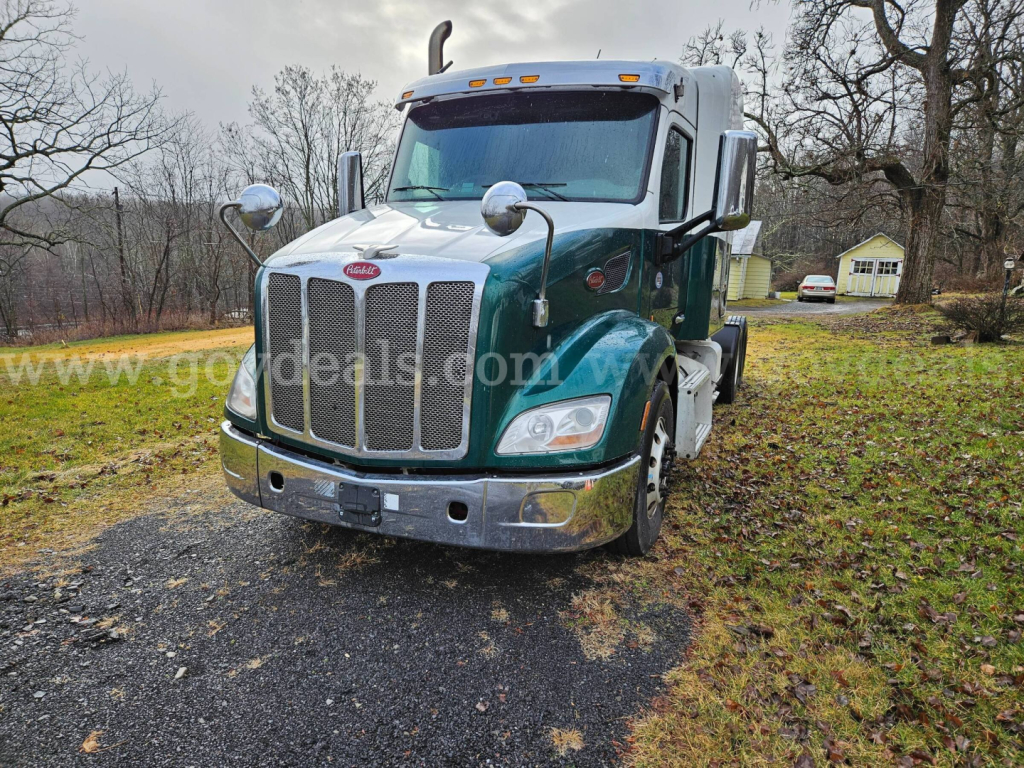
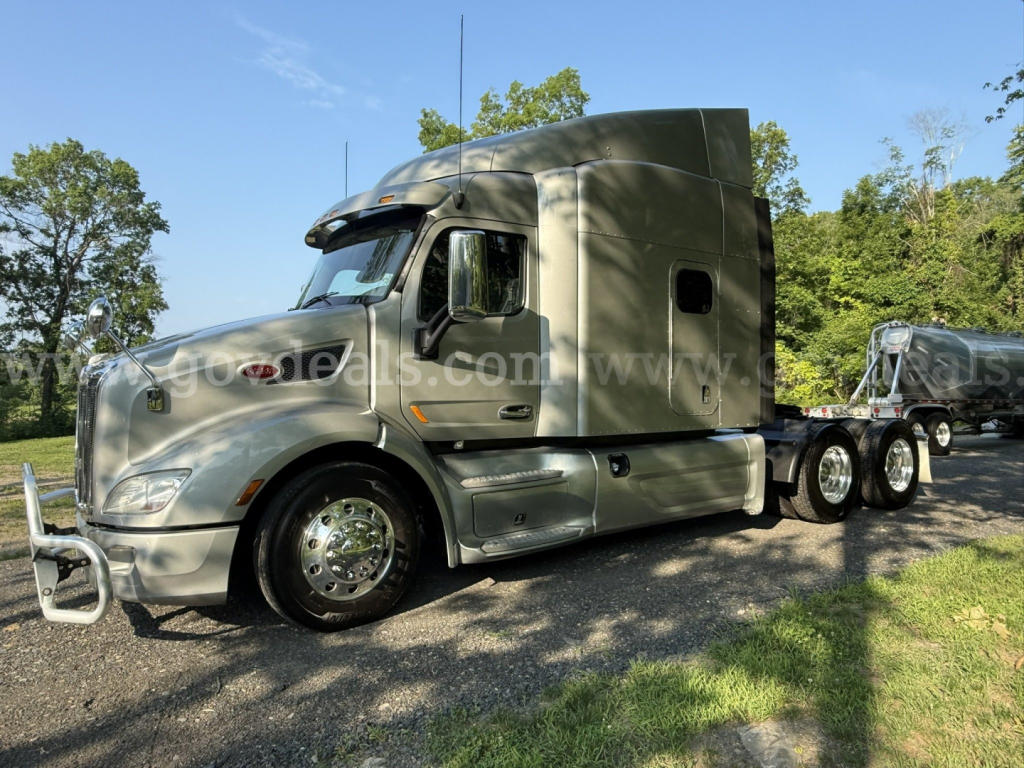

Have peterbilt other truck to sell? List it here to reach thousands of buyers.
Peterbilt Other Trucks in New York
Powertrain details matter more in this category because the equipment can vary so much from one truck to the next. Many Peterbilt trucks in this range carry PACCAR MX or Cummins diesel engines, with horsepower often landing anywhere from the mid-300s to 500-plus depending on whether the truck was spec'd for regional hauling, vocational work, or heavier highway use. Manual 10-speed transmissions are common on older units, while automated manuals show up on later trucks. Rear axle ratio, engine brake, suspension type, and fuel capacity all affect how the truck will perform in New York traffic, on upstate grades, or in stop-and-go vocational service. If the listing is light on detail, confirm GVWR, engine model, emissions system status, and whether the truck has a wet kit, PTO, lift axle, or other application-specific equipment.
Cab and chassis condition should be checked just as closely as the drivetrain. Peterbilt trucks are known for durable interiors and solid resale value, but on used specialty units the frame, crossmembers, wiring, and body integration can tell you more than the paint. Look for signs of corrosion from Northeast winters, especially around the battery box, cab mounts, suspension hangers, brake components, and any added equipment brackets. On trucks with custom bodies or vocational attachments, inspect hydraulic lines, PTO engagement, lighting circuits, and clearance around the frame rails. If the truck started life as a highway tractor and was later converted, pay attention to wheelbase changes, fifth wheel removal, and any modifications that affect registration or load distribution.
For buyers comparing Peterbilt other trucks for sale in New York, the best unit is usually the one with the clearest spec sheet and the least guesswork. A truck with a proven engine platform, documented maintenance, sensible axle ratio, and a configuration that fits your route or trade will generally outperform a cheaper truck with unclear history. If the model is something like a Peterbilt 386 or another unit listed outside a standard category, treat it like a chassis-plus-application purchase. Confirm how it was used, what it is equipped to do today, and what it would cost to put it directly into service.
Frequently Asked Questions about Peterbilt Other Trucks in New York
What is included in the Peterbilt other trucks category?
This category typically includes Peterbilt trucks that are specialty-built, custom-bodied, vocationally equipped, or simply listed outside a more standard class such as sleeper, day cab, dump, or box truck. It can also include older tractors, unusual chassis configurations, and trucks with application-specific equipment. Because the category is broad, buyers should verify the truck’s exact intended use, axle setup, body type, and registration class before making comparisons.
What specs matter most when buying a used Peterbilt other truck?
The most important specs are the ones tied directly to the truck’s actual job. Start with engine make and horsepower, transmission type, rear axle ratio, axle ratings, wheelbase, suspension, and GVWR. Then confirm any equipment that makes the truck vocationally useful, such as a PTO, wet kit, lift axle, hydraulic package, or custom body integration. On a used truck, maintenance history and evidence of proper upfitting are often just as important as the published specifications.
Are Peterbilt other trucks good for vocational work in New York?
They can be, provided the truck was spec'd correctly for the application and has held up well in Northeast conditions. New York buyers should pay close attention to frame corrosion, brake and suspension wear, wiring condition, and any rust around body mounts or added equipment. A Peterbilt with the right gearing, engine brake, and axle capacity can handle regional routes, municipal work, construction support, or specialized hauling, but the truck needs to match the duty cycle.
How do I evaluate a Peterbilt 386 or similar model listed in the other trucks category?
Treat it as a complete operating package instead of relying on the category label alone. Confirm whether it is configured as a highway tractor, converted chassis, or specialty-use truck. Review the engine model, horsepower, transmission, rear ratio, emissions components, and any changes made to the frame or drivetrain. If the truck has been modified from its original configuration, check that the work was done cleanly and that the current setup still fits your legal, operational, and maintenance requirements.
Why does rear axle ratio matter on a used Peterbilt truck?
Rear axle ratio has a direct effect on launch feel, cruise RPM, gradeability, and fuel economy. A numerically lower ratio can favor highway efficiency, while a higher ratio usually helps with heavier starts and more demanding vocational work. On a used Peterbilt, the ratio should make sense for the engine, transmission, tire size, and the truck’s intended payload or route. A mismatch can leave you with a truck that feels underpowered in service or inefficient on the road.