
Other Trucks For Sale in Georgia
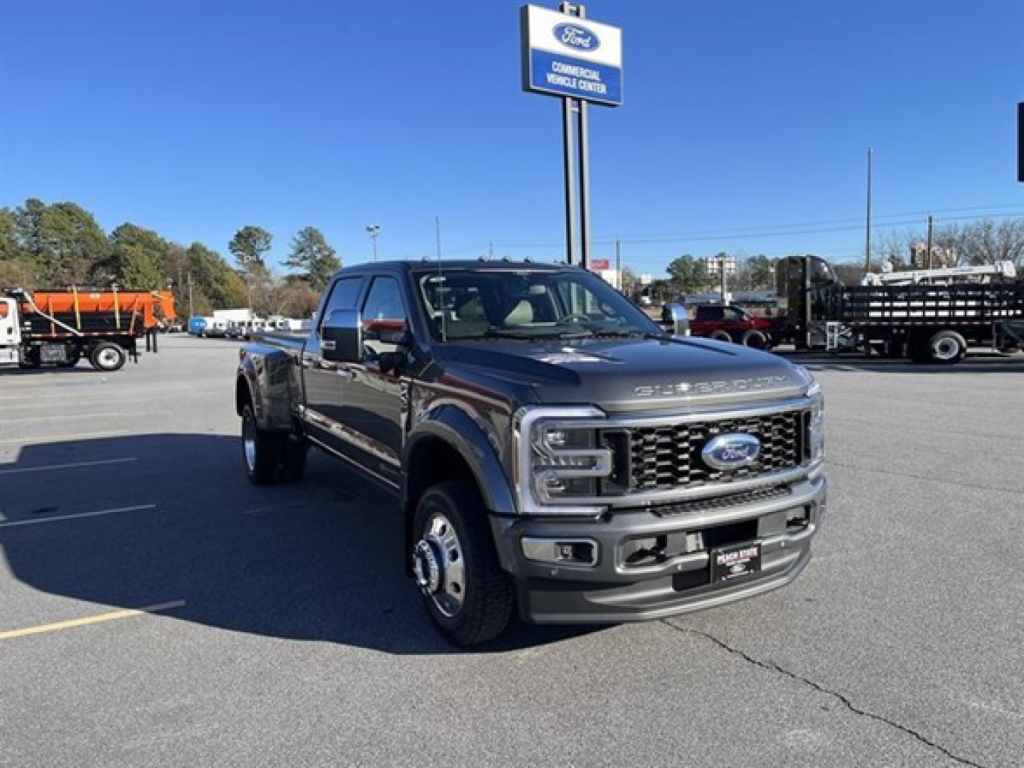
Have other truck to sell? List it here to reach thousands of buyers.
Other Trucks in Georgia
The first buying decision is usually the upfit, not just the cab and chassis. On specialty trucks, the value is often tied to the spreader body, tank, hydraulic system, PTO operation, hoist, plow mount, control package, or utility equipment already installed. Older trucks can still make sense if the chassis is sound and the mounted gear is functional, especially for seasonal or backup fleet use. Check axle ratings, wheelbase, frame condition, brake type, transmission, and engine parts support before focusing on appearance. For municipal and job-purpose trucks, corrosion around the body, crossmembers, hopper, cab corners, and electrical connections matters more than paint.
Georgia buyers should also think about how a specialty truck will be used outside its original application. A former salt truck, for example, may be repurposed for sand, aggregate, fertilizer, seed, or site material spreading depending on body design and conveyor condition. Some units are best suited for private property maintenance, plant work, or low-mileage local routes rather than daily highway service. If the truck is older, inspect service records, cold-start behavior, steering play, hydraulic leaks, and the condition of wear components such as chains, augers, spinner assemblies, pumps, and control valves. Registration class, CDL requirements, and local road use should also be confirmed before purchase.
This category is worth a close read because the best truck is usually the one that matches the task with the fewest modifications. Specialty trucks can offer strong value when the body, PTO-driven systems, and chassis specs line up with the work you need done. Buyers comparing listings should pay attention to GVWR, drivetrain, suspension, cab style, fuel type, and the availability of replacement parts for both the truck and its installed equipment. On an uncommon vocational truck, fit-for-purpose matters more than nameplate alone.
Frequently Asked Questions about Other Trucks in Georgia
What is included in the “other trucks” category?
The “other trucks” category typically includes specialty and vocational units that do not fit standard marketplace classes such as dump trucks, day cabs, sleepers, box trucks, or flatbeds. Examples include salt trucks, municipal service trucks, utility-body trucks, airport support vehicles, and other purpose-built chassis with mounted equipment. The key factor is the truck’s specialized application rather than a conventional body style.
What should I inspect first on a specialty truck like a salt truck?
Start with the mounted equipment and the chassis condition together. On a salt truck, inspect the hopper or spreader body, conveyor or auger system, spinner assembly, hydraulic pump, PTO engagement, controls, wiring, and any plow mounts. Then inspect the frame, cab, brakes, suspension, driveline, and rust-prone areas. Corrosion is especially important because material-spreading trucks often see harsh operating conditions that can damage metal, wiring, and hydraulic components.
Are older specialty trucks still worth buying?
Older specialty trucks can still be a practical purchase if they are being used for seasonal, municipal, farm, industrial, or backup-duty work. The main question is not just age but whether the truck starts reliably, the drivetrain is serviceable, and the mounted equipment still performs the intended job. Parts availability, brake system type, tire condition, hydraulic health, and structural rust should carry more weight than cosmetic condition on a purpose-built truck.
Can a former salt truck be used for other work in Georgia?
Yes, some former salt trucks can be repurposed for spreading sand, gravel, fertilizer, seed, or similar materials, depending on the body design and material delivery system. The suitability depends on hopper condition, chain or auger wear, spinner operation, and how easily the unit can be cleaned and maintained. Buyers should confirm that the spreader setup matches the material they plan to handle and that the truck’s axle ratings and local operating requirements fit the intended use.
Why does configuration matter more than brand in this category?
Configuration matters more because specialty trucks are bought to perform a narrow task, and the installed equipment often determines the truck’s real value. A well-matched chassis, correct wheelbase, proper axle capacity, working PTO system, and functional body or spreader package can be more important than the badge on the hood. Buyers usually save time and money when they choose a truck whose current setup already matches the job instead of planning a major conversion after purchase.