
New Commercial Trucks For Sale in Indiana
Shop new trucks for sale in Indiana, including box trucks, cab chassis, and work trucks with modern drivetrains and factory warranty coverage.
Selling a new commercial truck? List your new commercial truck for sale and reach thousands of commercial buyers.
New Commercial Trucks in Indiana
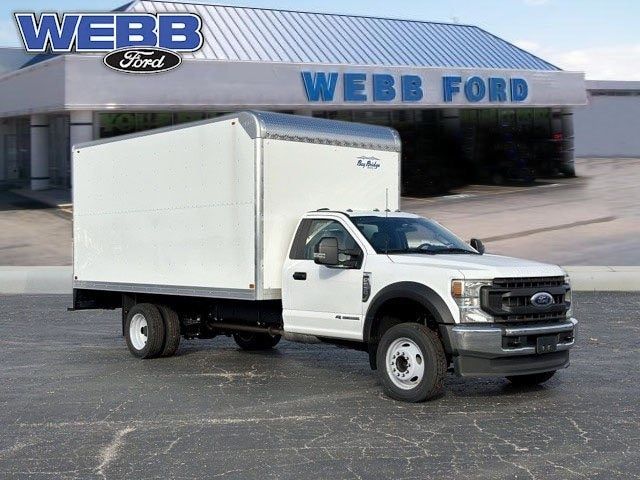
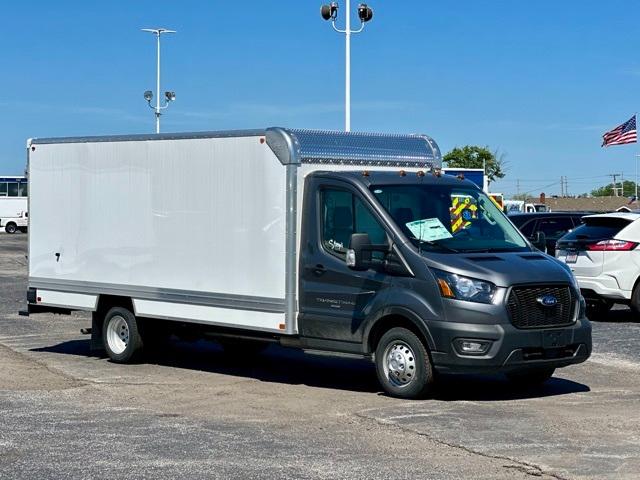
Box trucks are one of the most common configurations in this category, also known as dry vans or dry freight trucks depending on body design and use case. Popular sizes include 14-foot, 16-foot, 18-foot, and 26-foot bodies, with cutaway-based units common in lighter GVWR classes and F-550, 5500, and similar chassis common when more payload and durability are required. Important details include wheelbase-to-body compatibility, rear roll-up versus swing doors, cargo tie rails, interior liner material, floor construction, and liftgate prep. On urban Indiana routes, a shorter wheelbase can improve maneuverability in tight docks and city streets, while a heavier chassis with 19.5-inch rubber and a diesel engine may make more sense for dense payloads and higher annual mileage.
Powertrain and operating cost matter as much as purchase price on a new truck. Gas engines on lighter platforms can be a strong fit for local stop-and-go service because acquisition cost is lower and service access is broad. Diesel-powered medium-duty trucks typically make more sense when the truck will carry heavier loads, run long hours, or support PTO and vocational use. Buyers should compare transmission calibration, rear axle ratio, fuel tank size, brake type, and available driver-assist features such as ABS, cruise control, power mirrors, and upfitter switches. Factory warranty coverage is a real advantage in the new truck segment, especially for fleets trying to control downtime and budget early-life maintenance.
Indiana buyers also tend to look closely at rust prevention, cold-weather starting, and the practicality of the body spec for Midwest freight and service work. A truck that looks right on paper can still be wrong if the cargo box height limits dock access or if the GVWR leaves too little margin once shelving, tools, or liftgate weight are added. The best new truck choice is the one with enough chassis capacity, the right body length, and a cab layout that supports the route, driver turnover, and service interval strategy. When comparing listings, pay close attention to GVW or GVWR, engine family, transmission type, wheelbase, box dimensions, and any factory or body-builder warranty that affects long-term ownership cost.
Frequently Asked Questions about New Commercial Trucks in Indiana
What should I look for first when comparing new trucks for sale in Indiana?
Start with GVWR, body style, and intended use. Those three factors determine payload capacity, CDL implications in some cases, upfit compatibility, and long-term operating cost. For example, a light-duty cutaway box truck may be ideal for parcel or furniture delivery, while a heavier F-550 or similar chassis is better suited for dense freight, contractor equipment, or repeated high-load cycles. After that, compare wheelbase, engine type, transmission, axle ratio, and cargo body dimensions.
Is a gas or diesel engine better for a new commercial truck?
Gas engines are often the better fit for lighter local-delivery trucks because initial cost is lower, emissions systems are simpler, and service support is widely available. Diesel engines usually make more sense when the truck will carry heavier payloads, accumulate high annual mileage, or operate in a more demanding vocational role. The right choice depends on route length, idle time, loaded weight, and how long the truck is expected to stay in service.
What body size is most common for a new box truck?
Common box truck lengths include 14 feet, 16 feet, 18 feet, and 26 feet, but the right size depends on cube requirements, dock access, and chassis rating. A 16-foot box is a popular middle-ground option for local delivery because it balances cargo space with maneuverability. Larger bodies increase cubic capacity, but they also affect turning radius, payload, and the truck's suitability for urban streets, alleys, and tight customer locations.
Why does wheelbase matter on a new straight truck or box truck?
Wheelbase affects turning radius, ride quality, body fitment, and weight distribution. A truck with the correct wheelbase for the body length will generally handle better and maintain more predictable axle loading. Too short a wheelbase can limit body choices and create balance issues, while too long a wheelbase can make city delivery work more difficult. This is especially important in Indiana markets where trucks may see a mix of downtown routes, industrial parks, and highway miles.
Does factory warranty make a big difference on a new truck purchase?
Yes. Factory warranty coverage can significantly reduce early ownership risk, especially for fleets that depend on predictable uptime. New truck buyers should review powertrain coverage, bumper-to-bumper terms where applicable, corrosion coverage, and any separate warranty provided by the body manufacturer or upfitter. Warranty support matters most when the truck is expected to stay on a daily route schedule and unplanned downtime directly affects revenue.