
Used New Flyer Trucks For Sale in New York
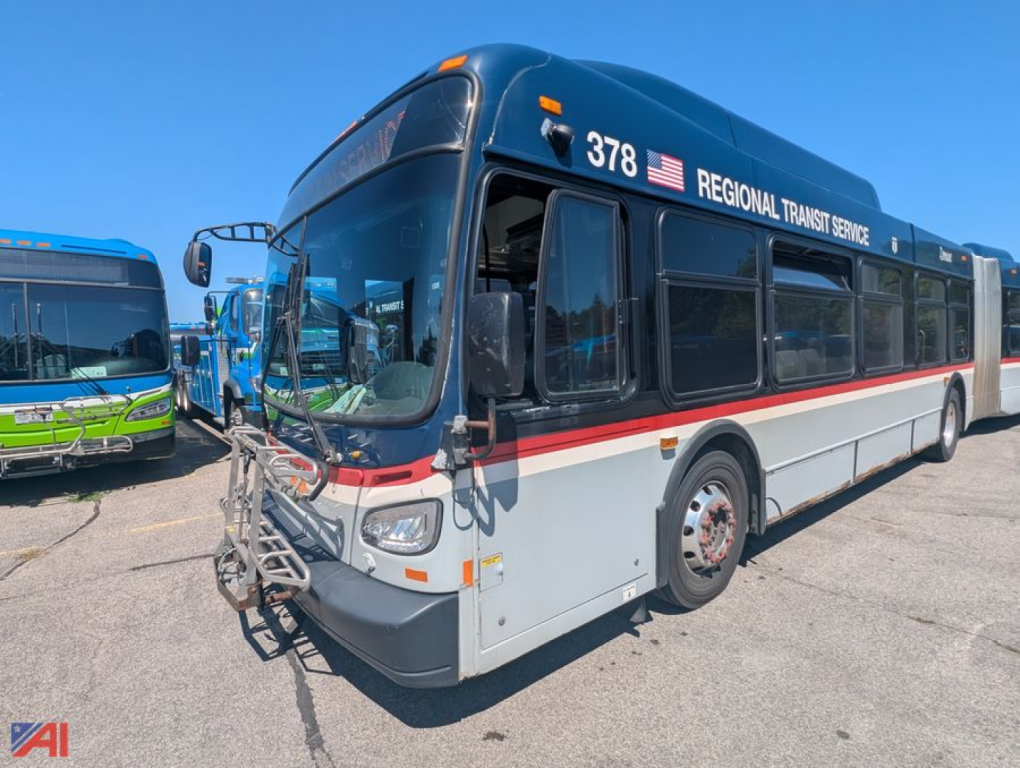
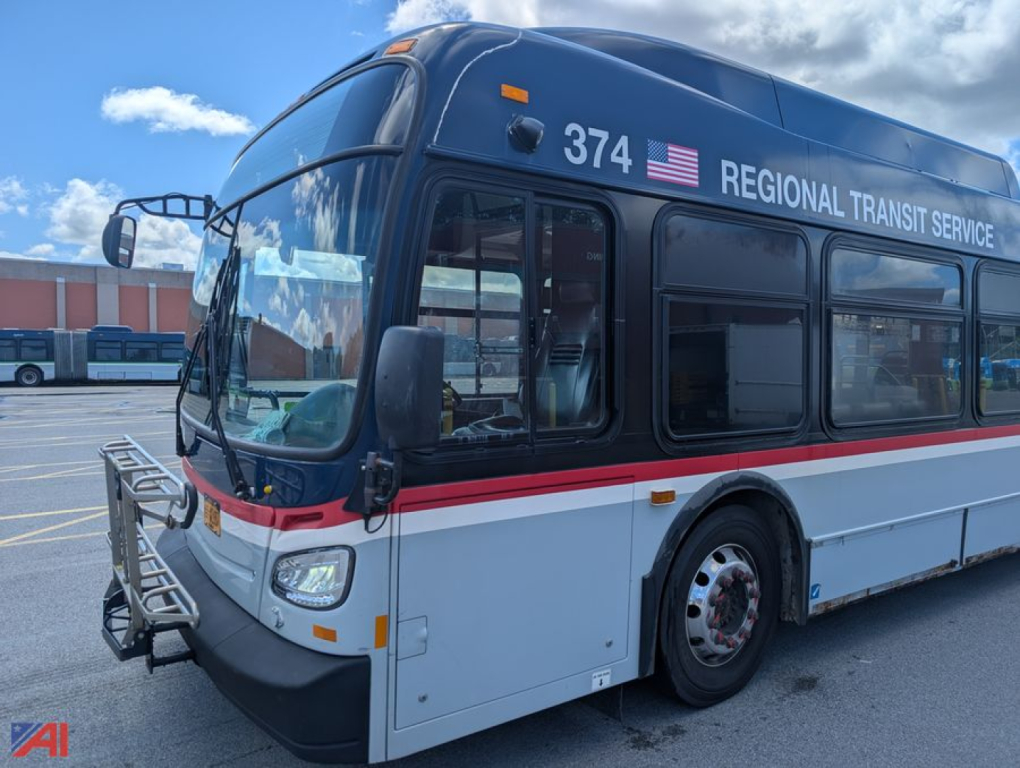
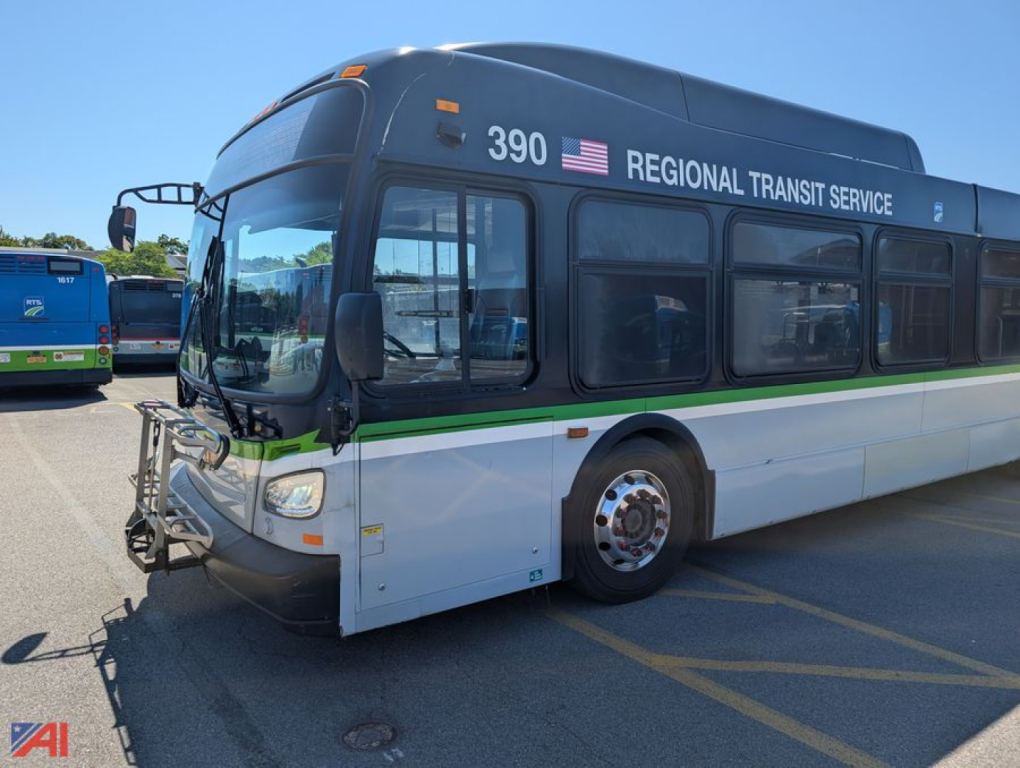
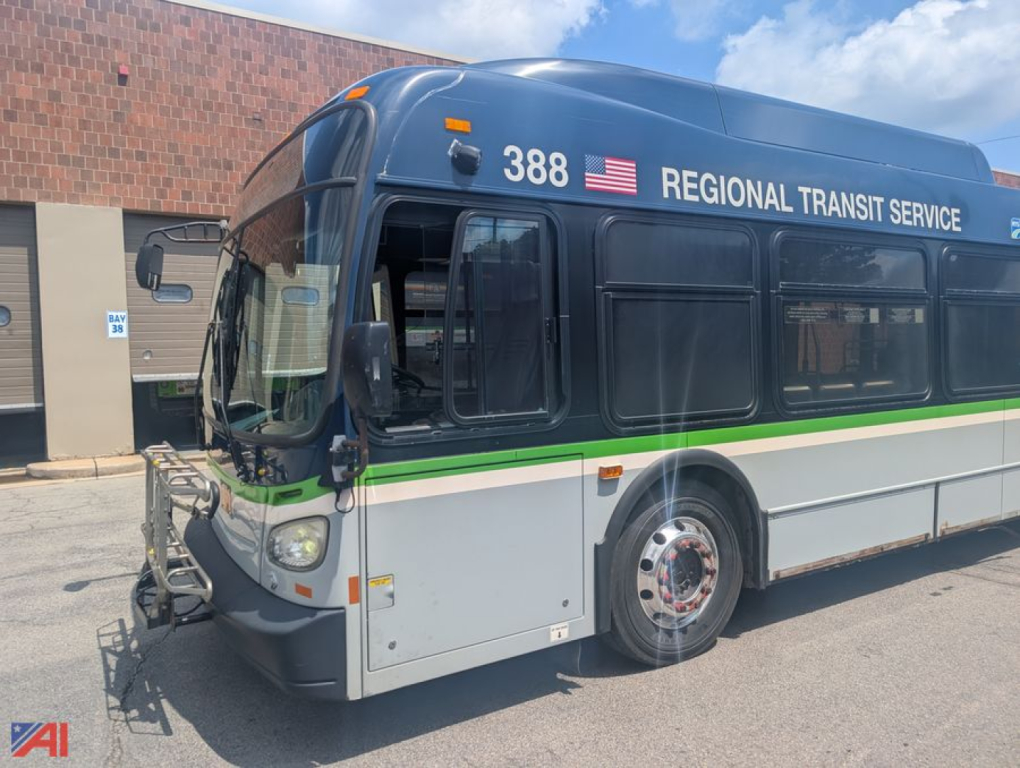
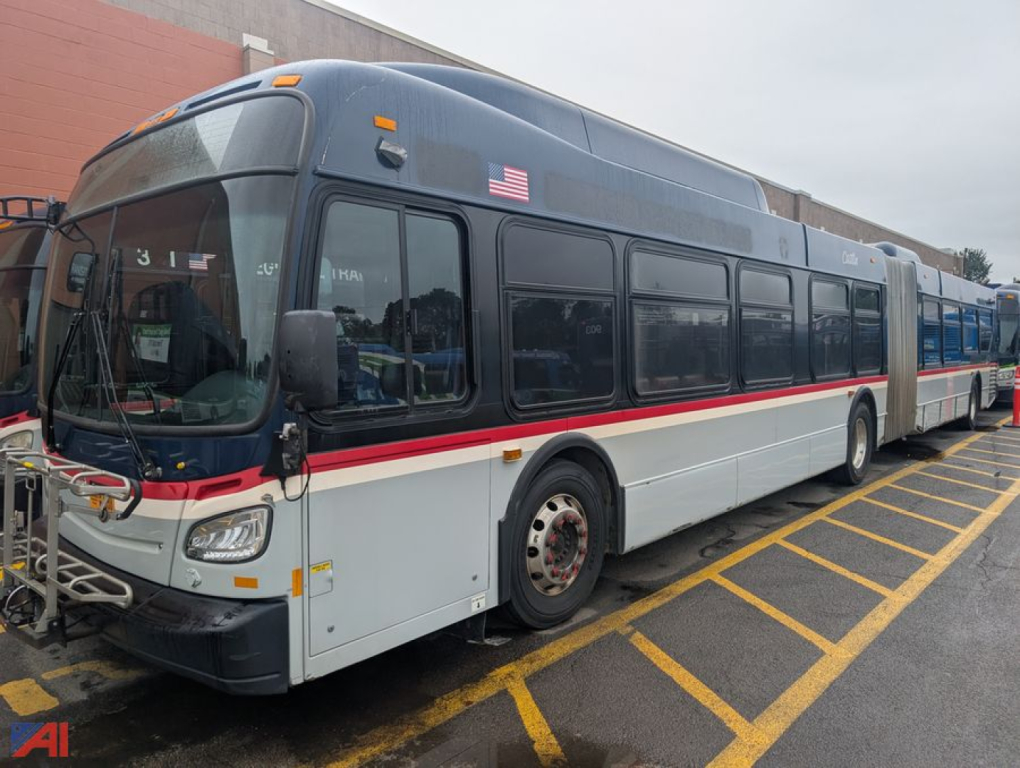
Have used new flyer truck to sell? List it here to reach thousands of buyers.
Used New Flyer Trucks in New York
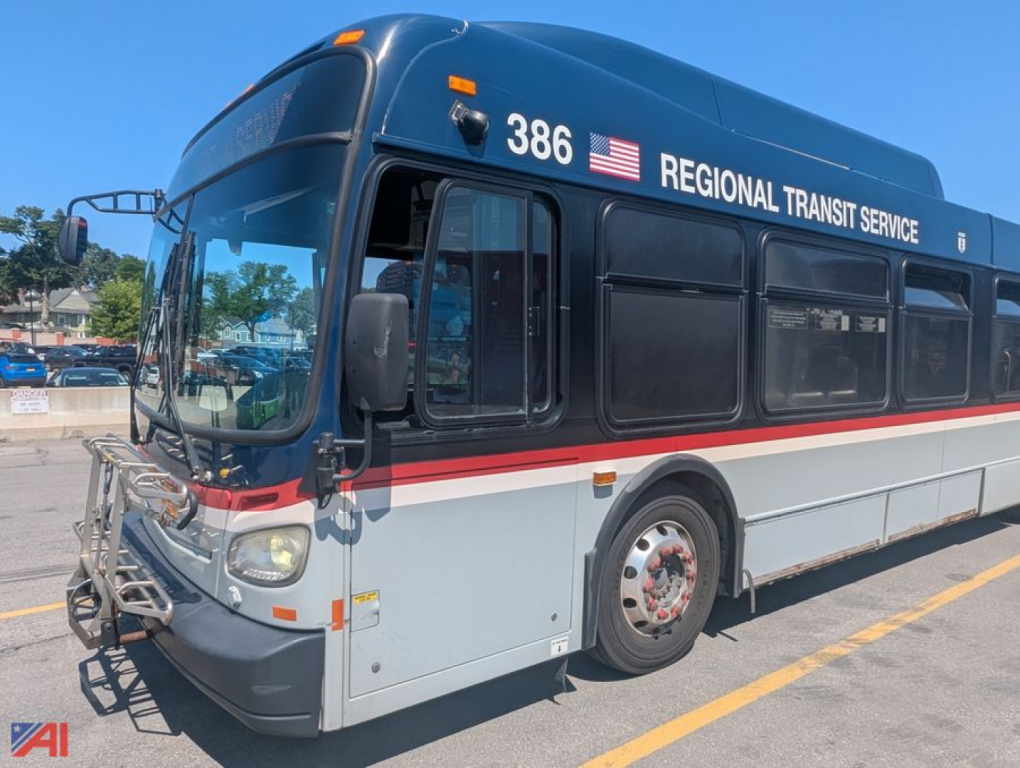
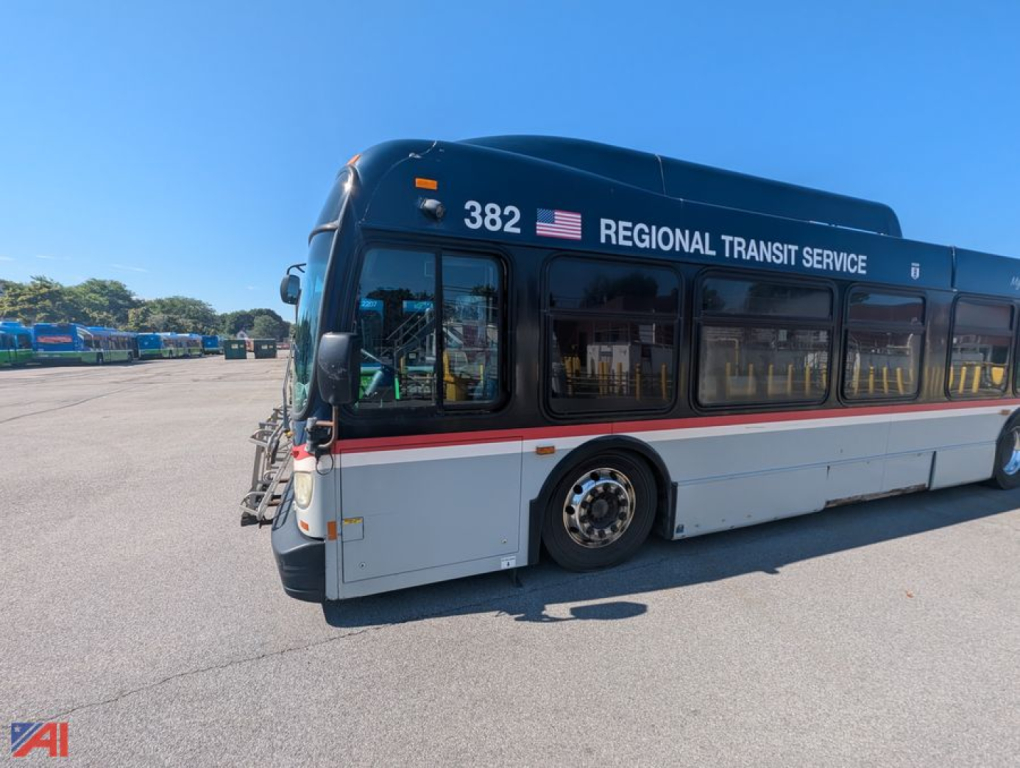
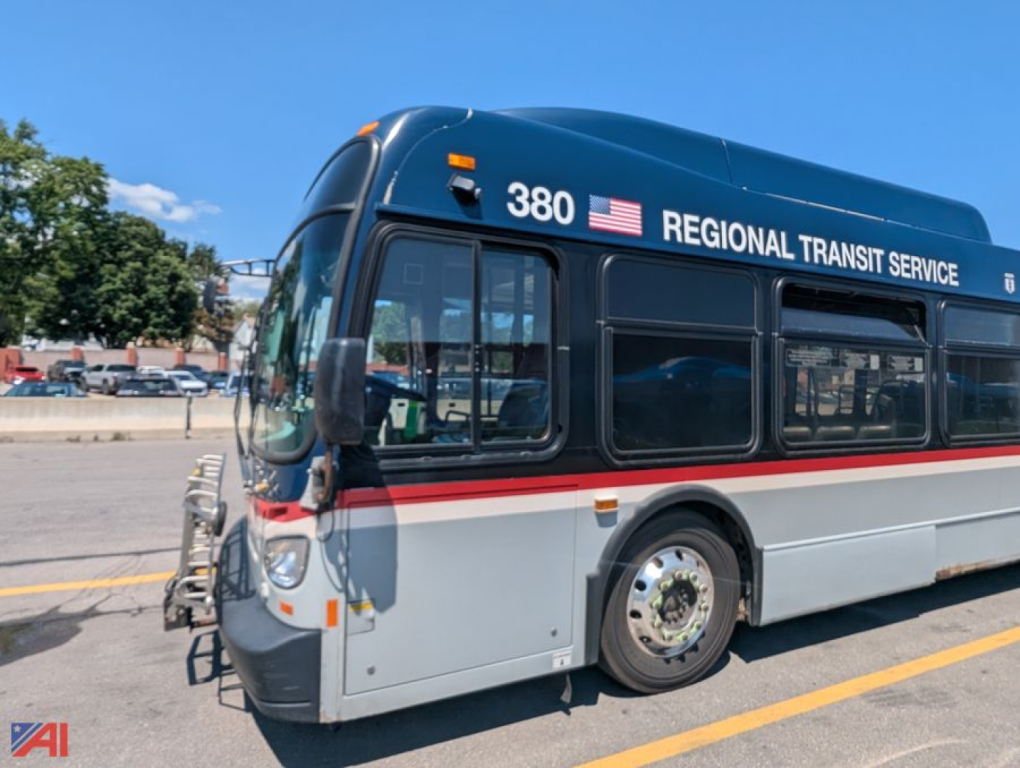
Powertrain and emissions spec matter more here than cosmetic condition. New Flyer units are commonly found with diesel, CNG, hybrid, or battery-electric platforms depending on the model year and fleet they came from. In the used market, diesel models such as the Xcelsior diesel series are often the most straightforward to place back into service because fueling and technician support are more widely available. CNG and hybrid units can make sense for the right operation, but buyers need to confirm tank age, battery system condition, emissions equipment history, and the availability of technicians familiar with the platform. For New York use, rust, corrosion, and underbody condition deserve close attention because transit fleets see year-round operation in road salt.
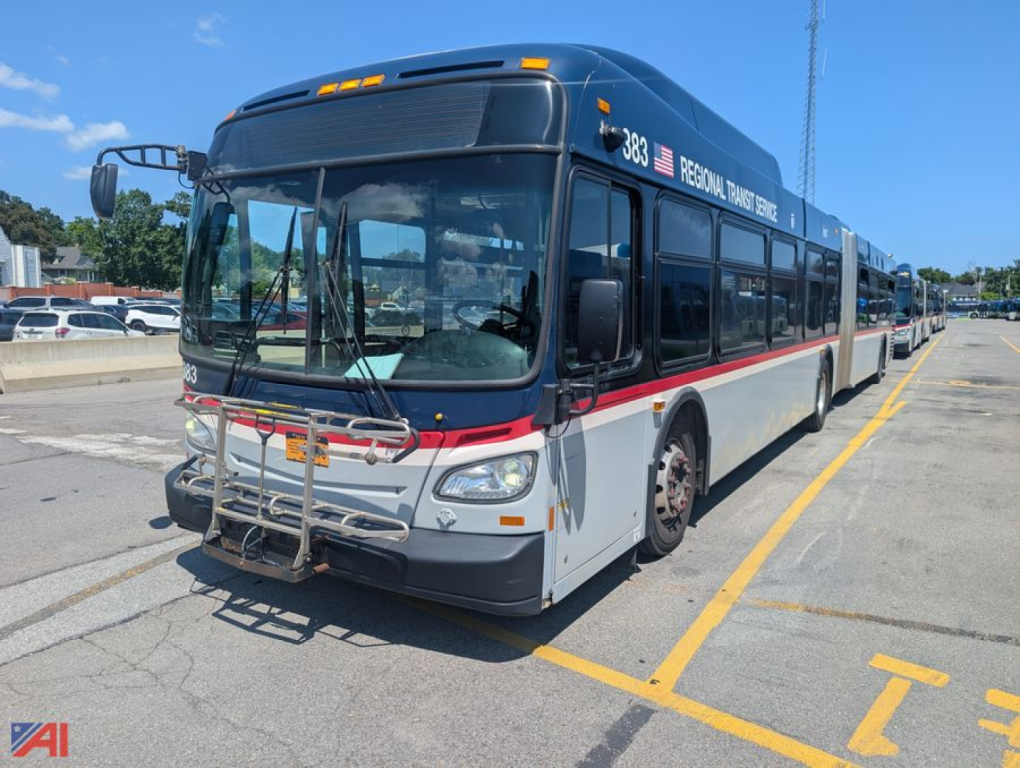
A used New Flyer should be evaluated like a fleet asset, not just a vehicle. Service records, engine hours, idle hours, transmission history, suspension wear, brake system condition, HVAC performance, kneeling function, and wheelchair ramp operation all affect real cost after purchase. On articulated buses, inspect the joint, bellows, center axle components, and steering-related wear points. Interior condition also matters because seat frames, flooring, stanchions, doors, and driver compartment equipment take constant passenger-service abuse. If the bus is being repurposed for private shuttle, employee transport, mobile services, or conversion work, check overall dimensions, door layout, seating configuration, and parts support before committing.
New Flyer remains a recognized name in heavy-duty transit because these buses are built for intensive stop-and-go service and long fleet life when maintained correctly. That makes them attractive on the secondary market for transit agencies, universities, airports, contractors, and specialized operators that need high passenger capacity more than cargo capability. The best used unit is usually the one with clear maintenance documentation, a powertrain your shop can support, and a configuration that matches route density, passenger turnover, and local regulatory requirements.
Frequently Asked Questions about Used New Flyer Trucks in New York
What is a New Flyer vehicle typically used for in the used market?
A used New Flyer is typically used for public transit, employee transportation, airport shuttle service, campus circulation, parking shuttle routes, and other high-passenger-volume applications. These are heavy-duty transit buses designed for repeated stop-and-go duty, fast boarding, ADA accessibility, and long daily operating cycles rather than freight hauling.
What should I inspect first on a used New Flyer bus?
Start with maintenance records, powertrain type, emissions system history, corrosion level, and the condition of major transit-specific systems. Buyers should verify engine and transmission service history, brake and suspension wear, HVAC operation, wheelchair ramp function, door cycles, kneeling system performance, and any fault codes stored in the vehicle. On articulated units, the center joint and related components need especially careful inspection.
Are articulated New Flyer models like the XD60 harder to operate and maintain?
Articulated New Flyer buses can deliver excellent passenger capacity, but they require more attention than standard 35-foot or 40-foot units. The articulation joint, center axle area, added length, and route constraints all affect maintenance and daily operation. They are best suited to fixed routes, larger terminals, and operators with enough yard space, technician familiarity, and parts planning to support the extra complexity.
Which powertrain is usually easiest to own in a used New Flyer?
Diesel is often the easiest powertrain to place into secondary service because fueling access, technician support, and parts familiarity are typically broader than with CNG, hybrid, or battery-electric platforms. That said, the best choice depends on the operation. A buyer with existing CNG infrastructure or hybrid-trained technicians may find a well-documented alternative-fuel unit to be a strong fit if the major components test well.
Why do New York buyers need to pay close attention to corrosion on used transit buses?
Transit buses in New York often operate year-round in wet, salted conditions, so corrosion can affect the frame, suspension mounts, brake lines, underbody structures, electrical connections, and body panels. Surface rust is common, but structural corrosion and neglected underbody deterioration can turn an affordable purchase into a costly rebuild. A thorough inspection underneath the bus is essential before purchase.