
New Flyer Trucks For Sale
Have new flyer truck to sell? List it here to reach thousands of buyers.
New Flyer Trucks
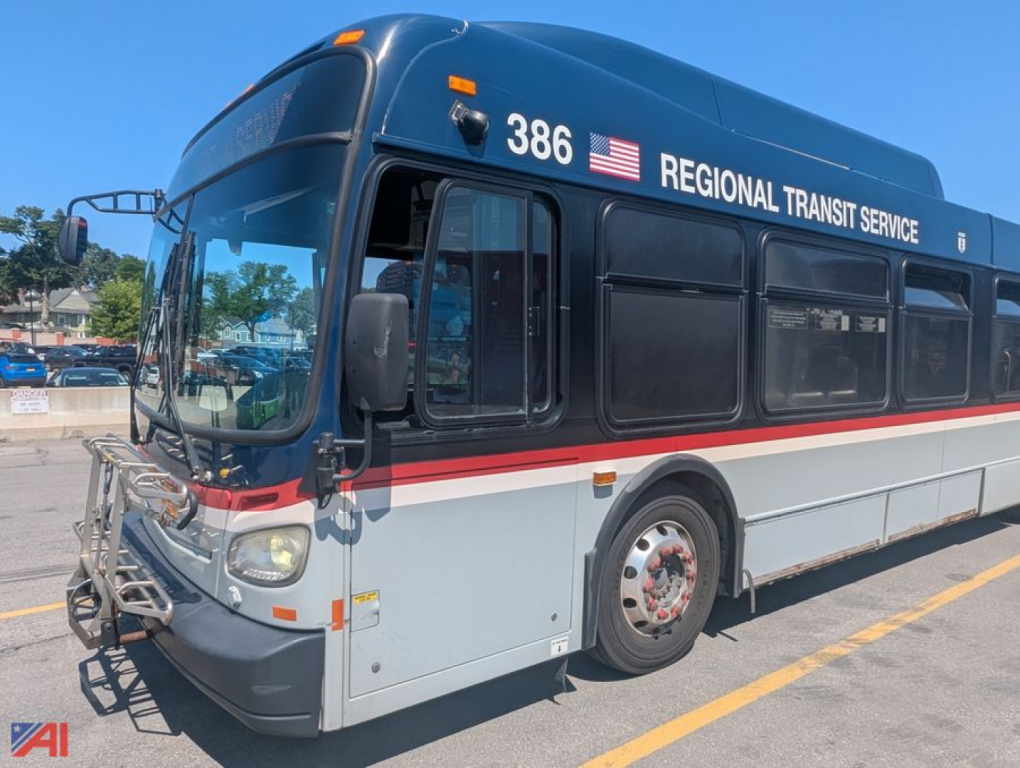
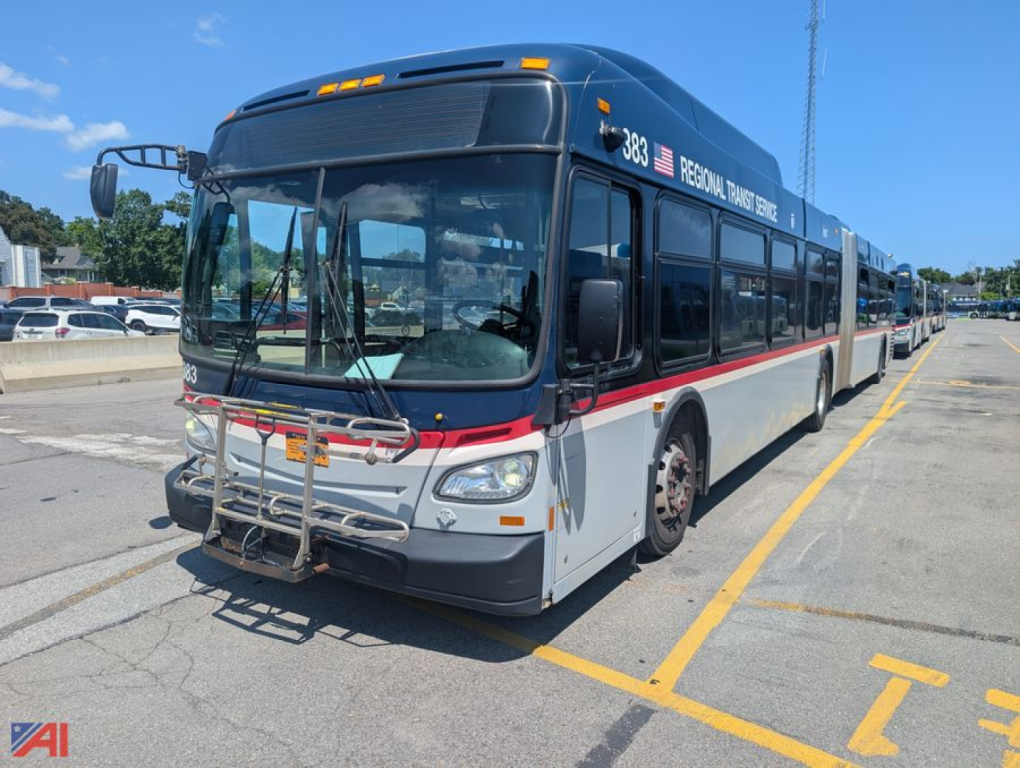
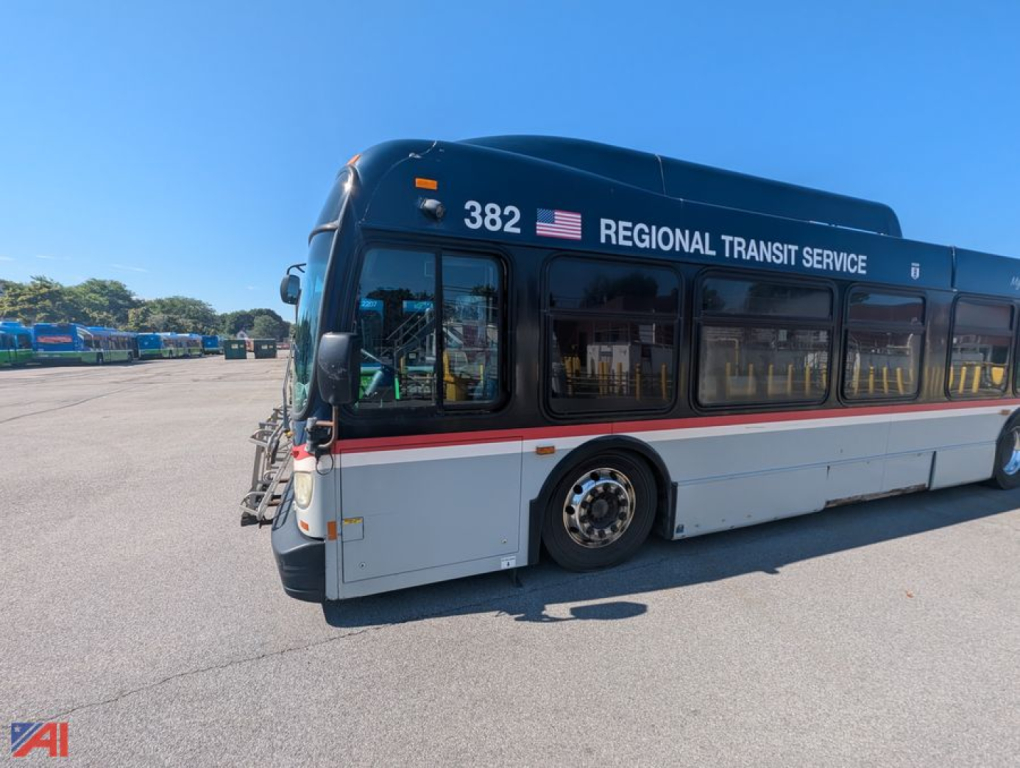
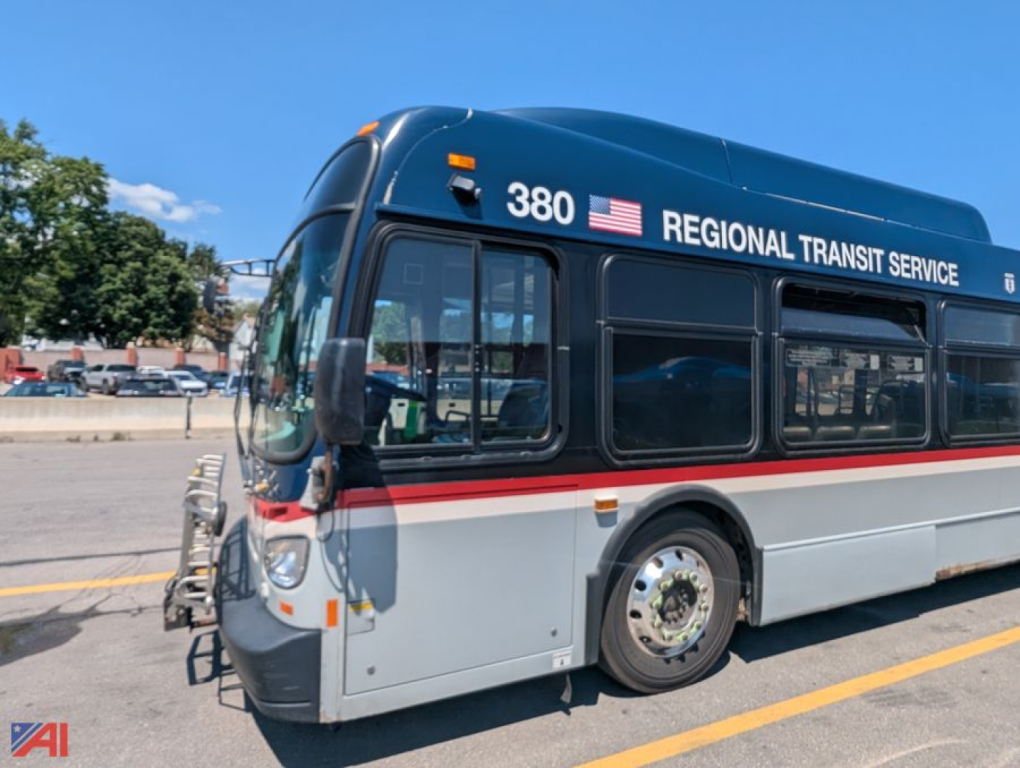
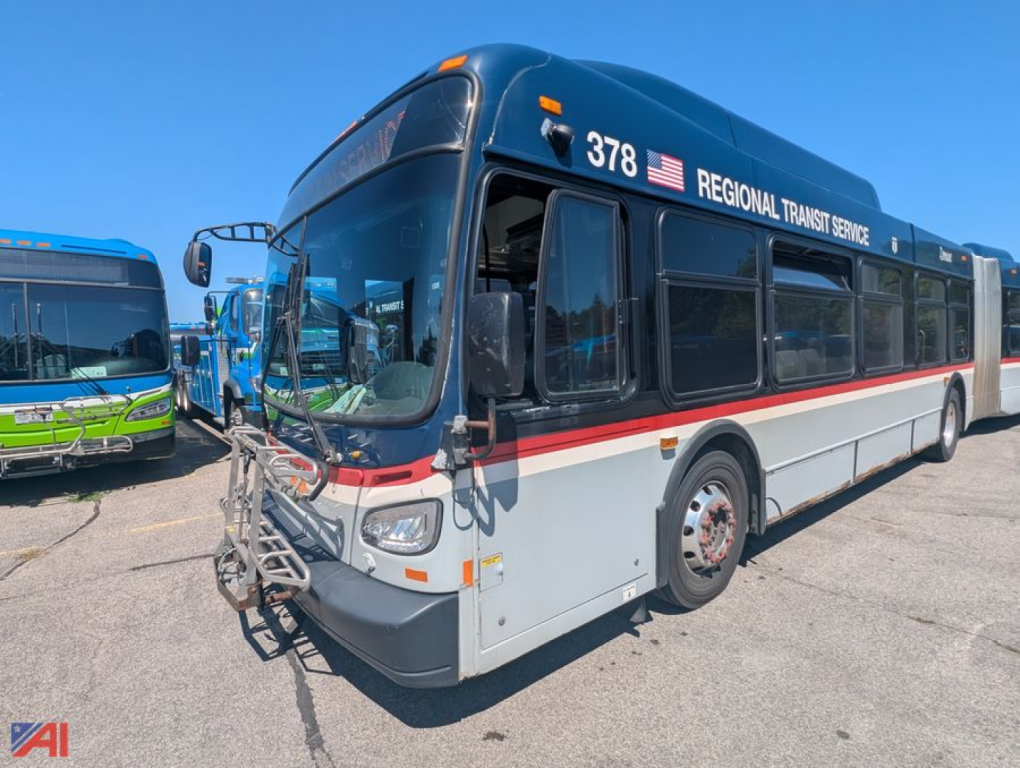
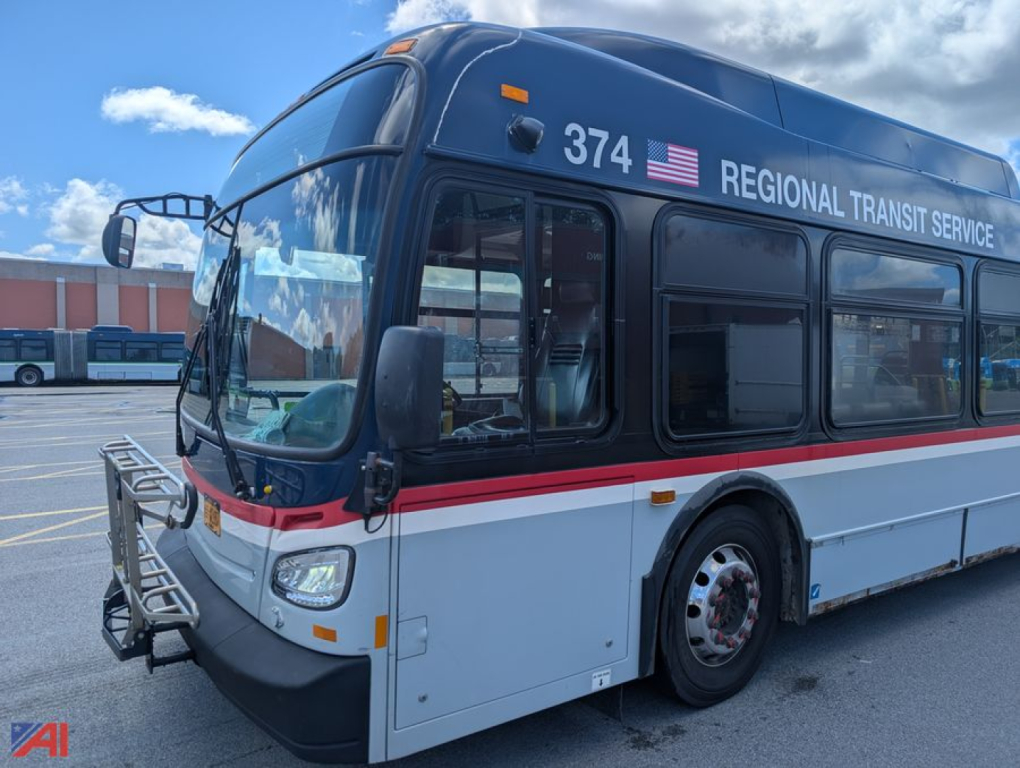
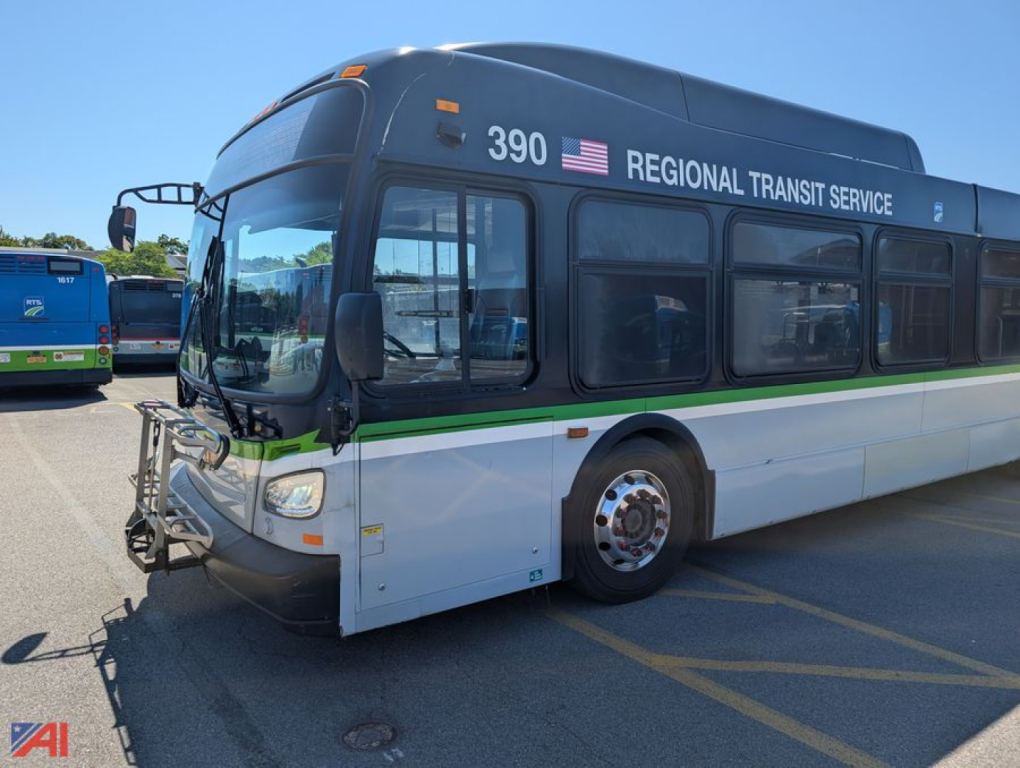
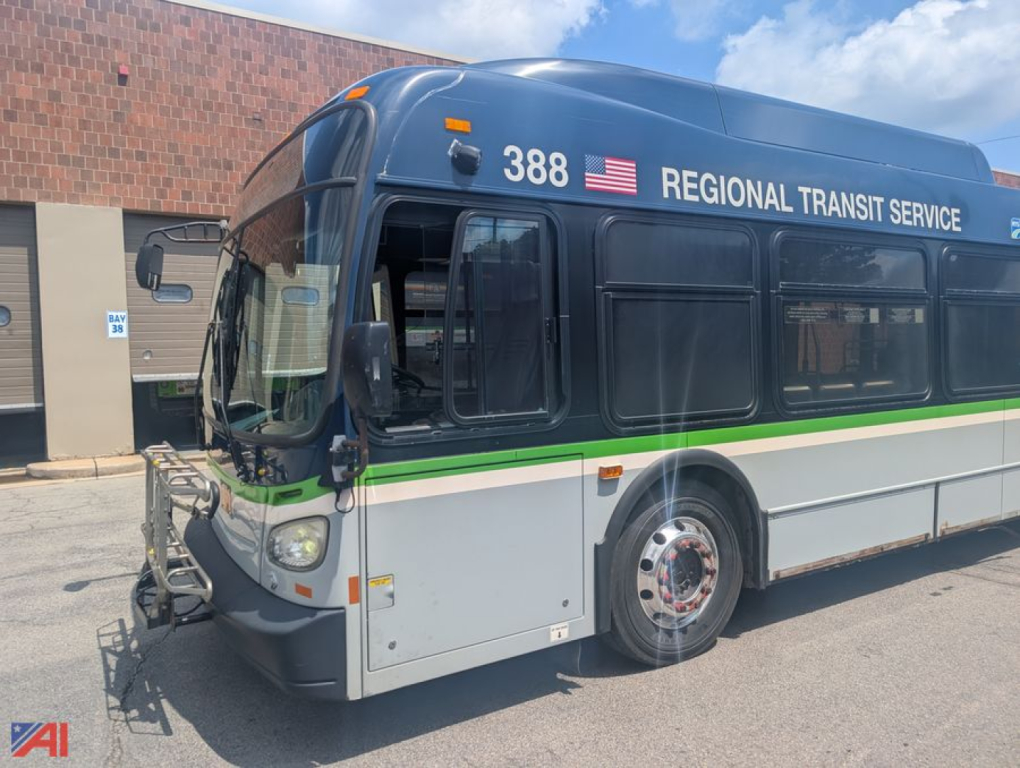
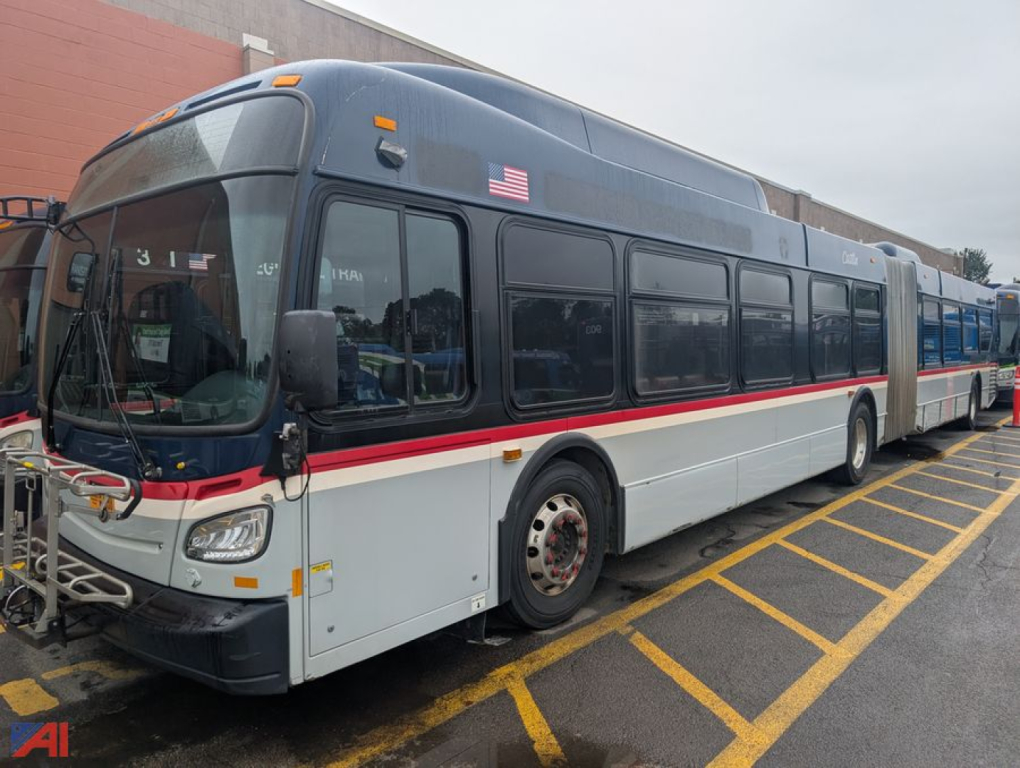
A used New Flyer unit should be evaluated first by propulsion type and service history. Depending on model year and spec, buyers may see clean diesel, compressed natural gas, diesel-electric hybrid, or battery-electric configurations. That decision affects fueling infrastructure, technician familiarity, emissions compliance, and long-term parts strategy. On transit units, mileage matters, but idle hours, route intensity, door cycles, braking wear, suspension condition, and HVAC performance often tell a more complete story than odometer readings alone. Agencies and institutional fleets typically maintain these buses on strict preventive schedules, which can be a major advantage when records are complete.
Body style and floor plan are just as important as drivetrain. Low-floor New Flyer buses are built for fast boarding and accessible operation, with wheelchair ramp systems, kneeling suspension, multiple door layouts, and standing-passenger room that differs from coach or school bus design. Buyers should confirm seating capacity, ADA equipment condition, axle ratings, overall length, and door configuration for the intended route or property. If the unit is being repurposed outside municipal transit, inspect electrical architecture, multiplex systems, destination sign equipment, and any retired fleet electronics that may need reprogramming or removal.
The strongest fit for a New Flyer product is usually a buyer who needs durable transit-grade construction rather than over-the-road truck capability. These units are engineered for repeated curb approach, dense urban operating cycles, and frequent passenger loading. A careful review of corrosion, frame and suspension wear, engine or battery support, and parts availability by propulsion system will usually separate the best values from the highest-risk purchases. For operators needing a proven transit platform with fleet-oriented design, New Flyer remains a recognized name in the North American bus market.
Frequently Asked Questions about New Flyer Trucks
What is a New Flyer truck typically used for?
Most New Flyer equipment found on the secondary market is used in public transit, airport shuttle, campus transportation, and other high-frequency passenger applications. These are not typically long-haul trucks or standard vocational work trucks. They are purpose-built transit vehicles designed for stop-and-go routes, fast boarding, accessibility compliance, and repeated daily cycling in urban service.
What should I check first on a used New Flyer unit?
Start with propulsion type, maintenance records, and the condition of major transit systems. Engine or battery support, transmission operation, door function, wheelchair ramp performance, suspension condition, HVAC output, and brake wear are all critical. Transit units often accumulate wear through route intensity and operating hours, so service documentation and component replacement history are often more useful than mileage alone.
Are New Flyer buses available with different powertrains?
Yes. Depending on the model year and fleet specification, New Flyer units may be equipped with diesel, CNG, hybrid, or battery-electric powertrains. Each has different infrastructure, training, and parts implications. Buyers should confirm local service support, emissions requirements, and operating cost expectations before selecting a specific propulsion system.
Why do transit buyers look closely at door and floor configuration?
Door layout and floor design directly affect passenger flow, accessibility, and route efficiency. Low-floor configurations allow quicker boarding and easier ADA access, while front and rear door arrangements can improve dwell time on busy routes. Seating layout, standing room, and ramp location also matter if the unit will be used for municipal, airport, or institutional shuttle service.
Is New Flyer a good choice for non-transit commercial use?
It can be, but the buyer needs to understand that New Flyer builds transit-focused equipment. These units are extremely durable in urban passenger service, but they are not designed like conventional medium-duty or heavy-duty trucks. Repurposing one for mobile operations, private shuttle work, or specialty transport may make sense if the electrical systems, interior layout, and maintenance support match the intended use.