
2013 New Flyer Trucks For Sale
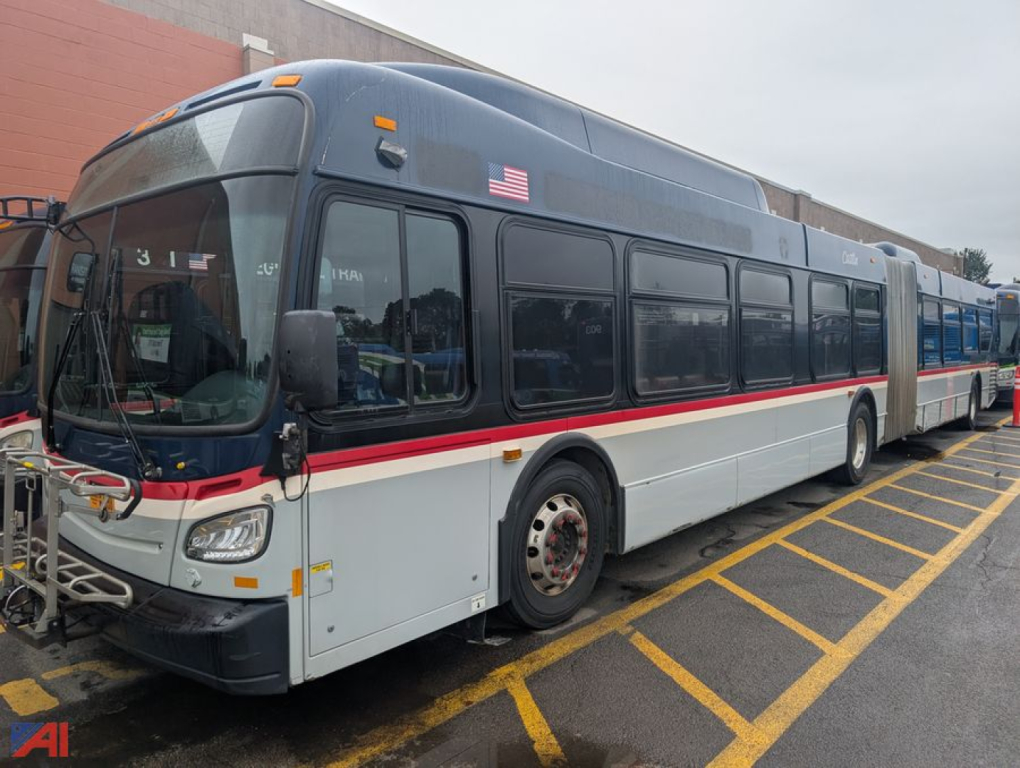
Have 2013 new flyer truck to sell? List it here to reach thousands of buyers.
2013 New Flyer Trucks
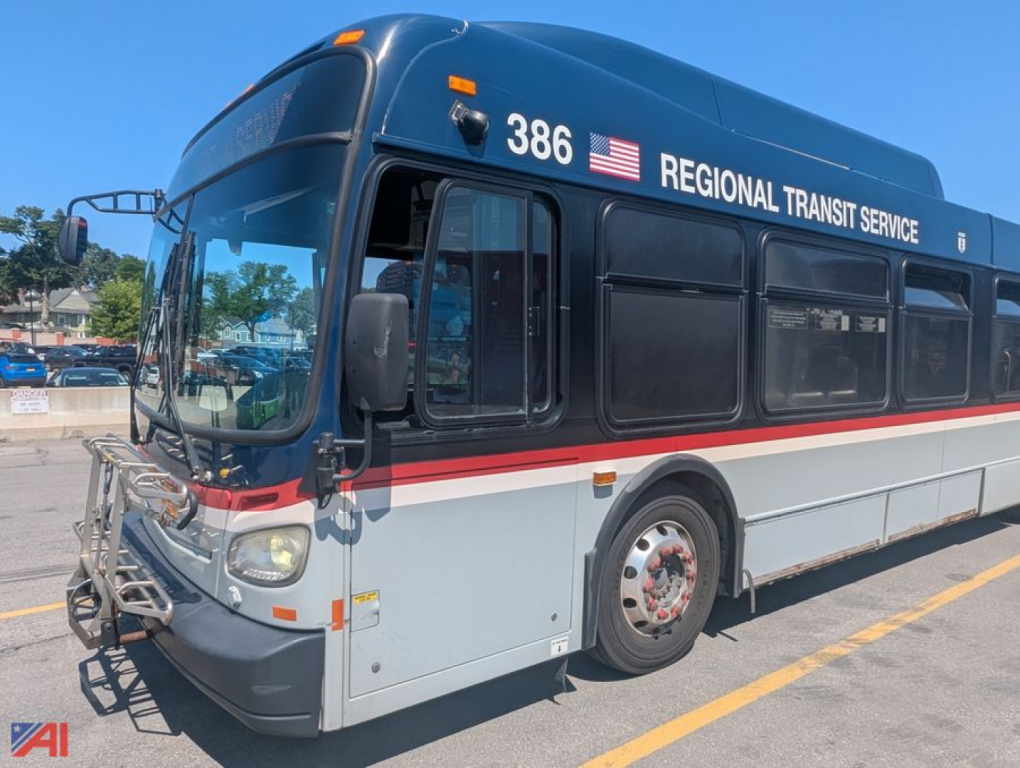
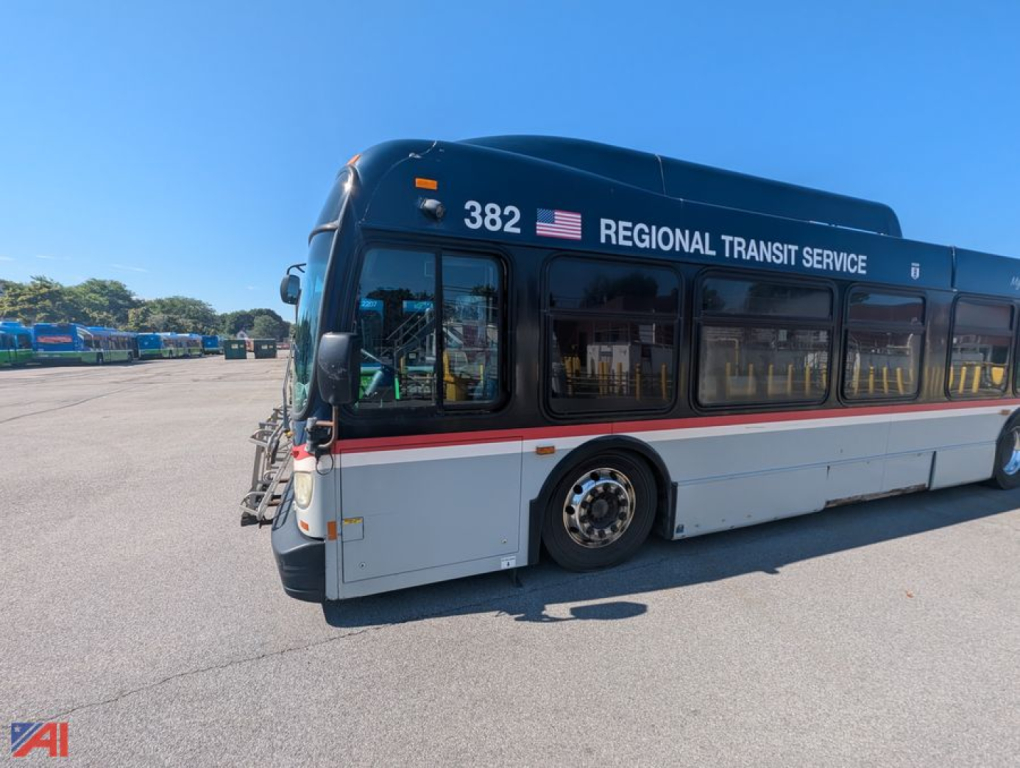
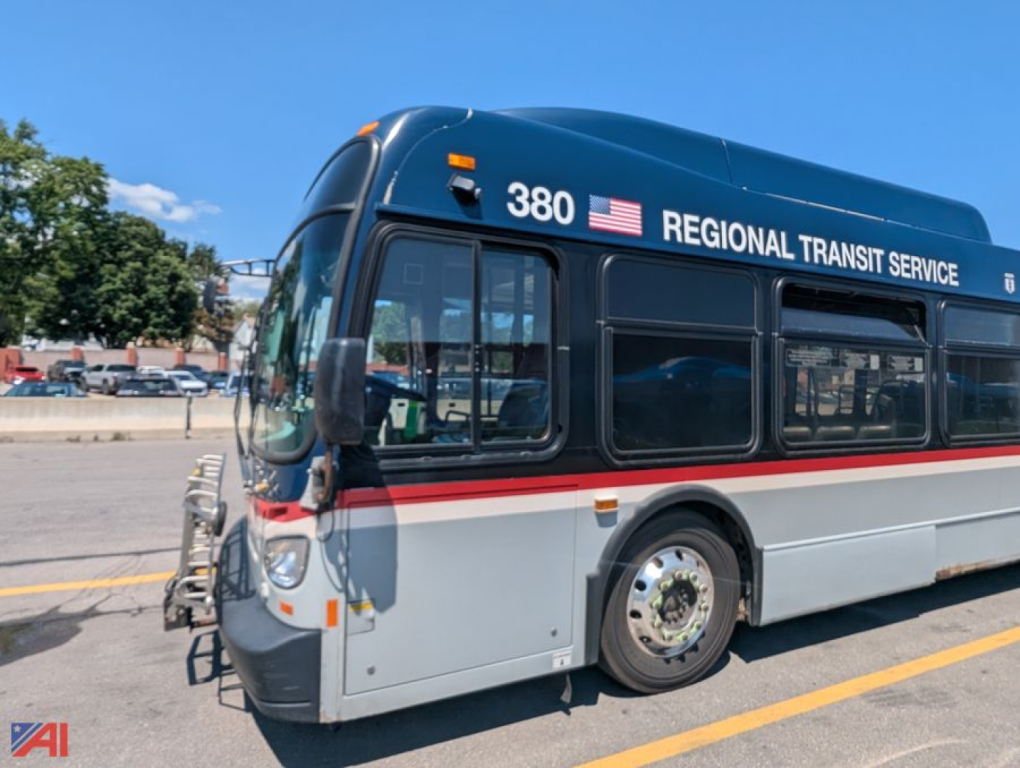
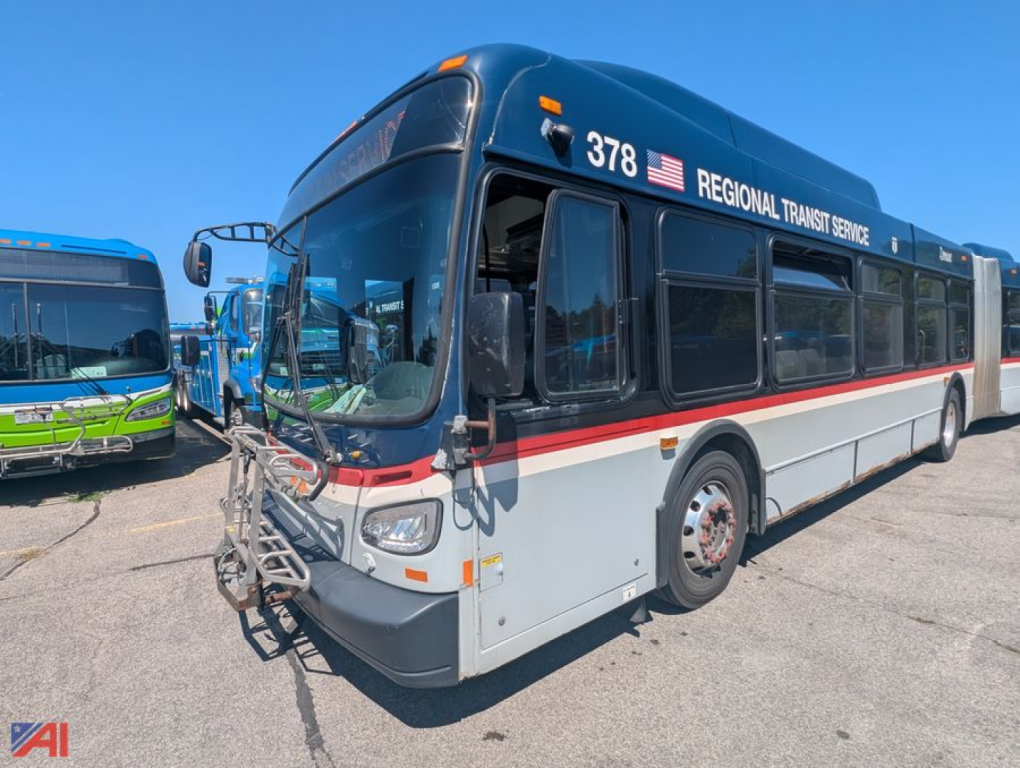
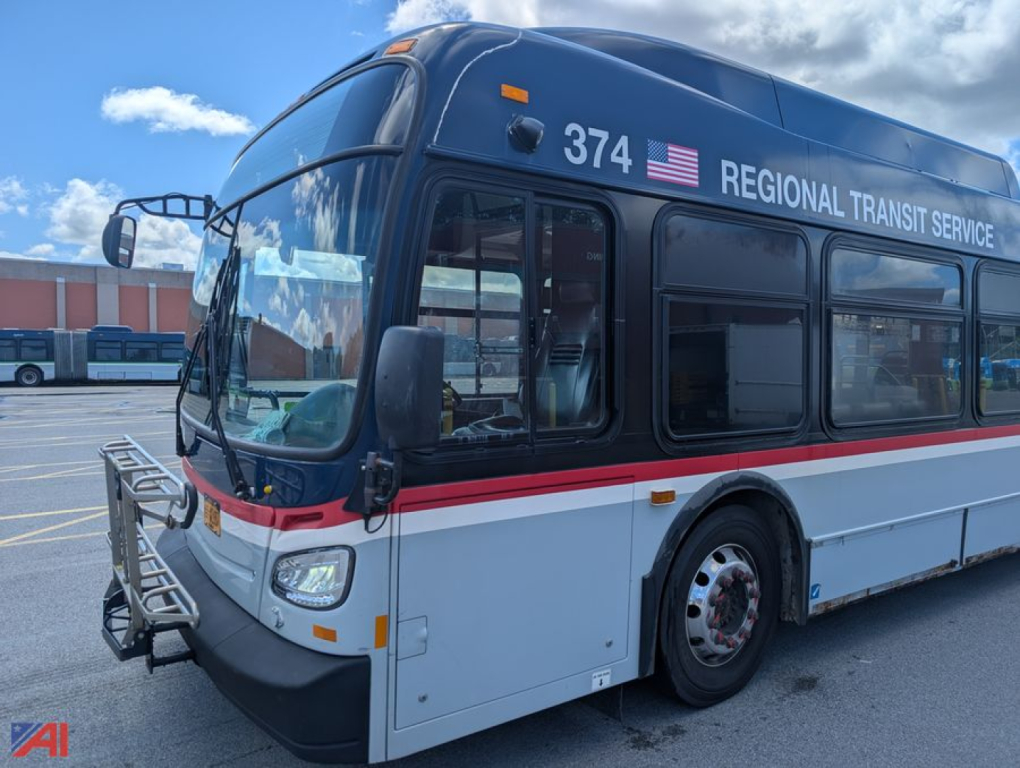
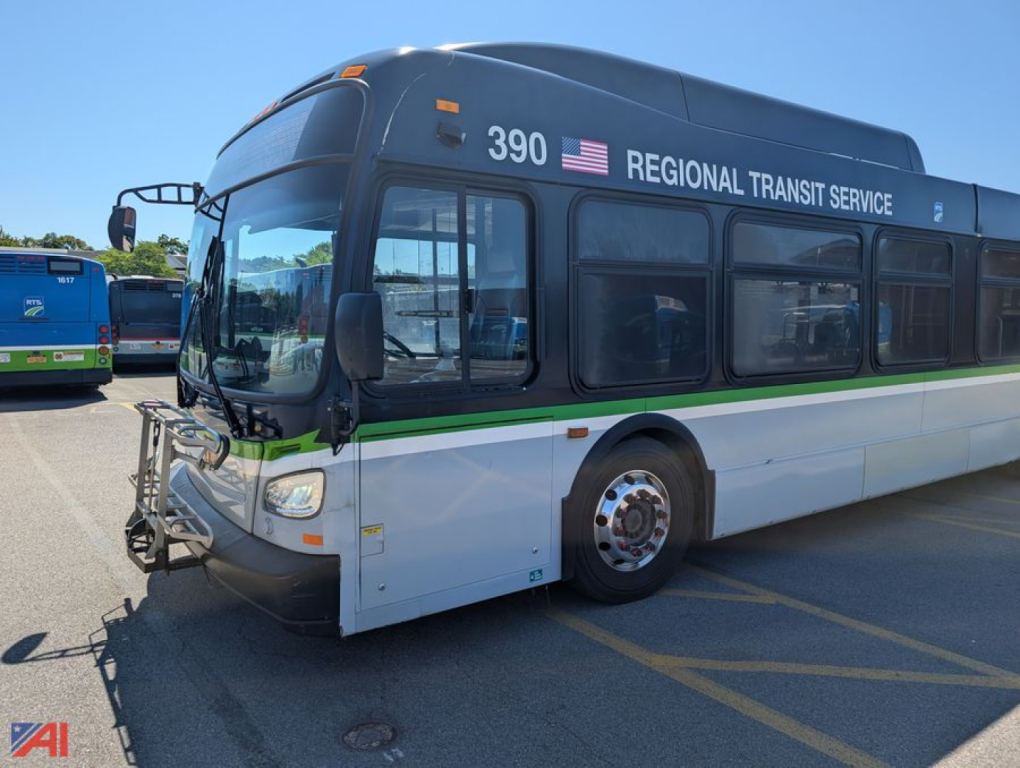
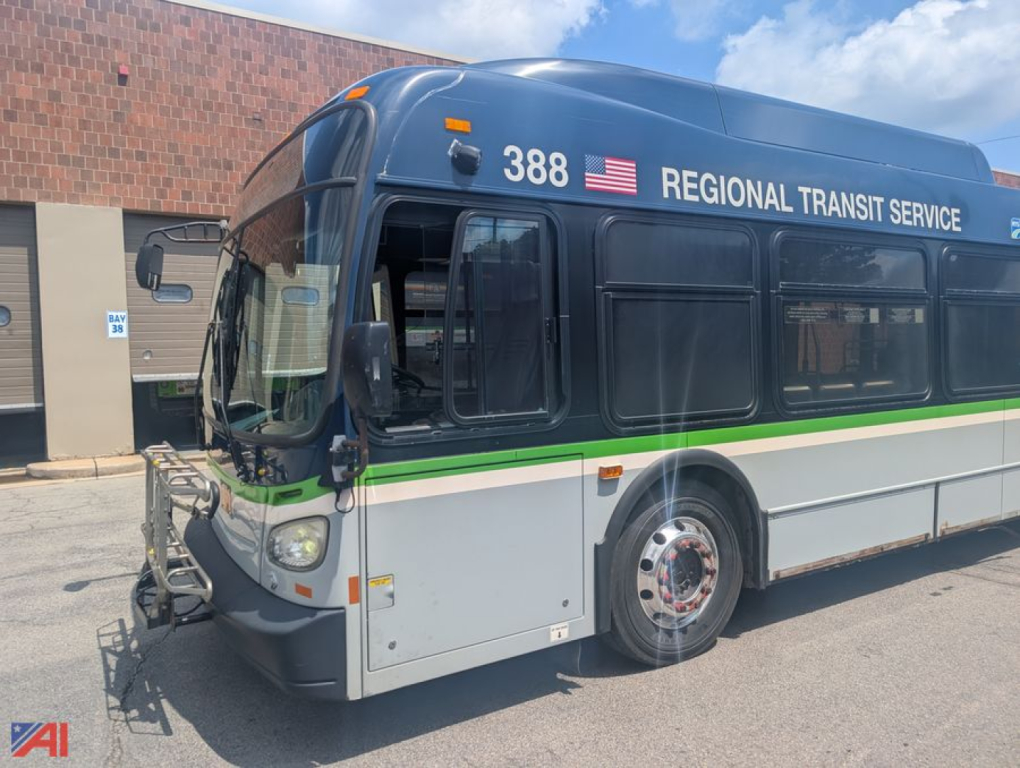
On a 2013 New Flyer, focus first on propulsion, articulation components, and accessibility systems. Many units from this period were built with diesel powertrains, often paired with heavy-duty automatic transmissions suited for transit duty. Review engine hours if available, not just odometer readings, because idle time can be significant in fleet service. On articulated models, inspect the center joint, turntable, bellows, and related structural mounting points for wear or water intrusion. Low-floor buses also deserve close attention at the suspension, kneeling system, wheelchair ramp, door mechanisms, and electrical architecture, since these systems directly affect route readiness and ADA compliance.
Structural condition matters as much as drivetrain condition on a used New Flyer. Transit agencies typically cycle these buses through hard service, so corrosion at the frame, stepwell areas, wheel housings, roof seams, and underbody should be checked carefully, especially in snow-belt regions where road salt is common. Interior wear tells a lot about service life remaining. Seat bases, stanchions, flooring, HVAC performance, glazing, and destination sign systems all add real reconditioning cost. If the unit is intended for shuttle, employee transport, campus circulation, airport use, or fleet conversion, confirm seating layout, axle ratings, overall length, and local registration requirements before purchase.
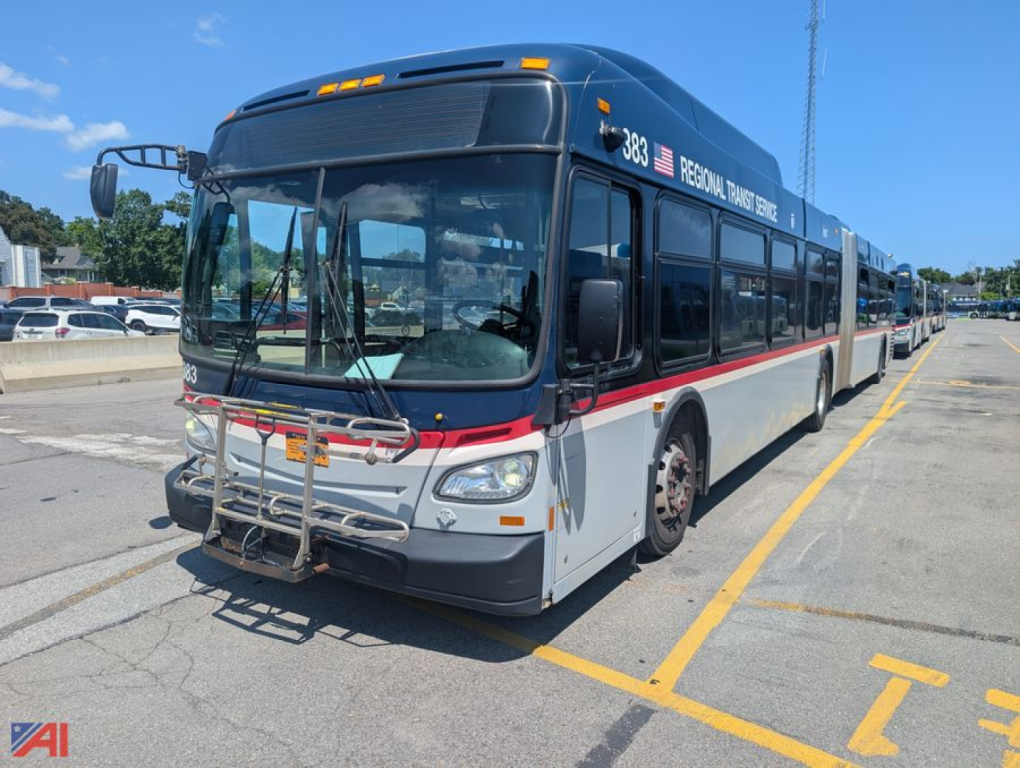
A 2013 New Flyer can still make sense for operators who need a proven high-capacity transit unit and understand the maintenance profile that comes with municipal equipment. Parts support and service familiarity are often better than with niche builders, but buyer success depends on matching the bus to the route profile and maintenance resources. Look for complete service records, fleet retirement notes, emissions system history, and evidence of major component replacement. On a 60-foot articulated platform, tire condition, brake wear, cooling performance, and articulation service history can swing the value more than cosmetic appearance.
Frequently Asked Questions about 2013 New Flyer Trucks
What is a 2013 New Flyer XD60 used for?
A 2013 New Flyer XD60 is primarily used for high-capacity public transit service on urban and suburban routes with heavy passenger demand. It is a 60-foot articulated low-floor bus designed for frequent stops, fast passenger loading, and standing-room capacity that a standard 40-foot transit bus cannot match. Buyers also use retired units for shuttle service, airport circulation, employee transportation, training, or specialty fleet conversions when local operating rules allow it.
What should I inspect first on a used 2013 New Flyer articulated bus?
Start with the articulation joint, engine and transmission condition, suspension, braking system, and accessibility equipment. The articulation assembly is one of the most important value drivers on an XD60 because wear at the joint, bellows, turntable, or mounting structure can be expensive to correct. After that, review engine hours, cooling system performance, emissions equipment history, door operation, wheelchair ramp function, and signs of structural corrosion underneath and around the low-floor sections.
Are miles enough to judge the condition of a 2013 New Flyer transit unit?
No. Mileage alone does not tell the full story on a transit bus because these units can accumulate substantial idle hours and endure constant stop-and-go operation. A bus with moderate miles may still have heavy wear from repeated door cycles, kneeling events, braking, curb approach, and extended idling. Service records, engine hours, transmission history, cooling system maintenance, and structural condition are usually more useful than odometer readings by themselves.
Is a 2013 New Flyer practical for private shuttle or fleet use?
It can be practical if the operator has the right route profile, maintenance support, and facility space. A 60-foot articulated transit bus is best suited to high-volume fixed routes or controlled shuttle environments where turning radius, parking, and service access are manageable. Buyers should confirm overall length restrictions, passenger equipment requirements, parts support, and technician familiarity before purchase, because transit platforms are specialized compared with standard commercial trucks or smaller buses.
What adds the most reconditioning cost on a 2013 New Flyer?
Major cost items usually include emissions-related repairs, HVAC work, articulation service, suspension components, brake systems, door equipment, wheelchair ramps, and corrosion repair. Interior refurbishment can also add up quickly if flooring, seating, glazing, or driver controls are worn out. On former municipal units, deferred maintenance on electrical systems and cooling components can create substantial post-purchase expense, so a detailed pre-buy inspection is essential.