
2013 New Flyer Trucks For Sale in New York
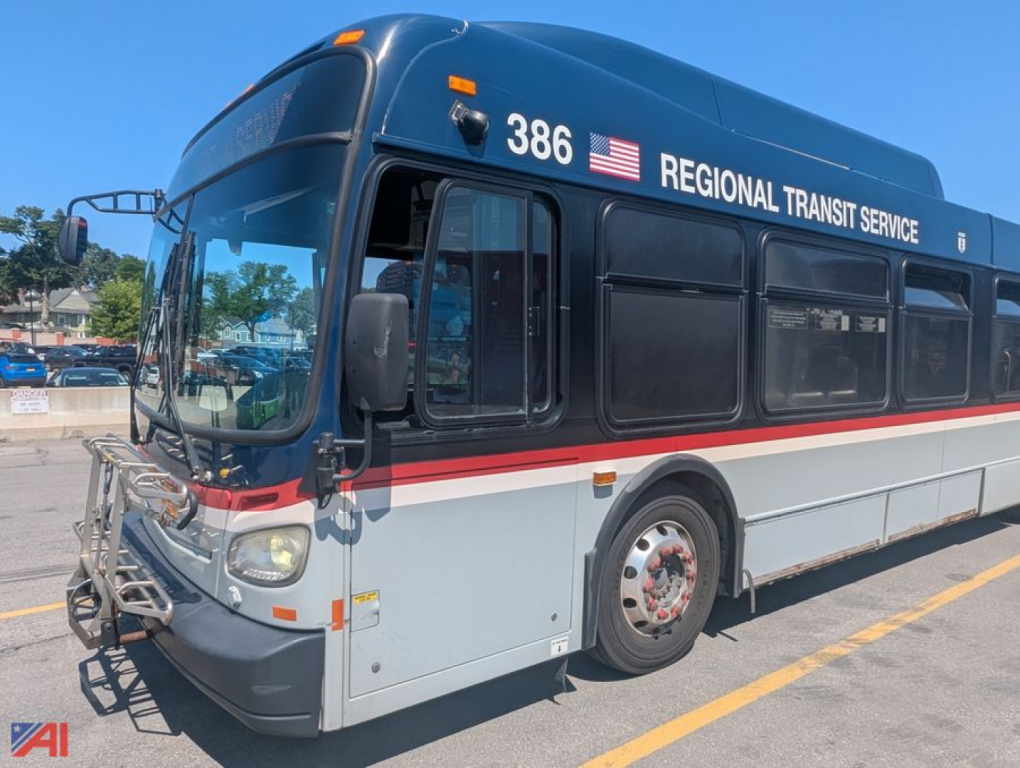
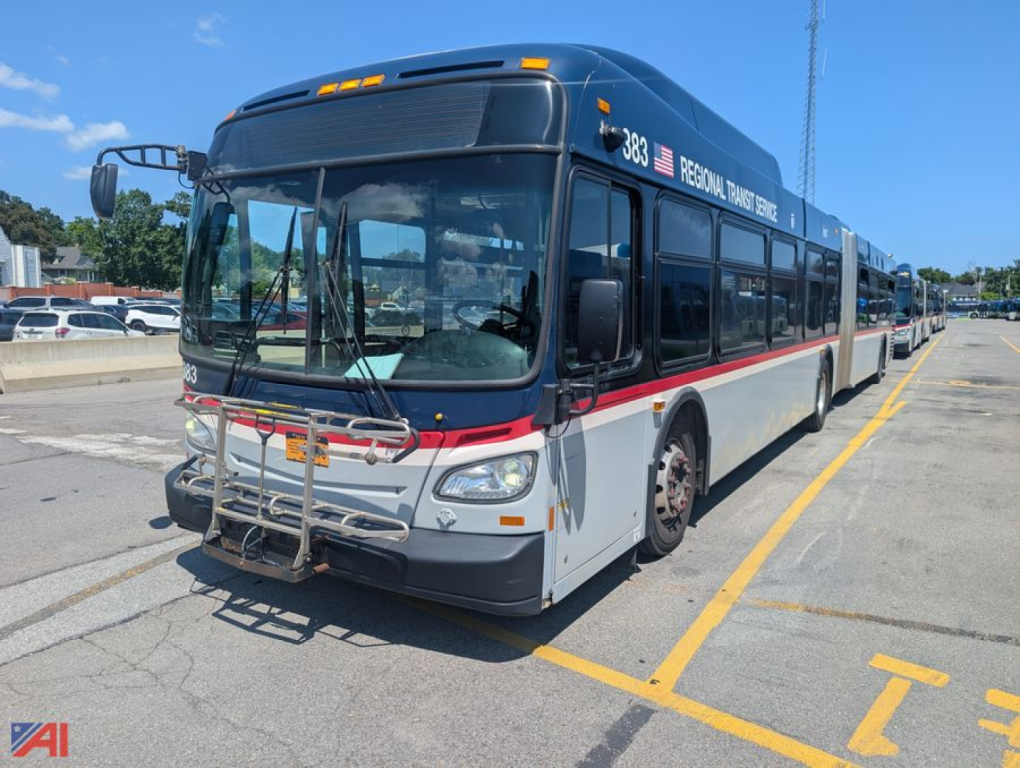
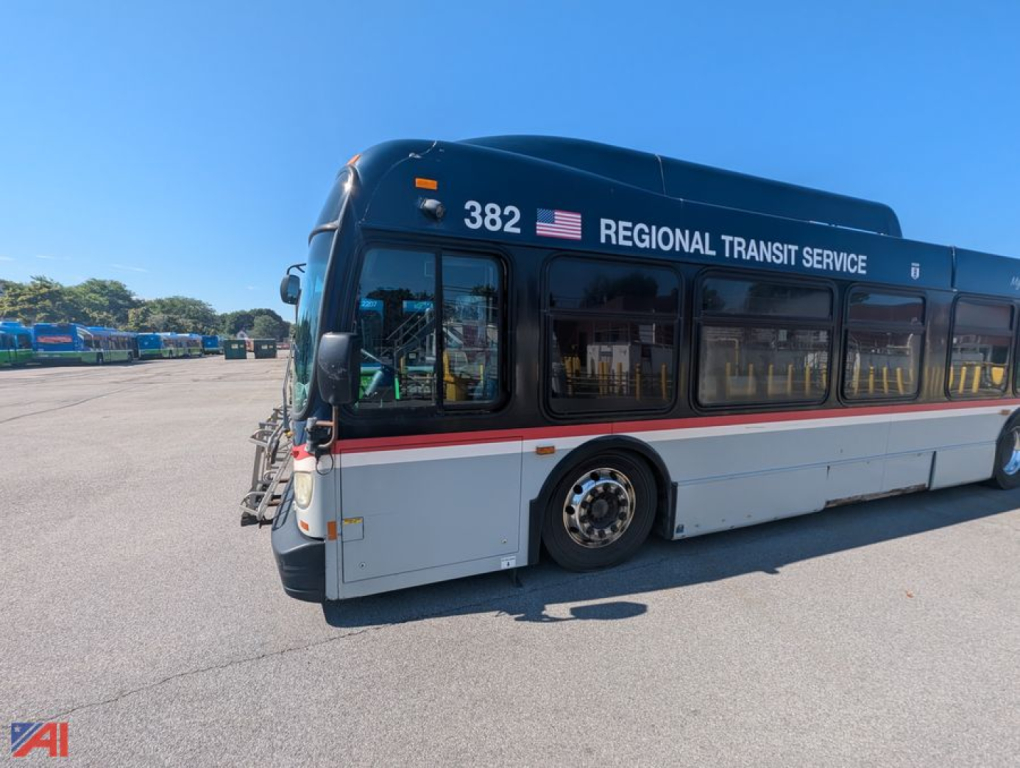
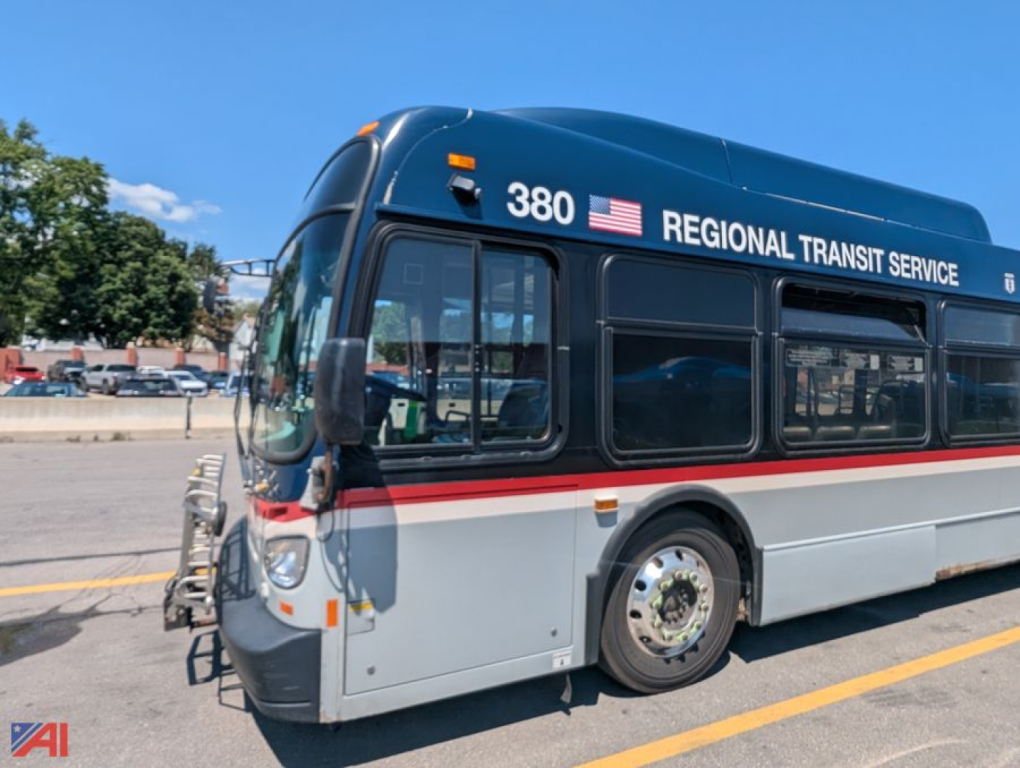
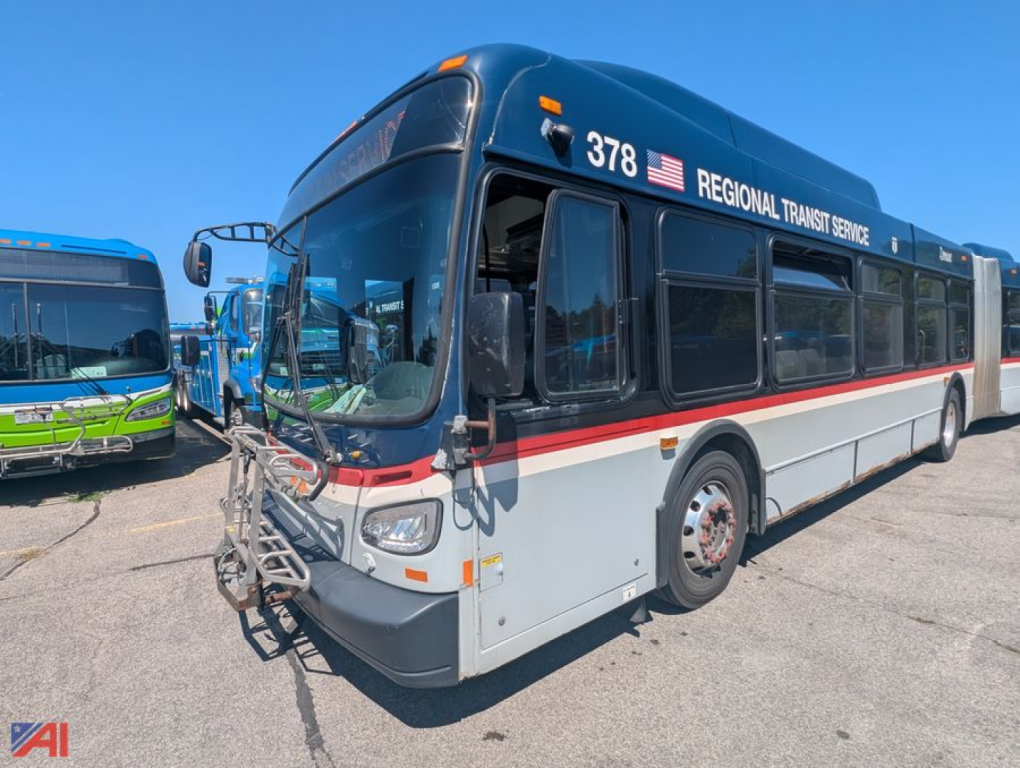
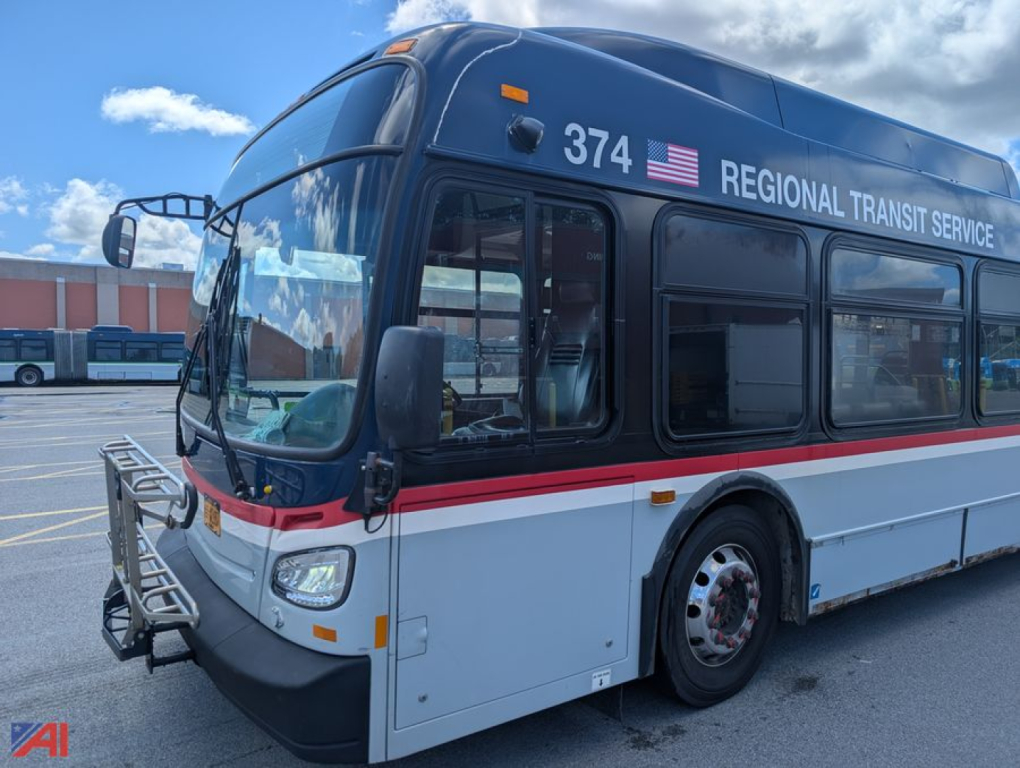
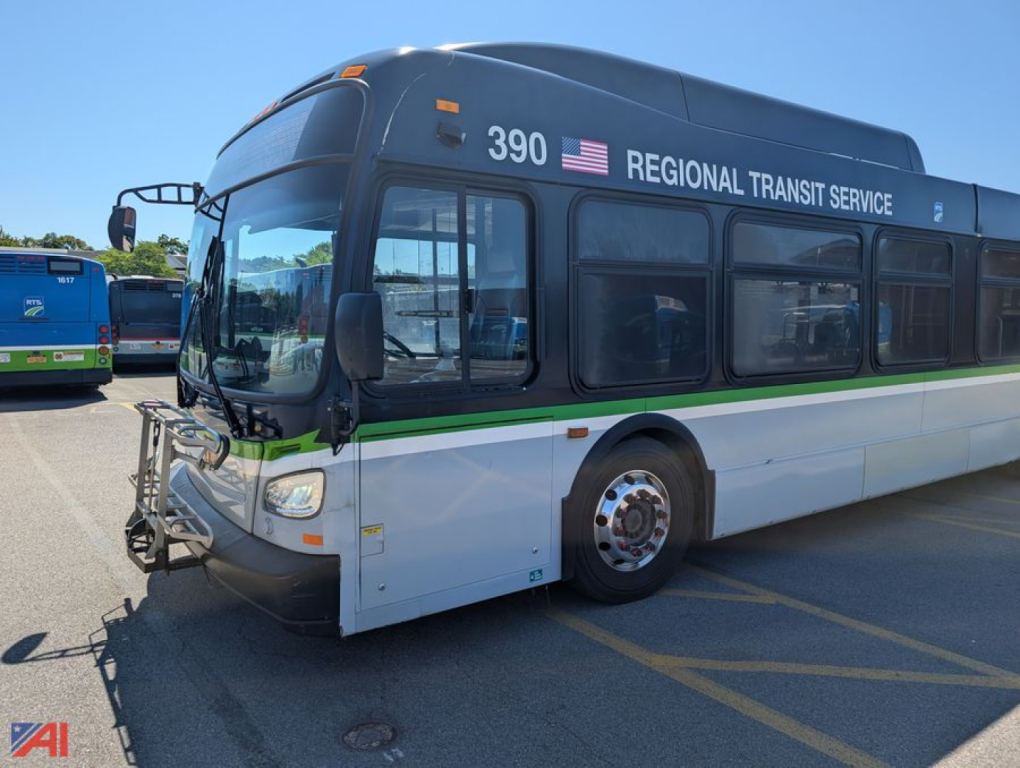
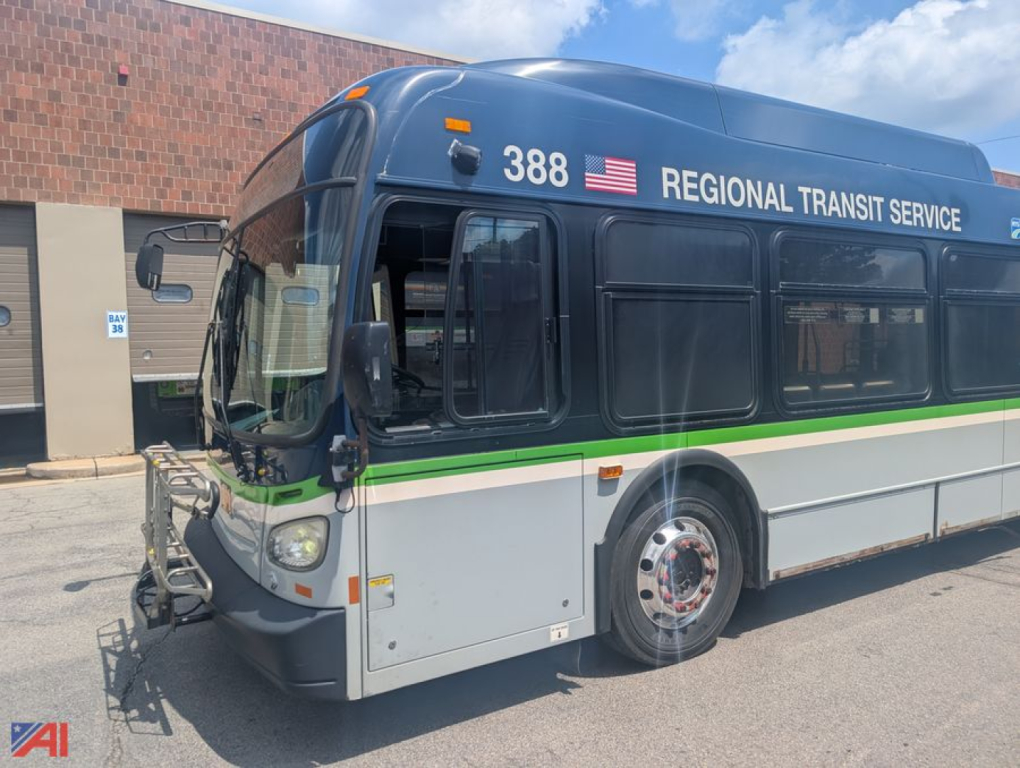
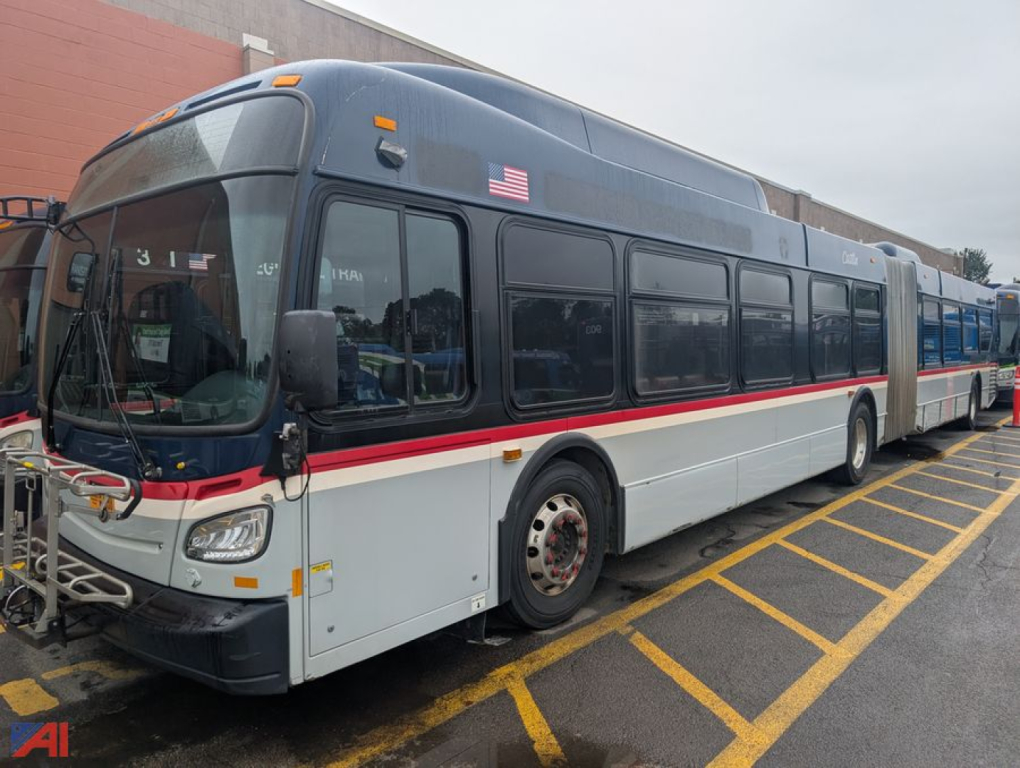
Have 2013 new flyer truck to sell? List it here to reach thousands of buyers.
2013 New Flyer Trucks in New York
The XD60 is a low-floor transit bus with an articulated center section, multiple passenger doors, and a layout intended to speed boarding and reduce dwell time. Buyers in New York often focus on corrosion exposure, especially around the frame, suspension mounting points, door systems, wheel housings, and underbody components exposed to road salt. A 60-foot articulated bus also brings added inspection points compared with a rigid-body transit bus, including the turntable assembly, bellows condition, articulation controls, and rear section tracking. If the unit has spent its life on dense city routes, expect wear patterns tied to curb approaches, braking cycles, and repeated suspension loading.
Powertrain details matter more than the badge alone. Many 2013 New Flyer transit buses were spec'd with diesel or alternative-fuel drivetrains depending on the fleet, and emissions equipment should be reviewed carefully on any 2013-era platform. Buyers should confirm engine model, transmission model, cooling system condition, DEF or aftertreatment service history if applicable, and any major component replacements. Transit buses accumulate idle time, PTO-related accessory use, and severe-duty operating hours that may not be obvious from mileage alone, so engine hours and maintenance intervals are critical. Electrical systems, HVAC performance, wheelchair ramp operation, multiplex controls, and destination sign functionality also deserve close attention because repair costs on transit equipment can add up quickly.
For buyers comparing 2013 New Flyer units, the best approach is to match the bus to the intended application first. A retired municipal bus can make sense for transit agencies, shuttle operators, institutional fleets, training use, parts support, or specialty conversion work, but the economics depend on passenger capacity needs and refurbishment budget. Review axle ratings, overall length restrictions, door configuration, seating layout, ADA equipment, and parts availability before committing. A well-maintained New Flyer can offer strong remaining service value, but on an articulated transit bus, documentation and inspection quality usually separate a good buy from a costly project.
Frequently Asked Questions about 2013 New Flyer Trucks in New York
What is a 2013 New Flyer XD60 used for?
A 2013 New Flyer XD60 is primarily used for high-capacity public transit service on urban and suburban routes with heavy passenger demand. It is a 60-foot articulated, low-floor transit bus built to move large rider volumes efficiently, especially on routes with frequent stops, busy transfer points, and high boarding activity. Retired units may also be used for shuttle operations, operator training, institutional transport, or specialty conversions, depending on local regulations and refurbishment plans.
What should I inspect first on a used 2013 New Flyer articulated bus?
Start with the articulation joint, structural condition, and maintenance records. On a 60-foot articulated bus, the center turntable, bellows, pivot components, and control systems are major cost areas and should be inspected closely. After that, review the frame and underbody for corrosion, then verify engine, transmission, cooling system, suspension, brakes, doors, ramp, HVAC, and electrical functions. On ex-transit equipment, service documentation is often as important as mileage because duty cycles are severe and component wear is driven by stop-and-go operation.
Are 2013 New Flyer buses good candidates for continued fleet service?
They can be, if the unit has strong maintenance history and passes a detailed inspection. New Flyer has a long presence in transit fleets, and many agencies maintain these buses on strict preventive schedules. The deciding factors are usually drivetrain condition, corrosion level, articulation wear, and the state of major systems like doors, HVAC, and wheelchair access equipment. A bus with documented component replacements and clean structural condition can still offer useful service life.
Why does mileage matter less on a transit bus than on a highway truck?
Transit buses operate in a very different duty cycle than highway equipment. They spend more time idling, accelerating from stops, braking, opening and closing doors, kneeling, and running accessory systems continuously. That means wear is spread across the engine, transmission, suspension, brakes, and electrical systems in ways that simple mileage does not fully capture. Engine hours, route type, idle history, and maintenance records usually provide a better picture of actual condition.
What New York buyers should watch for on a 2013 New Flyer bus?
New York buyers should pay close attention to corrosion from road salt, especially on underbody structure, suspension attachment points, brake and air system hardware, and door step areas. It is also smart to confirm any state or local compliance requirements for passenger equipment, including ADA features and inspection standards. If the bus will stay in passenger service, buyers should verify that parts support, technician familiarity, and facility capacity are in place for a 60-foot articulated unit.