
New Flyer Trucks For Sale in New York
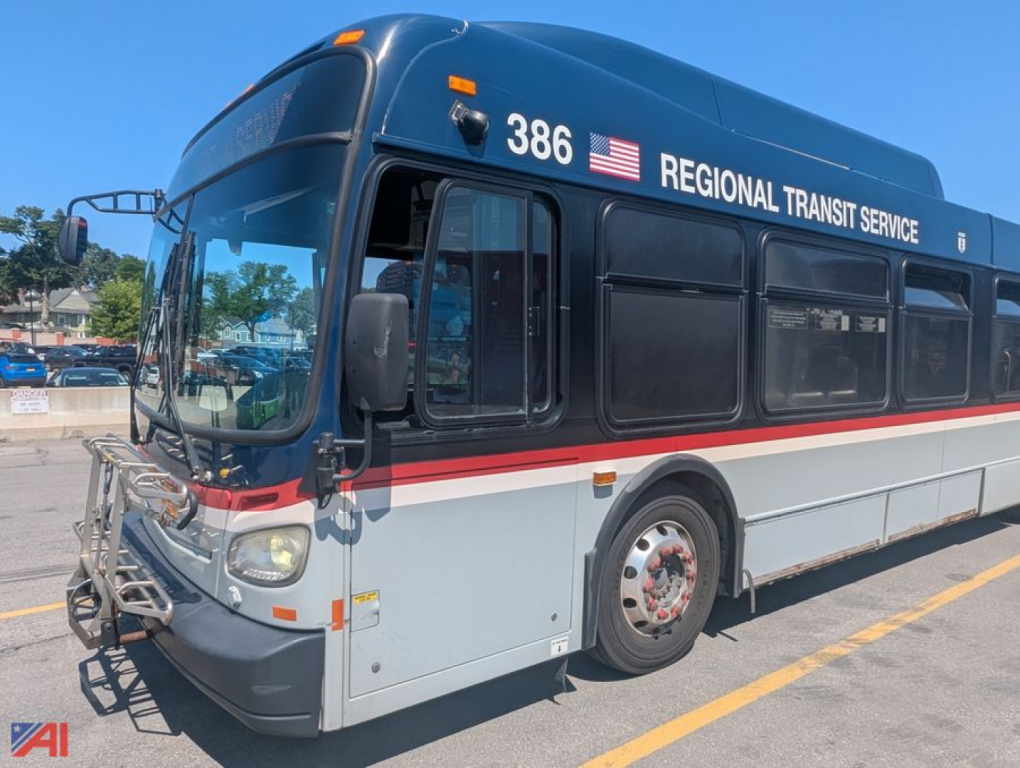
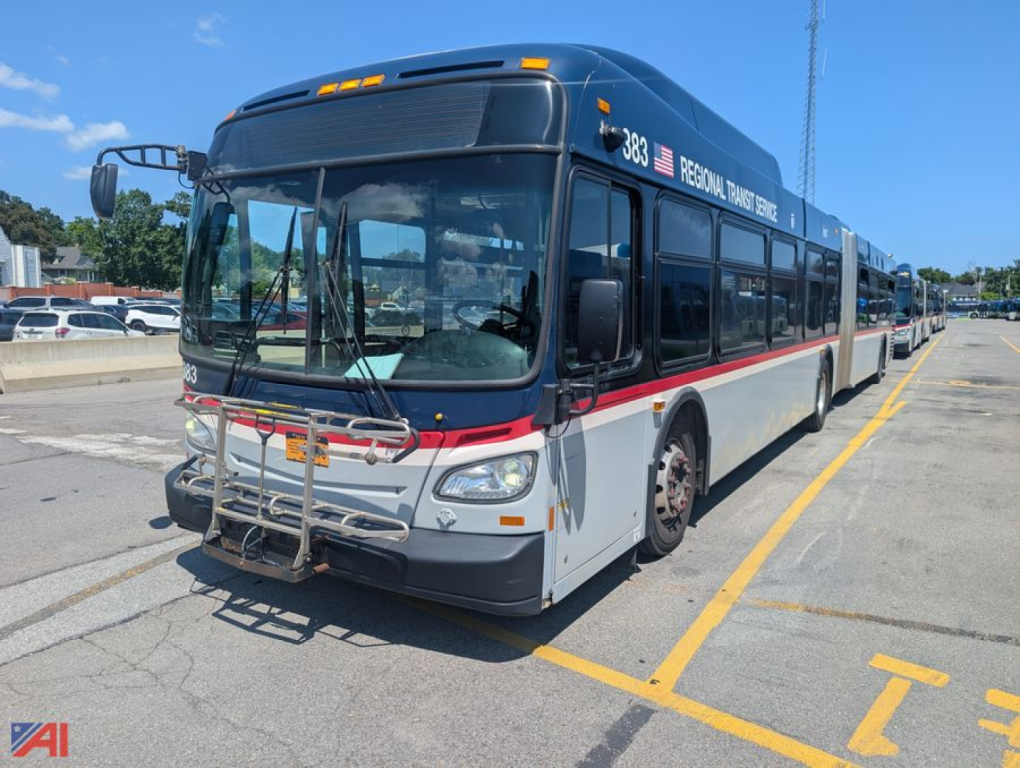
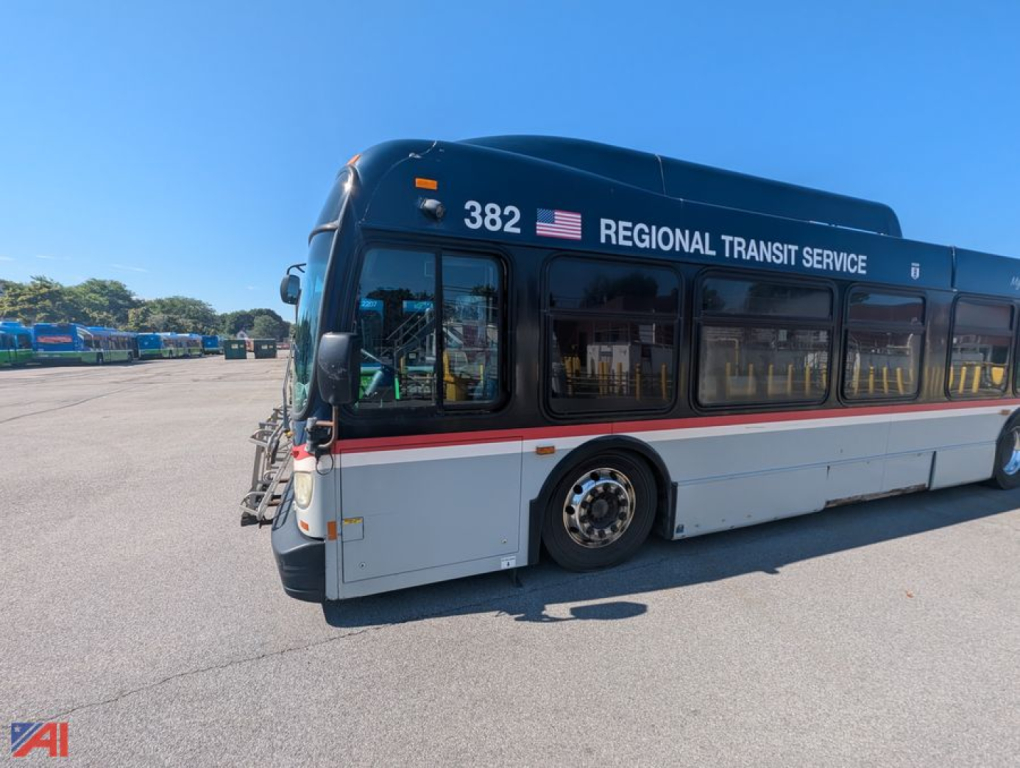
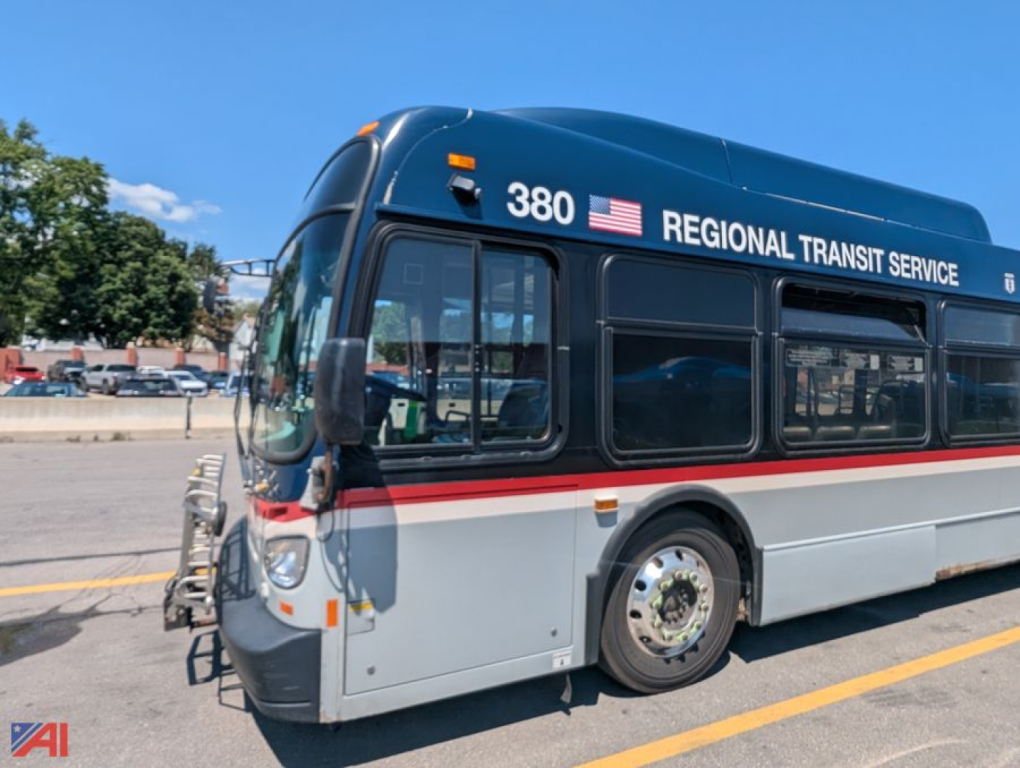
Have new flyer truck to sell? List it here to reach thousands of buyers.
New Flyer Trucks in New York
Frequently Asked Questions about New Flyer Trucks in New York
What should I check first on a used New Flyer transit bus?
Start with structure, powertrain records, and operating hours. A used New Flyer bus may show moderate mileage but still have a demanding service history because transit duty cycles include frequent stops, long idle time, and heavy accessory loads. Review frame and underbody corrosion, especially on Northeast units exposed to road salt. Confirm engine model, transmission model, emissions system status, cooling system condition, and any documented major overhauls. Suspension components, door operation, ramp function, and HVAC performance also deserve close inspection because they directly affect return-to-service cost.
Are New Flyer buses practical for conversion or private fleet use?
They can be, but buyers need to plan around a transit-bus layout rather than a standard truck chassis. New Flyer buses are designed for urban passenger service, with low-floor entries, wide aisles, and specialized electrical and pneumatic systems. That makes them attractive for shuttle, workforce transport, mobile training, or custom conversion projects, but parts sourcing, wiring integration, seating reconfiguration, and ADA equipment decisions can add complexity. A buyer should confirm local registration requirements, intended use, and service support before purchase.
What is the difference between a New Flyer XD60 and a standard 40-foot transit bus?
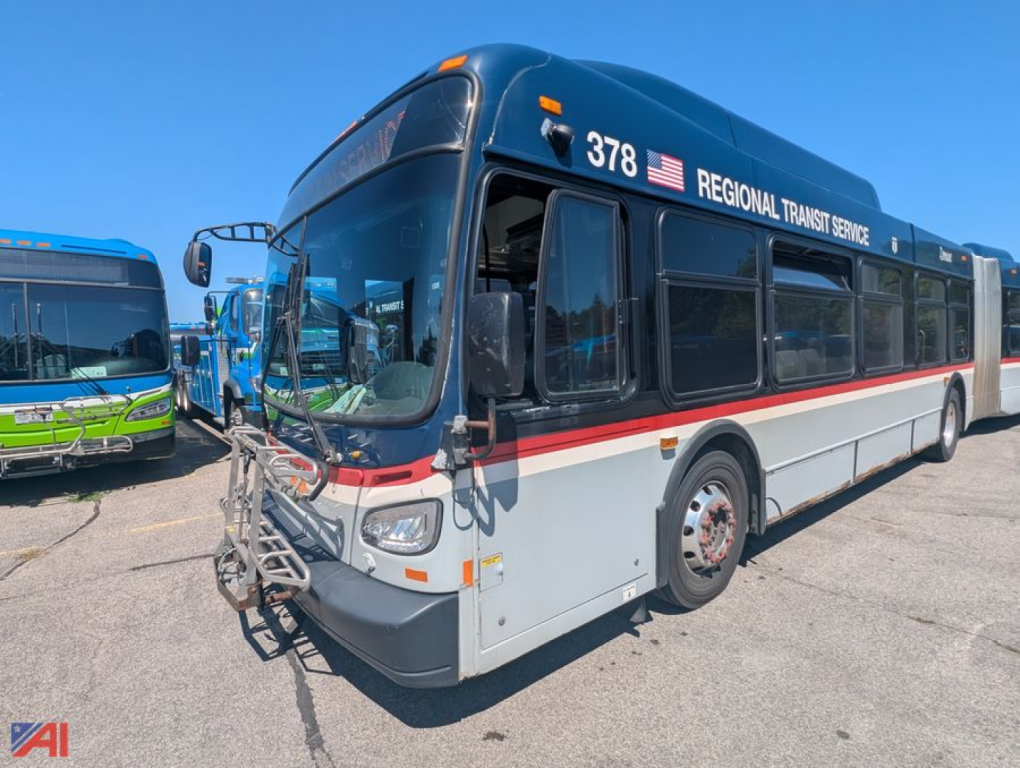
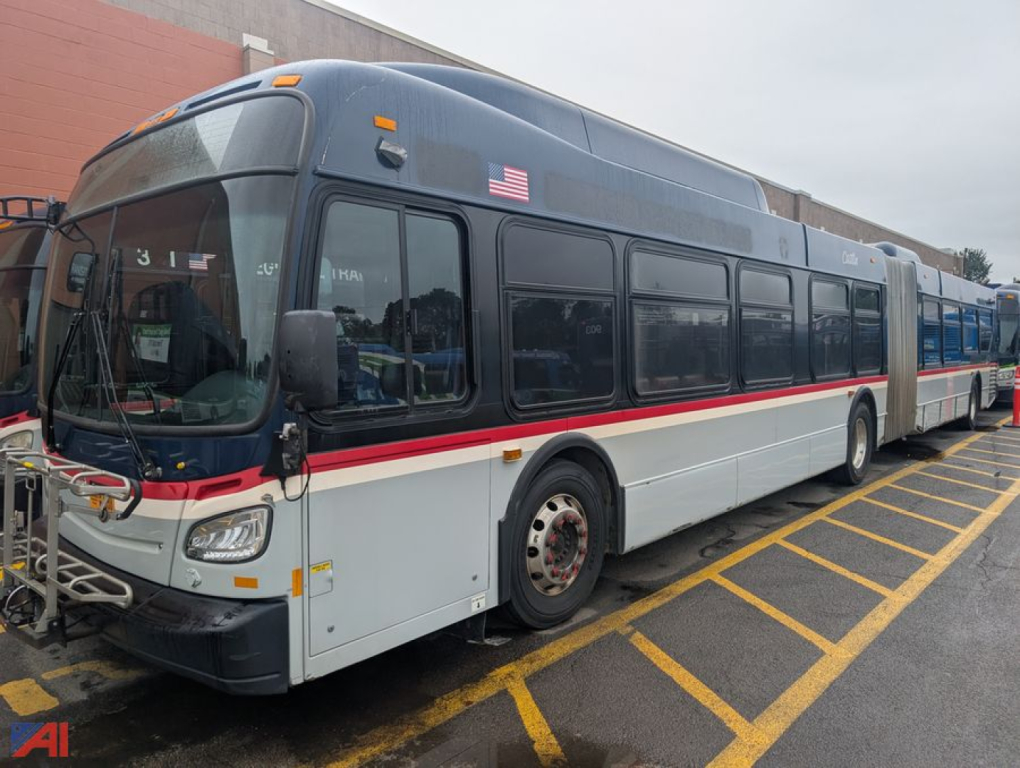
The XD60 is a 60-foot articulated transit bus, so it offers higher passenger capacity than a standard 40-foot model but requires more room to maneuver and maintain. It uses a jointed center articulation section and is built for heavy urban routes with high boarding volume. Buyers should account for storage length, turning radius, articulation joint condition, additional axle components, and the cost of tires, brakes, and suspension service across a larger platform. For routes or applications with lower capacity needs, a 40-foot bus may be simpler and less expensive to operate.
How important is corrosion on New Flyer buses in New York?
Corrosion is a major buying factor on any transit bus that has spent years in New York service. Road salt, moisture, and repeated winter exposure can affect undercarriage components, fasteners, brake and air system hardware, stepwell areas, and structural mounting points. Cosmetic rust is common, but buyers should separate surface oxidation from structural deterioration. A thorough inspection underneath the bus and around suspension mounts, floor sections, wheel housings, and articulation components on a 60-foot unit can prevent expensive surprises after purchase.
Do New Flyer transit buses use diesel only?
No. New Flyer has produced buses in diesel, CNG, hybrid, and battery-electric configurations, depending on the fleet specification. Buyers should verify the exact propulsion type on each listing because service requirements, fueling infrastructure, emissions compliance, and technician support vary significantly by platform. On used units, the powertrain choice affects operating cost, parts availability, and the feasibility of repurposing the bus for non-transit applications.