
Used New Flyer Trucks For Sale
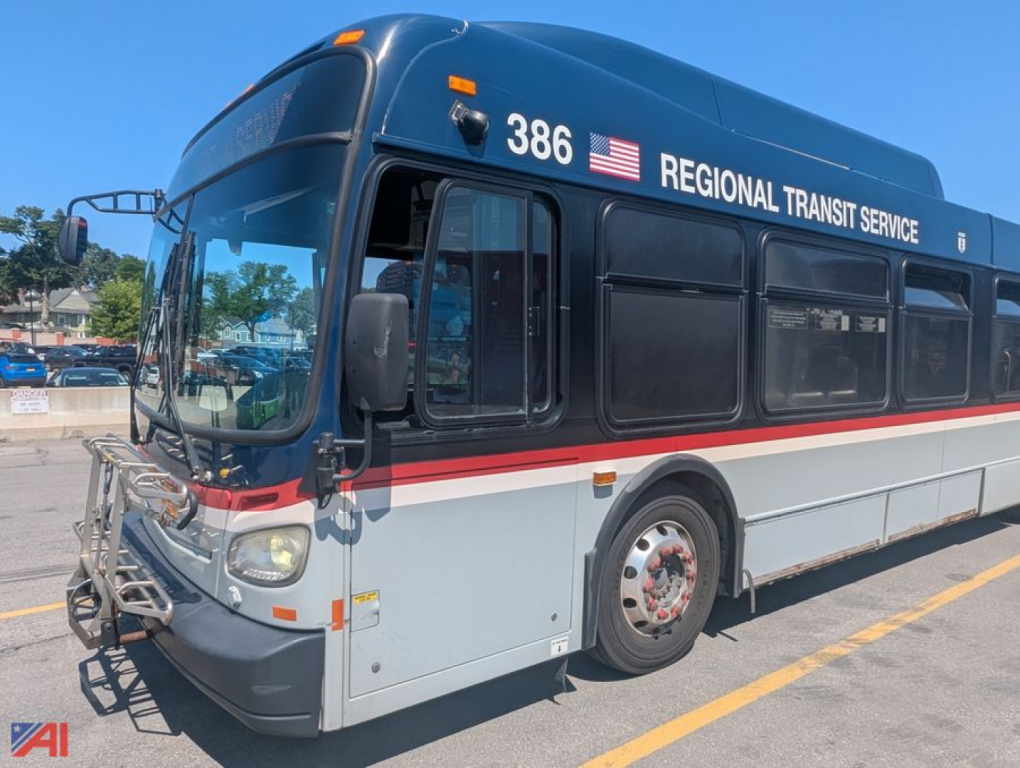
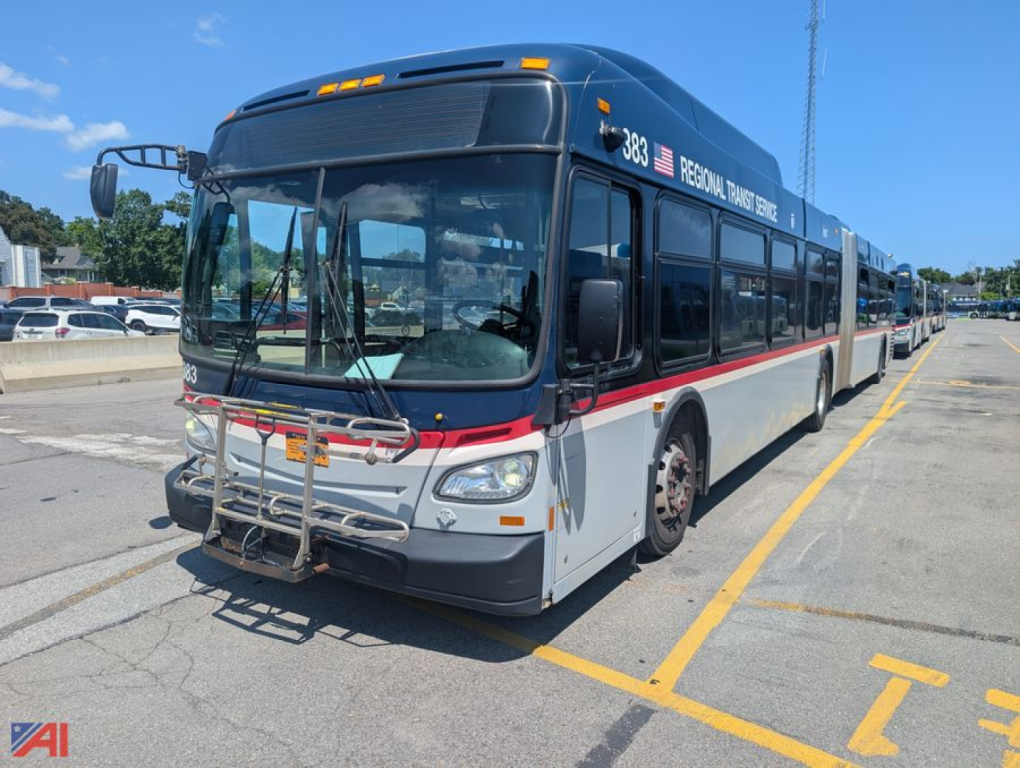
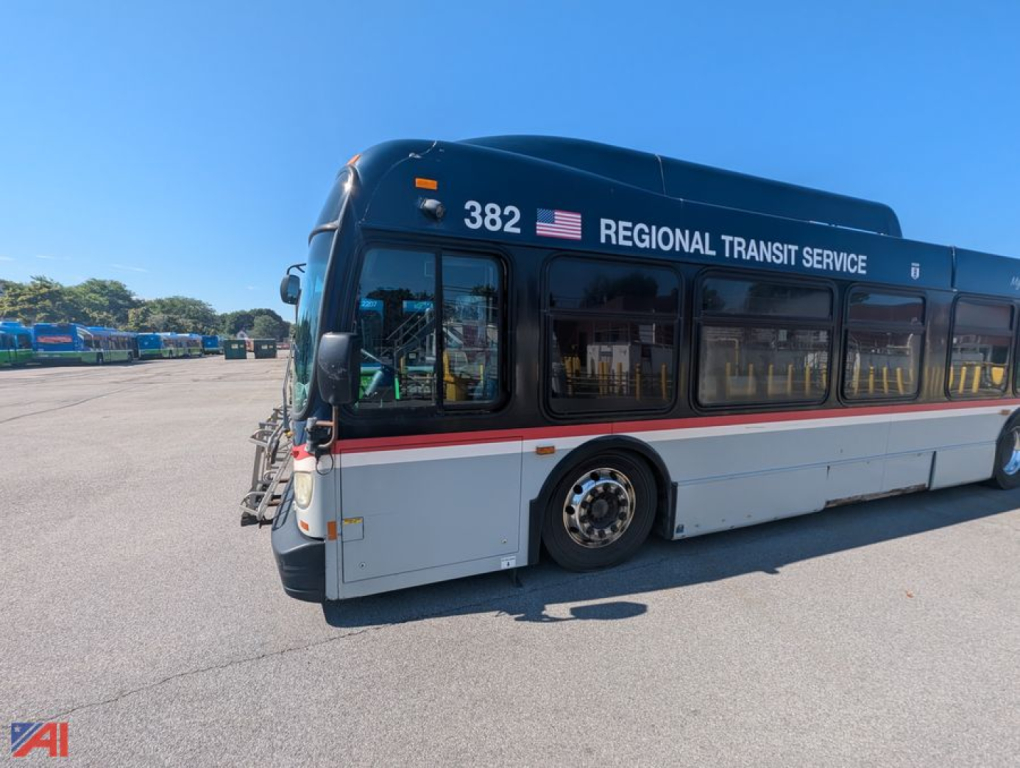
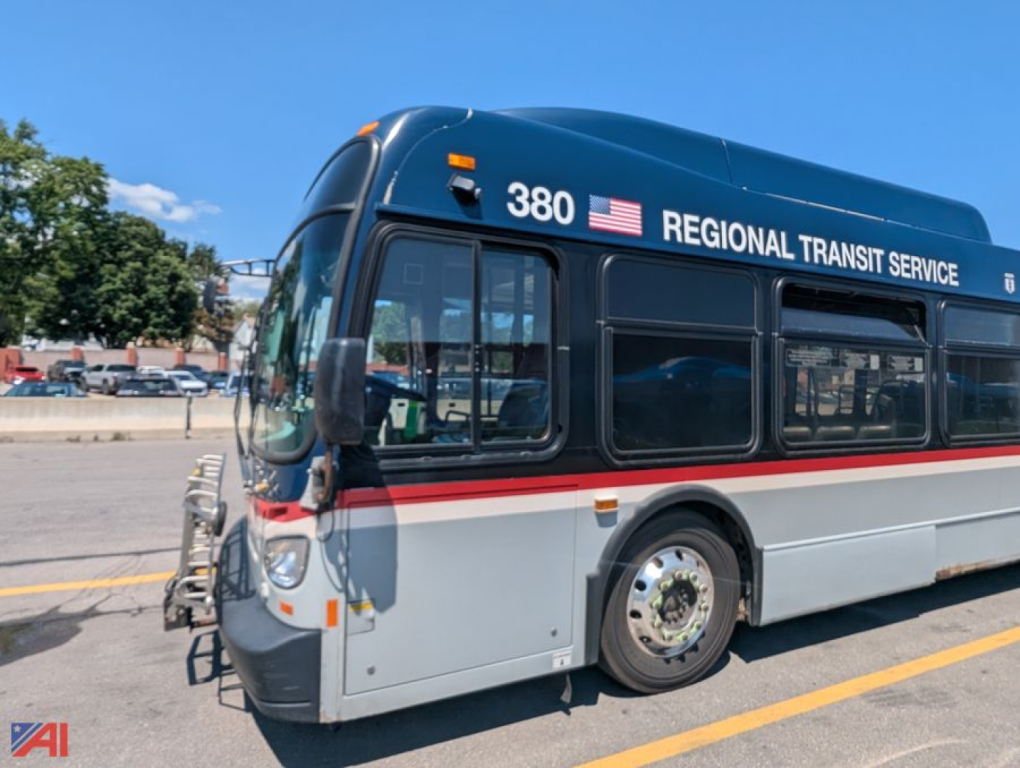
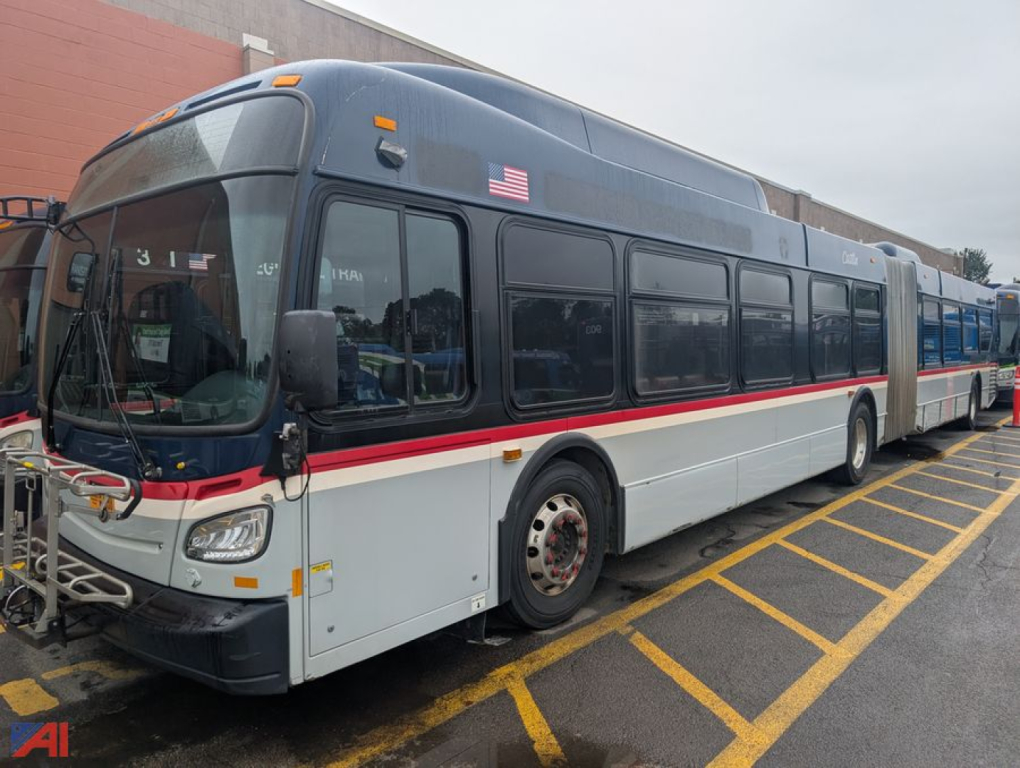
Have used new flyer truck to sell? List it here to reach thousands of buyers.
Used New Flyer Trucks
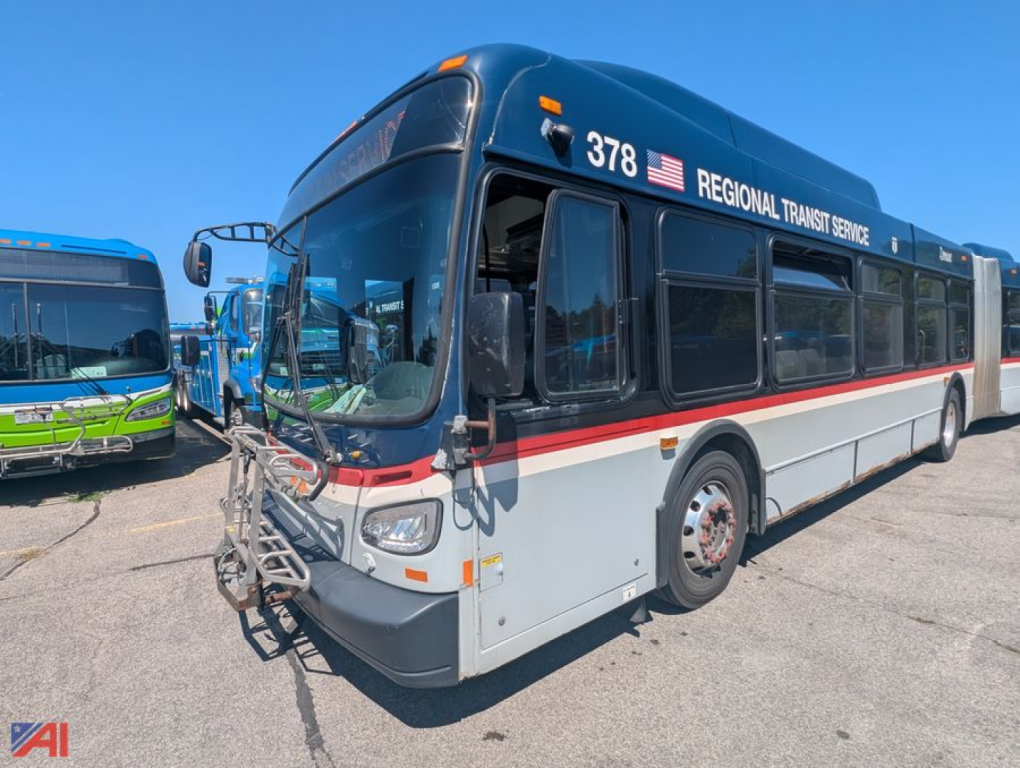
Powertrain and emissions spec matter more here than cosmetics. Many used New Flyer units were built with diesel, CNG, hybrid, or battery-electric configurations depending on the fleet they came from. On diesel models, verify engine make, transmission model, emissions system history, and idle hours along with mileage. On articulated buses, pay close attention to the center articulation joint, bellows condition, axle service records, and steering component wear. Transit buses live in stop-and-go duty cycles, so brake wear, suspension condition, cooling system performance, and door mechanism function deserve close inspection. If the unit came out of public agency service, maintenance documentation can be a major advantage because many municipal fleets follow strict PM schedules.
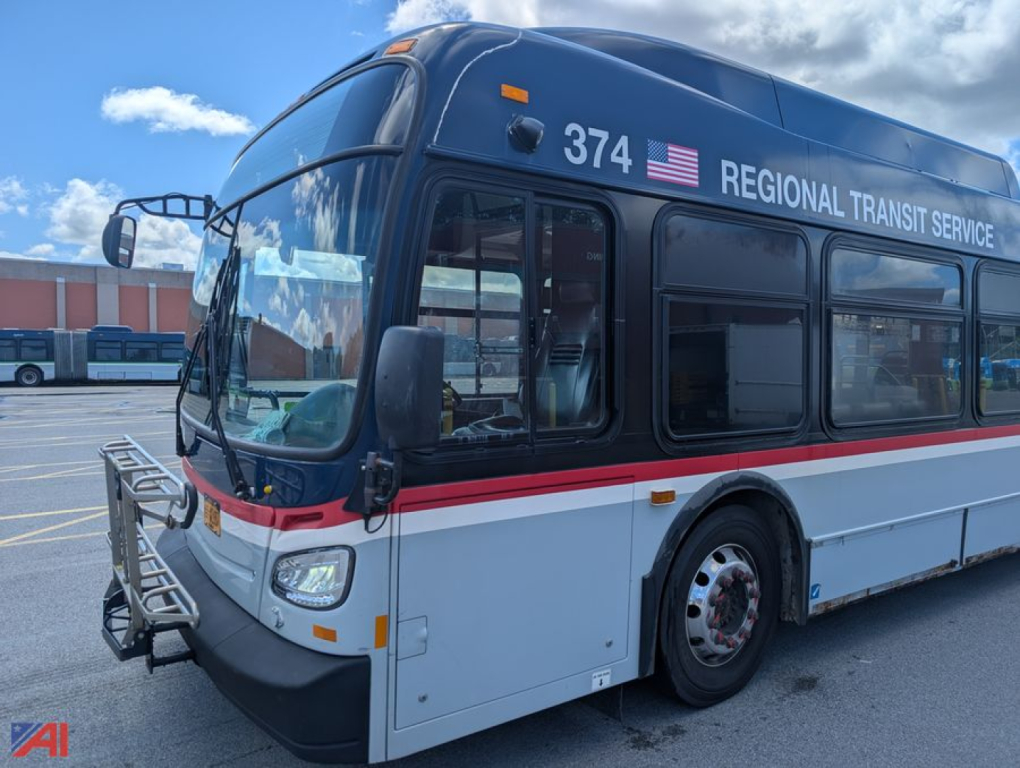
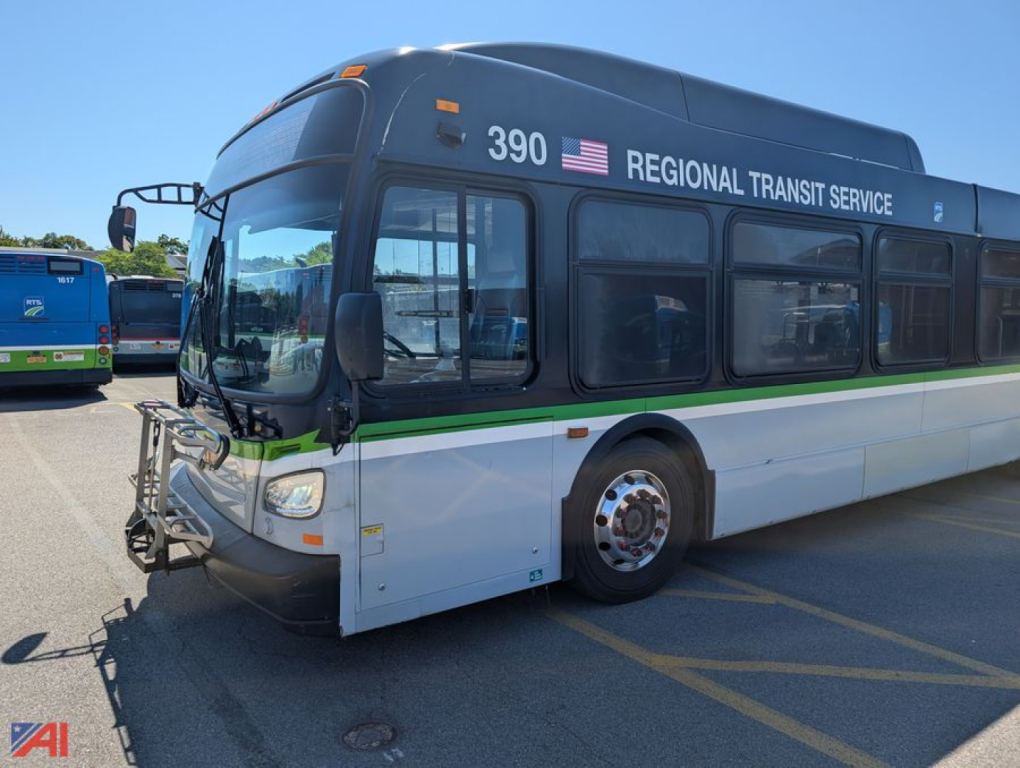
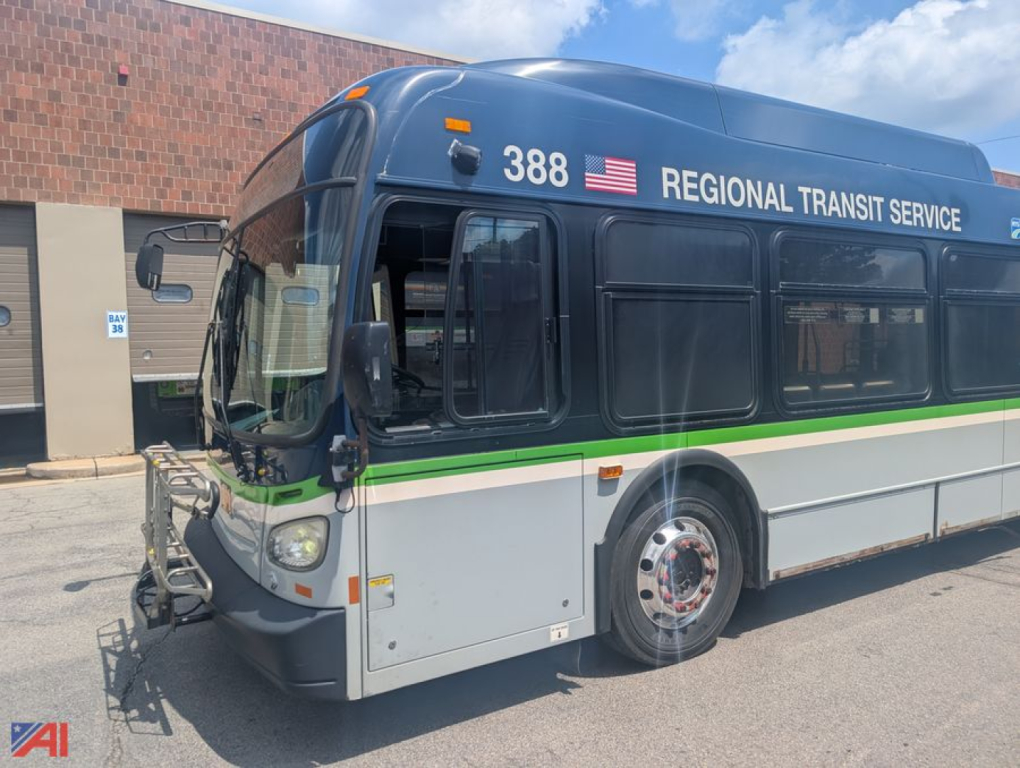
Dimensional fit and service environment should drive the buying decision. A 60-foot articulated New Flyer offers excellent passenger capacity but requires the turning radius, lane space, and shop access to match. Low-floor layouts speed boarding and improve accessibility, but floor structure, ramp function, and corrosion around stepwells and entry points should be checked carefully on older units. Buyers using these units for employee transportation, church groups, event shuttles, or private contract work should confirm seating layout, HVAC performance, destination sign operation, and local compliance requirements before purchase. Some retired transit units may need interior reconfiguration or branding removal before entering private service.
Parts support and technician familiarity are practical ownership factors. New Flyer has broad fleet presence across North America, which helps with sourcing many chassis, body, and transit-system components, but exact support depends on model year and propulsion type. Electronic multiplex systems, fare equipment wiring, wheelchair systems, and agency-specific add-ons can complicate repairs if the bus was built for a large public fleet. Buyers comparing used New Flyer equipment should weigh passenger capacity, propulsion type, structural condition, and service records first. A well-maintained transit bus can still deliver long useful life in secondary service, but the best value usually comes from matching the vehicle’s original duty cycle to the work you need it to do now.
Frequently Asked Questions about Used New Flyer Trucks
What is a used New Flyer vehicle typically used for?
A used New Flyer vehicle is typically used for public transit, airport shuttle work, university transportation, employee movement, and other high-capacity passenger applications. Most New Flyer units are purpose-built transit buses with low-floor access, wide doors, and layouts designed for frequent stops rather than long-haul travel. Buyers in private service often use them for shuttle routes, event transportation, or institutional fleets where durability and passenger flow matter more than luxury features.
What should I inspect first on a used New Flyer XD60 or other articulated transit bus?
Start with the articulation system, structural condition, and maintenance records. On an articulated New Flyer, the center joint, bellows, axle alignment, steering components, and suspension condition are critical because these parts see constant stress in urban service. After that, review engine or propulsion system history, transmission performance, door operation, wheelchair ramp function, and signs of corrosion around the floor, wheel housings, and entry areas.
Are used New Flyer buses available with different powertrains?
Yes. Used New Flyer buses can be found with diesel, compressed natural gas, hybrid, and battery-electric powertrains depending on the original fleet specification. The best choice depends on your fueling access, technician support, route profile, and emissions requirements. Diesel units are often simpler for secondary buyers to place into service, while CNG, hybrid, and electric models require more specialized infrastructure and technical support.
Do municipal fleet maintenance records add value on a used New Flyer bus?
Yes, detailed municipal maintenance records can add significant value because they help document preventive maintenance intervals, major component replacements, recalls, and recurring repairs. Public transit agencies often follow strict service schedules, which can make it easier to evaluate the true condition of the bus beyond the odometer. Records are especially important on emissions systems, cooling systems, articulation service, and ADA equipment repairs.
Is a low-floor New Flyer bus a good fit for private shuttle service?
A low-floor New Flyer bus can be an excellent fit for private shuttle service if the route involves frequent boarding, mixed passenger mobility, or high throughput. Low-floor construction improves accessibility and cuts dwell time at stops, which is valuable for campuses, airports, and industrial sites. The buyer should still confirm local registration rules, passenger seating requirements, ramp condition, and whether the vehicle’s size and turning radius fit the intended route.