
Commercial Trucks For Sale in Montana
Shop heavy duty trucks for sale in Montana. Compare sleeper, day cab, dump, and box truck specs for mountain grades and cold-weather performance.
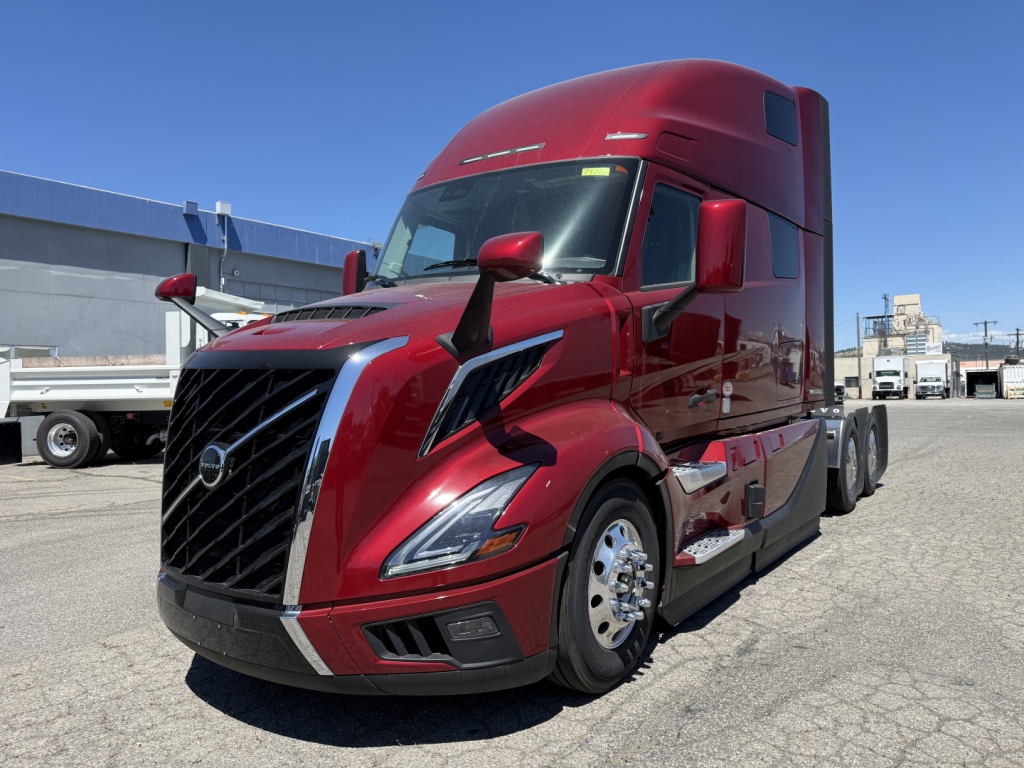
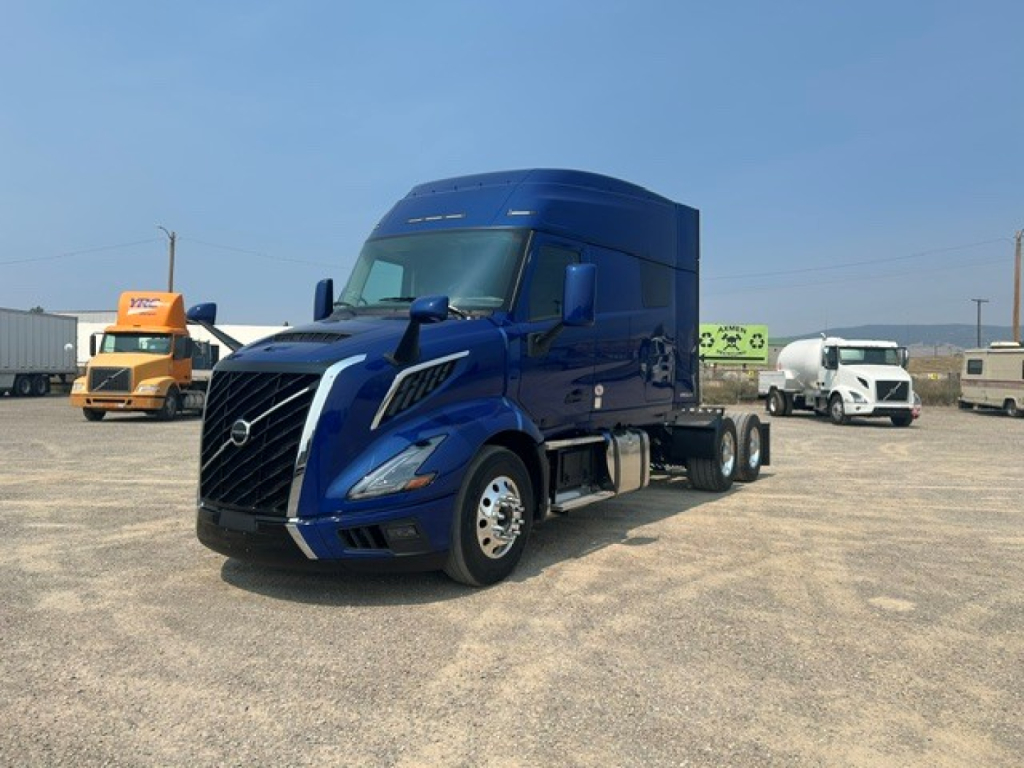
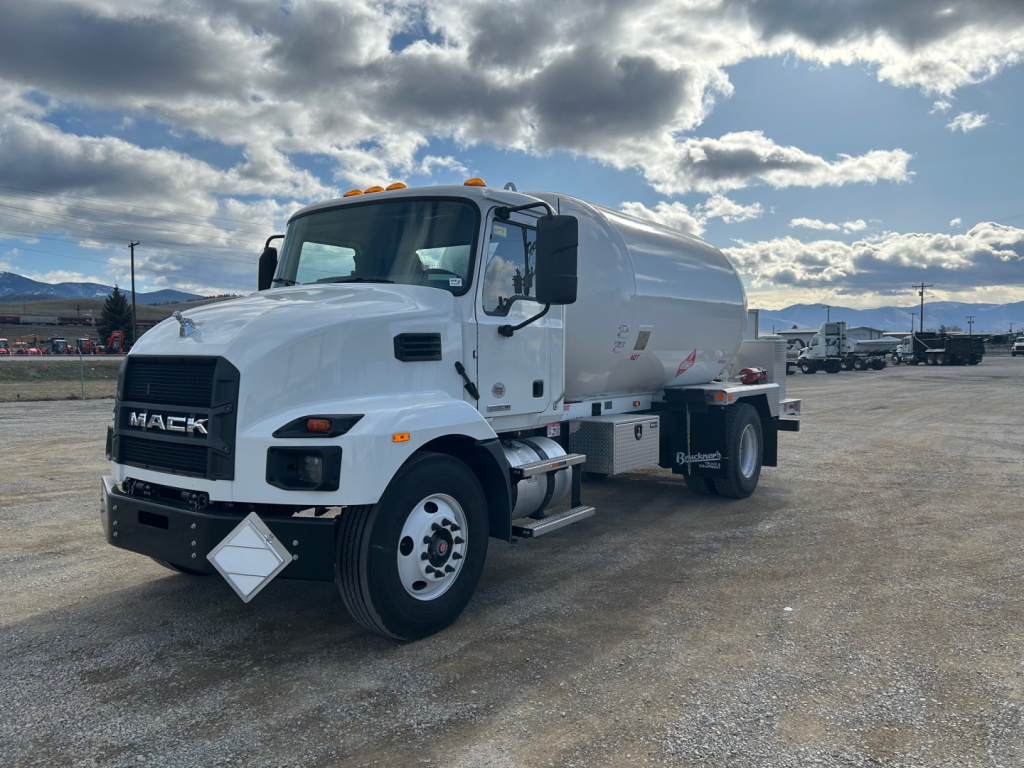
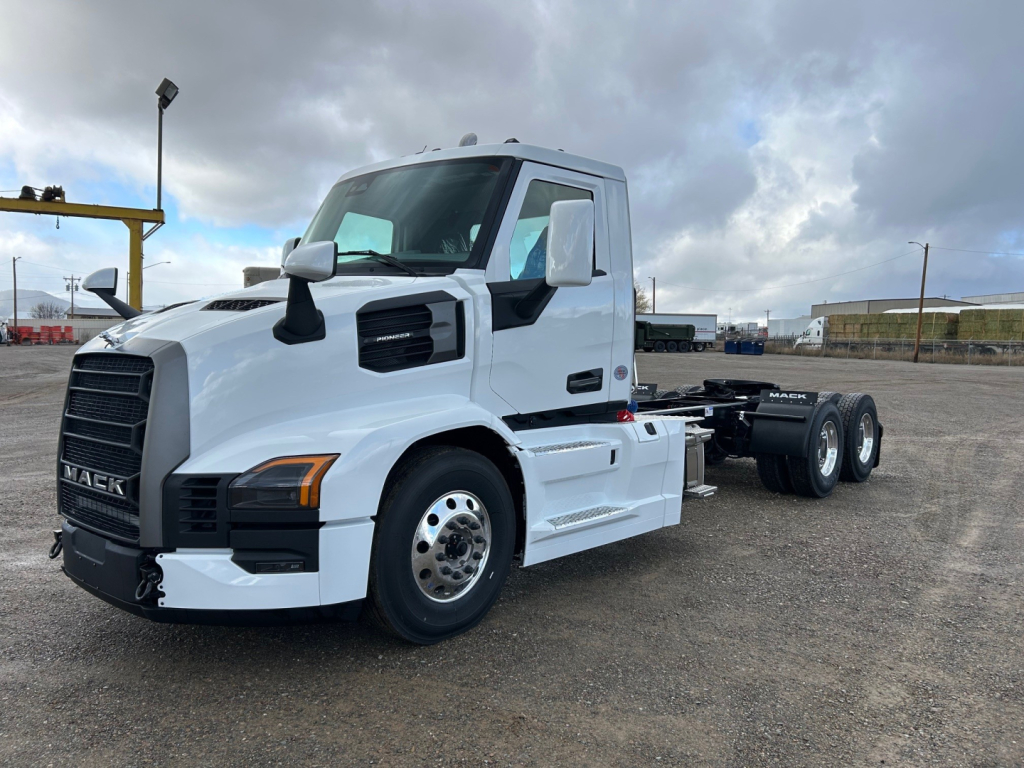
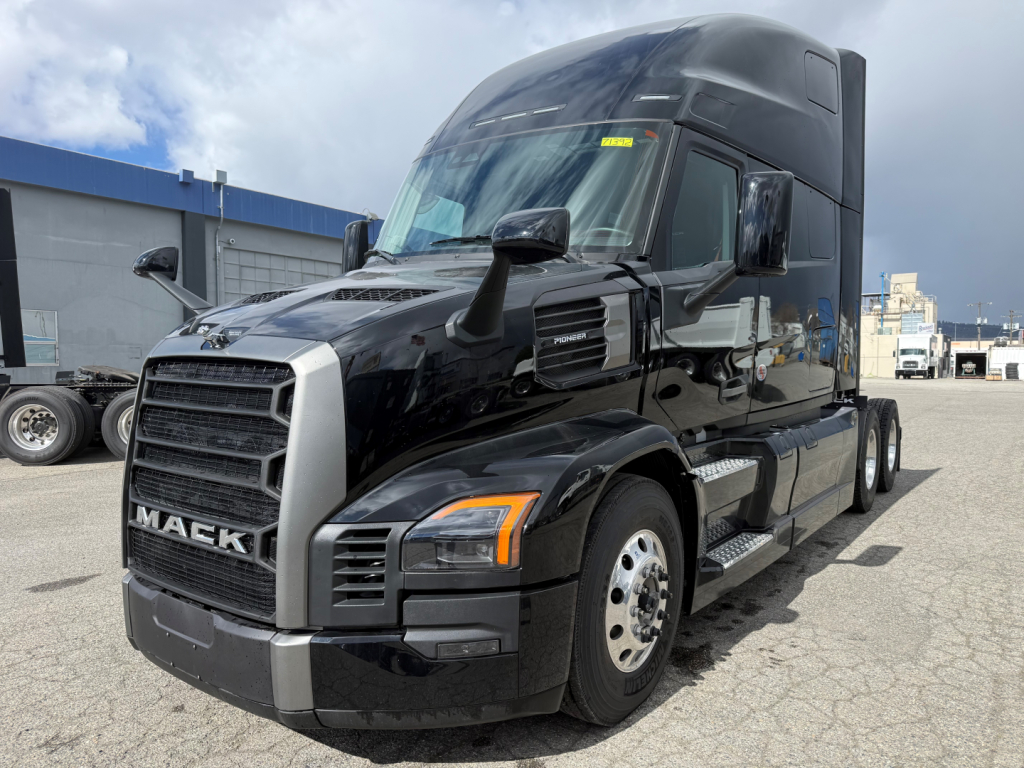
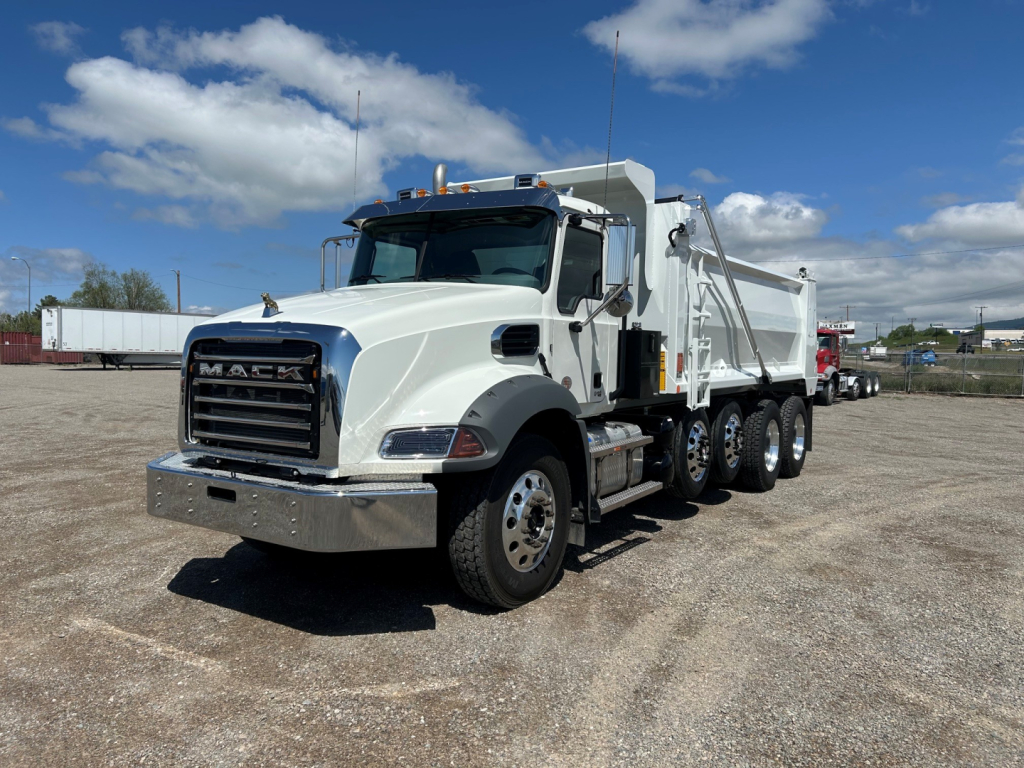
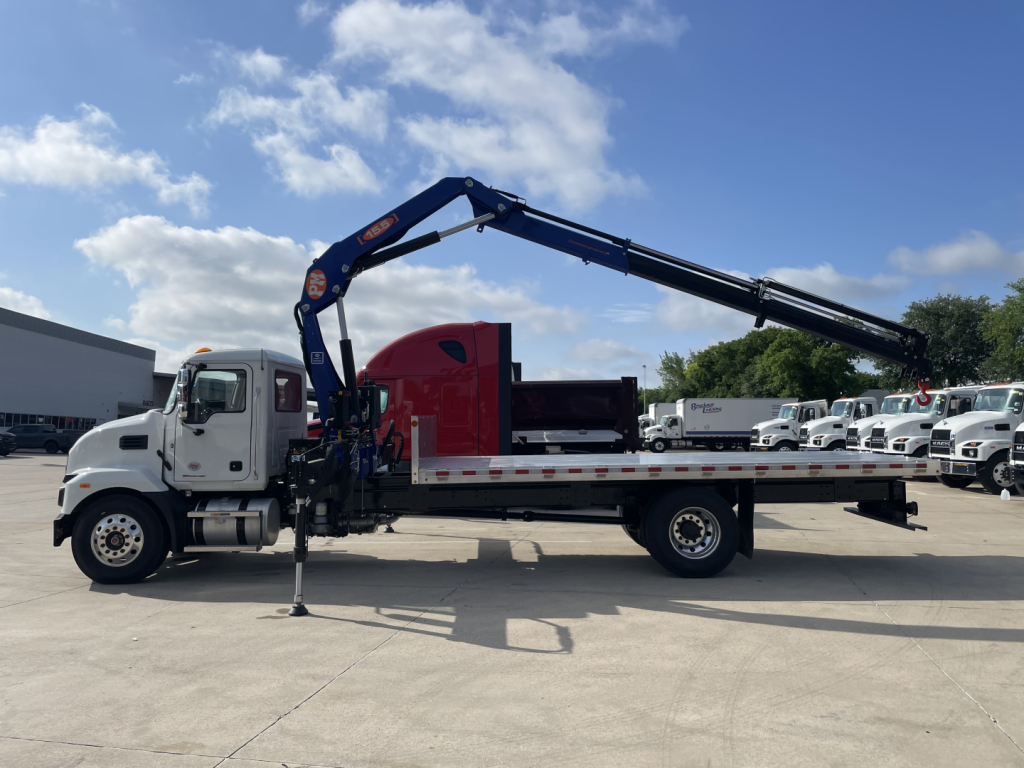

Selling a commercial truck? List your commercial truck for sale and reach thousands of commercial buyers.
Commercial Trucks in Montana
For long-haul and regional semi trucks, choose between aero sleeper tractors for statewide and interstate runs or day cabs for local freight and agriculture lanes. Automated manuals with hill-hold and creep mode reduce driver fatigue in traffic and on grades, while 13 or 18 speed manuals offer precise control for steep approaches and chain-required segments. Tire choices matter in winter. Closed-shoulder drives balance fuel economy and traction; open-lug drives or dedicated traction tires improve bite in snow at the expense of wear and noise. Spec auto tire inflation systems to protect tread life across temperature swings, and consider larger fuel capacity to stretch between rural fueling points.
Vocational trucks for Montana’s logging, construction, oilfield, and municipal work benefit from heavy frames and axles. Double frame rails, full locking differentials, and 46K to 52K tandem rears help on soft landings and steep forest roads. Set-forward steer axles, 16K to 20K steer ratings, and liftable pusher or tag axles aid bridge weight compliance on county routes. Suspension choice is application driven. Hendrickson Haulmaax, Chalmers, or Camelback type suspensions offer durability off-highway, while air ride improves ride quality for mixed duty. Many dump, snowplow, water, and service trucks rely on PTO-driven hydraulics. Allison automatics pair well with frequent stop-and-go or plowing, and can be ordered with retarder options for added downhill control. Straight trucks like box trucks, also known as dry van straight trucks, are common for retail and parcel routes and are often spec’d with 26 ft bodies, liftgates, and aluminum wheels to shed weight.
Cold-weather prep is a must. Block heaters, winter fronts, heated mirrors, heated fuel filters, and high-CCA batteries improve reliability below zero. Modern DEF tanks include heaters, but verify aftertreatment warm-up performance and inspect for fault history. Bunk heaters or APUs reduce idling on overnight stops without sacrificing cab heat. Check for magnesium chloride corrosion on frames, wiring, and brake components, and inspect scuff liners and underbody protection if the truck has run winter maintenance routes. For used units, review maintenance records for turbo, EGR, and DPF work, and match wheelbase, fifth wheel height, and kingpin settings to your trailers and weight targets before committing.
Frequently Asked Questions about Commercial Trucks in Montana
What drivetrain specs work best for Montana’s mountain passes?
A balanced spec pairs a 13 or 15 liter engine with a ratio that supports both startability and downhill control. Many operators favor 3.08 to 3.36 with an overdrive transmission for mixed terrain, or a slightly taller ratio with an automated manual calibrated for hills. Full engine brake capability is essential, and disc brakes help resist fade on long descents. Add interaxle lock, traction control, and chain hangers for winter requirements.
How should I spec a truck for extreme cold starts and winter reliability?
Look for a factory cold-weather package with a 110V block heater, heated mirrors, winter front, and an air dryer cold kit. High-CCA AGM batteries, 5W-40 synthetic engine oil, and heated fuel filter bases prevent no-starts and fuel gelling. Verify DEF tank and line heaters function correctly, and consider a bunk heater or APU to minimize idle. Automatic tire chains or quality conventional chains are helpful for mountain passes.
Are automated manual transmissions a good choice for Montana hills and job sites?
Yes, modern AMTs with hill-hold, low-speed creep, and smart downshift logic perform well on grades and reduce driver fatigue. They pair effectively with downsped rear ratios for fuel economy, yet can still deliver controlled launches on inclines. For heavy off-road or plow work, many buyers still prefer Allison automatics for smooth torque delivery. Traditional 13 or 18 speed manuals remain a strong option when maximum control and simplicity are priorities.
What specs matter on vocational trucks for logging, construction, or municipal work?
Focus on frame strength, axle ratings, and traction. Double frames, 16K to 20K steer axles, 46K to 52K tandems, and full locking differentials handle steep or soft ground. Choose rugged suspensions like Haulmaax, Chalmers, or Camelback for off-road use. PTO provisions, high-capacity cooling, and heavy-duty bumpers or plow mounts are common. For weight-sensitive routes, consider aluminum wheels and careful body spec to hit target payloads.
What should I inspect on a used truck that has run in Montana?
Check for corrosion from winter de-icers on frame rails, crossmembers, air tanks, brake lines, and electrical connectors. Review aftertreatment history for DPF, DOC, and doser service, and confirm engine-brake function. Inspect radiator and charge air cooler for debris or leaks from mountain operations. Verify cold-start equipment, tire condition suited to winter, and match wheelbase and fifth wheel height to your trailer fleet and bridge weight targets before purchase.