
Used Mixer Trucks For Sale in Texas
Browse used mixer trucks for sale in Texas. Compare drum capacity, bridge compliance, axle setup, drivetrain, chute condition, and mixer hours.
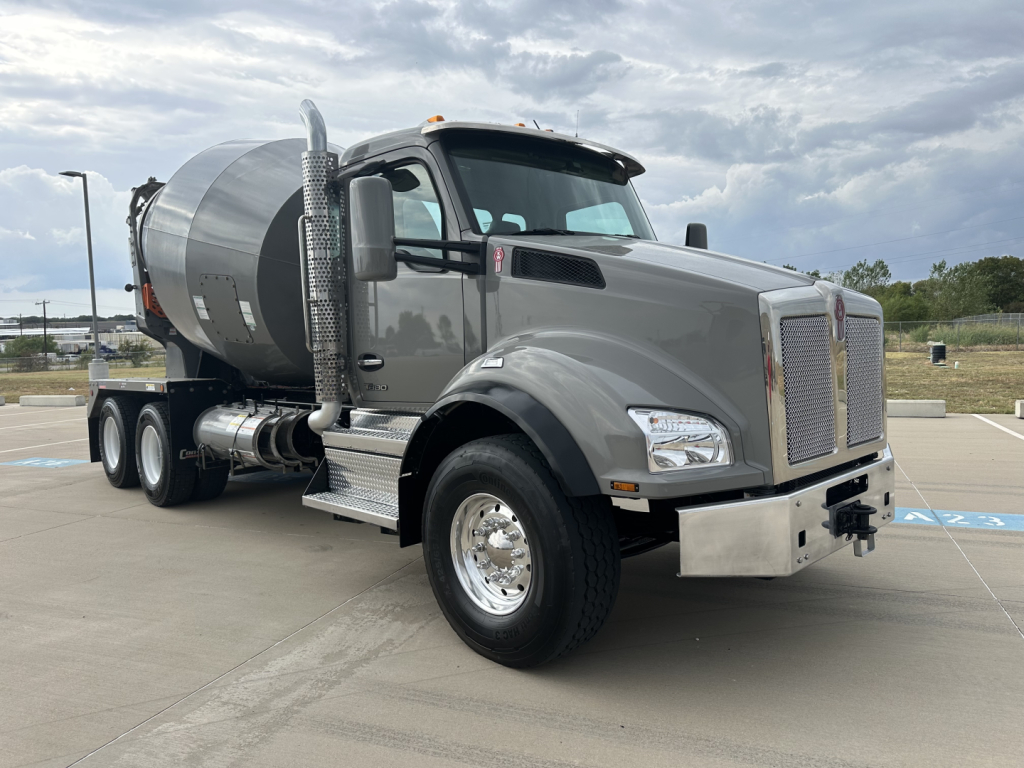
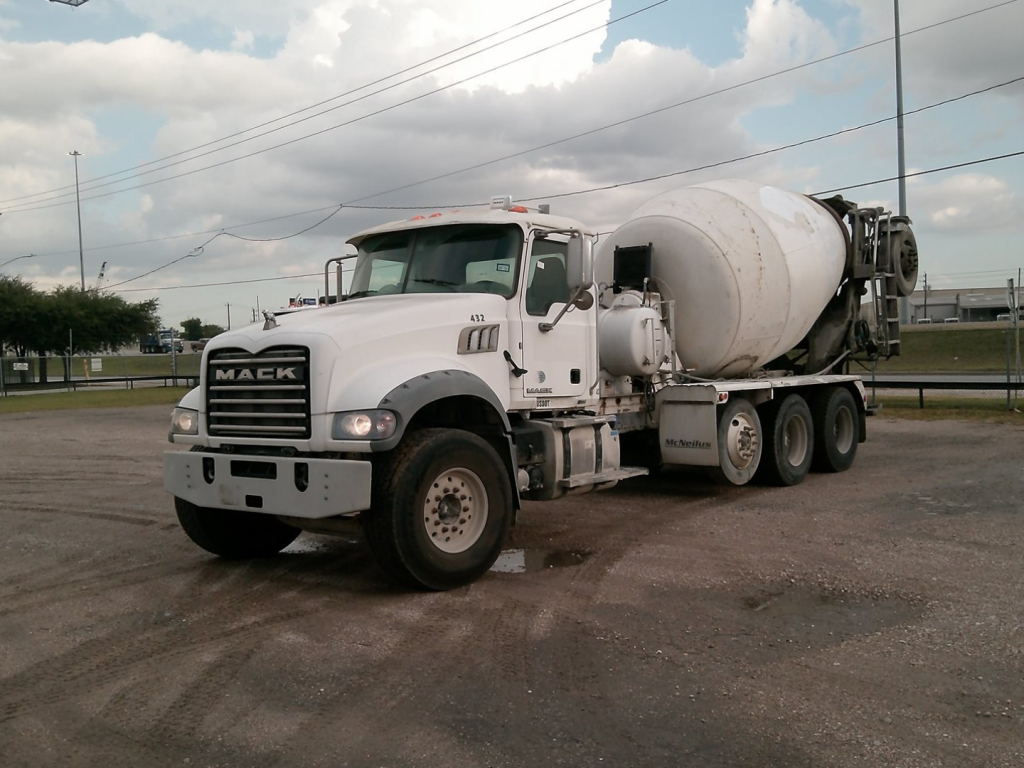
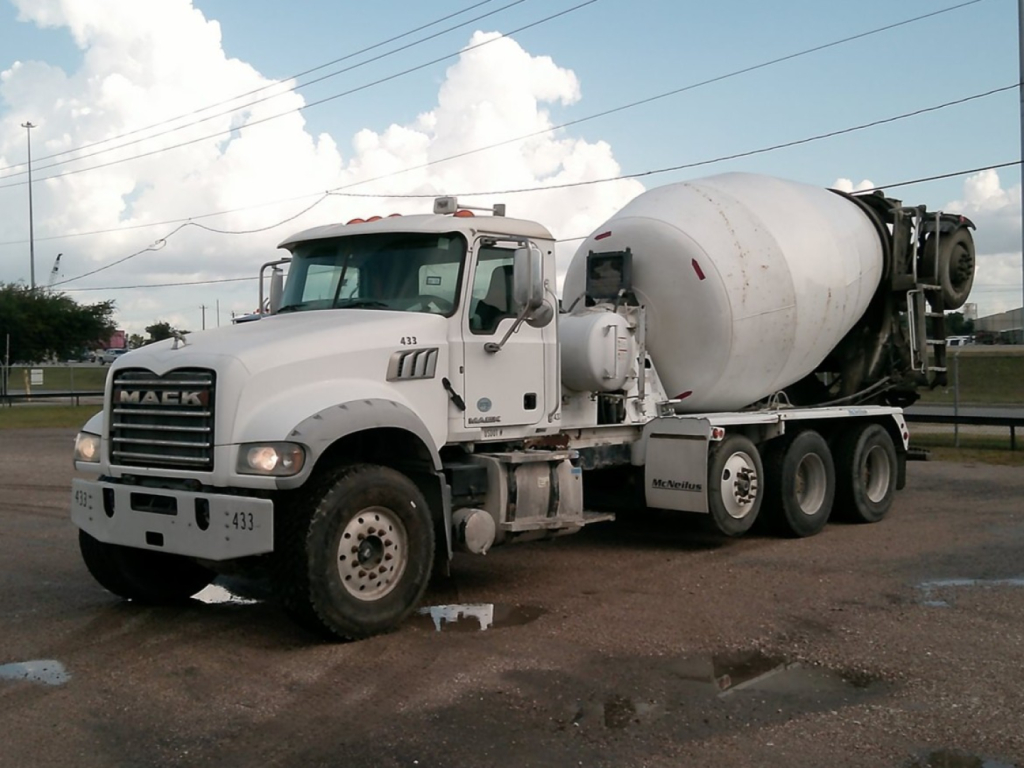
Selling a used mixer truck? List your used mixer truck for sale and reach thousands of commercial buyers.
Used Mixer Trucks in Texas
Common configurations include tri-axle and quad-axle setups, with front discharge and rear discharge mixers both represented depending on the operation. Rear discharge trucks are still common for many producers and contractors, while front discharge units can improve visibility and reduce dependence on a second worker when placing concrete. Typical power ranges land around 350 to 450 horsepower, often paired with automated manual, heavy-duty automatic, or vocational manual transmissions. Low-creeper gearing matters on mixer trucks because concrete placement often requires precise low-speed control on muddy sites, inclines, and tight urban pours. Suspension ratings, pusher or tag axle design, wheelbase, and frame strength all affect legal load, maneuverability, and chute reach.
On a used mixer truck, the mixer package deserves as much attention as the chassis. Drum shell thickness, fins, rollers, gearbox, hydraulic pump, water tank, chute pivots, and ladder structure all take wear. Excess buildup inside the drum cuts effective capacity and adds dead weight, so inspection should include signs of concrete carryover and prior maintenance habits. Check mixer hours if available, not just engine miles, because some trucks live in severe PTO and hydraulic service with relatively modest road mileage. Rust is generally less aggressive in much of Texas than in northern states, but drum supports, subframe mounts, rear pedestals, and water plumbing still need a close look. Buyers should also verify remaining tire life, brake condition, steer axle ratings, and any evidence of frame cracking around high-stress mounting points.
The best used mixer truck for a Texas fleet depends on route length, plant-to-job distance, and the type of pours being handled. Residential flatwork, municipal work, oilfield-related construction, and large commercial foundations all put different demands on payload, turning radius, and discharge setup. Mack Granite mixer trucks are common in this segment because of their vocational chassis design, but buyers will also compare similar units from Kenworth, Peterbilt, Freightliner, Western Star, and Oshkosh depending on age and application. A strong candidate is one with a documented maintenance history, consistent drum care, correct axle spec for local weight rules, and a drivetrain matched to frequent starts, jobsite crawling, and PTO-driven mixer work.
Frequently Asked Questions about Used Mixer Trucks in Texas
What should I look at first on a used mixer truck?
Start with axle configuration, legal payload potential, and overall mixer condition. On a used mixer truck, the drum, hydraulic system, rollers, gearbox, and chute assembly can be just as important as the engine and transmission. A truck with acceptable miles but heavy drum buildup, worn fins, or poor hydraulic performance may cost more to correct than a higher-mile truck with solid mixer maintenance records.
How important is transmission choice on a mixer truck?
Transmission choice matters because mixer trucks spend a lot of time in stop-and-go traffic, jobsite crawling, and precise low-speed positioning. Automated manuals and heavy-duty automatics are common because they reduce driver fatigue, but many buyers still value vocational manual transmissions with deep reduction or ultra-low creeper gearing. The right setup depends on terrain, driver preference, and how often the truck must back into tight forms or move slowly during placement.
What is the difference between front discharge and rear discharge mixer trucks?
Front discharge mixer trucks let the driver control placement from the cab and typically improve forward visibility during discharge. Rear discharge mixer trucks usually rely more on chute handling behind the truck and may require additional labor for placement, but they remain common and familiar in many fleets. The best choice depends on crew size, jobsite access, placement style, and how much maneuvering is required at the pour.
Do miles matter more than mixer hours on a used concrete mixer truck?
Both matter, but mixer hours can tell you more about real vocational wear. A concrete mixer truck may show moderate road mileage while still having extensive PTO, hydraulic, and drum operating time from daily batch cycles. Buyers should compare odometer readings with engine hours, PTO usage if available, and overall wear on the drum system, chute package, and cab controls.
Why does Texas application matter when buying a used mixer truck?
Texas fleets often deal with long plant-to-job travel, high ambient temperatures, and a mix of urban and rough-access jobsites. That makes cooling system performance, suspension durability, axle ratings, and tire condition especially important. A mixer truck that is well-suited for short city runs in another market may not be the best fit for higher-speed regional hauling and heat exposure common in many parts of Texas.