
Used Mixer Trucks For Sale
Browse used mixer trucks for concrete hauling. Compare drum size, axle setup, bridge formula specs, engine power, transmission, and body condition.

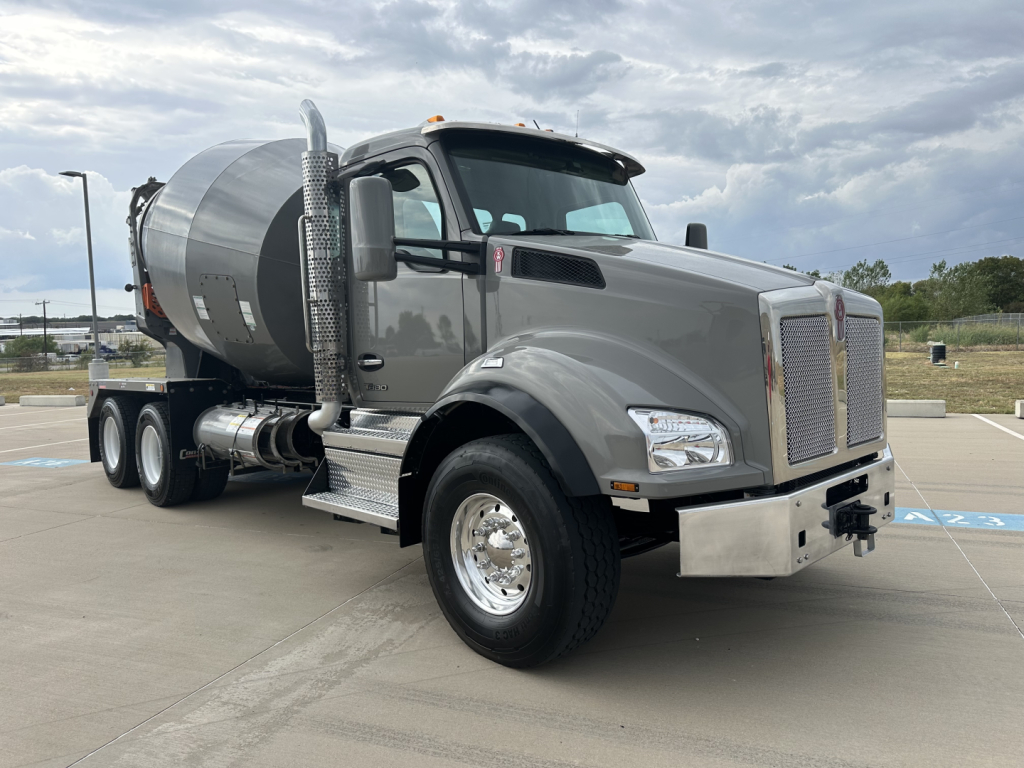
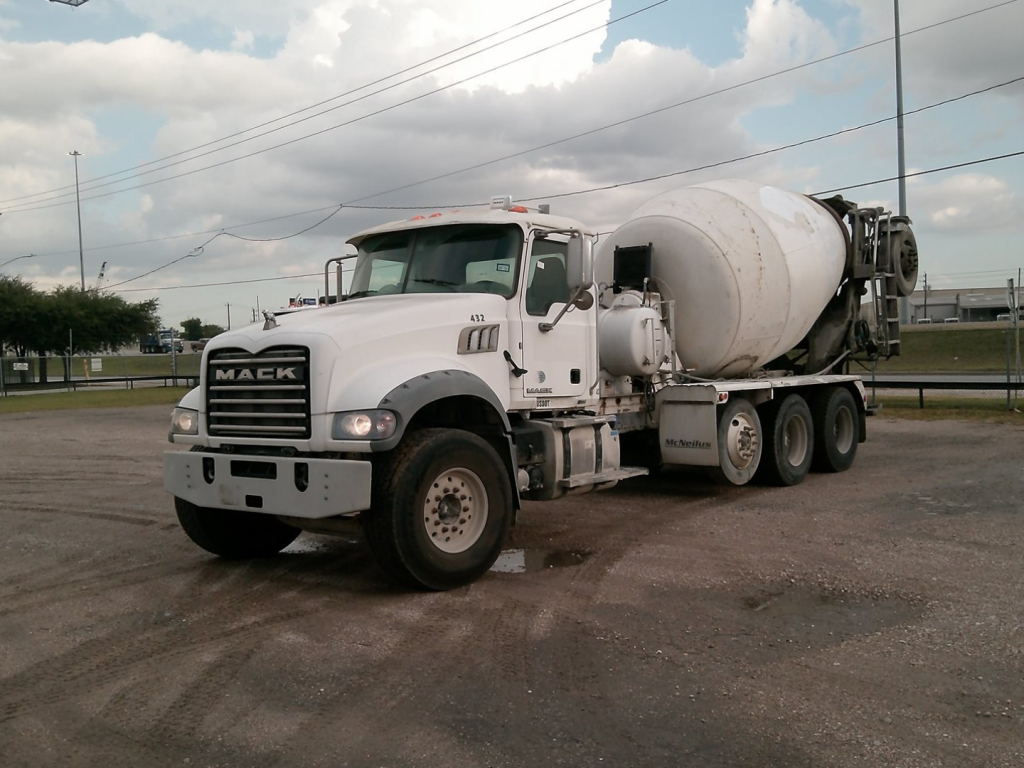
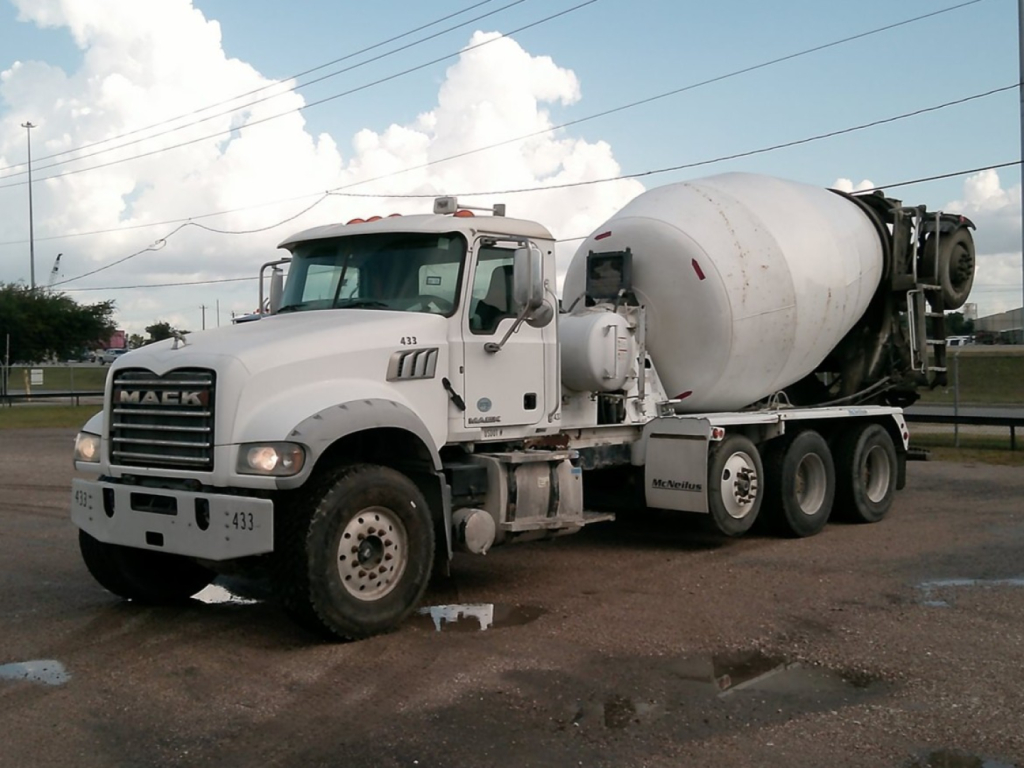
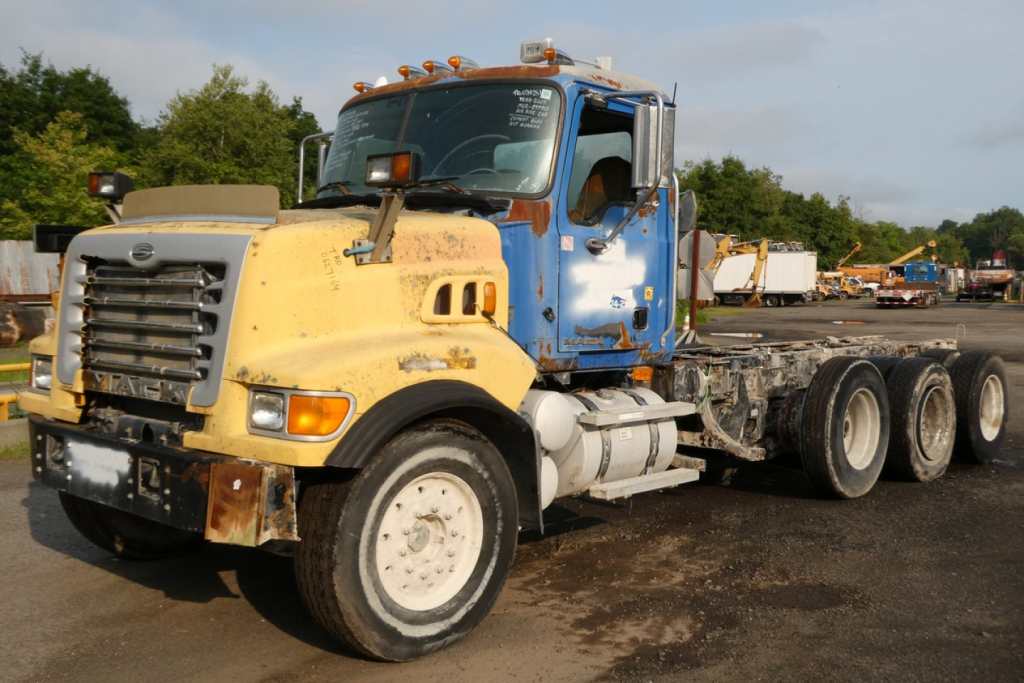
Selling a used mixer truck? List your used mixer truck for sale and reach thousands of commercial buyers.
Used Mixer Trucks
Frequently Asked Questions about Used Mixer Trucks
What should I check first on a used mixer truck?
Start with the mixer package, not just the cab and engine. Drum condition, ring gear wear, rollers, hydraulic pump performance, chute structure, water system operation, and mixer controls matter as much as engine hours or odometer mileage. A truck can run well but still need expensive drum or hydraulic work. Buyers should also verify how the mixer body mounts to the frame, check for cracks around pedestals and subframe areas, and confirm the drum turns smoothly under load and at idle.
What drum size is most common on used mixer trucks?
The most common used rear discharge mixer trucks are in the 10.5-yard to 11-yard class. That size range fits a broad mix of municipal, residential, and commercial concrete work while staying practical on severe-duty chassis. Actual payload depends on concrete weight, axle ratings, local bridge formula rules, and how the truck is spec'd, so the nominal yard rating should not be treated as the legal hauling capacity in every state or application.
Are automatic transmissions common in mixer trucks?
Yes. Allison automatic transmissions are very common in mixer trucks because they handle constant stop-and-go driving, repeated starts on uneven jobsites, and PTO or hydraulic mixer operation well. Some newer used units also have automated manual transmissions, especially on late-model severe-duty chassis. The right choice depends on driver preference, service support, and route profile, but many concrete fleets still prefer full automatics for durability and ease of operation.
What axle setup is best for a used mixer truck?
Tri-axle is the most common setup for general ready-mix work, but the best axle configuration depends on local weight laws and delivery routes. A bridge formula or bridge-spec truck can be critical in states with strict axle spacing rules because it helps maximize legal payload. Buyers working in tighter urban jobsites may prioritize wheelbase and turning radius, while heavier production work may justify lift axles, booster axles, or heavier front and rear axle ratings.
How important is chassis mileage on a used concrete mixer truck?
Mileage matters, but service history and mixer-body condition often matter more. Mixer trucks usually spend their lives in severe stop-start duty, low-speed operation, jobsite exposure, and PTO or hydraulic use, so wear does not always correlate cleanly with miles alone. Engine maintenance, transmission condition, suspension wear, frame integrity, and documented drum or hydraulic repairs are often better indicators of remaining value than the odometer by itself.