
Mack Mixer Trucks For Sale in Arkansas
Browse Mack mixer trucks for sale in Arkansas. Compare axle setups, drum capacity, bridge compliance, and vocational specs for concrete hauling.
No exact matches found for your search
Showing Mack Mixer Trucks instead.
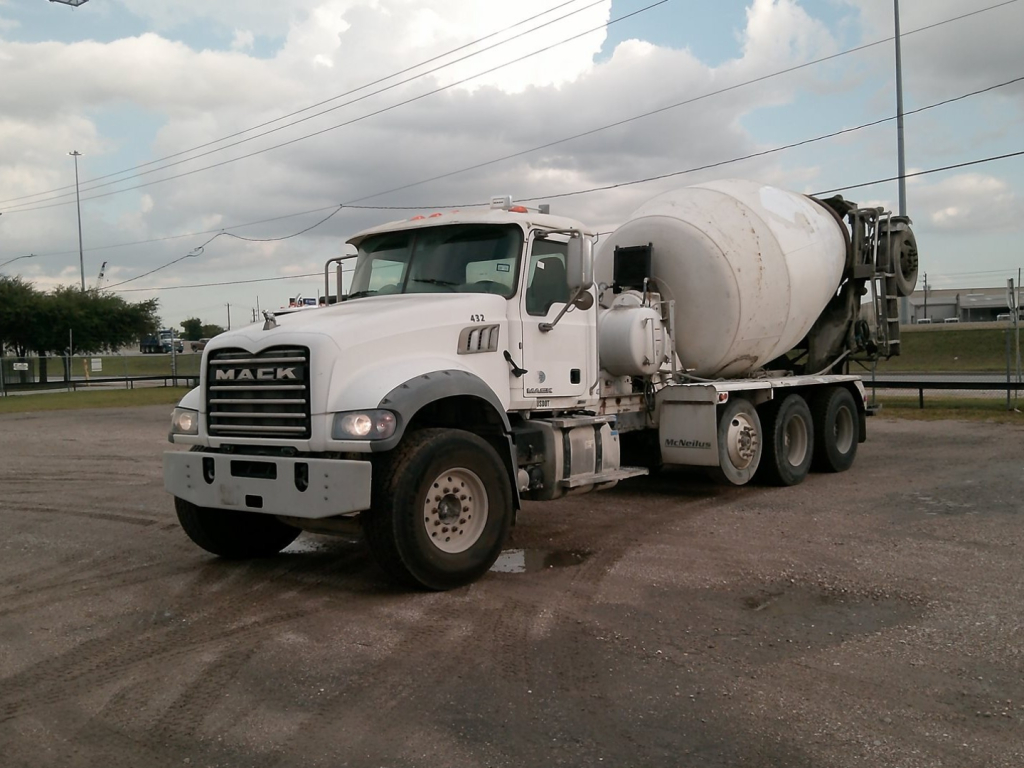
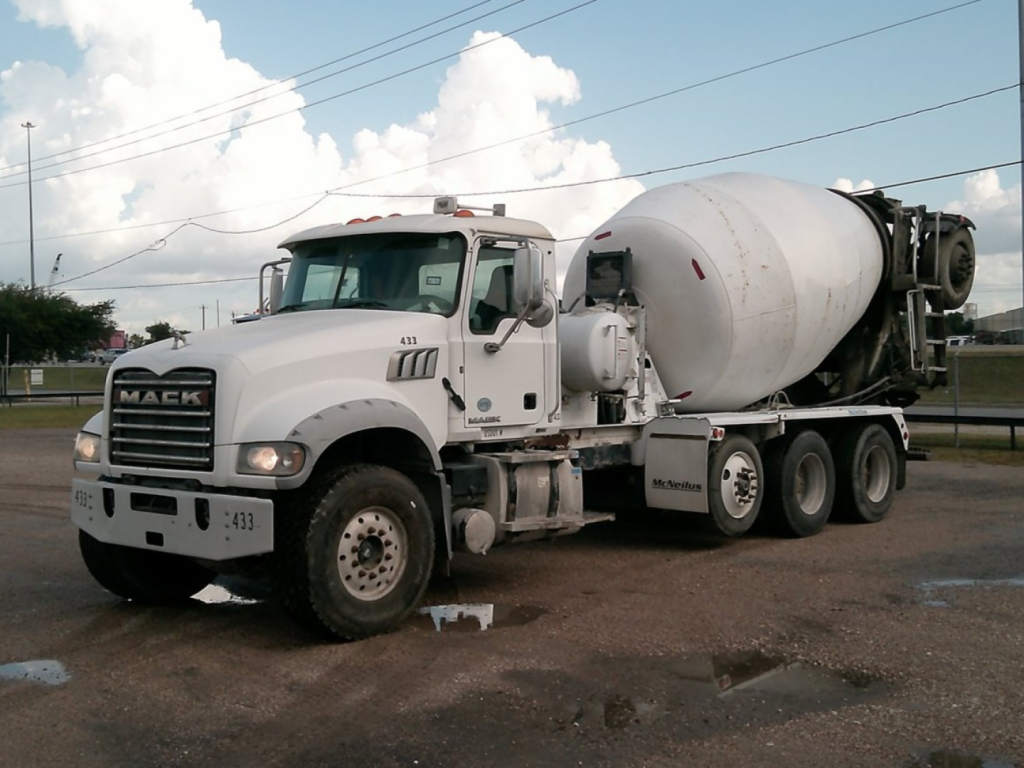
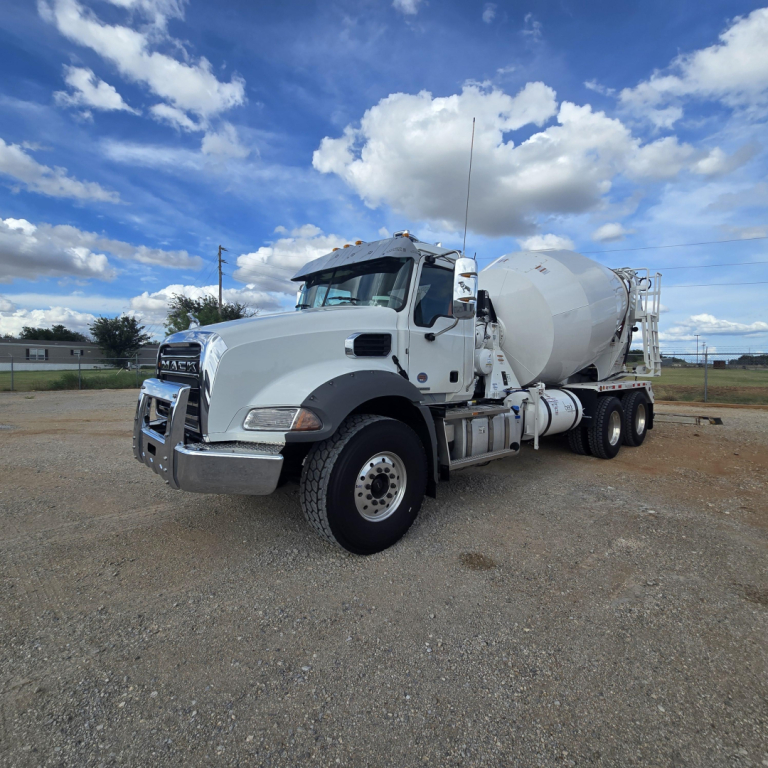
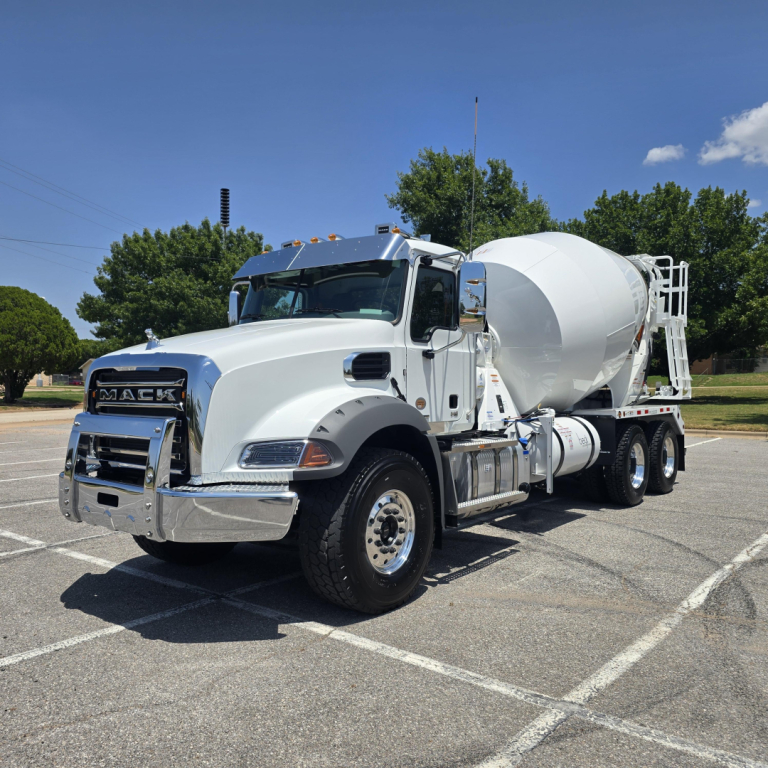
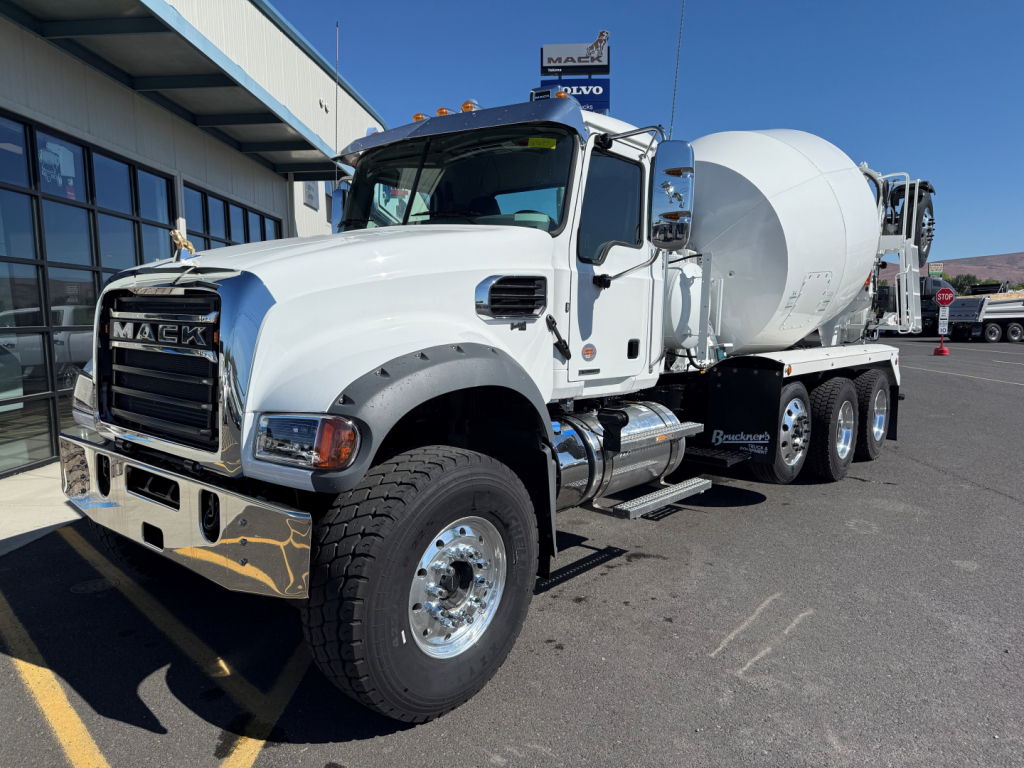
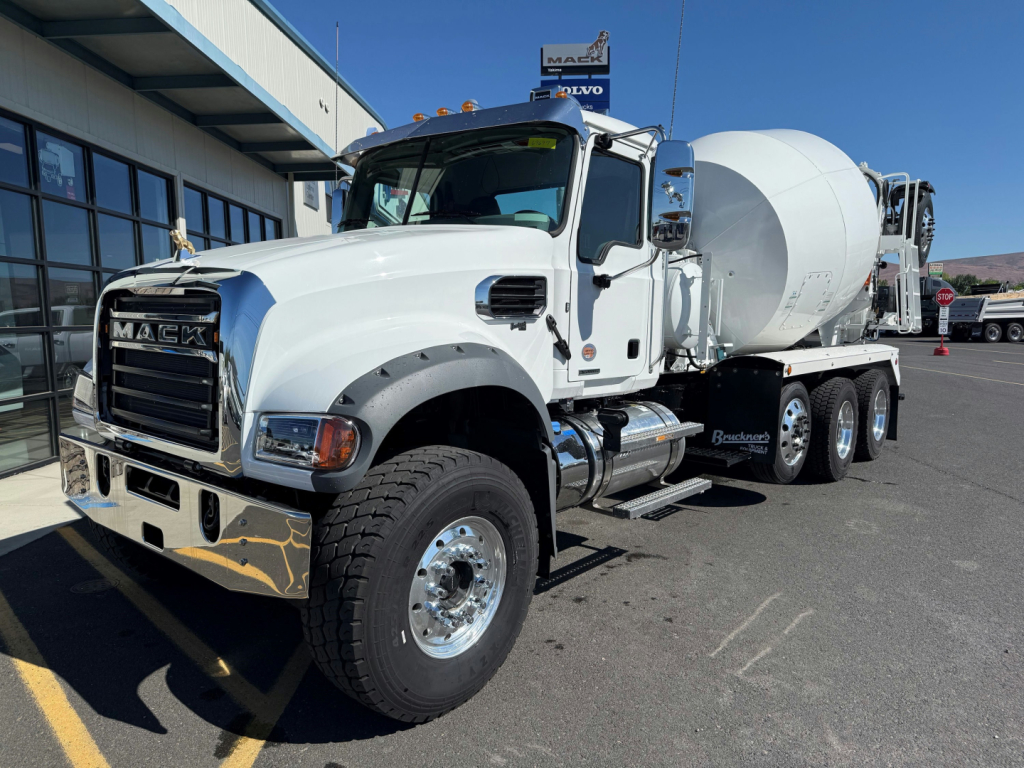
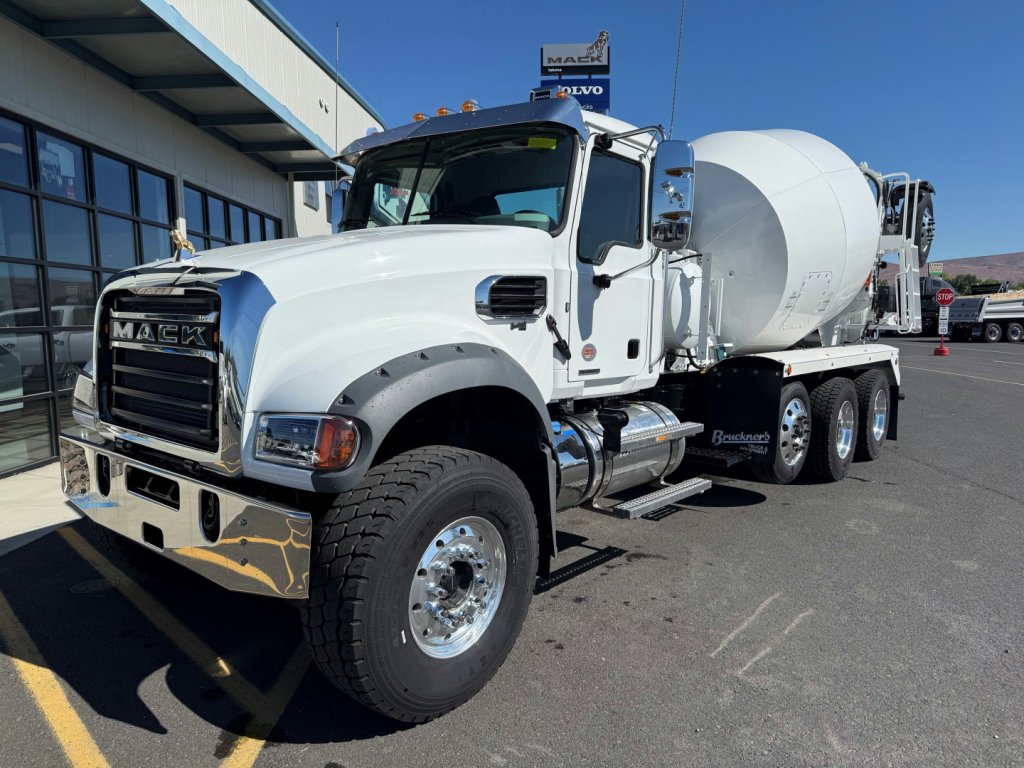
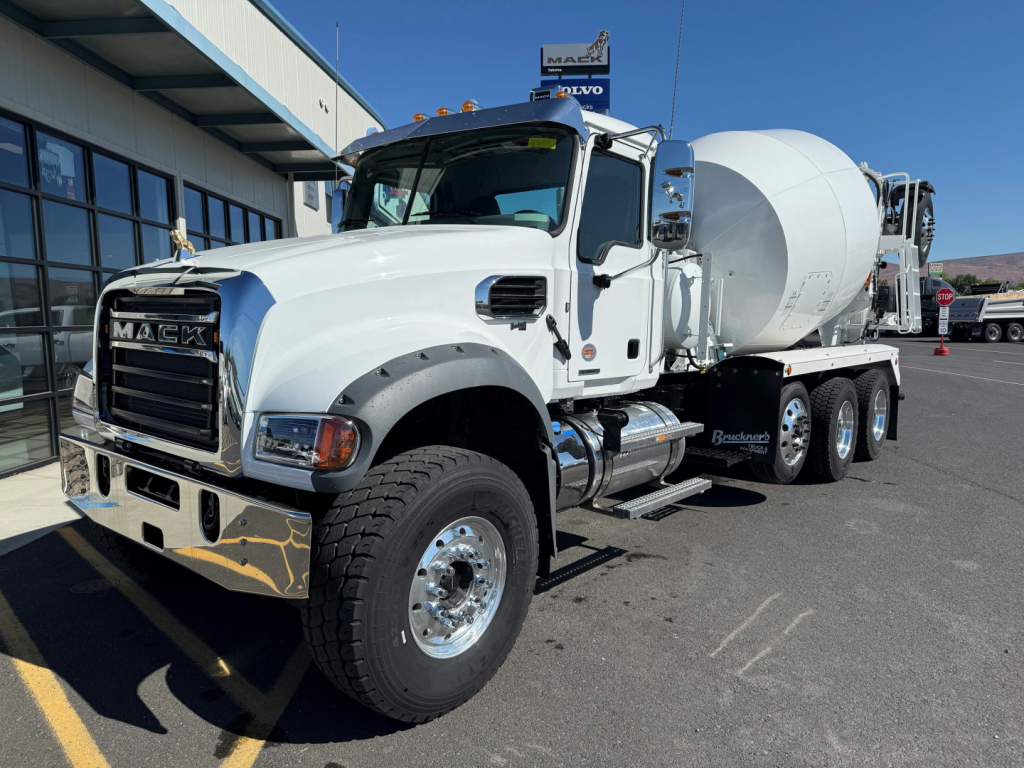
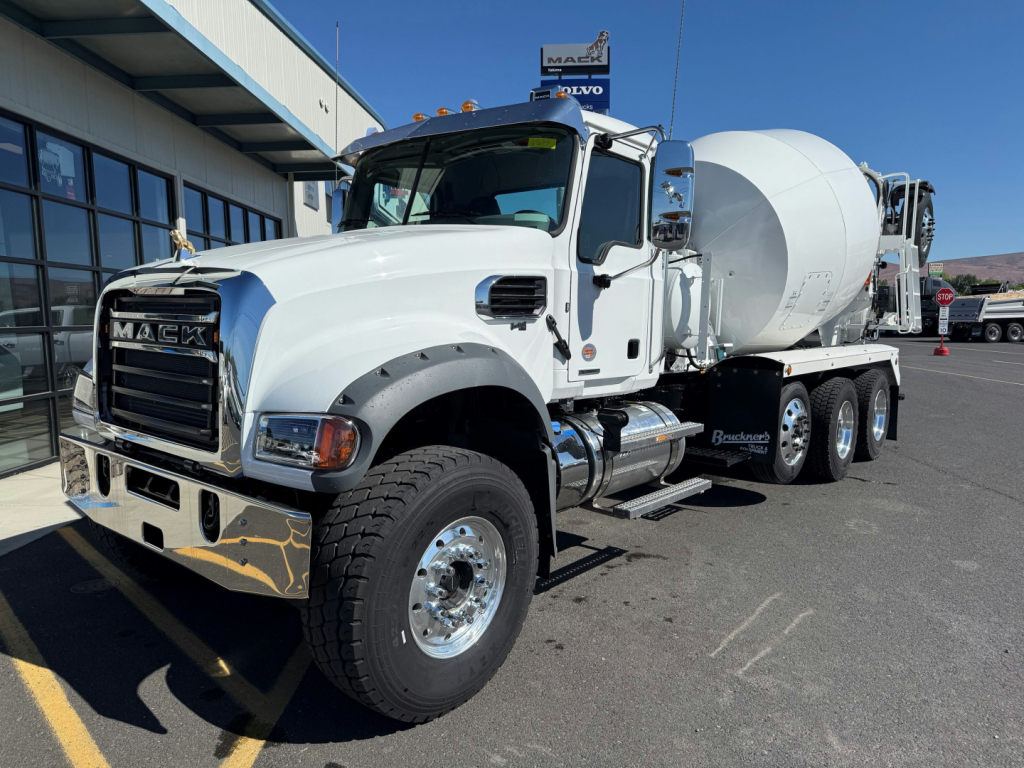
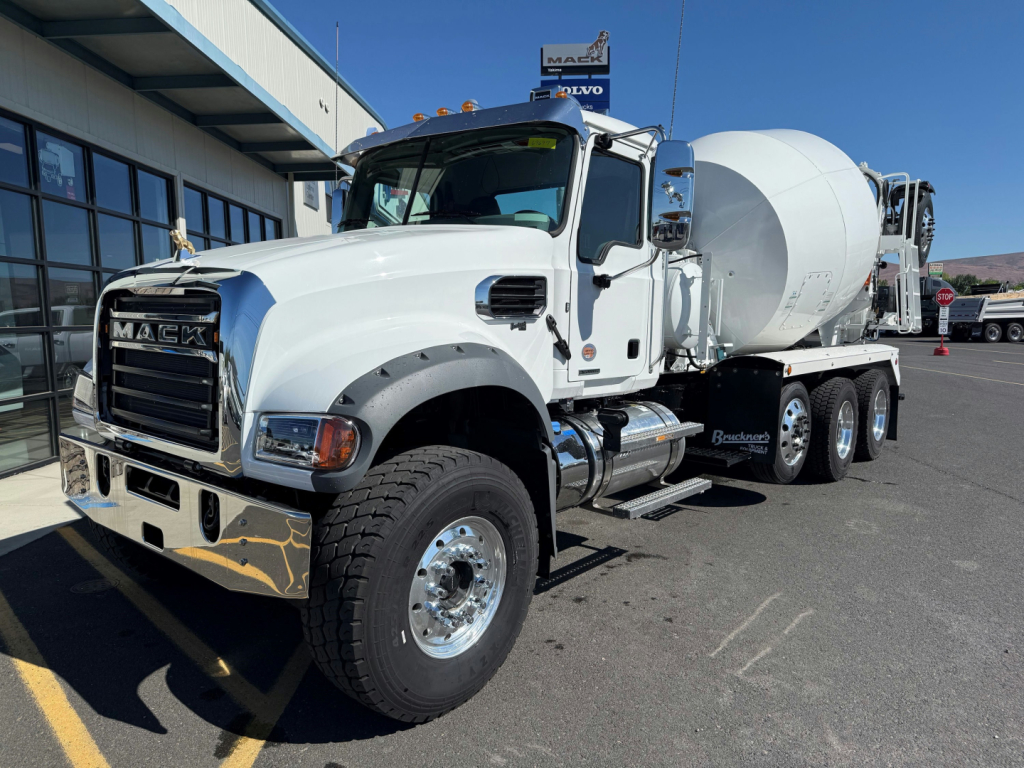
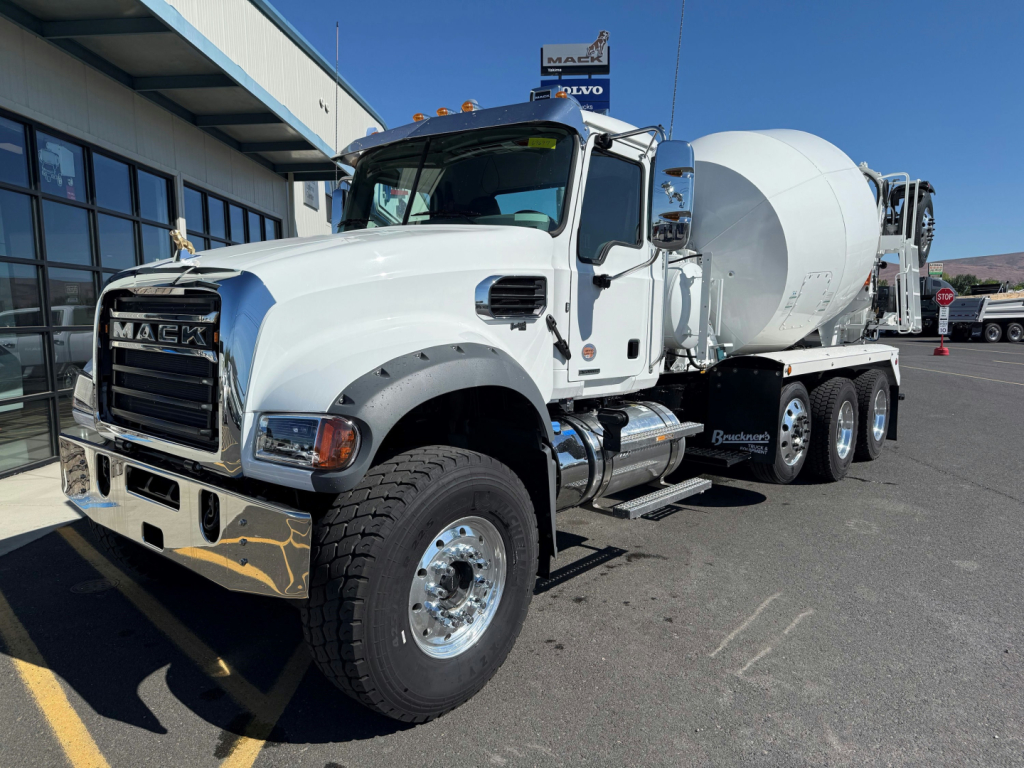
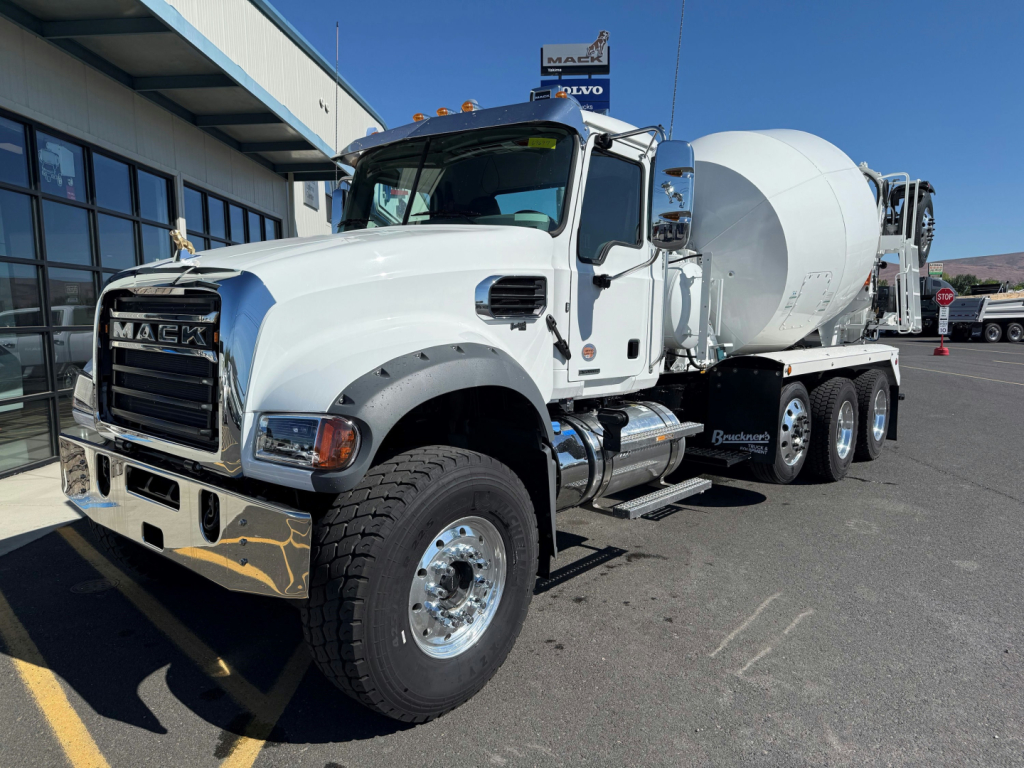
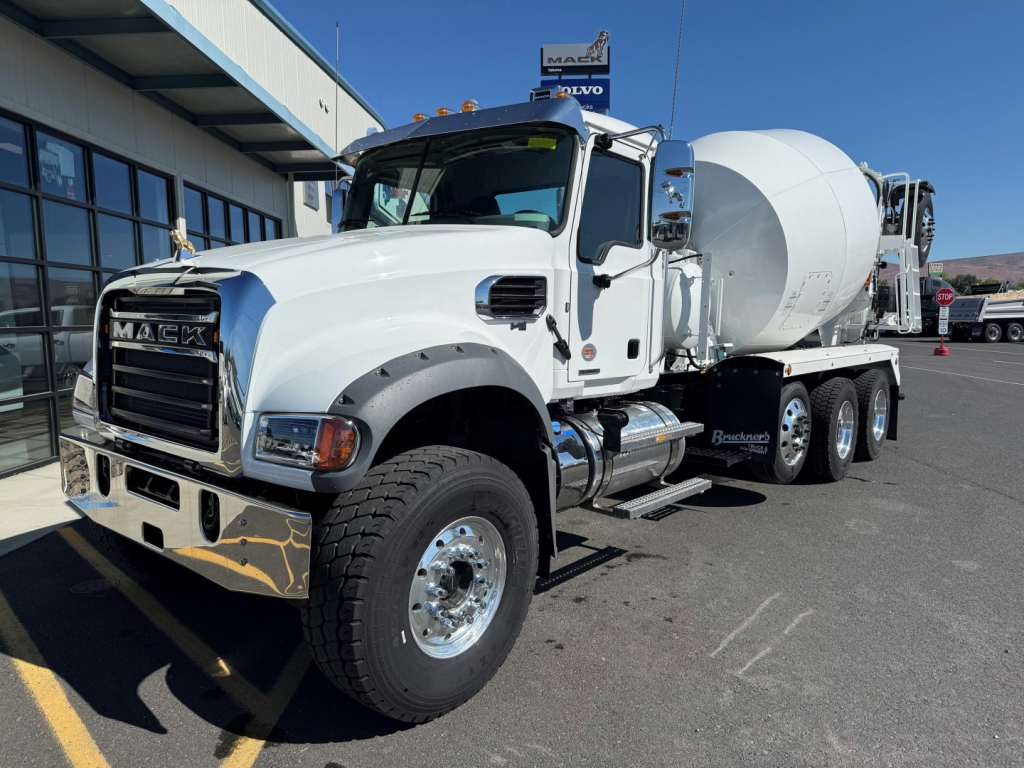
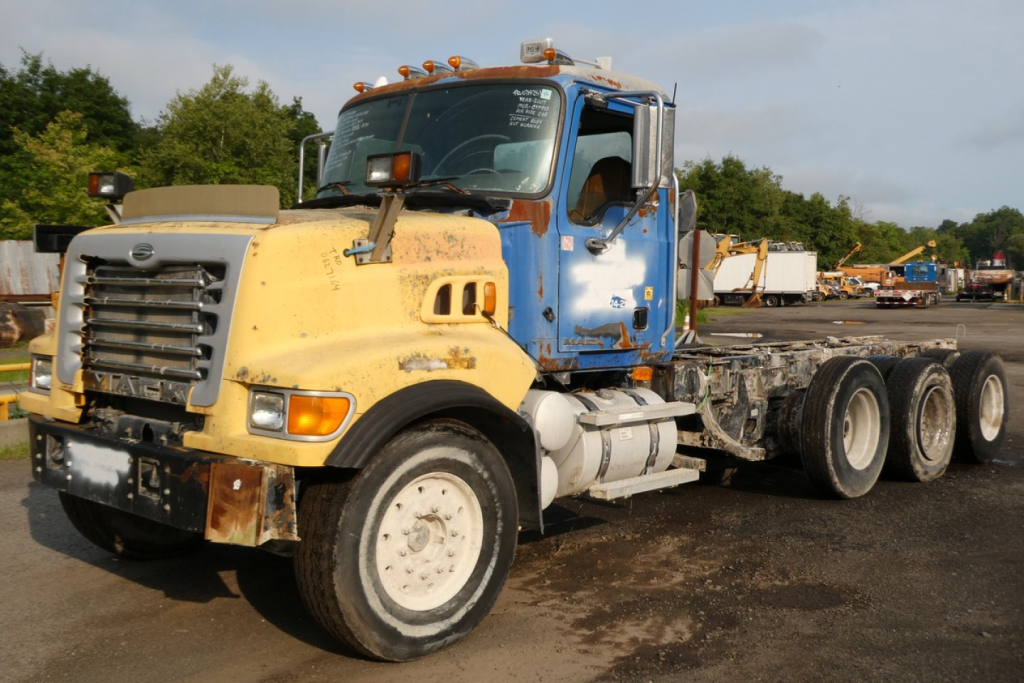

Selling a mack mixer truck? List your mack mixer truck for sale and reach thousands of commercial buyers.
Mack Mixer Trucks in Arkansas
The key buying decisions usually start with capacity and weight distribution. Mixer trucks are commonly spec'd with drums in the 10.5 to 11 yard class, though legal payload depends on axle spacing, suspension, and local road limits. A tri-axle or quad-axle setup can make a major difference if the truck needs to maximize payload while staying compliant on Arkansas roads and municipal routes. Buyers should look closely at wheelbase, pusher or tag axle design, steering axle ratings, and suspension specs, since a mixer that carries well on paper can still be hard to balance in real service if the chassis and body are not matched correctly.
Powertrain and vocational durability matter just as much as rated capacity. Mack mixer trucks are often equipped with engines and transmissions calibrated for stop-and-go work, PTO operation, and repeated launches under load. Automatic and automated manual transmissions are common in mixer applications because they reduce driver fatigue and help maintain consistency on crowded jobsites. Useful specs to compare include horsepower and torque ratings, front axle capacity, rear rears, frame reinforcement, brake type, and cab-to-trunnion dimensions. On used units, drum condition, chute wear, water system function, hydraulic performance, and evidence of frame stress or corrosion are as important as the engine hours and odometer.
A Mack mixer truck is usually bought for uptime, driver familiarity, and chassis strength rather than highway speed or long-haul fuel economy. The best fit depends on plant distance, average slump load, jobsite access, and the type of concrete work being served, including residential, municipal, paving, or commercial foundation pours. Buyers comparing Mack mixer trucks for sale in Arkansas should pay close attention to body manufacturer, drum drive system, axle rating tags, and any fleet maintenance history, because those details have a direct effect on payload, serviceability, and operating cost.
Frequently Asked Questions about Mack Mixer Trucks in Arkansas
What should I look for first when buying a Mack mixer truck?
Start with axle layout, legal payload, and drum capacity. A mixer truck has to carry concrete legally and safely before any other spec matters. On a Mack chassis, buyers should confirm front axle rating, rear suspension capacity, pusher or tag axle configuration, and wheelbase in relation to the installed mixer body. Those numbers determine how well the truck balances a full load and how usable it will be on local roads and jobsites.
Are Mack Granite models a common choice for mixer applications?
Yes. Mack Granite trucks are widely used in mixer service because the chassis is designed for severe duty vocational work. They are commonly spec'd with heavy front axles, reinforced frames, and drivetrain options suited to stop-and-go operation with frequent loading and unloading cycles. That makes them a strong fit for ready-mix fleets that need durability, body-builder compatibility, and stable handling under load.
How important is axle configuration on a mixer truck in Arkansas?
Axle configuration is one of the most important buying factors. In Arkansas, as in most states, bridge formulas, local route limits, and jobsite conditions affect how much concrete the truck can legally haul. A tri-axle may suit some operations, while others need a quad-axle or a steerable pusher to improve payload and maneuverability. The right setup depends on average haul distance, road restrictions, and how often the truck runs fully loaded.
What wear areas should I inspect on a used Mack mixer truck?
Pay close attention to the drum, chutes, water system, hydraulics, frame, and suspension. Concrete buildup can hide cracks, corrosion, or structural fatigue, especially around body mounts and rear support areas. Buyers should also inspect the drum drive components, check for hydraulic leaks, and look at steering and brake wear caused by heavy vocational service. A clean maintenance history is valuable, but the condition of the mixer body and chassis connection points often tells the real story.
What transmission and engine characteristics work best in a mixer truck?
Mixer trucks perform best with powertrains tuned for low-speed torque and repeated starts under load. High horsepower is less important than strong torque delivery, PTO compatibility, and drivability in tight spaces. Automatic and automated manual transmissions are popular because they reduce driver fatigue and can improve consistency in plant and jobsite operation. The best spec is usually the one that matches the truck's payload, route profile, and frequency of stop-and-go service.