
Used 1998 Mack Trucks For Sale in New York
Browse used 1998 Mack trucks in New York. Compare CH, RD, and vocational specs, drivetrains, axle ratings, and work-ready applications.
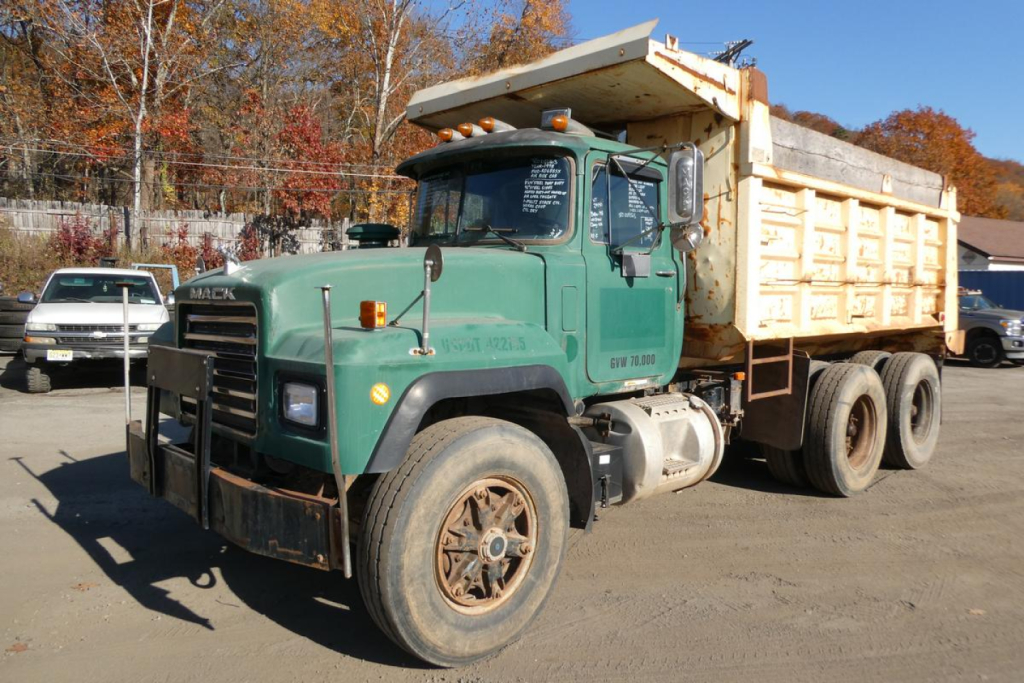
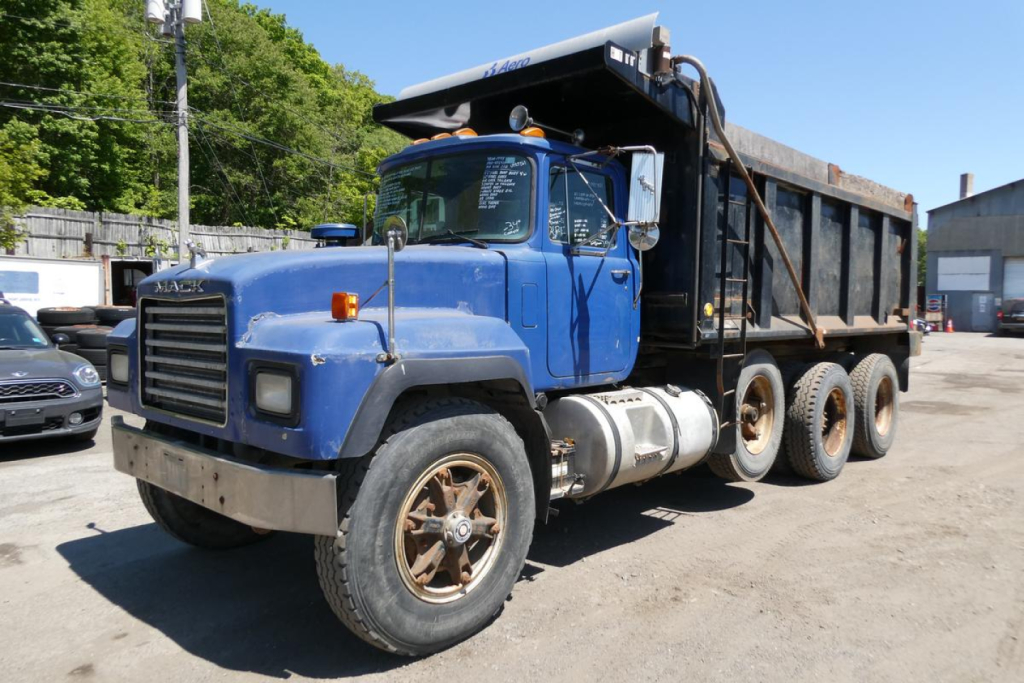
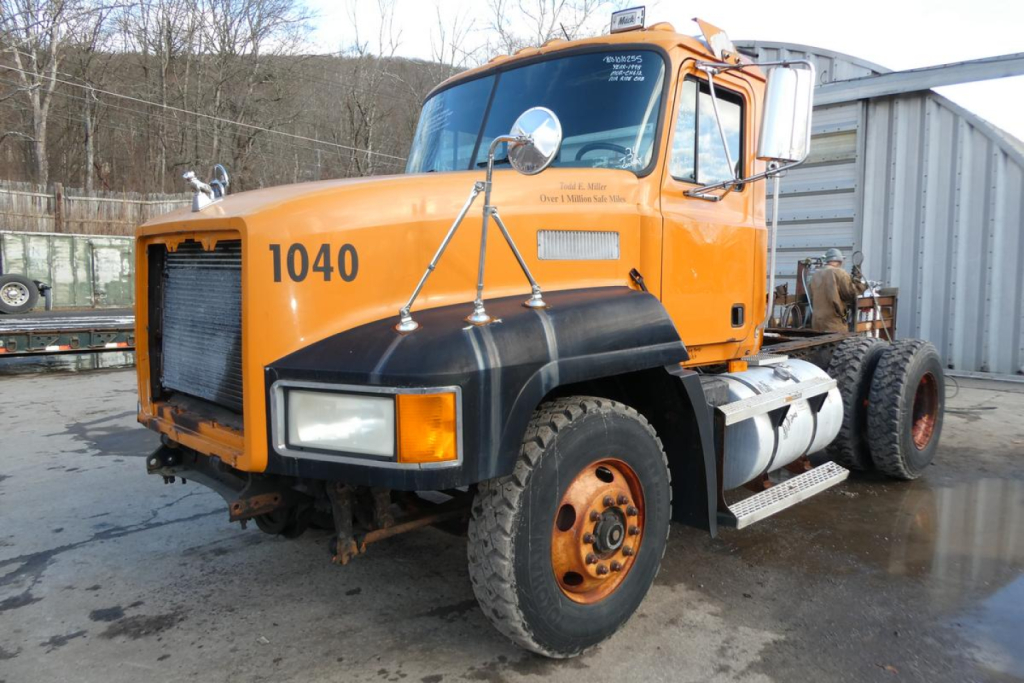
Selling a used 1998 mack truck? List your used 1998 mack truck for sale and reach thousands of commercial buyers.
Used 1998 Mack Trucks in New York
The key buying decision on a 1998 Mack truck is usually application fit. A CH612 is often spec'd as a road tractor, municipal truck, or plow chassis with a shorter wheelbase, air brakes, and vocational gearing. RD and similar vocational Mack models are more likely to carry heavier front axles, Camelback or air ride suspensions, double frames, PTO setups, wet kits, and higher rear axle ratings for dump or severe-service work. Engines from this era frequently include Mack E7 or EM7 family diesels in the 300 to 350 horsepower range, paired with Mack manual transmissions or Fuller 8-speed, 9-speed, or 10-speed gearboxes. Rear axle ratios in the low 4s are common on work trucks and can make a major difference in low-speed pulling power, plow performance, and highway rpm.
Condition matters more than mileage on a 1998 unit. Many of these trucks spent their lives in municipal fleets or seasonal service, so buyers should inspect the frame rails, spring hangers, cab mounts, crossmembers, brake system condition, and any corrosion around plow gear, spreader controls, hydraulic plumbing, or dump hoists. In New York, rust exposure from road salt is a real factor, especially on underbody components, wiring, air lines, and steel dump bodies. On E7-powered trucks, service history, blow-by, cold-start behavior, cooling system condition, and transmission operation tell you more than the odometer alone. If the truck has a PTO, wetline, pintle hook, lift axle, or hydraulic package, confirm that each system operates correctly and matches the intended job.
For buyers comparing used 1998 Mack trucks, the value is in matching the chassis to the workload. Check GVWR, front and rear axle ratings, suspension type, wheelbase, cab-to-axle measurement, and brake configuration before narrowing by price. A short-wheelbase plow or municipal truck serves a very different role than a tandem dump or conventional day cab, even if both wear the Mack badge. When the specs line up, these late-1990s Mack trucks can still offer strong parts support, familiar serviceability, and the kind of heavy vocational build that made the brand a staple in Northeast fleets.
Frequently Asked Questions about Used 1998 Mack Trucks in New York
What are the most common 1998 Mack truck models buyers look for?
Common 1998 Mack trucks on the used market include CH series conventionals and vocational models related to the RD family. The CH612 is often seen in municipal, plow, regional haul, or day cab configurations, while heavier vocational Mack trucks are commonly spec'd for dump and construction work. The exact model matters because wheelbase, frame spec, axle ratings, and suspension setup can vary widely even within the same make and year.
What engine and transmission combinations are typical in a 1998 Mack truck?
Many 1998 Mack trucks were built with Mack E7 or EM7 diesel engines, often in the 300 to 350 horsepower range. Manual transmissions are common, including Mack boxes and Fuller 8-speed, 9-speed, and 10-speed units. Buyers should confirm horsepower, transmission model, rear axle ratio, and whether the truck has a PTO or engine brake, because those details have a direct effect on hauling ability, road speed, and vocational usefulness.
Is a used 1998 Mack truck still a good choice for municipal or construction work?
A 1998 Mack can still be a practical work truck if the chassis matches the intended application and the condition is sound. These trucks are known for heavy frames, durable driveline components, and simple vocational layouts that suit plowing, dumping, and regional fleet use. The main concern is not age by itself but the condition of the frame, brakes, hydraulics, suspension, and rust-prone components, especially on trucks that worked in snow, salt, or off-road environments.
What should buyers inspect first on a used 1998 Mack truck in New York?
Start with the frame and undercarriage because New York service often means corrosion from road salt and winter work. Inspect frame rails, crossmembers, spring mounts, brake chambers, air lines, wiring, fuel tanks, cab corners, and any plow or spreader attachments. After that, verify engine cold-start performance, check for blow-by and coolant issues, test the transmission and clutch, and confirm that any PTO, wet kit, dump body, or hydraulic equipment works as intended.
Why do axle ratings and suspension specs matter so much on 1998 Mack trucks?
Axle and suspension specs determine what the truck can legally and practically do. A truck with a 12,000 to 14,000 lb front axle and a 23,000 lb rear is suited for different work than a tandem vocational chassis with 44,000 lb rears, Camelback suspension, and a lift axle. Buyers comparing 1998 Mack trucks should use GVWR, axle ratings, wheelbase, cab-to-axle, and suspension design to judge fit for plowing, hauling, dumping, or equipment installation.