
1998 Mack Trucks For Sale in New York
Browse 1998 Mack trucks for sale in New York, including vocational and road-ready models known for durable chassis, E7 power, and heavy-duty specs.
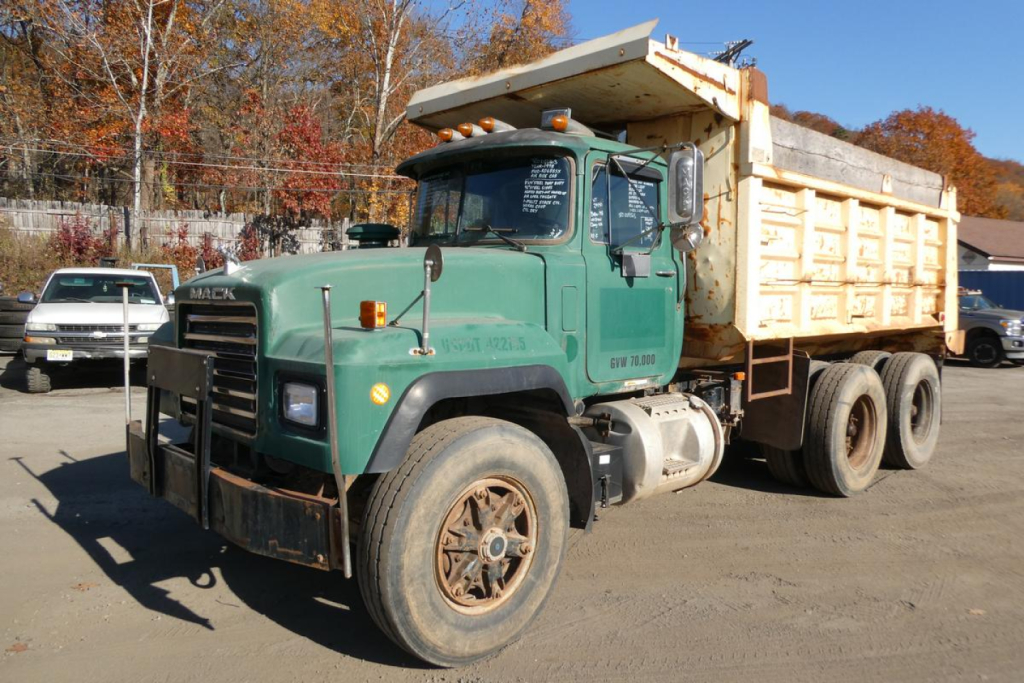
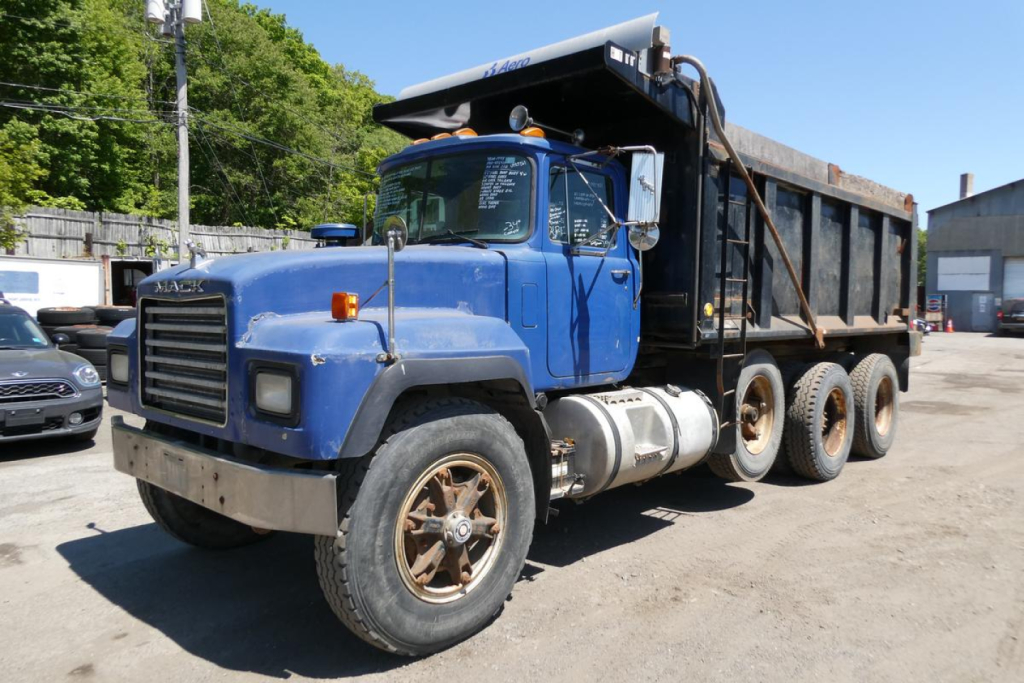
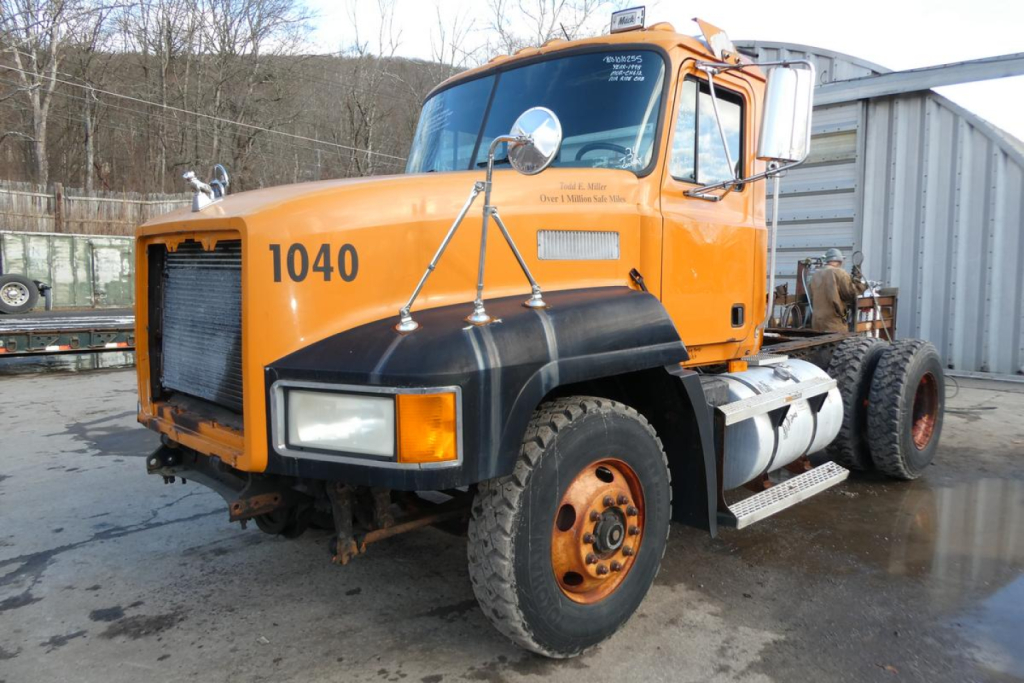
Selling a 1998 mack truck? List your 1998 mack truck for sale and reach thousands of commercial buyers.
1998 Mack Trucks in New York
The first buying decision is usually application-specific spec, not just mileage. A 1998 Mack configured for plow duty may have a shorter wheelbase, front frame provisions, hydraulic setup, and corrosion exposure that looks very different from a highway tractor or dump chassis from the same year. On vocational trucks, check axle ratings, suspension type, frame rail condition, PTO setup, wetline or hydraulic controls, and body compatibility. Many 1998 Mack trucks were spec'd with camelback or air ride suspensions, 4.17 to 4.64 rear ratios, and front axles in the 12,000 to 14,000 lb range, with heavier rear capacities on tandem vocational units. In New York, rust at cab mounts, spring hangers, crossmembers, brake components, and plow attachment points deserves close attention.
Powertrain condition matters more than odometer readings on a truck of this age. A well-kept E7 E-Tech can still be a dependable engine for seasonal, farm, municipal, or site work if maintenance history is solid. Look for blow-by, coolant pressurization, oil leaks around the front cover and pan, injector or pump issues, and signs of hard cold starts. Transmission choice also affects value. Mack manuals are respected for durability and low-speed control, while Fuller boxes may offer easier parts sourcing depending on the shop network. Air brake performance, suspension wear, steering play, driveline vibration, and evidence of frame repairs should all be part of the inspection. On ex-municipal units, idle hours and hydraulic wear can tell more than miles.
For many buyers, a 1998 Mack truck is less about modern emissions equipment and more about chassis strength, serviceability, and fit for a specific job. These trucks can make sense as backup units, seasonal snow trucks, farm trucks, local dump trucks, or donor chassis for rebuild work. The best values tend to be trucks with clear vocational history, complete driveline specs, and signs of consistent maintenance rather than cosmetic cleanup. In New York, registration class, bridge law compliance, and body or equipment compatibility can be just as important as engine horsepower, so it pays to match the truck's original spec to the work you expect it to do.
Frequently Asked Questions about 1998 Mack Trucks in New York
What engines are common in 1998 Mack trucks?
Many 1998 Mack trucks are equipped with engines from the E7 or EM7 family, including E-Tech variants. Horsepower can vary by application, but vocational specs in the 250 to 350 hp range are common. These engines are well known for low-end torque and durability in dump, plow, and municipal service, but condition depends heavily on maintenance, hours, and prior use rather than model year alone.
Are 1998 Mack trucks good for dump or plow work?
Yes, many 1998 Mack trucks were originally built for vocational work such as dump, plow, roll-off, and municipal applications. Buyers should confirm front axle capacity, frame reinforcement, PTO or hydraulic setup, wheelbase, and suspension type before assuming the truck will fit the intended job. A truck spec'd for snow and ice control may have valuable equipment provisions, but it may also show more corrosion and brake or front suspension wear from seasonal service.
What should I inspect first on a used 1998 Mack truck in New York?
Start with frame condition, rust, brake system integrity, suspension wear, and drivetrain health. In New York, corrosion around cab mounts, crossmembers, spring hangers, plow mounts, and body attachment areas is a major concern. After that, check engine blow-by, transmission operation, steering looseness, differential noise, hydraulic function if equipped, and whether the axle and GVWR ratings match the intended payload or body setup.
Do 1998 Mack trucks usually have manual transmissions?
Yes, manual transmissions are very common on 1998 Mack trucks, especially in vocational service. Mack Maxitorque transmissions and Fuller manuals are both frequently seen. The right choice depends on your service network, driver preference, and application. Mack transmissions are valued for durability and jobsite control, while Fuller units can be easier to support in some markets due to broad parts and shop familiarity.
Is mileage the most important factor on a 1998 Mack truck?
No. On a truck of this age, mileage is only one part of the picture. Maintenance records, engine hours, prior application, rust exposure, hydraulic usage, and quality of repairs are often more important than the odometer. A higher-mile truck with documented upkeep and solid structural condition can be a better purchase than a lower-mile truck with heavy corrosion, brake issues, or neglected driveline components.