
1998 Mack Trucks For Sale
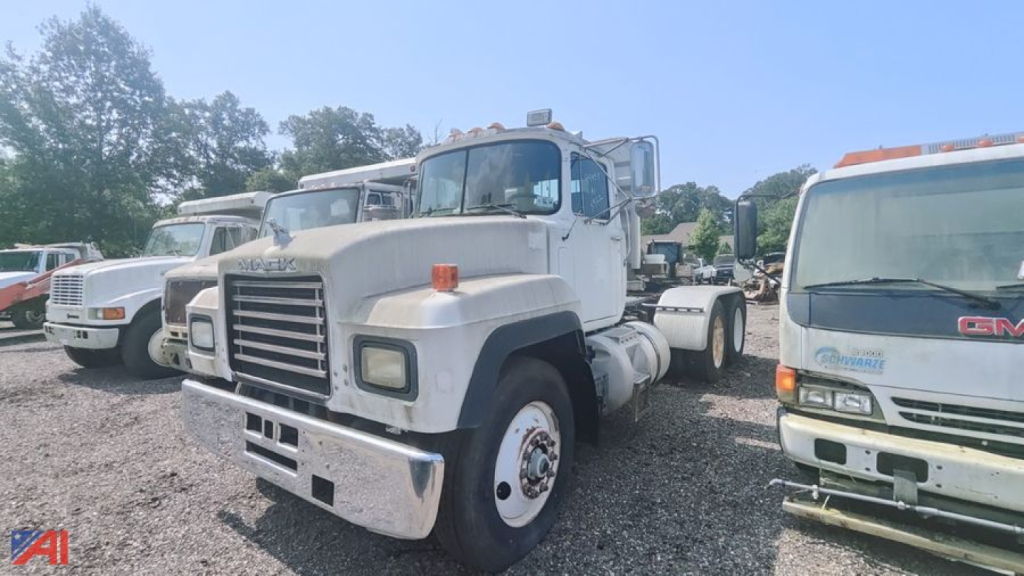
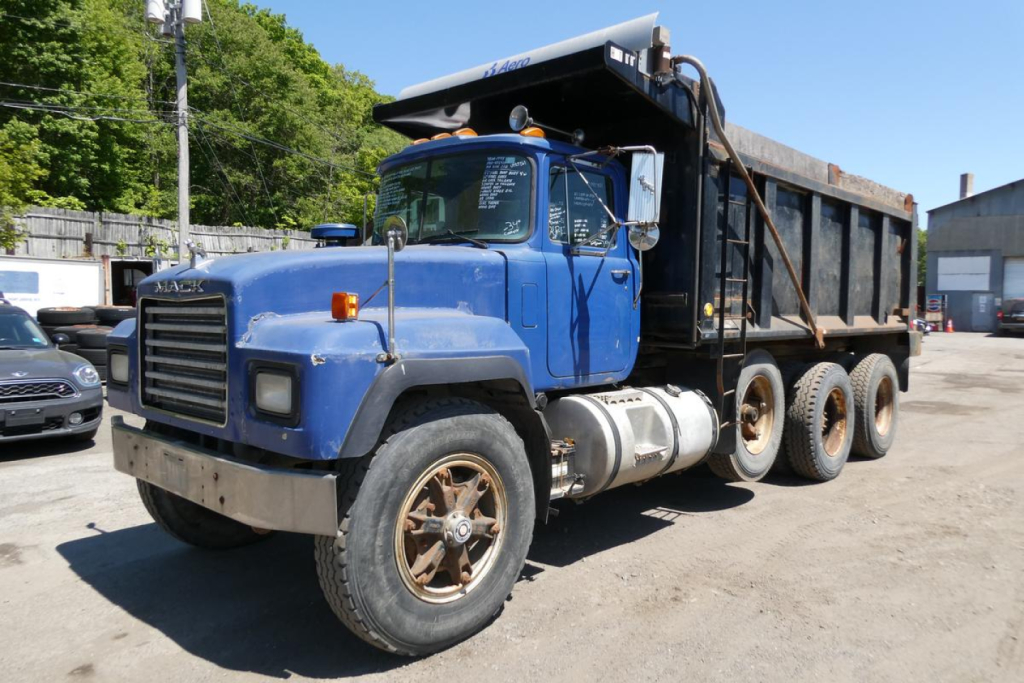
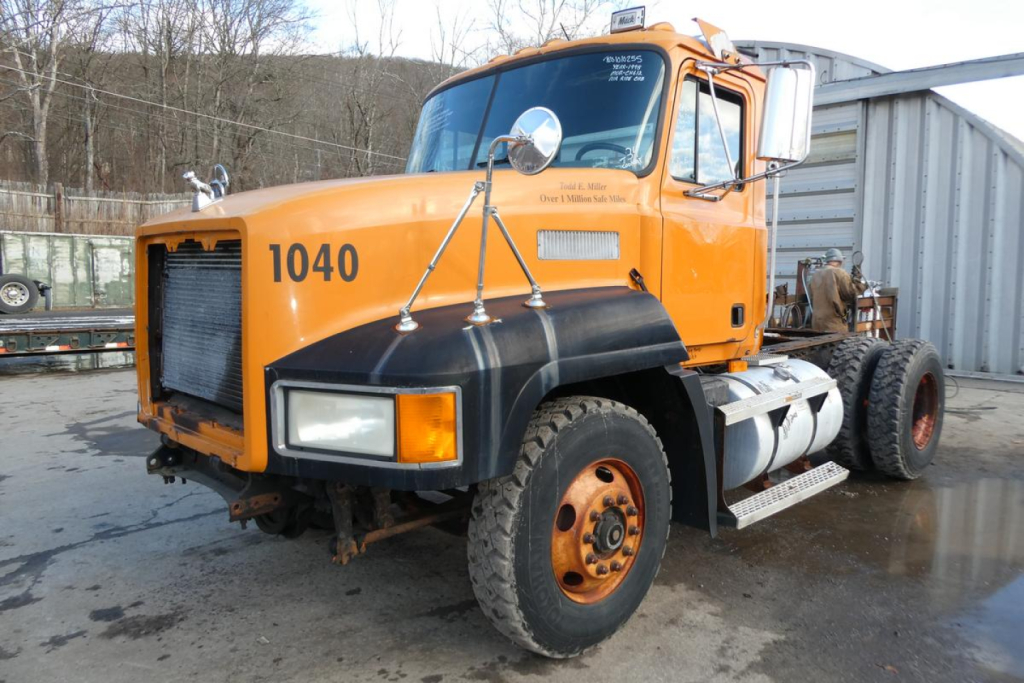
Have 1998 mack truck to sell? List it here to reach thousands of buyers.
1998 Mack Trucks
The first thing to verify is the powertrain. In this era, Mack trucks were commonly equipped with E7 diesel engines, often paired with Mack manual transmissions or Fuller gearboxes. Horsepower and torque ratings vary widely by application, so a highway tractor and a vocational tandem can feel like completely different trucks even if they share the same badge. Look closely at transmission speed, rear ratio, suspension type, and axle capacity because those specs determine how the truck will perform with your load and route. A tandem axle Mack from 1998 may be set up for dump, refuse, lowboy, or regional tractor work, while a single axle unit may make more sense for local delivery, municipal use, or lighter vocational service.
Chassis condition matters more than age alone in this category. Frame rail integrity, crossmember repairs, spring hanger wear, steering play, driveline condition, brake system updates, and evidence of rust around cab mounts or underbody components can tell you far more than the odometer. On vocational trucks, inspect PTO operation, hydraulic plumbing, wet kits, body mounting points, and any signs of overloading or hard off-road use. On sleeper and day cab tractors, check wheelbase, fifth wheel placement, and front axle set-back or set-forward configuration if bridge law compliance or trailer compatibility matters in your operation. Mack's reputation for rugged construction is a real advantage, but spec differences between one 1998 truck and another are often substantial.
Buyers also tend to value 1998 Mack trucks for serviceability and parts familiarity. These trucks are old enough that maintenance history and rebuild quality carry major weight, especially on engines, transmissions, rears, and braking systems. If the truck is being considered for interstate hauling, municipal work, farm use, construction support, or equipment transport, match the truck's original vocation to your intended use whenever possible. A properly spec'd 1998 Mack can still be a practical asset if the frame, driveline, and vocational equipment have been maintained with discipline.
Frequently Asked Questions about 1998 Mack Trucks
What are the most common 1998 Mack truck models buyers look for?
The most common 1998 Mack trucks buyers search for are typically CH, RD, and CL series models. CH models are often seen in highway tractor and regional hauling applications, while RD models are well known in dump, mixer, refuse, and other vocational roles. CL models may appear in heavier haul or specialized tractor configurations. The exact truck you want depends less on the model name alone and more on how the chassis was originally spec'd, including axle ratings, suspension, wheelbase, and drivetrain.
What engine is commonly found in a 1998 Mack truck?
Many 1998 Mack trucks were equipped with the Mack E7 diesel engine, a popular platform known for durability and straightforward mechanical service compared with newer emissions-era engines. Ratings can vary, so buyers should confirm horsepower, torque, injector or pump setup, and any rebuild history. It is also important to verify whether the truck still has its original engine and transmission combination, since older vocational and fleet trucks are sometimes repowered or reconfigured during their working life.
Is a 1998 Mack truck a good choice for vocational work?
A 1998 Mack truck can still be a strong vocational choice if the chassis matches the job and the truck has been maintained properly. These trucks are commonly used in dump, roll-off, municipal, construction, and farm applications because they were built with heavy frames, robust suspensions, and relatively simple drivetrains. The key is to inspect structural condition, hydraulic systems, PTO function, axle capacities, and signs of repeated overloading. A well-kept vocational Mack from this era can remain productive, but condition is everything.
What should I inspect first on a used 1998 Mack truck?
Start with the frame, engine, transmission, axles, suspension, brakes, and steering. On older Mack trucks, frame rust, previous repairs, driveline wear, and deferred maintenance can have a bigger impact than mileage alone. Check for oil or coolant leaks, blow-by, clutch wear, differential noise, brake chamber condition, and play in steering components. If it is a vocational truck, inspect the body, hoist, hydraulics, and PTO system just as closely as the truck chassis.
Are 1998 Mack trucks easier to maintain than newer diesel trucks?
Many buyers consider 1998 Mack trucks easier to maintain because they predate modern emissions systems such as DPF and SCR aftertreatment. That can mean fewer emissions-related failure points and a more straightforward service approach for shops familiar with older heavy-duty diesels. The tradeoff is that age-related wear becomes the main concern, including wiring, seals, bushings, air system components, and corrosion. Ease of maintenance depends heavily on parts availability, technician familiarity, and the truck's service history.