
KME Trucks For Sale
Browse KME trucks for sale, including fire and specialty apparatus known for custom chassis, pump options, storage layout, and serviceability.
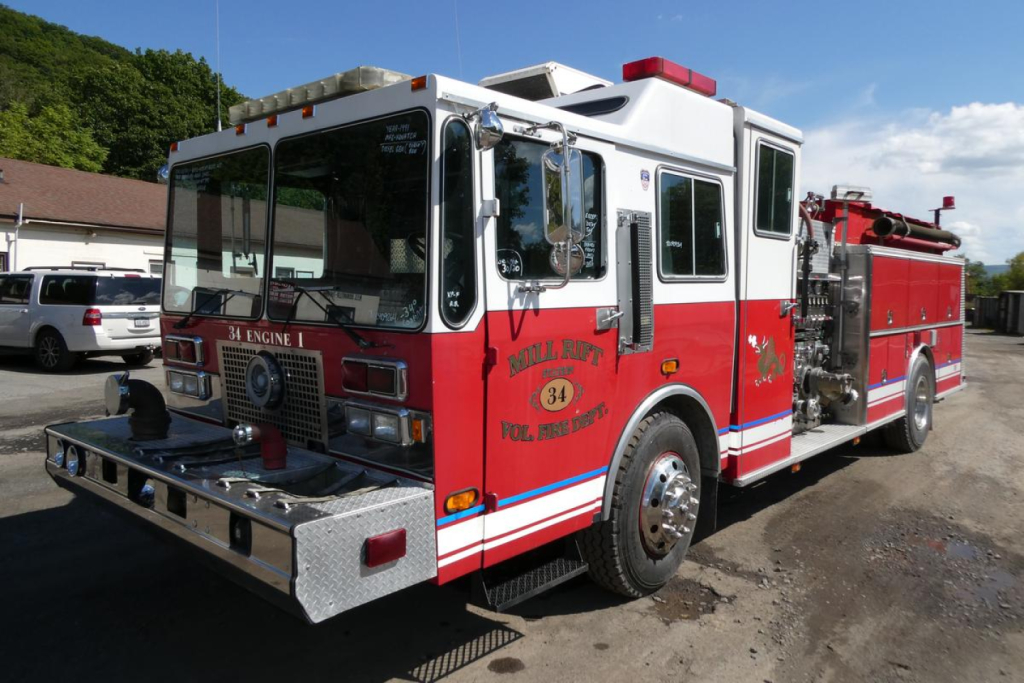
Selling a kme truck? List your kme truck for sale and reach thousands of commercial buyers.
KME Trucks
The first buying decision is usually the truck’s original application and how that affects current usability. A KME fire truck may carry a midship or rear-mount pump, water tank capacity, hosebed configuration, generator setup, scene lighting, ladder storage, and compartment layouts that were tailored to a specific department. Chassis type, axle ratings, wheelbase, engine make, transmission model, and pump certification history all matter. Many buyers also look closely at hours in addition to miles, since fire apparatus often spend significant time idling or operating PTO-driven systems. For older units, service records, annual pump testing, corrosion condition, electrical integrity, and availability of replacement parts are more important than cosmetic appearance.
KME trucks often appeal to buyers who need a purpose-built platform rather than a standard over-the-road or construction truck. A retired pumper can be attractive for rural fire protection, industrial standby service, training use, airport support, or export, provided the apparatus still meets the intended duty cycle. The value of a used KME unit usually comes down to how well the truck’s specifications match the job. Tank size, pump GPM rating, seating capacity, cab configuration, compartment volume, and generator or foam system presence can change suitability fast. If the truck includes a custom cab, it is smart to confirm body and cab parts support, electrical schematics, and access to technicians familiar with KME apparatus.
Buyers comparing KME trucks should evaluate the complete package, not just the chassis badge. Engine emissions era, brake system type, suspension setup, rust exposure, PTO operation, and the condition of valves, plumbing, wiring, and warning systems all affect long-term cost. For fire apparatus, NFPA-era design standards, pump panel layout, tank-to-pump plumbing, and outrigger or aerial service history may also be relevant depending on the unit. A well-maintained KME truck can still offer strong specialty value years after front-line duty, especially when the truck’s original build sheet, maintenance history, and operational testing are available.
Frequently Asked Questions about KME Trucks
What are KME trucks most commonly used for?
KME trucks are most commonly used as fire apparatus and specialty emergency vehicles. The brand is closely associated with pumpers, tankers, rescue trucks, aerials, and other custom-configured municipal or industrial response units. On the used market, buyers usually encounter KME trucks that were built for fire service, which means the truck should be evaluated as a complete apparatus with chassis, body, pump, tank, electrical system, and storage configuration all considered together.
What should I check first on a used KME fire truck?
Start with the application-critical systems. Confirm pump operation, water tank condition, plumbing integrity, PTO engagement, warning light function, and generator or auxiliary equipment performance if equipped. Then review engine hours, mileage, maintenance records, annual pump test results, corrosion levels, and any available repair history. Fire apparatus can have relatively low miles but heavy idle time and high equipment-use hours, so service documentation is often more valuable than odometer readings alone.
Are KME trucks built on custom chassis?
Many KME trucks were built on custom chassis designed specifically for fire and emergency service, although exact configurations vary by model and build. A custom chassis can improve cab layout, visibility, storage integration, and maneuverability for the intended application, but it also means buyers should verify parts availability, service support, and electrical or body documentation. Knowing the original build specs is especially important when comparing one KME unit to another.
How do I judge the value of a used KME truck?
Value depends on more than age and mileage. Buyers should weigh the truck’s engine and transmission package, axle ratings, pump capacity, tank size, compartment configuration, emissions level, maintenance history, and overall structural condition. For specialty trucks, operational readiness is a major value driver. A KME truck with documented testing, working auxiliary systems, clean plumbing and wiring, and a specification set that matches the next job will usually hold more practical value than a cheaper unit needing extensive recommissioning.