
Used Kenworth Trucks For Sale in Missouri
Used Kenworth trucks for sale in Missouri: compare T680, vocational, and medium-duty specs, service records, and salt exposure before choosing a truck.
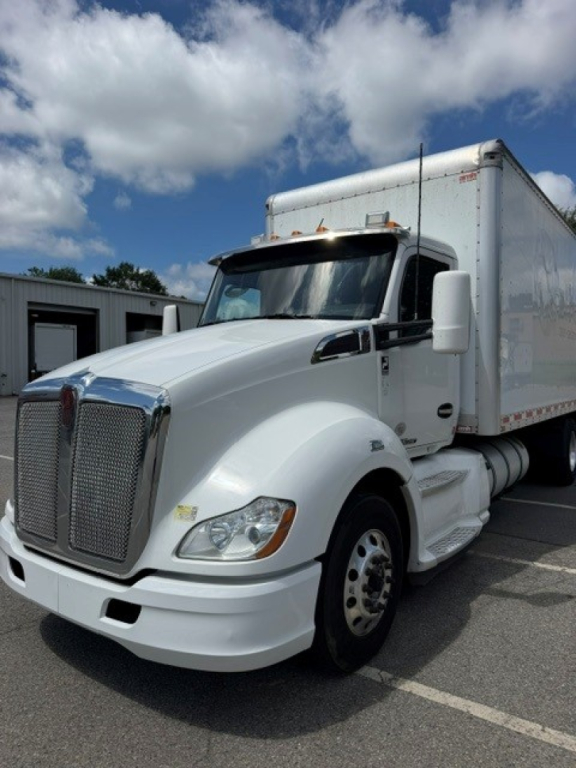
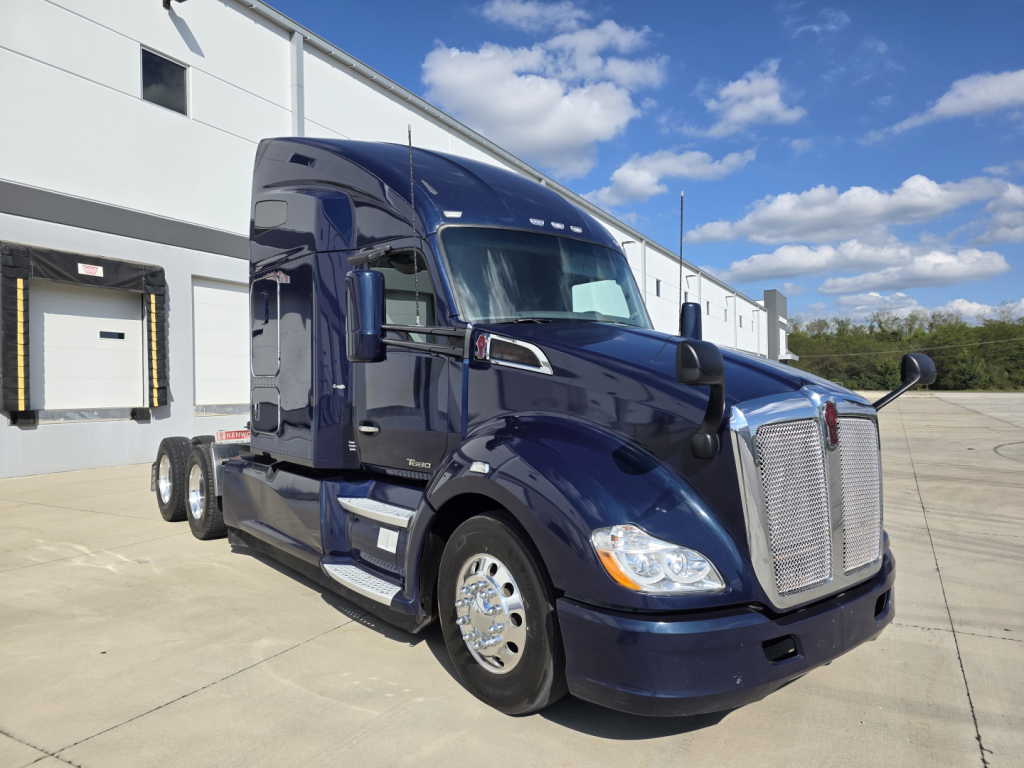
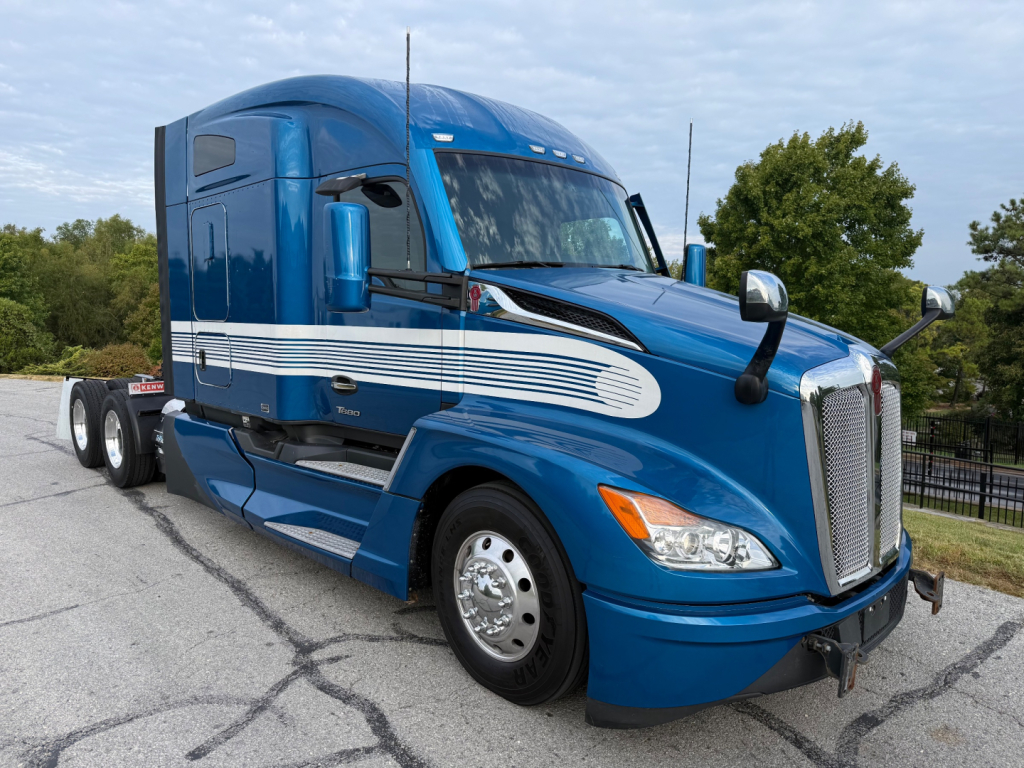
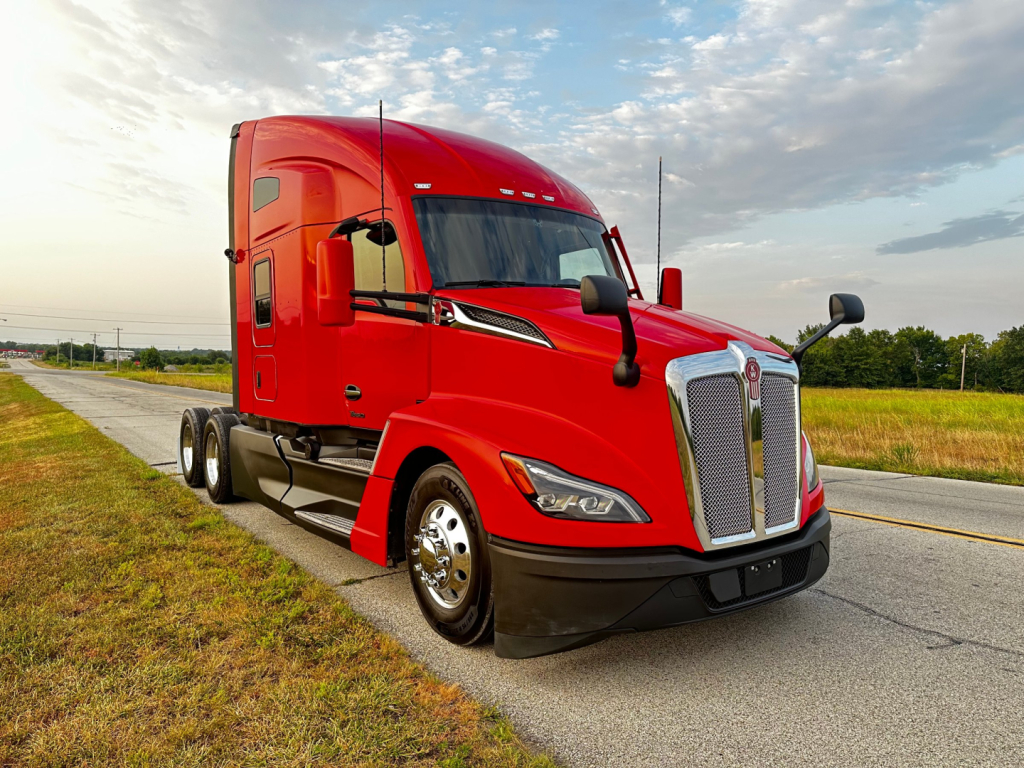

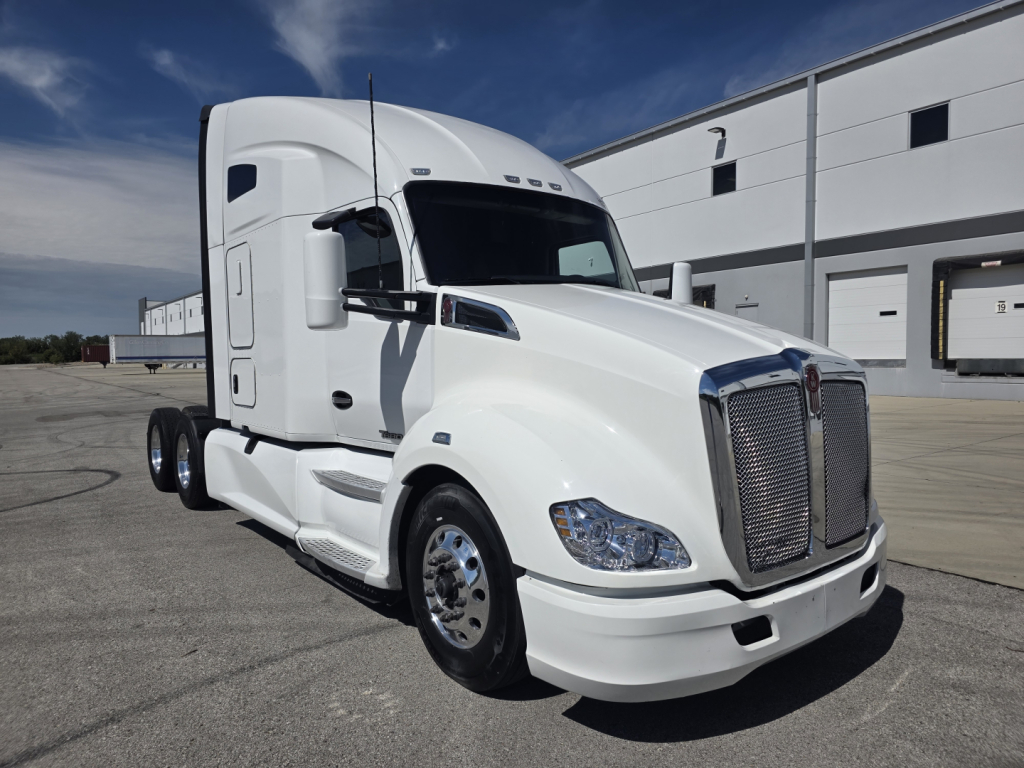
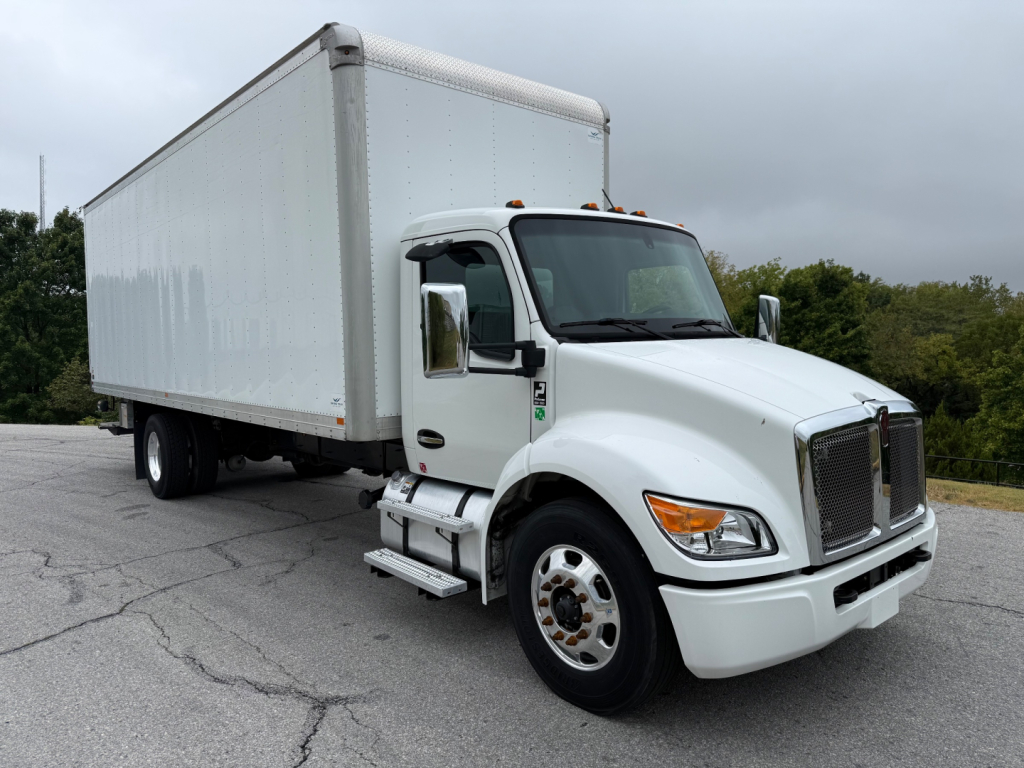
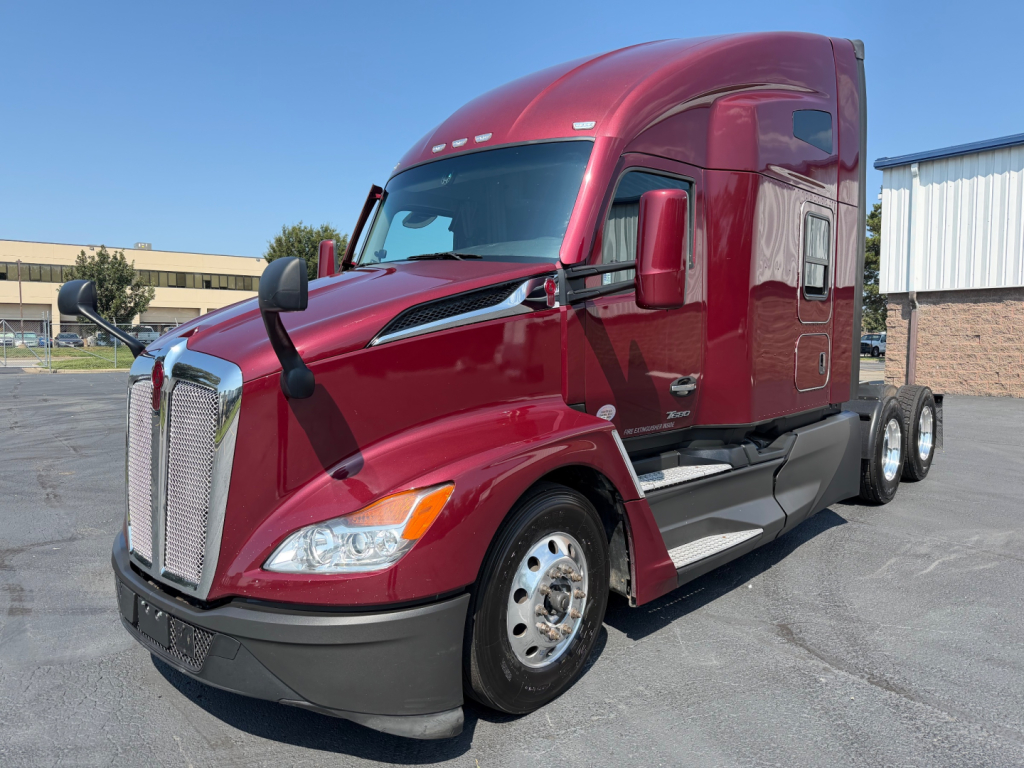
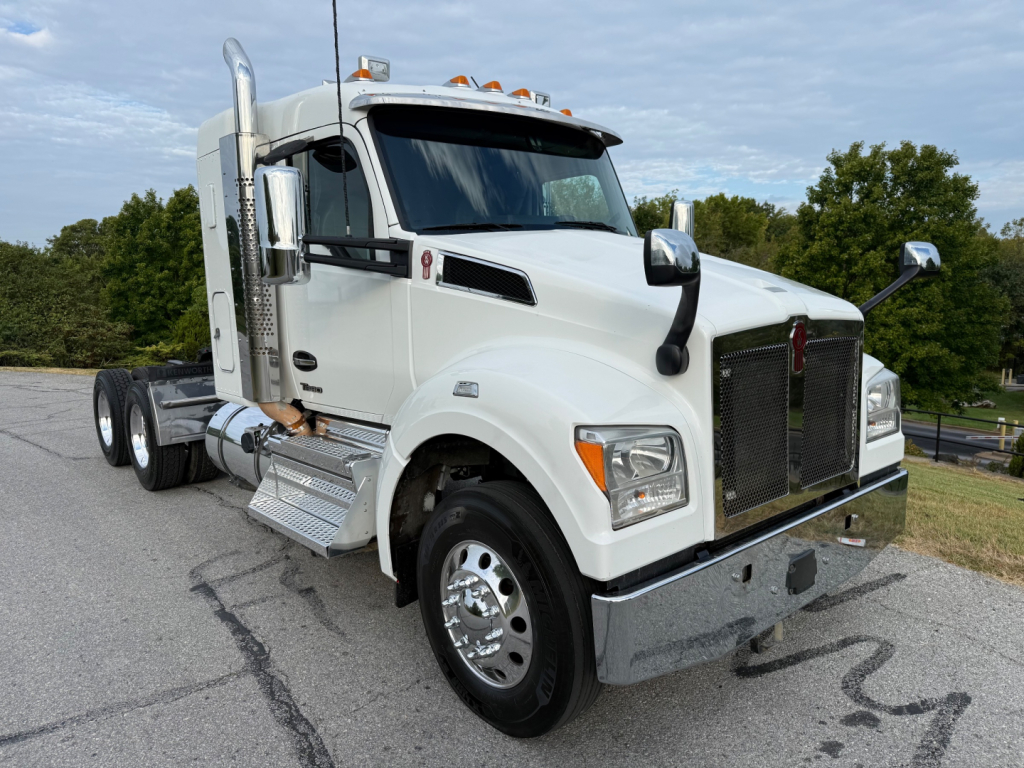
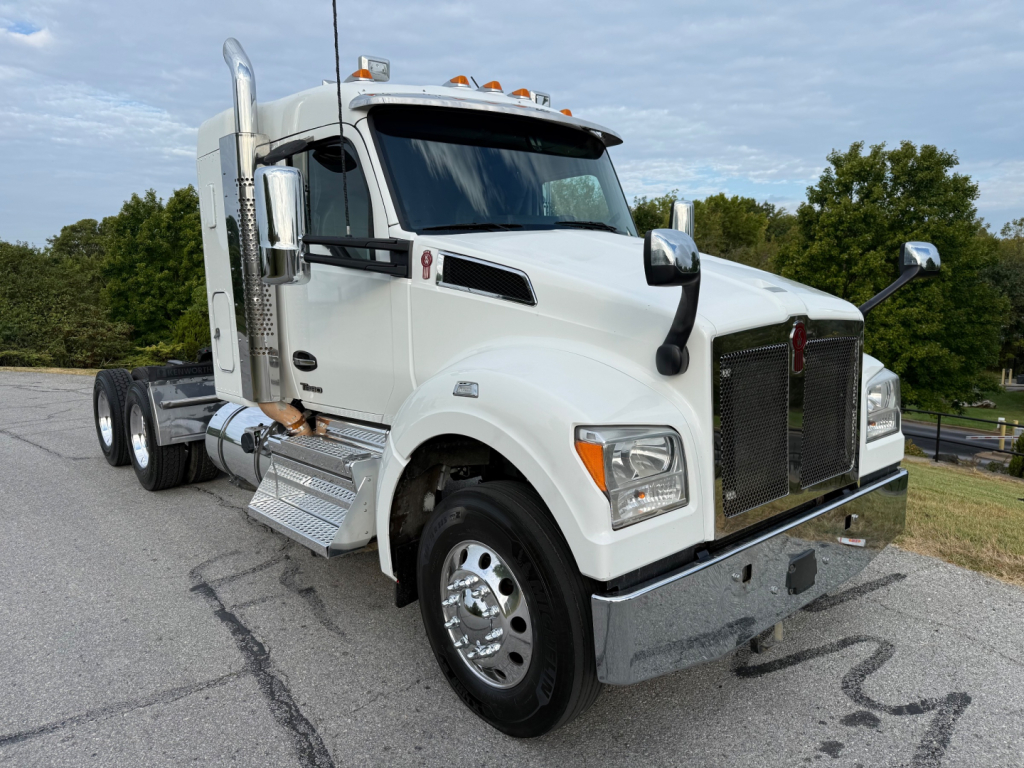
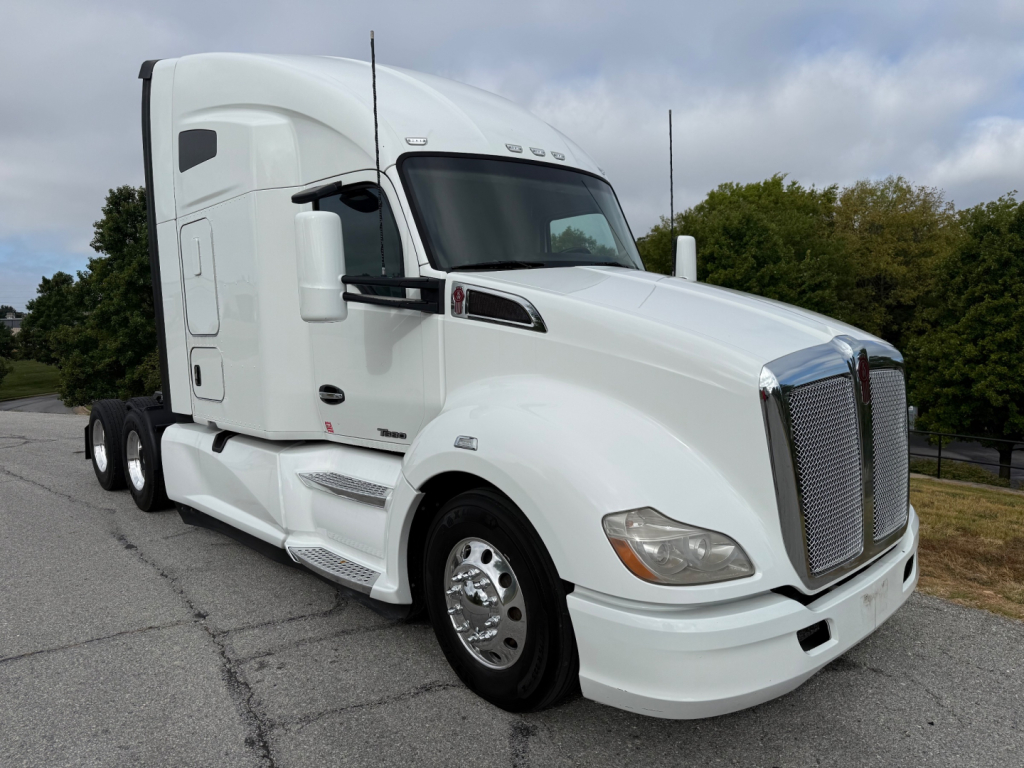
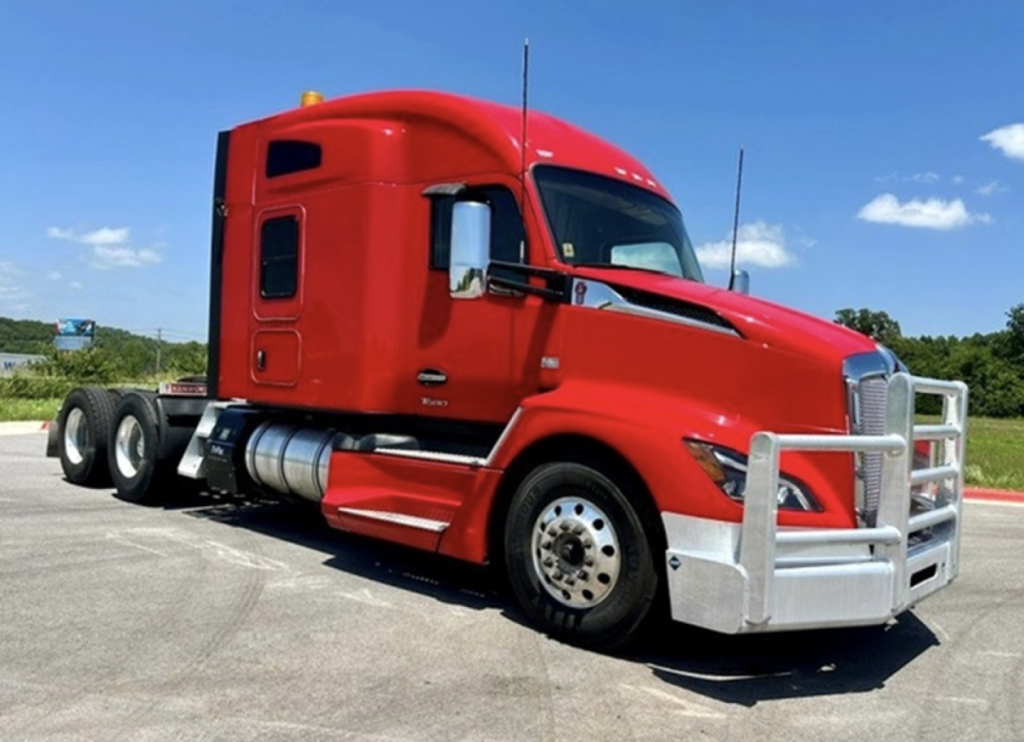
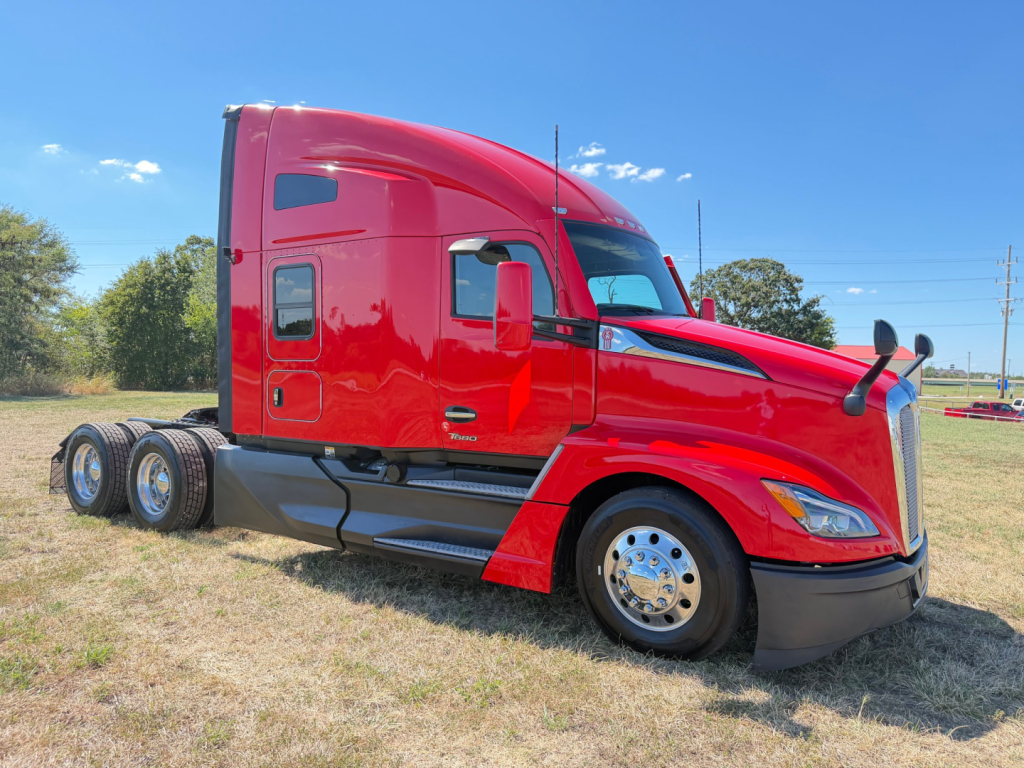
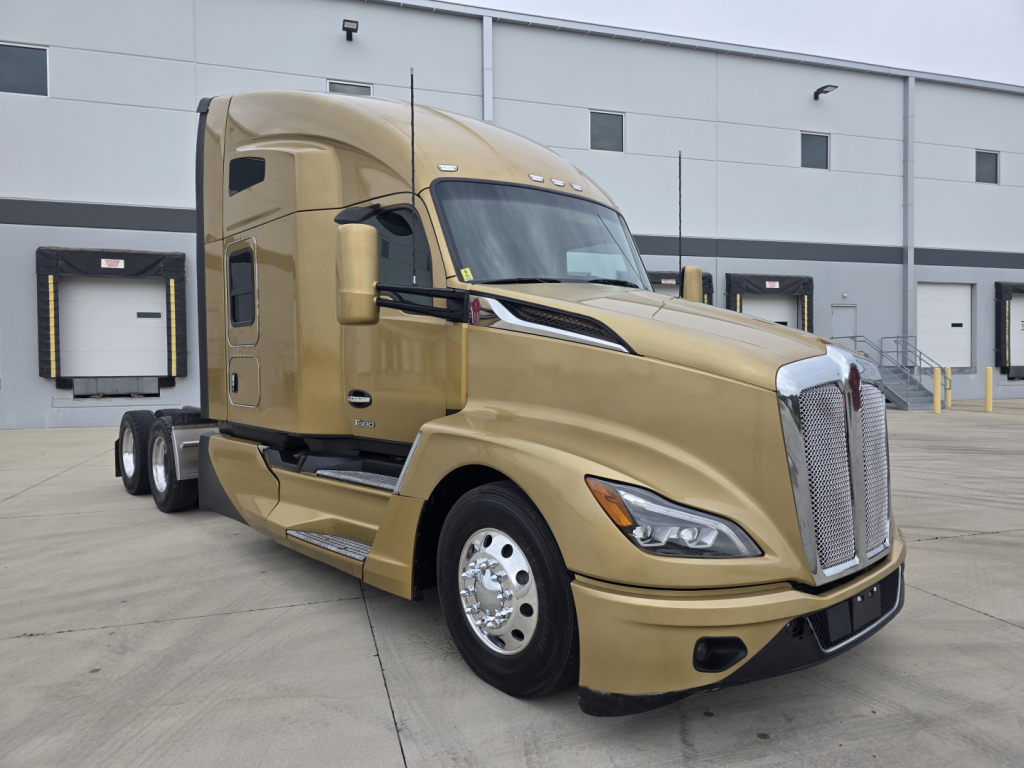
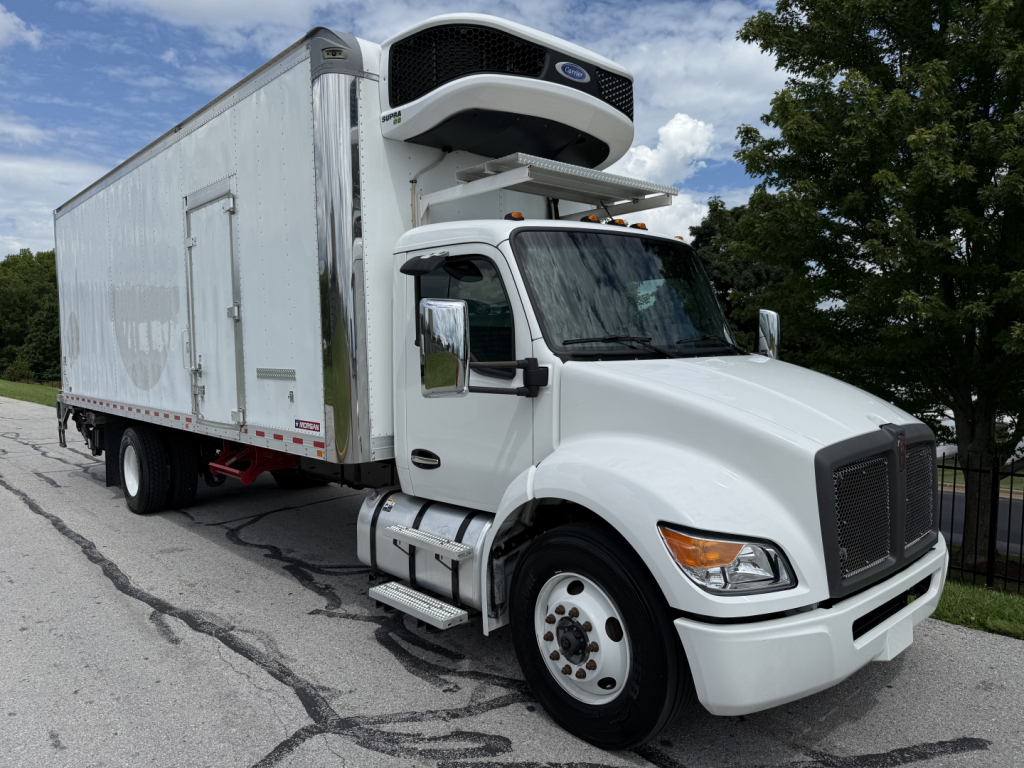
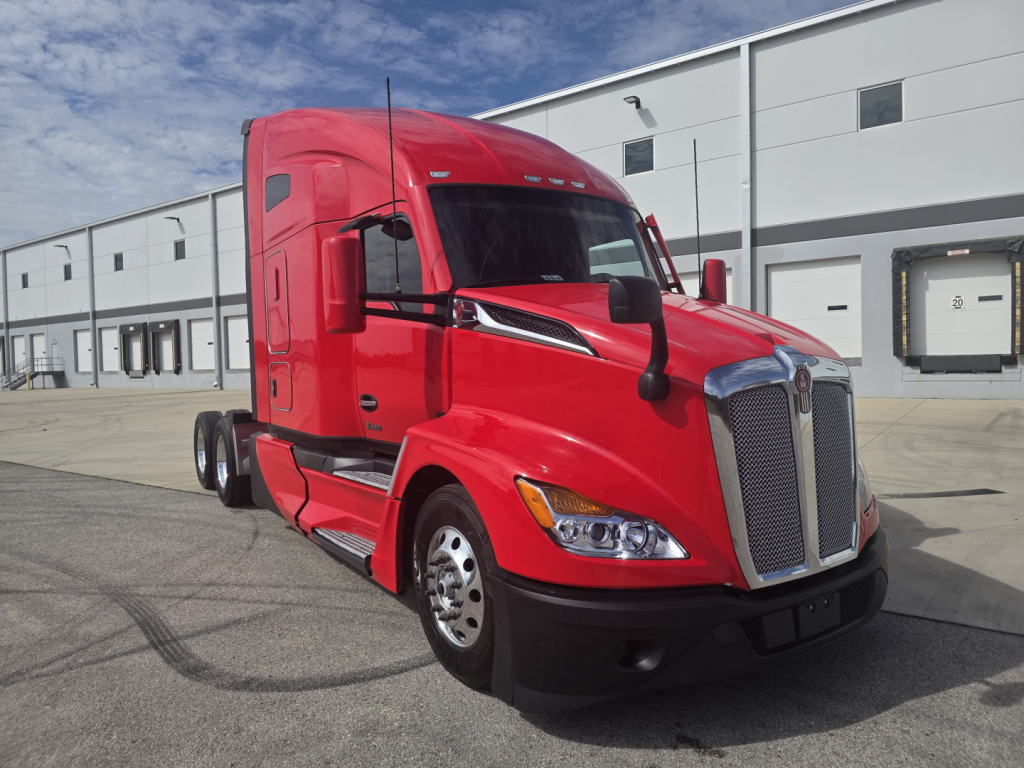
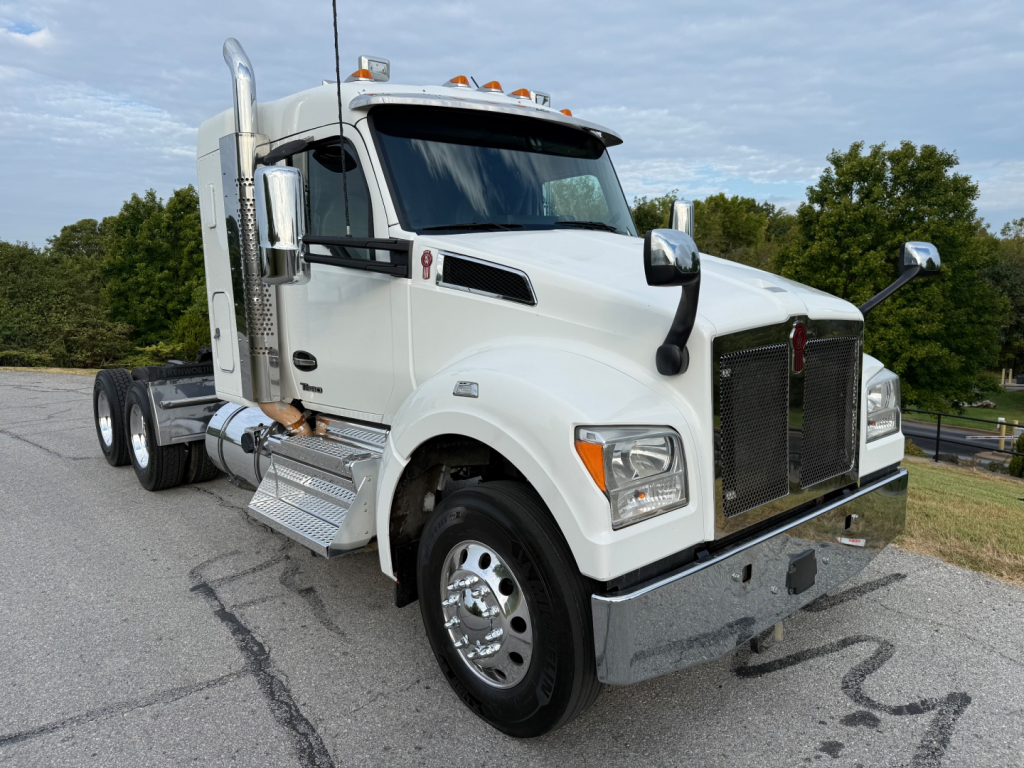
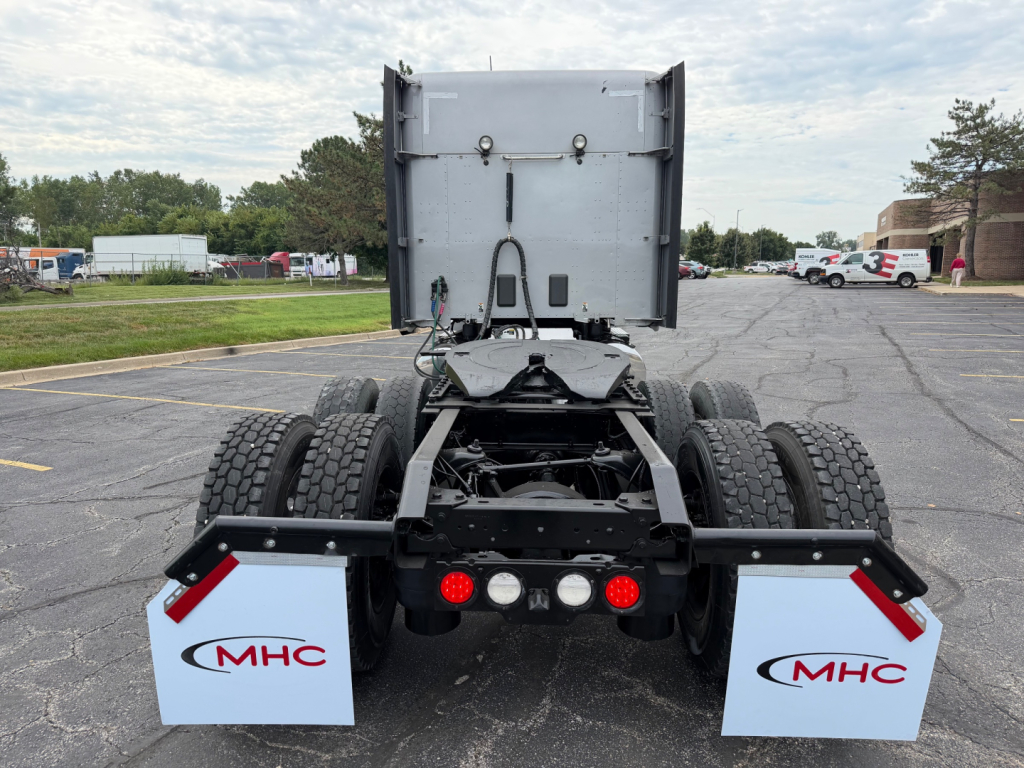
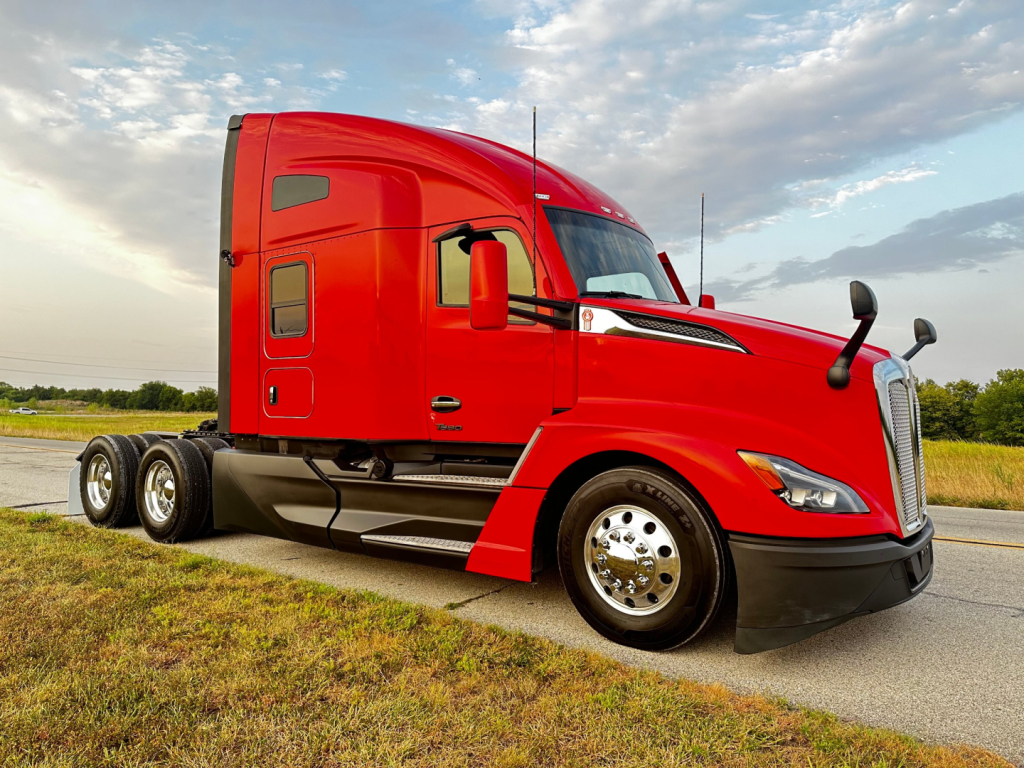
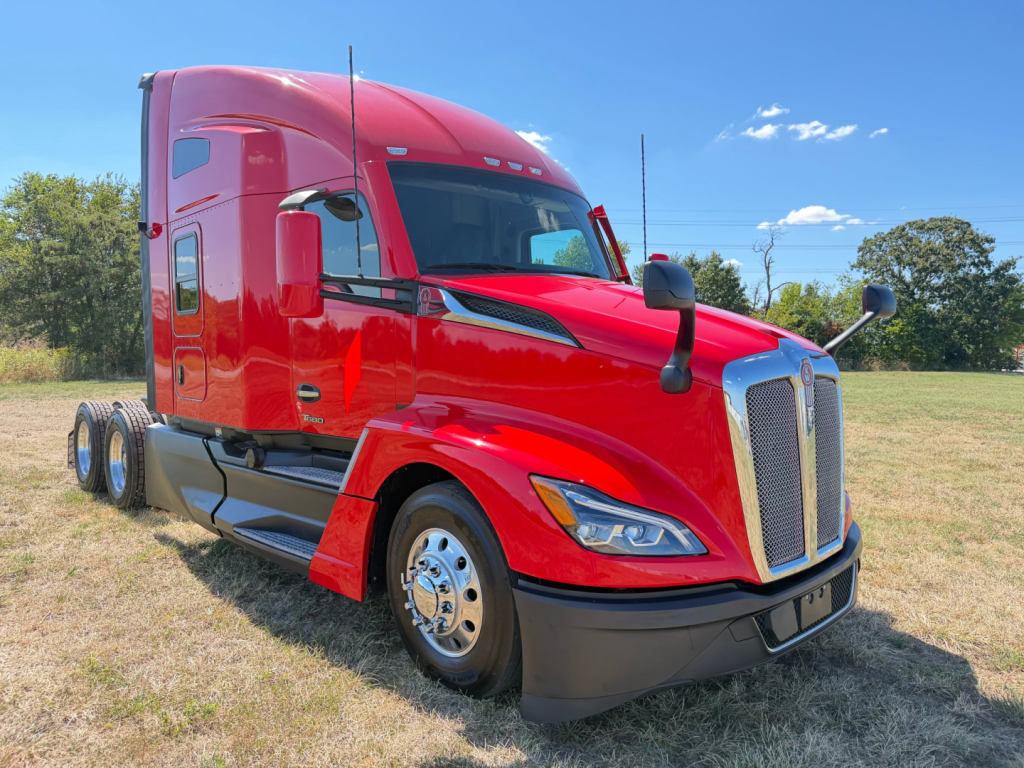
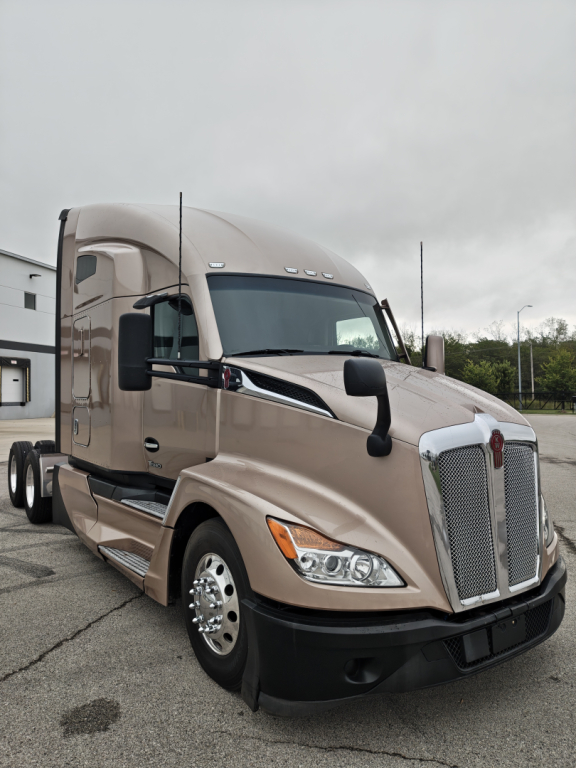
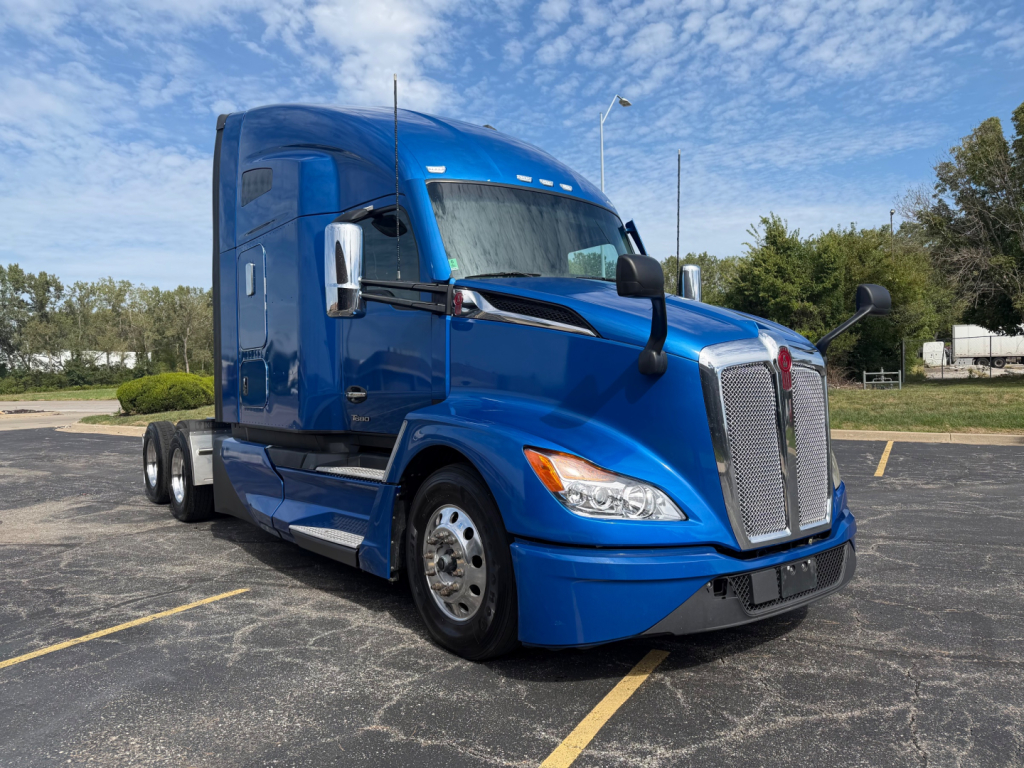
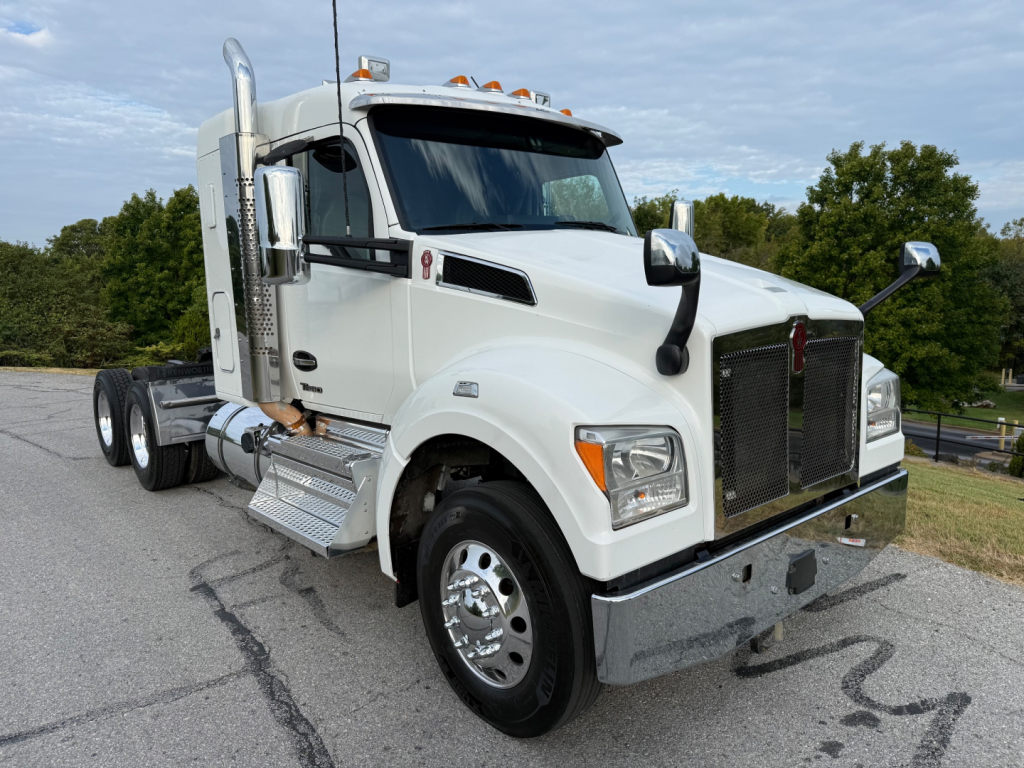
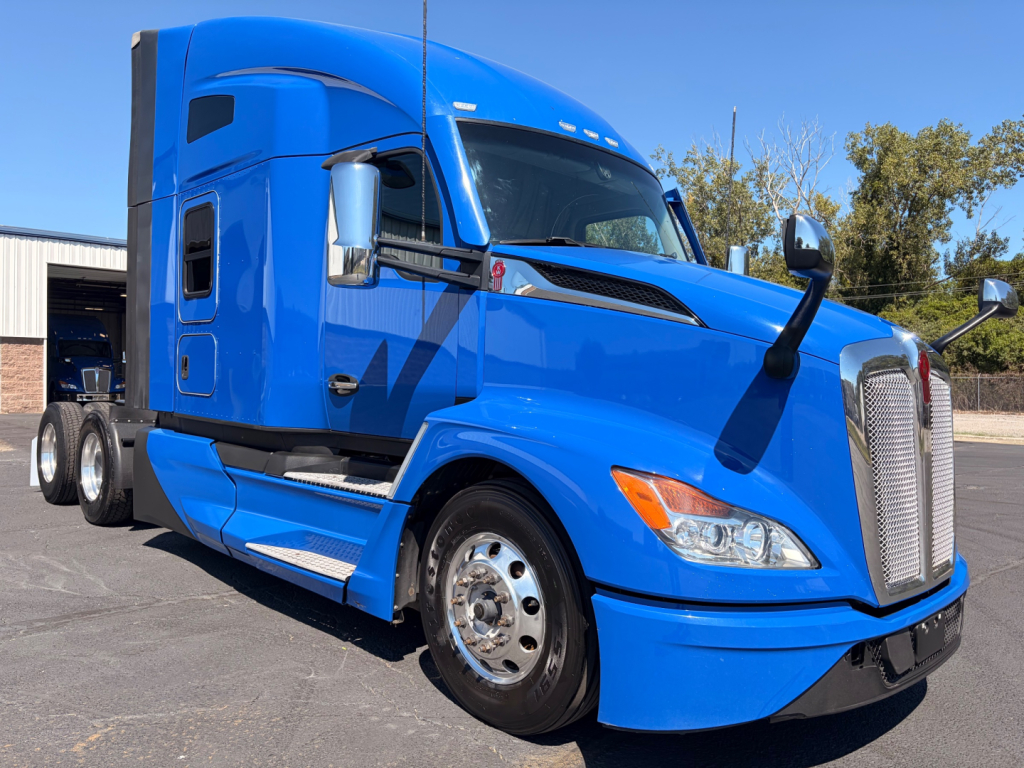
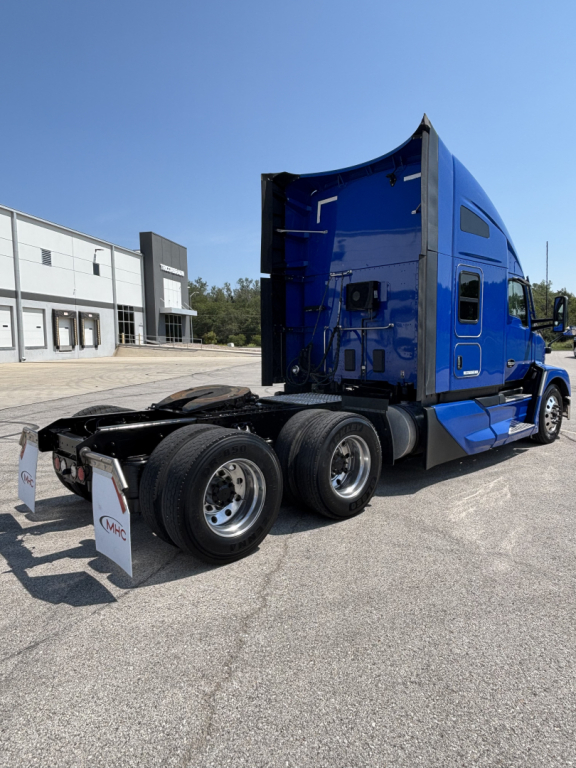
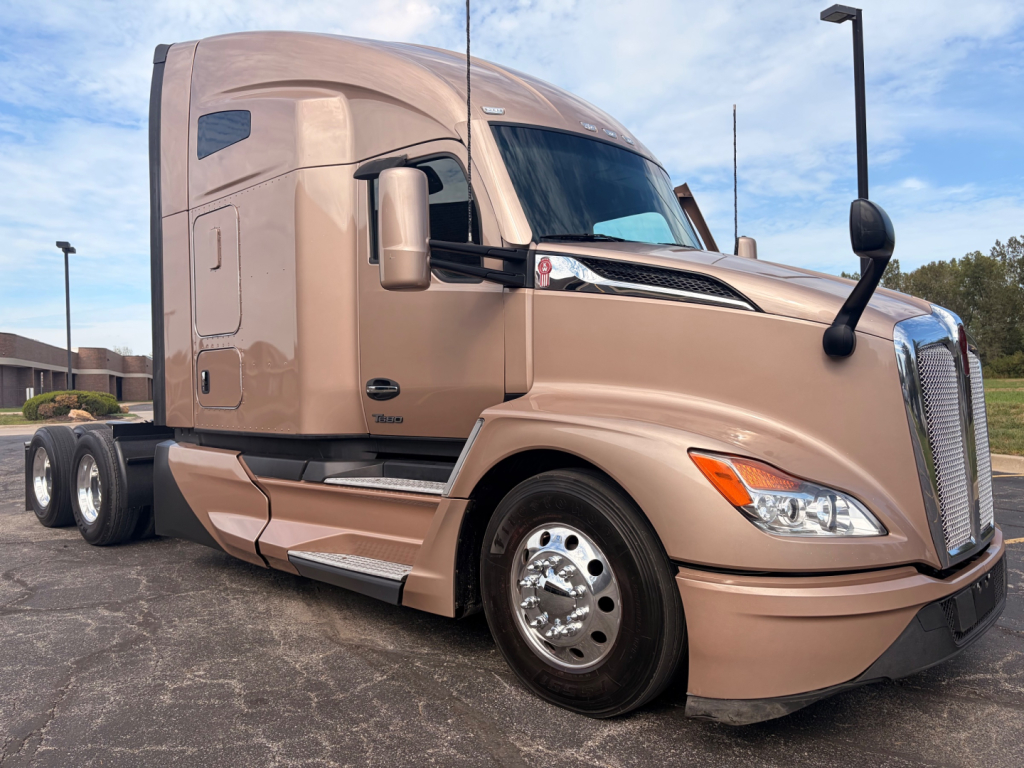
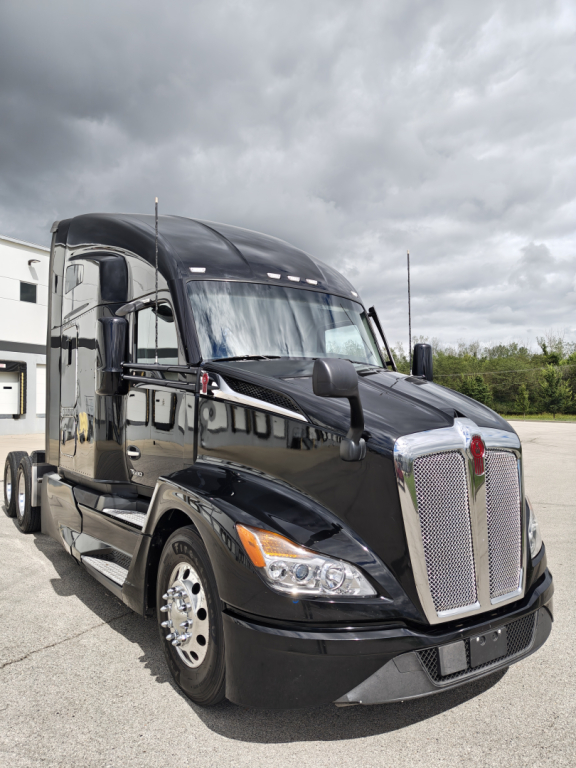

Showing 1 to 28 of 46 results
Have used kenworth truck to sell? List it here to reach thousands of buyers.
Used Kenworth Trucks in Missouri
PACCAR MX-13 and Cummins ISX15 or X15 engines are common in heavy Kenworth applications, paired with manual or automated transmissions; medium-duty models commonly use PACCAR PX engines and Allison automatics. Engine model, transmission, and axle ratio must be evaluated together. Across model years, distinguish older emissions systems from 2007-era DPF equipment and 2010-era SCR/DEF systems rather than relying on truck year alone. Later T680 Next Generation trucks also warrant checks of digital instrumentation and driver-assistance equipment.
Missouri road salt makes frame rails, crossmembers, cab mounts, brake plumbing, and electrical connectors priority inspection points. Compare ECM mileage and total engine hours with service invoices, then review idle time, fault history, DPF cleaning, and documented engine or transmission repairs. Test drive a used truck under load when possible, checking clutch engagement, shift quality, cooling performance, steering play, and driveline vibration. On vocational trucks, inspect PTO operation and body mounting; on reefers, verify refrigeration hours, temperature pull-down, door seals, and liftgate condition separately from the chassis.
Frequently Asked Questions about Used Kenworth Trucks in Missouri
Are 2.64 or 2.79 rear axle ratios suitable for a Kenworth running Missouri routes?
A 2.64 or 2.79 rear axle ratio can suit a used Kenworth T680 on interstate freight when matched to an engine designed for low-rpm cruising and the correct transmission. Tire diameter, top-gear ratio, and loaded operating weight determine cruising rpm. For Ozarks grades or frequent loaded starts, verify low-gear startability and grade performance rather than choosing highway gearing solely for fuel economy.
What weight limits apply to a Kenworth tractor-trailer on Missouri interstates?
A standard five-axle Kenworth tractor-trailer is normally limited to 80,000 pounds gross on Missouri interstates, with 20,000-pound single-axle and 34,000-pound tandem limits. Federal Bridge Formula requirements can reduce allowable weight when axle spacing is short. Truck ratings, tire capacities, registration, and posted restrictions also apply. Oversize or overweight operations require separate review of Missouri permit eligibility and approved routing.
How can I tell whether a used Kenworth has deleted emissions equipment?
Missing DPF or SCR components, nonfactory exhaust piping, and altered ECM calibrations are warning signs of emissions tampering on a used Kenworth. Compare the installed hardware with the engine's original emissions certification, since older engines did not use every system. Have a qualified shop verify calibration and aftertreatment operation. Removing or disabling required emissions controls violates federal anti-tampering rules, regardless of whether the truck runs without warning lights.
How do I calculate payload on a used Kenworth T380 refrigerated truck?
A Kenworth T380 reefer's payload is its legal operating weight minus its ready-to-work scale weight, subject to individual axle limits. Include fuel, driver, refrigeration equipment, liftgate, pallet jack, and other carried equipment in the scale weight. A long refrigerated body can overload the rear axle before reaching GVWR, so check loaded axle weights and cargo placement rather than using box length as a capacity measure.
Does the factory warranty transfer when I buy a used Kenworth?
Factory warranty status on a used Kenworth must be verified by VIN and original in-service date, not model year alone. Transfer rules and remaining coverage can differ among the chassis, engine, transmission, and aftertreatment warranties. Obtain written confirmation of mileage or hour limits, covered components, exclusions, and any transfer requirements. A seller's warranty statement does not establish that the buyer will receive the same coverage.