
Used Kenworth Trucks For Sale in Mississippi
Shop used Kenworth trucks for sale in Mississippi, including T680 and T660 models with day cab and sleeper specs for regional or long-haul use.
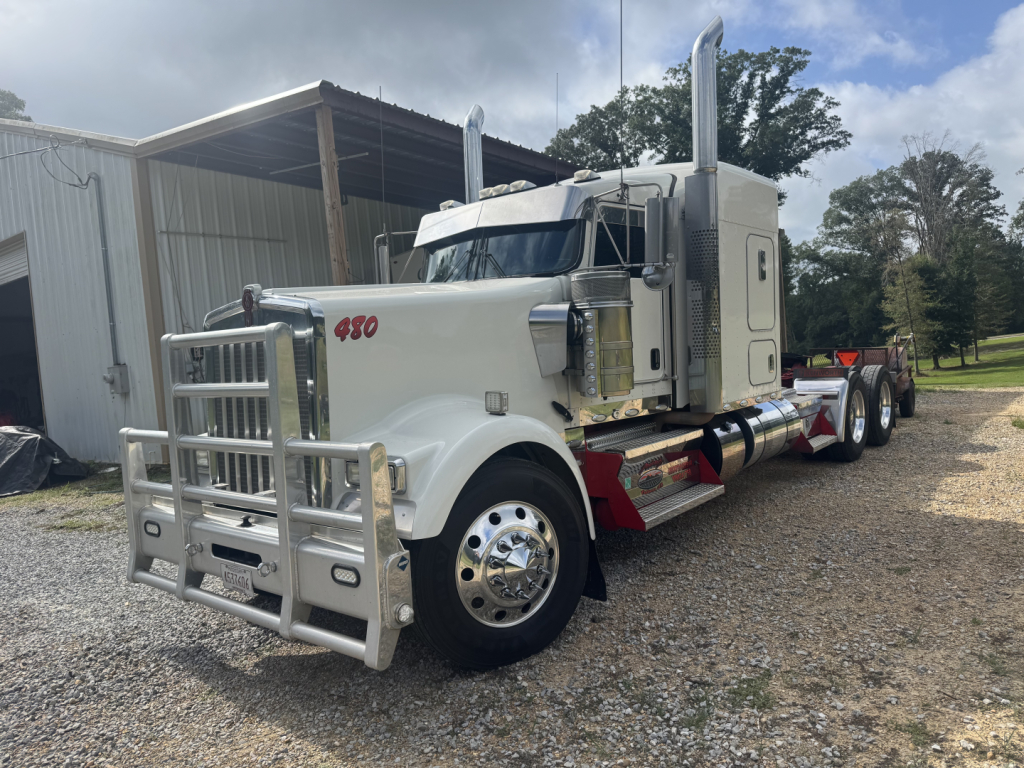
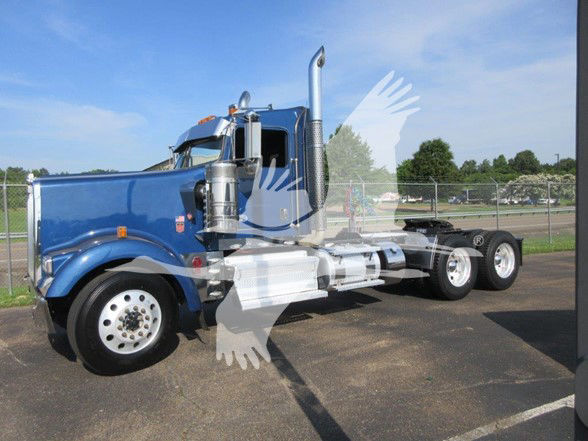
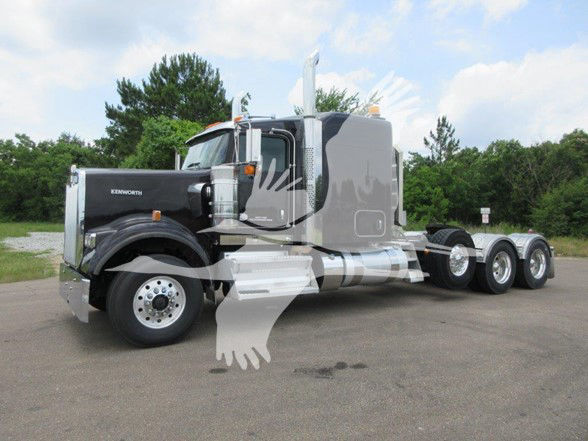
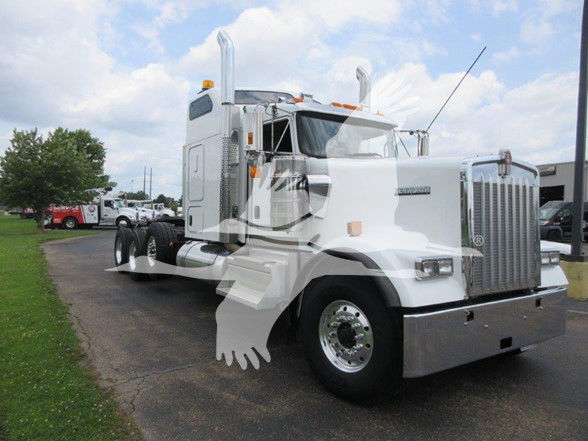
Selling a used kenworth truck? List your used kenworth truck for sale and reach thousands of commercial buyers.
Used Kenworth Trucks in Mississippi
For regional and linehaul operations, used Kenworth T680 day cabs are often equipped with PACCAR MX-13 engines in the 405 to 455 horsepower range, automated transmissions, 40,000 lb tandem rears, and faster axle ratios such as 2.64 or 2.79. That type of spec is designed for fuel-efficient highway use with dry van, reefer, and dedicated fleet work. Buyers looking at older sleeper Kenworth trucks, including T660 Aerodyne units, will often see Cummins ISX15 power, 13-speed manual transmissions, 72-inch sleepers, and 3.25 rear axle ratios. That setup usually appeals to operators who prefer manual shifting, need more gradeability, or want a truck better suited to heavier pulls and longer road time. Air ride suspension, air slide fifth wheels, aluminum fuel tanks, and low-profile 22.5 rubber are common features across this class.
Condition matters more than model year alone on a used Kenworth. A buyer should pay close attention to aftertreatment history, engine brake function, brake type, tire setup, and any collision mitigation or driver-assist systems. On newer T680 Next Gen trucks, disc brakes, aerodynamic fairings, modern Vantage interiors, and automated PACCAR powertrains are common and can reduce driver fatigue in high-mile regional service. On older trucks, service records for the engine, clutch or transmission, suspension, and emissions system are especially important. Wheelbase also deserves a close look. A 174-inch to 176-inch wheelbase day cab is easier to maneuver in tight terminals and city delivery points, while longer wheelbase sleeper tractors give more room for fuel capacity and ride quality on extended runs.
Kenworth trucks have long held value in the used market because they are widely accepted by owner-operators and fleets, and because many specs are practical for resale. In Mississippi, that can matter for buyers running port freight, agricultural loads, manufactured goods, or Southeast regional lanes where uptime and fuel burn are closely watched. A well-matched used Kenworth should be evaluated by application first, then by maintenance history, drivetrain spec, and cab configuration. For many buyers, the right truck is not simply the newest one. It is the one with the correct horsepower, axle ratio, sleeper or day cab layout, and maintenance profile for the work it will actually do.
Frequently Asked Questions about Used Kenworth Trucks in Mississippi
What are the most common used Kenworth truck models in this category?
The most common used Kenworth trucks in this category are typically highway conventionals such as the T680, T680 Next Gen, and T660 AeroCab. The T680 and T680 Next Gen are popular for fleet and regional applications because of their aerodynamic design, automated transmission availability, and modern driver amenities. The T660 remains relevant in the used market for buyers who want a proven older sleeper tractor with a more traditional drivetrain spec, often including a manual transmission and Cummins power.
What is the difference between a Kenworth day cab and a sleeper tractor?
A Kenworth day cab is built without a sleeper compartment and is usually chosen for regional hauling, terminal-to-terminal lanes, and operations where the driver returns home or to a yard daily. A sleeper tractor includes a bunk area, commonly in sizes such as 72 inches, and is better suited to long-haul work that requires overnight stays. The choice affects wheelbase, fuel capacity, weight, maneuverability, and driver comfort, so it should be matched closely to the intended route structure.
Which engine and transmission combinations are common in used Kenworth highway tractors?
Many late-model used Kenworth highway tractors are equipped with PACCAR MX-13 engines paired with automated transmissions, often in horsepower ratings around 405 to 455. These combinations are common in fuel-conscious fleet specs. Older Kenworth sleepers frequently appear with Cummins ISX15 engines and 10-speed or 13-speed manual transmissions, which can appeal to buyers who prefer a more traditional powertrain and more direct control in varied terrain or heavier applications.
Why does rear axle ratio matter on a used Kenworth truck?
Rear axle ratio has a major effect on fuel economy, cruise RPM, launch performance, and gradeability. Faster ratios such as 2.64 or 2.79 are typical on aerodynamic highway trucks built for efficient interstate operation at steady speeds. Ratios like 3.25 are more common on trucks spec'd for stronger pulling power or broader operating conditions. A buyer should compare axle ratio with tire size, transmission gearing, and expected gross combination weight before making a decision.
What should buyers inspect first on a used Kenworth truck?
The first priorities are maintenance records, engine and aftertreatment history, transmission operation, suspension condition, and brake and tire wear. Buyers should also inspect the fifth wheel, frame condition, steering components, and any signs of uneven tire wear that may point to alignment or suspension issues. On newer trucks, it is also important to verify the status of collision mitigation systems, dash warning lights, and emissions-related repairs. A used Kenworth with the right service history and application-specific spec is usually a better purchase than one chosen by age alone.