
Kenworth Trucks For Sale in Kansas
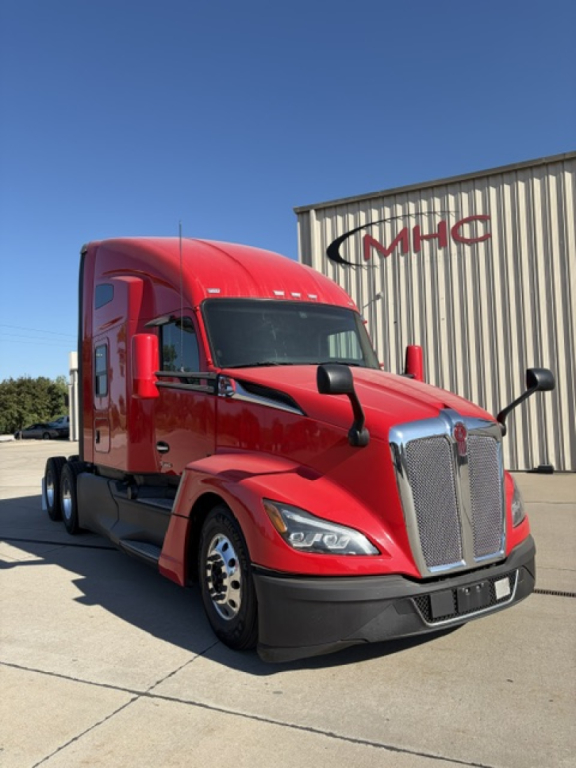
Browse Kenworth trucks for sale in Kansas, including T680 daycab and sleeper models with aero specs, MX-13 power, and fleet-ready setups.
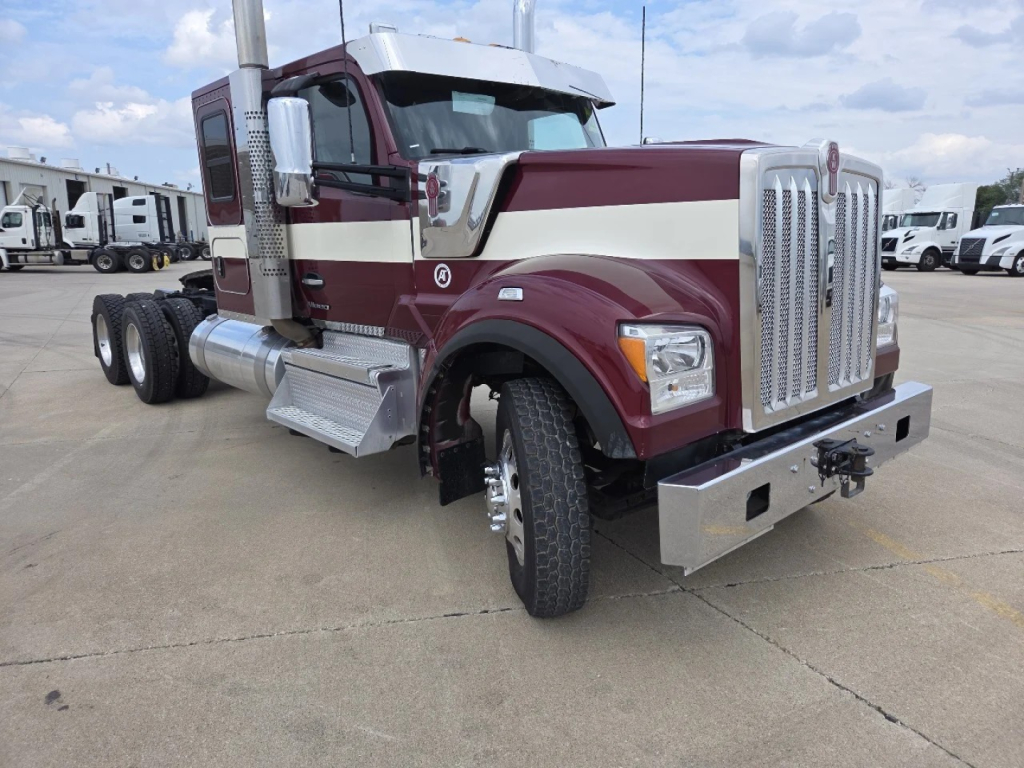
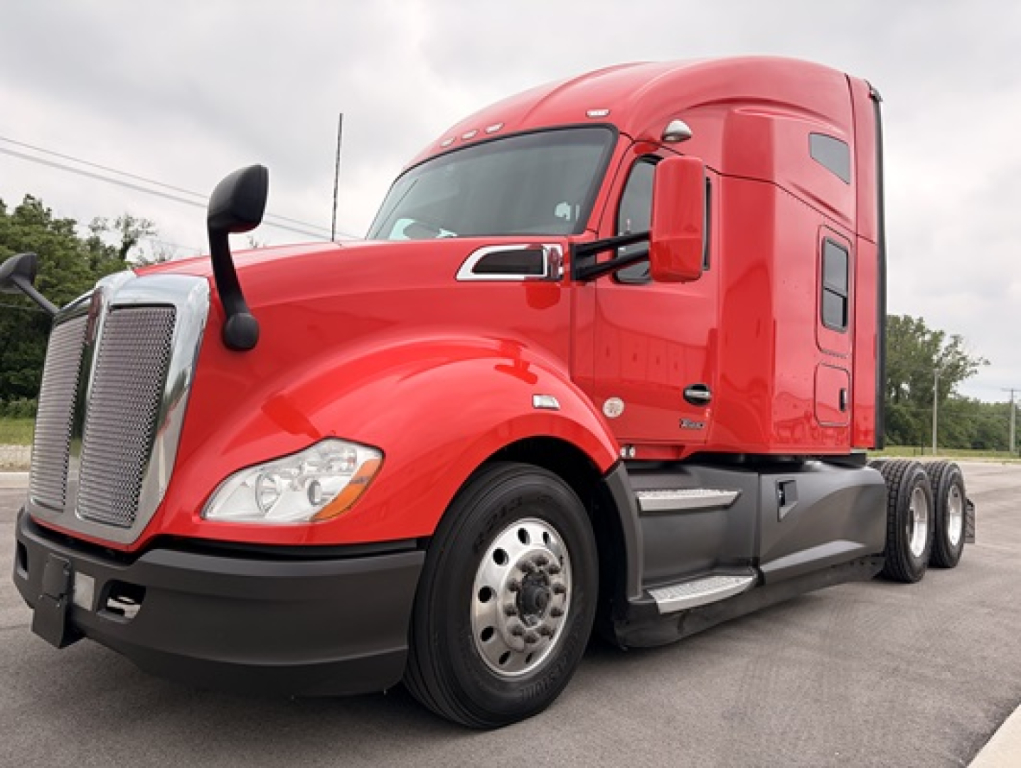
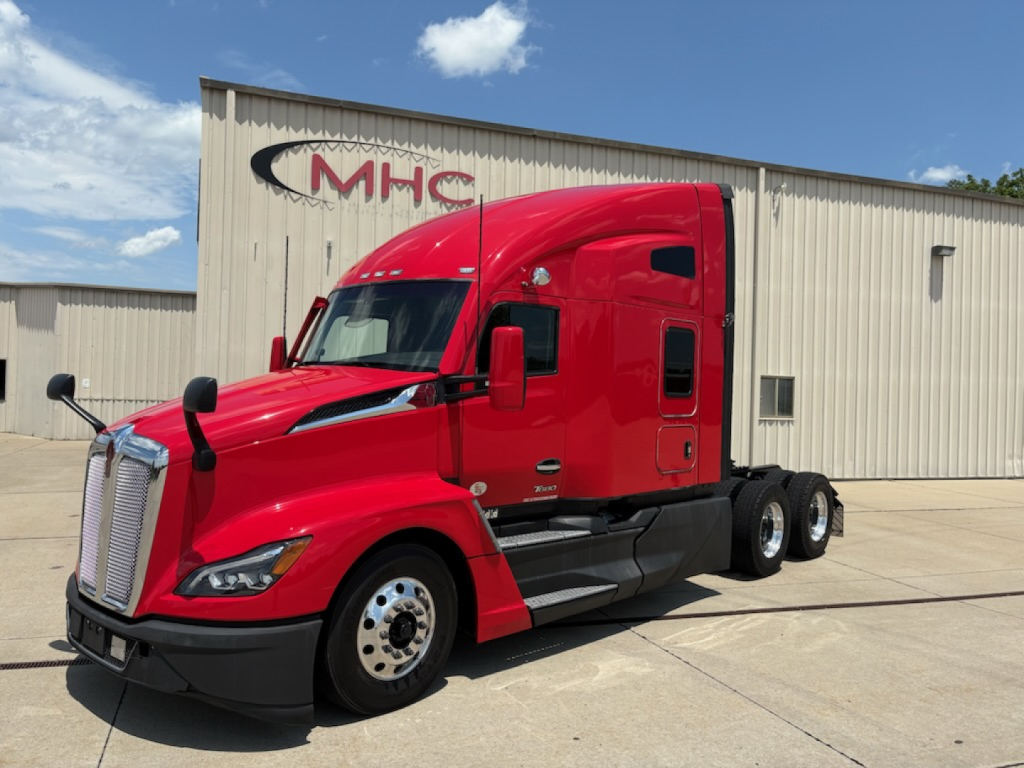
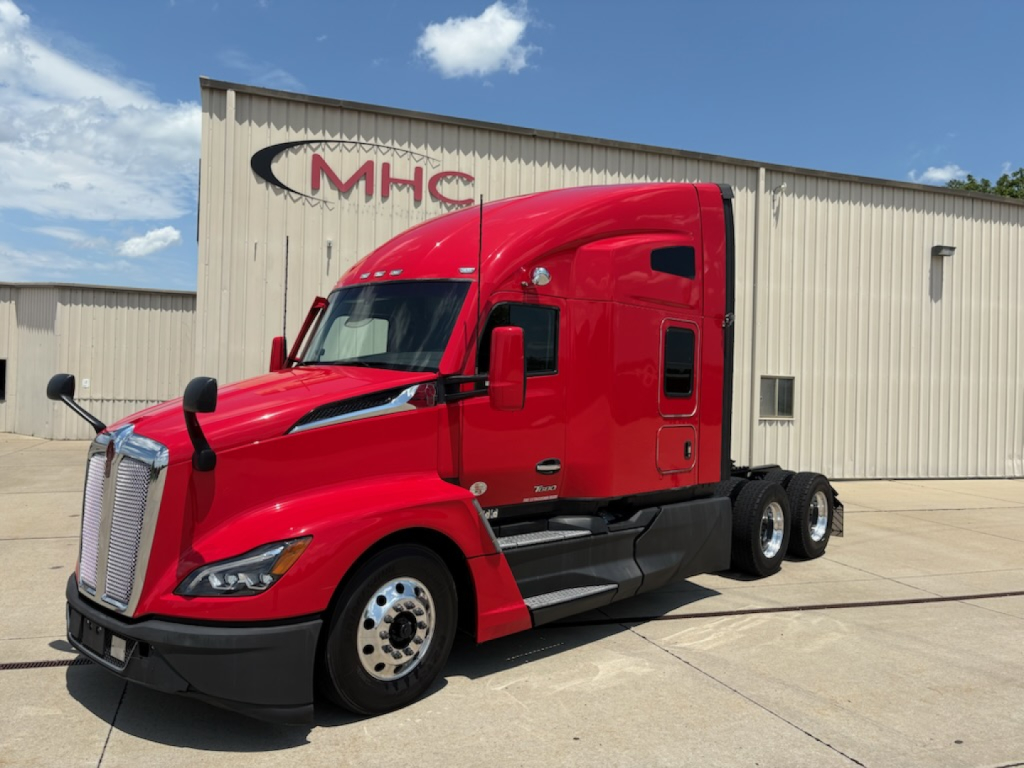
Selling a kenworth truck? List your kenworth truck for sale and reach thousands of commercial buyers.
Kenworth Trucks in Kansas
Powertrain decisions drive total cost more than the badge on the hood. Many Kenworth highway tractors are spec'd with the PACCAR MX-13 in the 405 to 455 horsepower range, paired with automated transmissions and 2.64 rear axle ratios for low-rpm cruising. That combination is common in fuel-conscious fleet spec trucks running van, reefer, and general freight. A 40,000-pound rear axle setup, air ride suspension, engine brake, and air slide fifth wheel are all worth noting because they affect payload flexibility, ride quality, and trailer positioning. Wheelbase also matters more than some buyers expect. A shorter wheelbase day cab is easier to maneuver around Kansas City terminals, feed lots, grain facilities, and tight industrial yards, while a longer wheelbase sleeper generally tracks better on interstate runs and gives more room for fairings and fuel capacity.
Cab and chassis details separate a good spec from a poor fit. On Kenworth trucks, buyers should look closely at brake type, tire size, suspension condition, interior trim level, and aerodynamic equipment such as roof fairings, cab extenders, and side fairings. Disc brakes can reduce stopping distance and simplify service planning in certain fleets. Aluminum wheels and dual aluminum fuel tanks help with weight and corrosion resistance. Inside the cab, tilt and telescoping steering, cruise control, power windows, air conditioning, and Vantage-style interior layouts can improve driver comfort and reduce fatigue on long shifts. Safety technology has also become a major buying point, with collision mitigation systems and other driver-assist features increasingly common on newer Kenworth models.
Kansas buyers should also think about where the truck will spend most of its time. A truck running I-35 or I-70 in linehaul service may benefit from a tall gear, full aero package, and sleeper configuration, while a unit handling metro distribution or drop-and-hook work may be better as a non-sleeper conventional with a shorter chassis. Kenworth has long held a strong reputation for driver appeal, cab ergonomics, and clean vocational-to-highway crossover spec options. When comparing listings, it helps to evaluate horsepower, transmission model, axle ratio, wheelbase, brake setup, sleeper size, and overall maintenance history as a package rather than in isolation.
Frequently Asked Questions about Kenworth Trucks in Kansas
What is the difference between a Kenworth day cab and a Kenworth sleeper truck?
A Kenworth day cab is a non-sleeper conventional tractor designed for local, regional, and dedicated routes where the driver returns home regularly. A Kenworth sleeper truck includes a built-in sleeping compartment, often in mid-roof or high-roof form, and is better suited to long-haul work, multi-day routes, and operations that need added storage and driver living space. The choice affects wheelbase, weight, fuel capacity, maneuverability, and resale appeal depending on the freight lane.
What engine and transmission specs are common on Kenworth T680 trucks?
A common highway spec for the Kenworth T680 includes the PACCAR MX-13 engine in the low-to-mid 400 horsepower range paired with an automated manual transmission. Rear axle ratios such as 2.64 are often used to keep engine rpm low at highway speed for better fuel economy. This type of spec is typical for dry van, reefer, and general freight carriers that prioritize efficiency, lower driver workload, and consistent interstate performance.
Is a Kenworth T680 a good truck for Kansas freight operations?
The Kenworth T680 is a strong fit for many Kansas operations because it balances aerodynamic efficiency, driver comfort, and highway performance. It works well for interstate lanes, regional distribution, and fleet applications moving through major freight corridors like I-35 and I-70. Buyers running local terminal work may prefer a day cab configuration, while over-the-road fleets usually lean toward a 76-inch high-roof sleeper with full fairings and larger fuel capacity.
What should I look for when comparing used Kenworth trucks?
Focus on the complete spec and service profile, not just model year or mileage. Important items include engine make and horsepower, transmission type, axle ratio, rear axle rating, suspension, wheelbase, brake type, fifth wheel setup, tire condition, and safety systems such as collision mitigation. On sleeper models, cab condition, bunk layout, HVAC performance, and fairing condition also matter. A truck with the right spec for the job usually performs better and costs less to operate than a newer truck with the wrong gearing or chassis layout.
Are aerodynamic features important on Kenworth highway trucks?
Yes. Aerodynamic equipment such as roof fairings, side fairings, cab extenders, and quarter fenders can make a meaningful difference in fuel economy on highway runs. These features help reduce drag, especially at sustained interstate speeds, and they are most valuable on linehaul tractors pulling vans and reefers. On local or stop-and-go work, the benefit is smaller, so buyers should match the aero package to the actual route profile.