
Kenworth Conventional Sleeper Trucks For Sale in Kansas
Shop Kenworth conventional sleeper trucks for long-haul freight, featuring T680 specs, high-roof sleepers, aero design, and fleet-ready options.
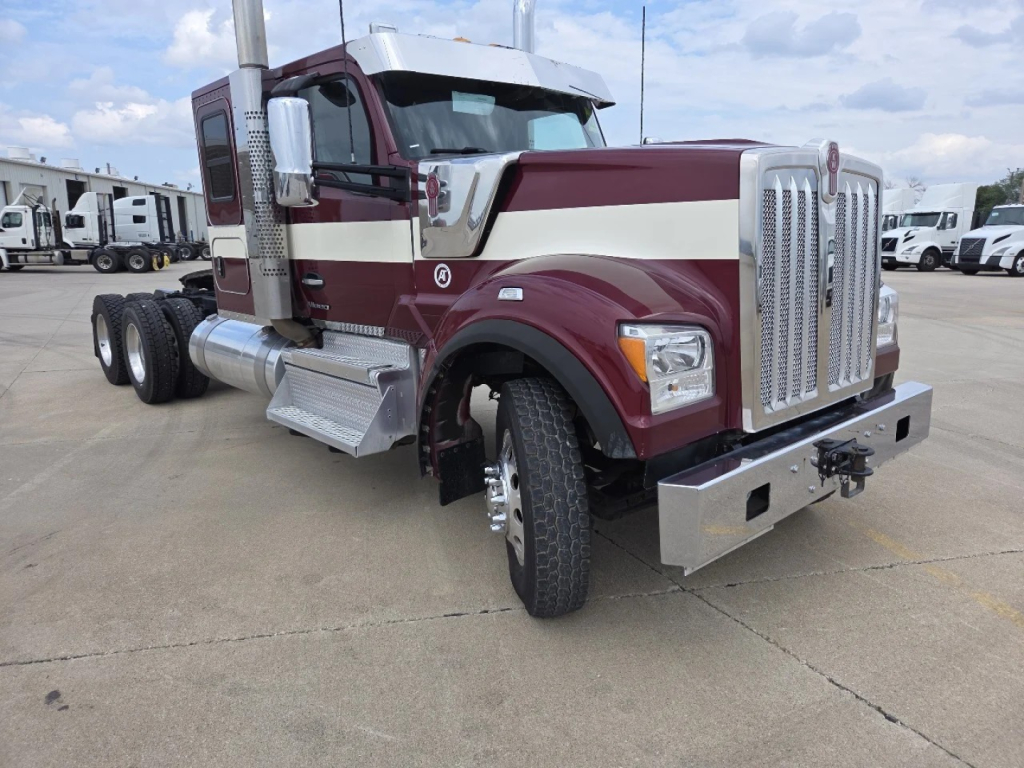
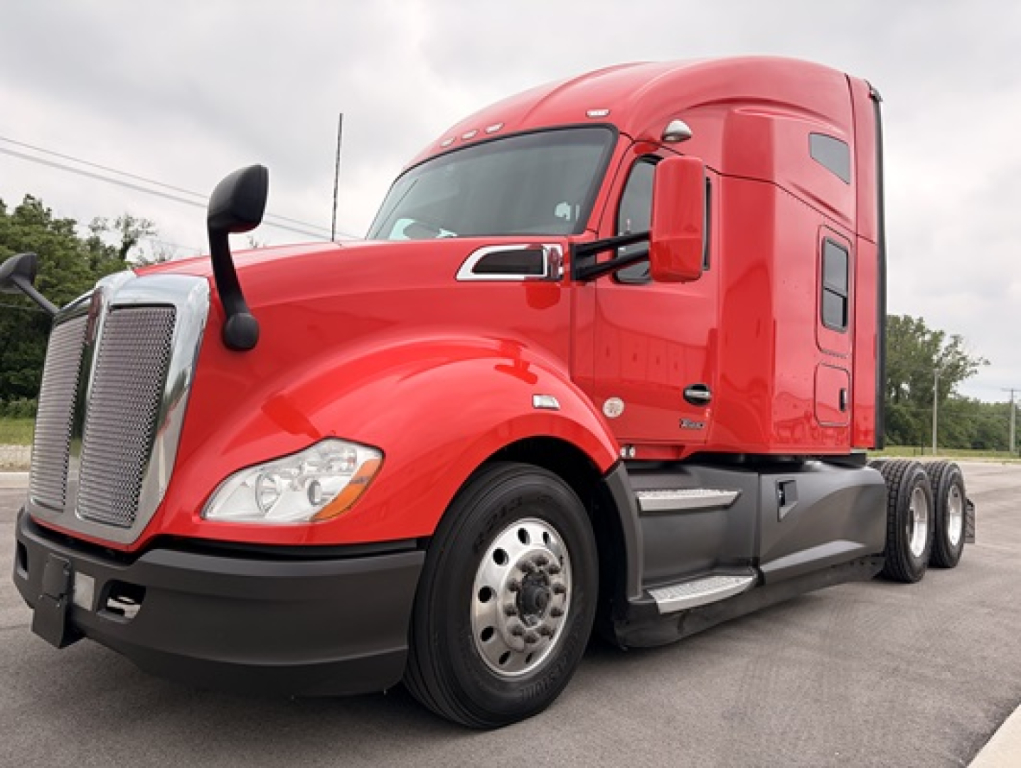
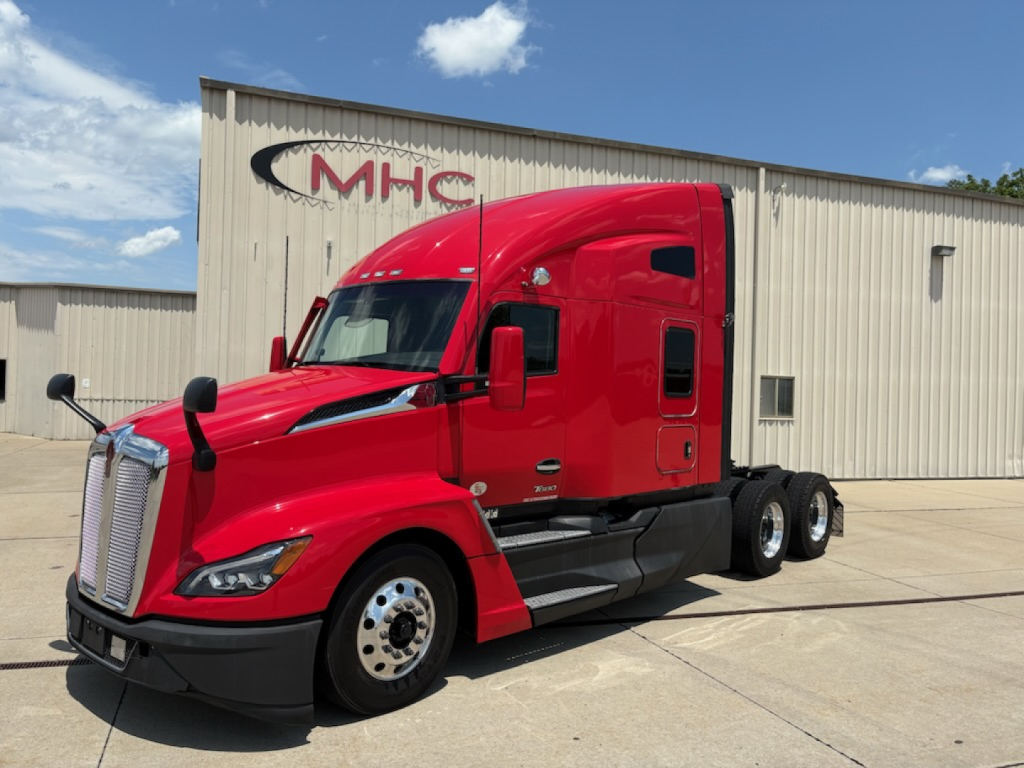
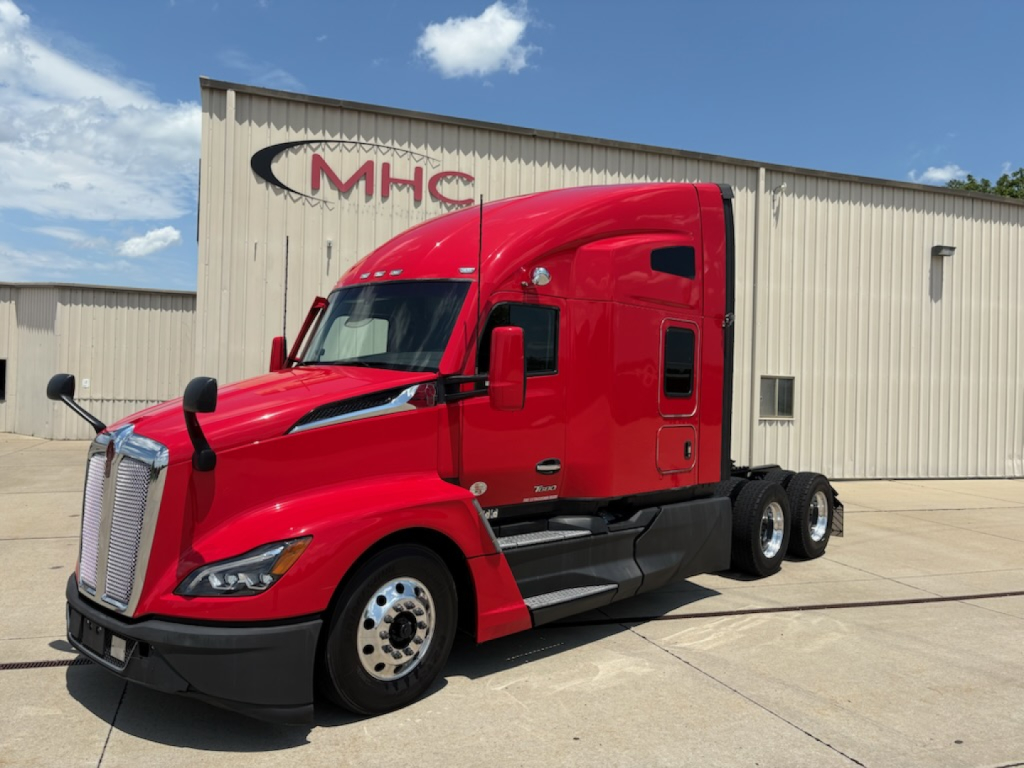
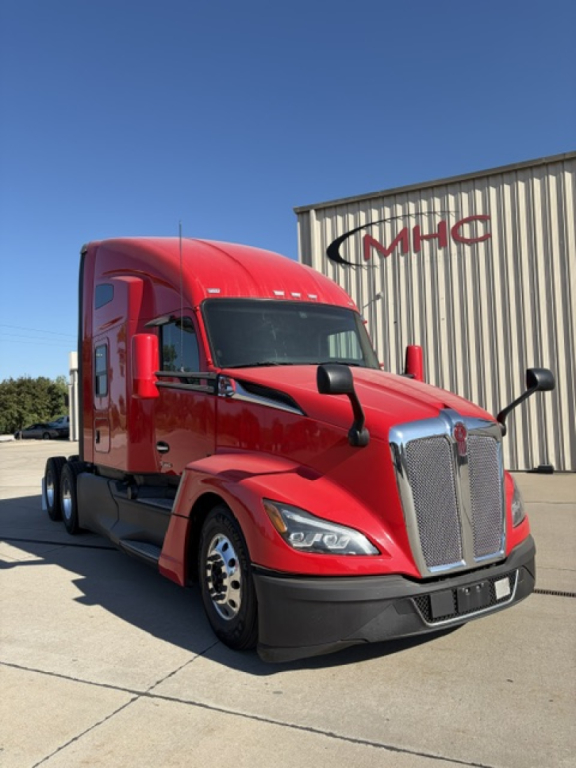
Selling a kenworth conventional sleeper truck? List your kenworth conventional sleeper truck for sale and reach thousands of commercial buyers.
Kenworth Conventional Sleeper Trucks in Kansas
A typical late-model Kenworth sleeper in this category is spec'd with a high-roof 76-inch sleeper, an automated manual transmission, and a 12 to 13 liter engine such as the PACCAR MX-13. Horsepower commonly falls in the 405 to 455 hp range, often paired with 1,650 to 1,850 lb-ft of torque depending on the intended duty cycle. Fleet buyers should look closely at rear axle ratio, wheelbase, and suspension setup because those three items do a lot to determine fuel mileage, startability, and trailer flexibility. A 2.64 ratio, 228-inch wheelbase, and 40,000 lb tandem rears is a common linehaul combination for van and reefer work. Air ride suspension, air slide fifth wheels, disc brakes, low-profile 22.5 tires, and aluminum wheels are also common on fuel-conscious highway tractors.
The sleeper itself is not just a comfort item. It affects resale, driver acceptance, and how the truck fits the work. High-roof sleepers provide more standing room, better cabinet space, and more room for idle management equipment like bunk heaters or auxiliary power setups. Interior trim packages, insulation, HVAC performance, and safety tech such as collision mitigation systems can make a noticeable difference on long runs. Buyers comparing used Kenworth sleeper trucks should pay attention to cab mount condition, fairing damage, emissions history, service records, and the operation of the automated transmission. On aerodynamic tractors, missing side fairings, poor hood alignment, or neglected ride height can hurt fuel economy more than many buyers expect.
For Kansas fleets and owner-operators, a Kenworth conventional sleeper truck is usually chosen for dry van, reefer, and general freight operations running I-35, I-70, and surrounding Midwest corridors. The right spec depends on average load weight, terrain, and time spent at highway speed. Lower numerical axle ratios generally favor fuel economy on flatter interstate lanes, while heavier or more variable freight may benefit from a more versatile driveline spec. The best used sleeper tractor is not just the newest one on the page. It is the one with a drivetrain, sleeper size, wheelbase, and maintenance profile that match the lanes you actually run.
Frequently Asked Questions about Kenworth Conventional Sleeper Trucks in Kansas
What is the most common Kenworth conventional sleeper truck configuration?
The most common configuration in this category is a highway-spec Kenworth T680 with a 76-inch high-roof sleeper, 12 or 13 liter diesel engine, automated manual transmission, tandem drive axles, and an aerodynamic package with side fairings and cab extenders. Many are set up for van and reefer service with 40,000 lb rear axles, an air slide fifth wheel, and fuel-saving axle ratios. This spec is popular because it balances driver comfort, highway efficiency, and broad trailer compatibility.
Is a Kenworth sleeper truck a good choice for long-haul freight?
Yes. A Kenworth conventional sleeper truck is designed for over-the-road use where operators need sleeping space, storage, and a cab layout that supports extended time on the road. High-roof sleepers are especially well suited for long-haul applications because they provide better livability and room for amenities that reduce idle time and improve driver comfort. For fleets, that can translate into better retention and easier assignment of multi-day loads.
What specs matter most when buying a used Kenworth T680 sleeper?
The most important specs are engine rating, transmission type, rear axle ratio, wheelbase, sleeper size, and maintenance history. A buyer should also review emissions system service, brake type, suspension, tire size, and fifth wheel setup. On a used aerodynamic sleeper, condition of the hood, fairings, bumper, and cab extenders matters because those parts affect both appearance and fuel economy. Service records and fault history are often more valuable than cosmetic upgrades.
What rear axle ratio is best for a Kenworth highway sleeper truck?
That depends on the freight and terrain. A ratio such as 2.64 is commonly used in linehaul applications where the truck spends most of its time at interstate speed and the goal is lower engine rpm for better fuel economy. If the truck regularly hauls heavier loads, runs more two-lane routes, or operates in hillier terrain, a different ratio may provide better drivability and startability. The axle ratio should be matched to the transmission, tire size, and average gross combination weight.
Are Kenworth conventional sleeper trucks used mainly for van and reefer work?
Most are. The aerodynamic design, sleeper layouts, and common powertrain specs make these trucks a strong fit for dry van, reefer, and general freight service. That said, they are also used in dedicated contract freight and some flatbed operations when the wheelbase and fifth wheel position are set up correctly. The key is making sure the tractor's wheelbase, sliding fifth wheel travel, and drivetrain match the trailer type and the routes it will actually cover.