
Kenworth Trucks For Sale in Alabama
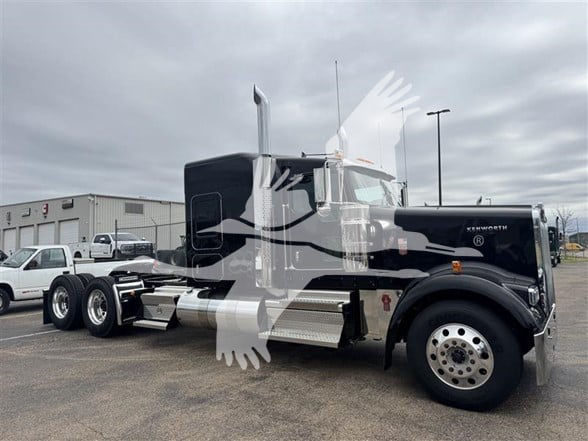
2025 Kenworth W900L
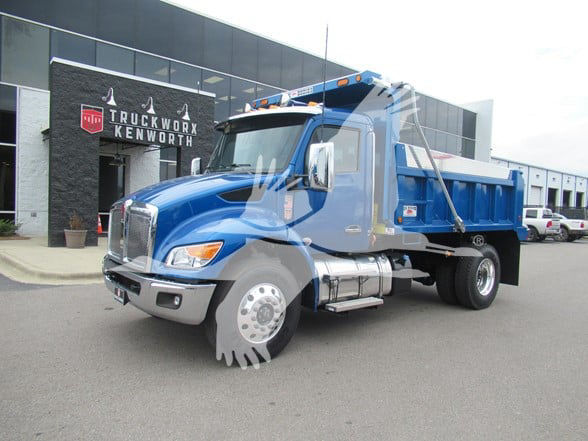
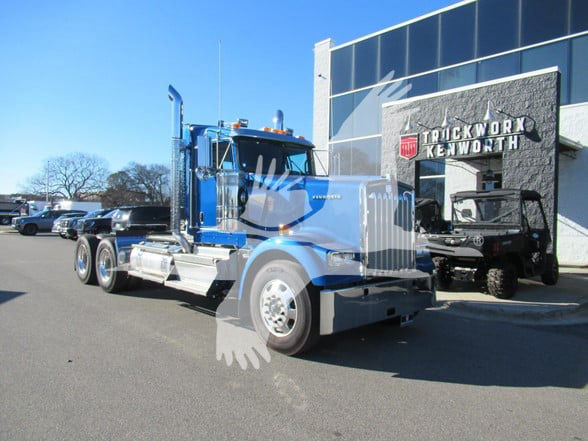
2025 Kenworth W900L
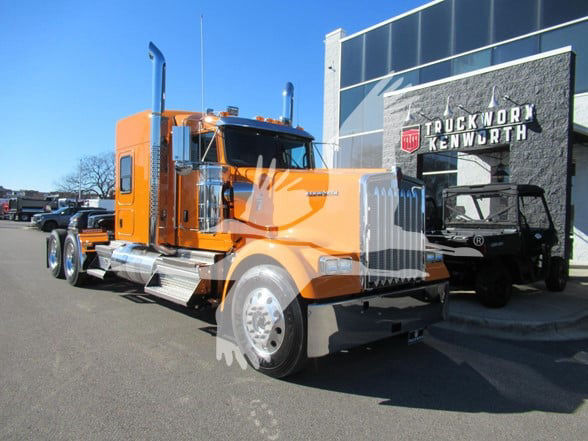
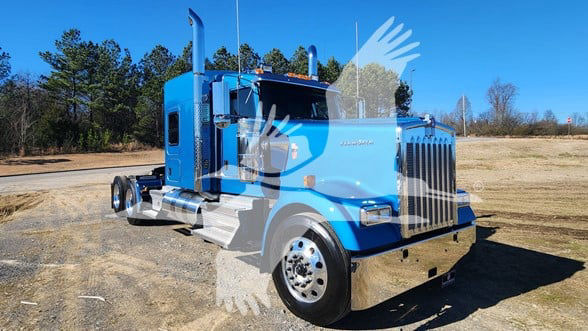
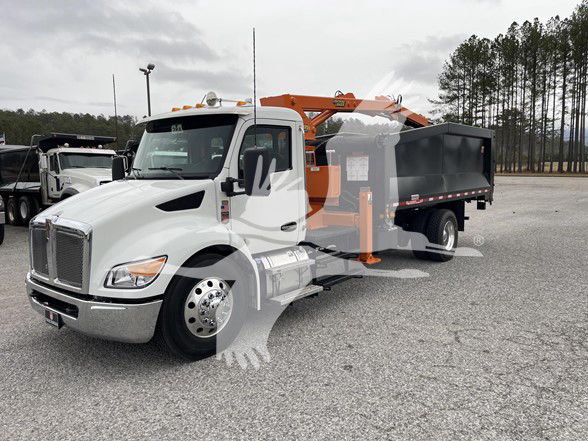
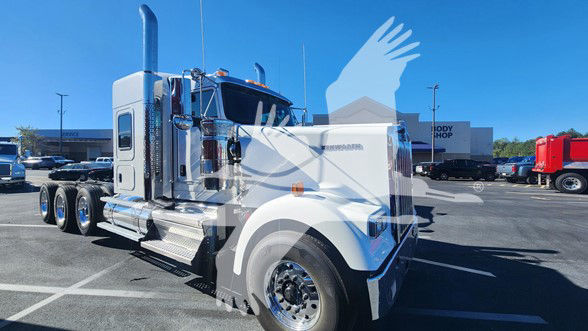
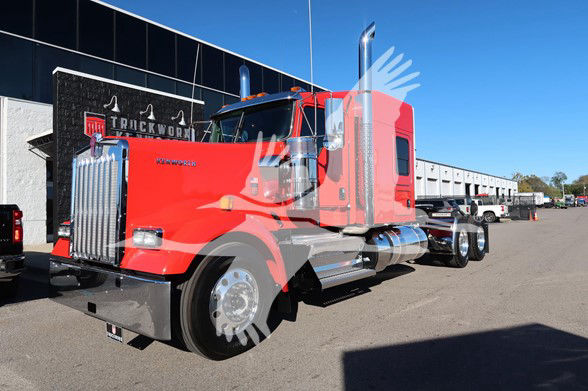

Showing 49 to 58 of 58 results
Have kenworth truck to sell? List it here to reach thousands of buyers.
Kenworth Trucks in Alabama
The most important buying decision is the job the truck was built to do. A T880 set up for lowboy work may carry a Cummins X15 in the 500 to 565 horsepower range, a 4.30 or deeper rear ratio, heavy AG 460 suspension, and a long wheelbase to handle axle spread, deck height needs, and front-end loading. A dump specification changes the priorities. Buyers often look for shorter wheelbases, higher rear ratios such as 4.78 or 5.57, vocational suspensions like Chalmers or Reyco, and automatic transmissions when stop-and-go work or mixed drivers are part of the operation. For highway sleepers like the W900L, common considerations include sleeper size, wheelbase, axle ratio, fuel capacity, and whether the truck is built for owner-operator appeal, regional freight, or longer haul lanes through the Southeast.
In Alabama, terrain, heat, and application all affect the right spec. Construction, aggregates, logging support, site work, and heavy equipment transport push buyers toward durable vocational setups with 22.5 or 24.5 rubber, aluminum or mixed wheel packages, and suspension choices matched to payload and road conditions. A tri-axle T880 can make sense where bridge formulas, paver work, or heavy dump body applications demand more legal capacity. A single-axle T380 makes more sense for urban routes, county work, and jobs where maneuverability matters more than gross weight. Cab-and-chassis units are also worth a close look if the buyer needs to install a dump body, rollback, service body, mixer, or other vocational equipment and wants control over final body configuration.
Kenworth is also known for a driver-focused cab layout, solid visibility, and broad parts and dealer support, which matters when uptime is tied to jobsite schedules. Buyers comparing used or new Kenworth trucks should pay close attention to engine family, transmission type, suspension rating, wheelbase, axle configuration, and intended body or trailer match. A truck with the right drivetrain ratio and suspension package will usually outperform a higher-horsepower truck that was spec'd for the wrong application. That is especially true in vocational service, where frame strength, PTO compatibility, turning radius, and axle placement often matter as much as the badge on the hood.
Frequently Asked Questions about Kenworth Trucks in Alabama
What Kenworth model is best for heavy haul or lowboy work?
The Kenworth T880 is one of the most common choices for heavy haul and lowboy applications because it can be ordered with high-horsepower engines, heavy vocational suspensions, tandem or tri-axle setups, and wheelbases suited to axle spread and trailer balance. Buyers should focus on horsepower, torque, rear axle ratio, suspension rating, and front axle capacity more than model name alone. A lowboy tractor with a Cummins X15, deeper gearing, and an AG 460 or similar suspension will be much better suited to Alabama heavy equipment hauling than a highway spec tractor with lighter running gear.
What is the difference between a Kenworth T880 and a W900L?
The T880 is generally a vocational and severe-service platform, although it can also be spec'd for highway use. It is commonly used for dump, lowboy, mixer, and cab-and-chassis work where durability, visibility, and body-builder flexibility matter. The W900L is a long-hood conventional that is more often associated with owner-operators, highway service, and traditional sleeper configurations. The W900L is known for its long wheelbase and classic styling, while the T880 is usually the more practical choice for buyers needing vocational versatility and easier body integration.
What should I look for in a Kenworth dump truck?
Start with axle configuration, wheelbase, suspension, rear ratio, and transmission. A single-axle dump truck such as a T380 usually fits lighter local work, tighter jobsites, and lower gross weights. A tandem or tri-axle T880 dump is better suited to higher payloads and tougher applications. Rear ratios in the upper 4s or 5s improve startability and jobsite performance, while suspensions such as Chalmers or Reyco are common in vocational use. Buyers should also confirm PTO setup, frame specification, tire size, body compatibility, and whether an automatic transmission is preferred for stop-and-go operation.
Is a cab-and-chassis Kenworth a good option for custom body installation?
Yes. A cab-and-chassis Kenworth is often the right starting point when the final application requires a specific body or upfit. Common examples include dump bodies, rollbacks, service trucks, utility bodies, mixers, and other vocational equipment. The important details are usable cab-to-axle dimensions, frame strength, PTO and transmission compatibility, front axle set, suspension choice, and wheelbase. Getting those dimensions right before body installation helps avoid costly rework and ensures the finished truck is balanced and legal for the intended load.
Which engine and transmission combinations are common in Kenworth trucks?
Kenworth trucks are commonly spec'd with Cummins X15, PACCAR MX-13, and PACCAR PX-9 engines depending on the model and application. The X15 is a frequent choice in heavier T880 and W900L specs where horsepower and torque are priorities. The MX-13 is also common in vocational and highway work where buyers want a modern big-bore option. The PX-9 appears more often in medium-duty and lighter vocational trucks such as the T380. Transmission choice depends on the job, with manual or automated manual options common in linehaul and heavy haul, while full automatics are popular in dump and municipal applications.