
Kenworth Dump Trucks For Sale in Alabama
Shop Kenworth dump trucks for sale, including T880 and T480 models with tandem or tri-axle specs for construction, asphalt, and site work.
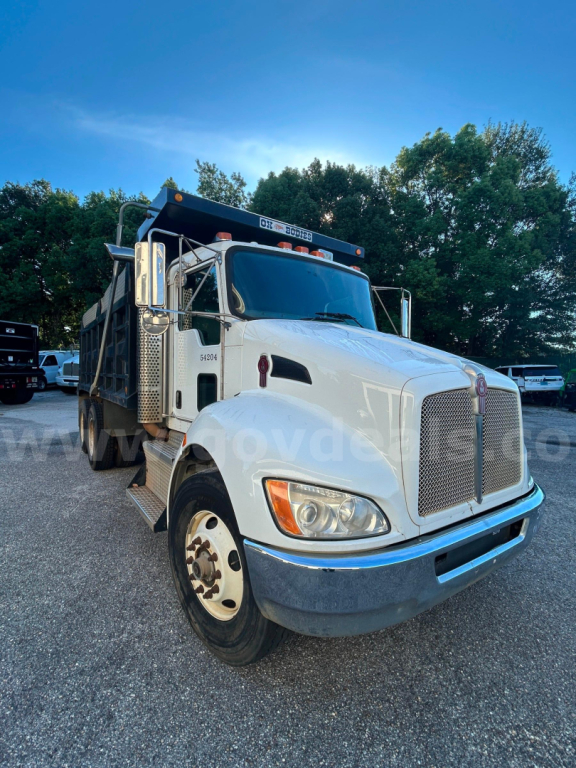
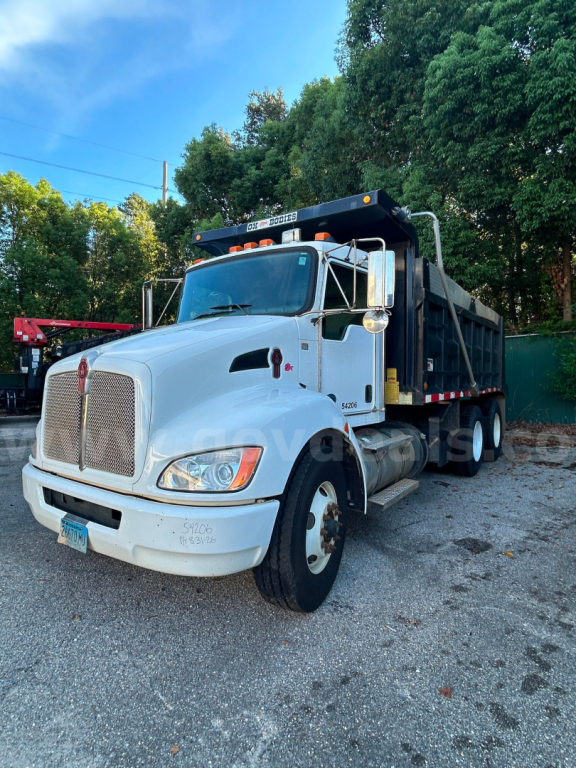
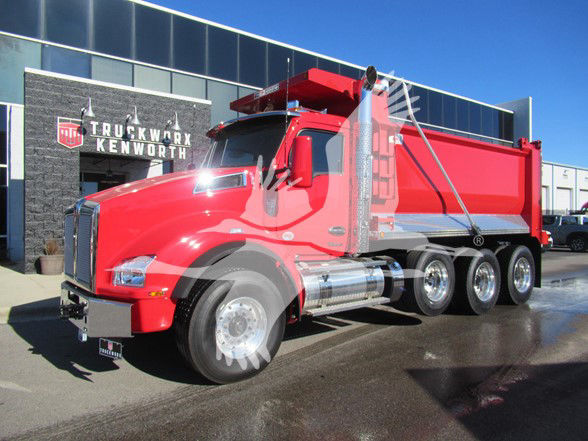
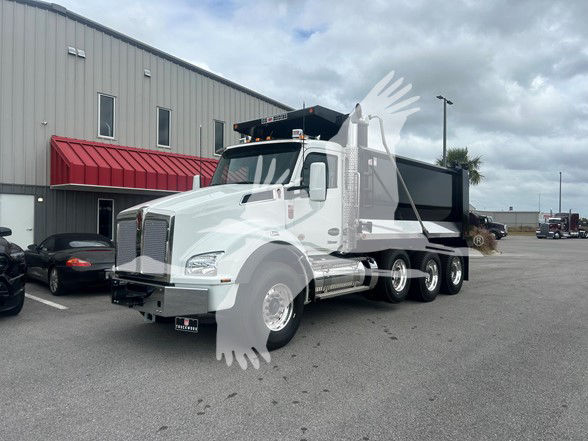
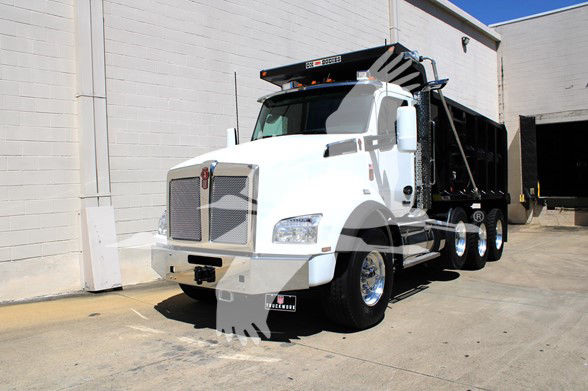
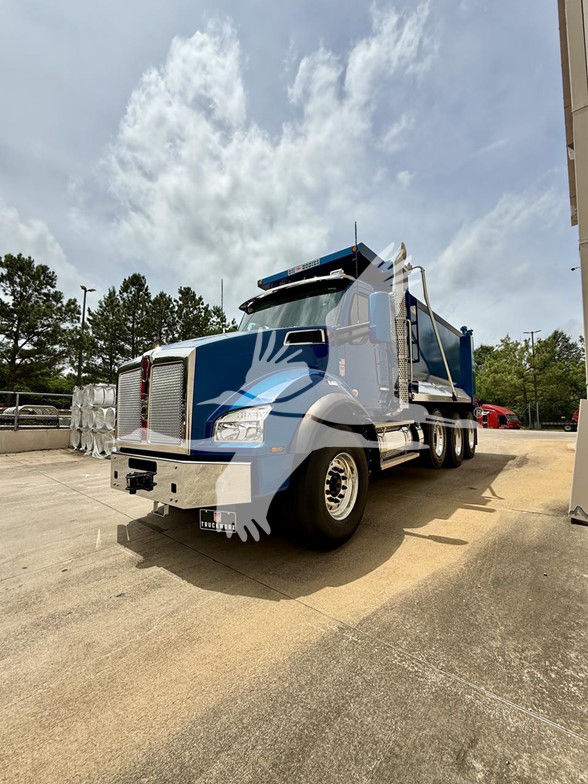
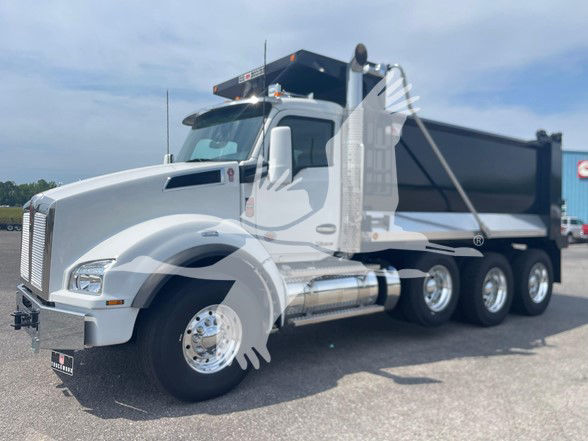
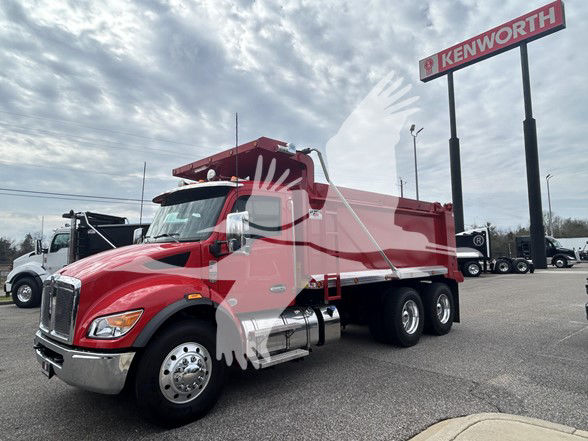
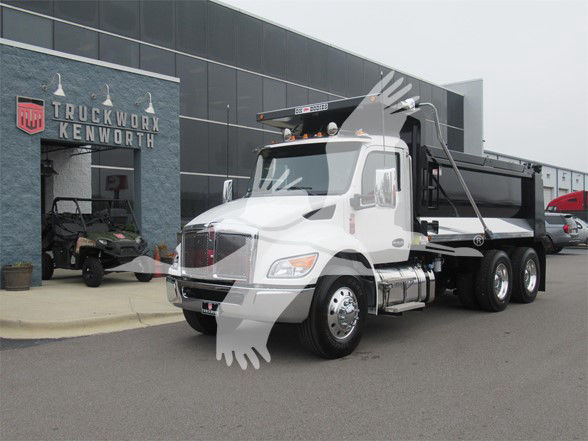
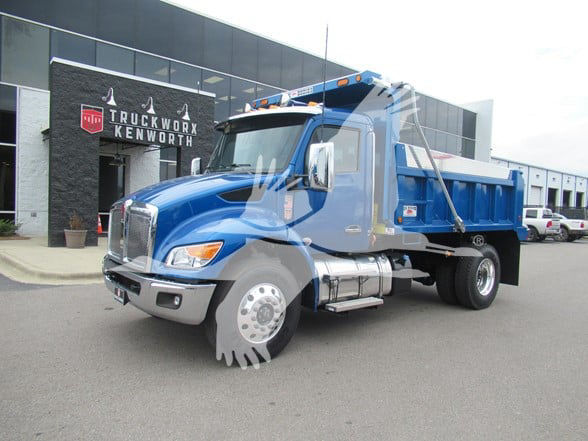

Selling a kenworth dump truck? List your kenworth dump truck for sale and reach thousands of commercial buyers.
Kenworth Dump Trucks in Alabama
The biggest buying decisions usually come down to axle setup, engine, transmission, and suspension. Tandem axle Kenworth dump trucks are common for general aggregate, dirt, asphalt, and paving work, while tri-axle trucks are favored when payload laws and job requirements justify the added capacity. Popular engine choices include the Cummins X15 for high-horsepower severe-duty work and the PACCAR PX-9 for lighter vocational applications. Horsepower in this category often runs from the mid-300s up to 500 HP or more, with rear axle ratios such as 4.56, 4.78, or 5.57 selected to match terrain, startability, and desired road speed. Buyers should also pay close attention to whether the truck is equipped with an Allison automatic or a manual transmission, since that choice affects driver training, jobsite control, PTO integration, and maintenance preferences.
Suspension and body spec matter just as much as the powertrain. Chalmers suspension is a familiar choice on Kenworth dump trucks because it holds up well in off-road and uneven terrain service. Wheelbase, tire size, frame construction, and front axle rating all influence how the truck carries a dump body, handles a loaded jobsite, and spreads weight legally. Common dump body specs include steel or aluminum bodies, air-operated tailgates, high-lift gate arrangements, pintle hitches, and wet line or PTO-driven hydraulic systems. In Alabama, buyers often look for a setup that can handle mixed on-road and off-road use, frequent short hauls, soft site conditions, and hot-weather cooling demands without giving up everyday serviceability.
A well-matched Kenworth dump truck should be evaluated as a complete vocational package, not just by model year or engine badge. Body manufacturer, hoist capacity, liner condition, frame reinforcement, axle ratings, and brake configuration all matter. For municipal and contractor use, visibility, turning radius, cab access, and switch layout can make a real difference over a long workday. For heavier site and material hauling, focus on legal payload, suspension durability, transmission match, and how the truck is spec'd for local bridge formulas and road conditions. Kenworth's vocational lineup has a strong reputation in dump service, but the right truck is the one whose chassis, body, and drivetrain were built for the exact material, route, and job cycle you run.
Frequently Asked Questions about Kenworth Dump Trucks in Alabama
What is the difference between a Kenworth T880 dump truck and a Kenworth T480 dump truck?
The Kenworth T880 is typically the heavier severe-duty vocational platform, commonly used for larger dump bodies, higher horsepower engines, tri-axle configurations, and demanding construction or quarry work. The T480 is usually chosen for lighter or more maneuverable dump applications, including municipal work, smaller contractor fleets, and regional material hauling where a lower operating weight and tighter chassis package may be preferred. The right choice depends on payload target, body size, axle requirements, and how much off-road duty the truck will see.
Is an automatic or manual transmission better in a Kenworth dump truck?
An Allison automatic is popular in dump service because it simplifies driver operation, improves low-speed control on jobsites, and works well in stop-and-go hauling. A manual transmission can still be a strong fit for fleets that prioritize driver preference, lower initial cost in some specs, or direct control under load. The better option depends on driver experience, PTO setup, terrain, and how often the truck operates in tight jobsite conditions versus open-road travel.
Should I buy a tandem axle or tri-axle Kenworth dump truck?
A tandem axle dump truck is often the practical choice for general construction, asphalt, dirt, and short-haul aggregate work where legal payload and operating simplicity are balanced. A tri-axle setup is usually selected when higher legal payload, bridge law compliance, or specific contract requirements make the extra axle worthwhile. Buyers should compare local weight laws, expected payload, tire and maintenance costs, and the type of sites the truck will access before deciding.
What suspension is common on Kenworth dump trucks?
Chalmers suspension is a common vocational spec on Kenworth dump trucks because it is known for durability in rough service and good stability under heavy loads. Other suspension choices may appear depending on fleet preference and application, but vocational buyers generally focus on how the suspension handles off-road articulation, body roll, maintenance intervals, and weight distribution. Suspension choice should match the truck's axle ratings, body design, and terrain.
What should I inspect first on a used Kenworth dump truck?
Start with the frame, hoist, body mounts, and axle ratings, because those components determine whether the truck was properly spec'd and how hard it has been worked. Then inspect the dump body floor and sides for wear, cracking, patching, and corrosion, especially if the truck hauled abrasive material or operated in corrosive environments. After that, review engine hours, transmission function, suspension condition, hydraulic operation, brake system, and any signs of uneven tire wear or overloaded service history.