
Kenworth Cab and Chassis Trucks For Sale in Alabama
Shop Kenworth cab and chassis trucks for dump, roll-off, service, tanker, and vocational upfits with flexible wheelbase and axle options.
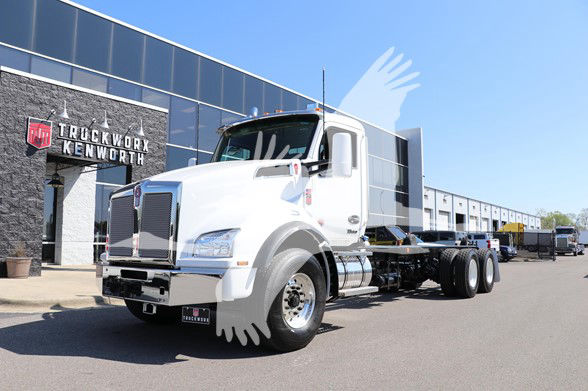
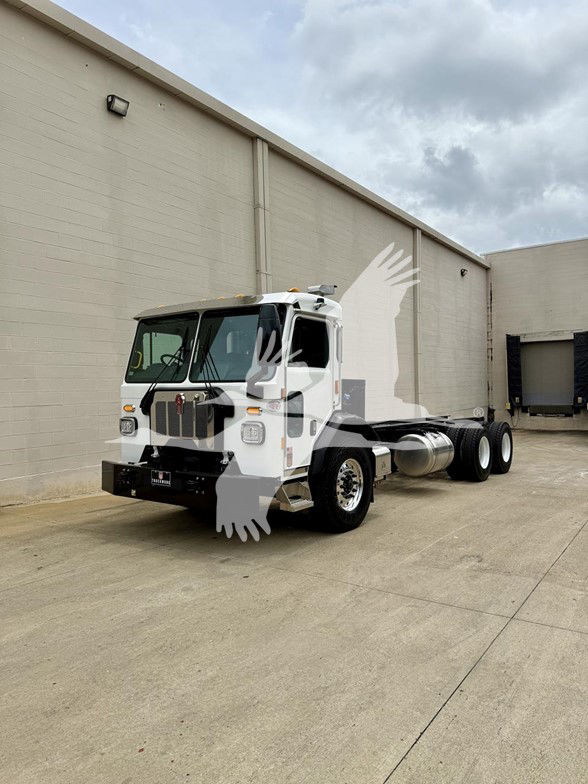
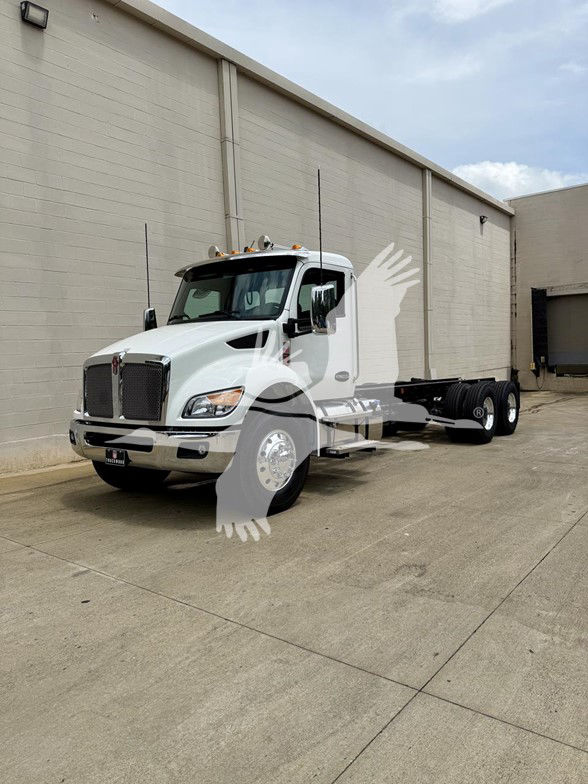
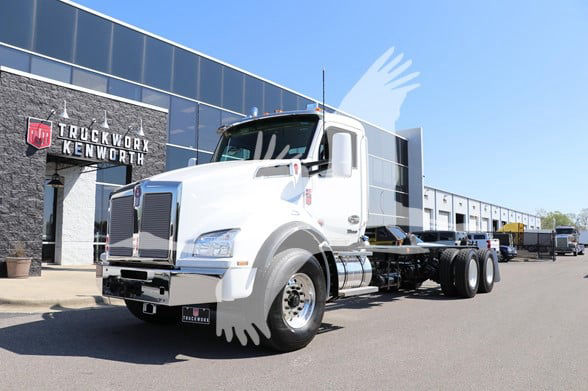
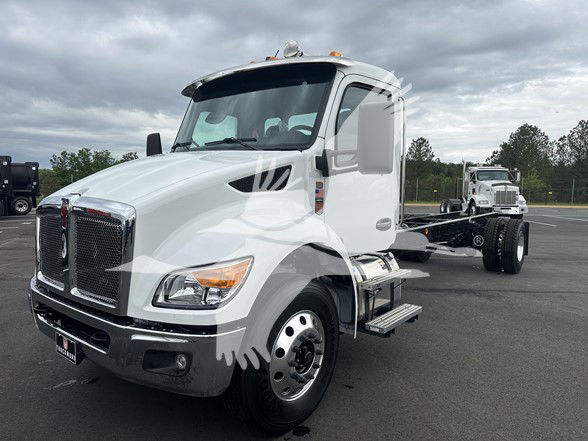
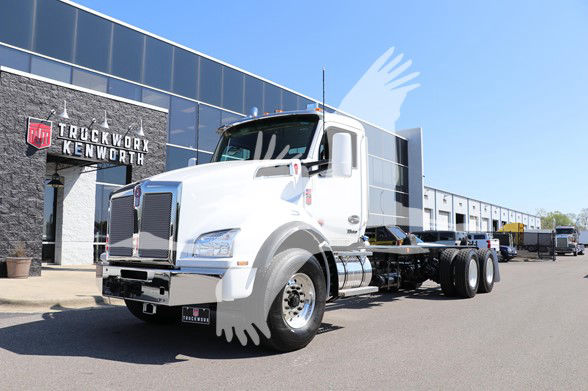
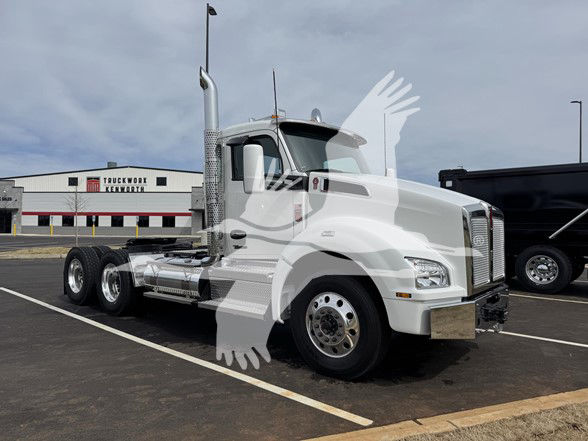
Selling a kenworth cab and chassis truck? List your kenworth cab and chassis truck for sale and reach thousands of commercial buyers.
Kenworth Cab and Chassis Trucks in Alabama
Within the Kenworth lineup, buyers often compare medium-duty models like the T380 or L770 against heavier vocational platforms like the T880. A PX-7 or PX-9 powered truck can make sense for lighter regional work, municipal service, or applications where payload and maneuverability matter more than peak horsepower. For heavier construction, paving, aggregate, mixer, or multi-axle body installs, the T880 is the model many fleets start with because it can be spec'd with higher horsepower Cummins X15 power, tandem drive axles, heavier suspensions such as Hendrickson RTE or HMX, and automatic or automated manual transmissions built for vocational use. Wheelbase matters because it directly affects body length, bridge compliance, turning radius, and where weight lands once the upfit is installed.
Transmission and ratio choices deserve more attention than many buyers give them. Lower rear axle ratios like 5.38 or 5.57 are common when launch performance, PTO work, and off-road startability matter. More moderate ratios such as 4.30 or 4.56 can balance road speed with vocational performance, especially on tandem axle trucks that spend time both on the jobsite and on the highway. Buyers should also check suspension type, tire size, frame rail dimensions, and whether the truck is set up for the body and hoist requirements they plan to run. On a cab and chassis, details like back-of-cab clearance, exhaust routing, fuel tank placement, and electrical provisions can save substantial rework during body installation.
A good Kenworth cab and chassis should be evaluated as a complete build platform, not just a truck with empty frame rails. Look at intended body length, estimated finished curb weight, expected payload, and how often the truck will run loaded in Alabama heat, stop-and-go traffic, soft ground, or mixed highway miles. Kenworth trucks are popular in municipal, construction, utility, and private fleet service because they can be ordered or selected around the body builder's requirements instead of forcing compromises after the fact. If the chassis is correctly spec'd from the start, the result is better uptime, cleaner upfit integration, and fewer weight-distribution problems once the truck goes to work.
Frequently Asked Questions about Kenworth Cab and Chassis Trucks in Alabama
What is a Kenworth cab and chassis truck used for?
A Kenworth cab and chassis truck is used as a base platform for installing a vocational body. Common applications include dump trucks, flatbeds, service bodies, rollback wreckers, hooklifts, tankers, utility bodies, and refuse or municipal equipment. The cab and front chassis are factory-built, while the rear frame is left open so the truck can be completed for a specific job.
Which Kenworth model is best for heavier vocational work?
For heavier vocational work, the Kenworth T880 is one of the most common choices because it supports high-horsepower engines, tandem drive configurations, heavier suspensions, and severe-duty upfits. Buyers running construction, aggregate, paving, or demanding PTO applications often start with the T880. For lighter-duty or medium-duty body installs, models such as the T380 or L770 may be a better fit.
Why is wheelbase so important on a cab and chassis truck?
Wheelbase affects body fit, axle spacing, turning radius, and final weight distribution. A chassis that is too short may not accept the desired body length or equipment layout, while one that is too long can hurt maneuverability and place weight incorrectly across the axles. On vocational trucks, wheelbase should be matched to the body builder's requirements and the truck's expected payload.
Should I choose an automatic, automated manual, or manual transmission?
The right transmission depends on duty cycle, terrain, and PTO needs. Automatic transmissions are popular for stop-and-go work, driver ease, and applications that need smooth low-speed control. Automated manuals such as heavy-duty vocational AMTs can offer strong torque handling and efficiency. Manual transmissions still appeal in some specialized operations, but many fleets now prefer automatic or AMT setups for consistency and easier driver onboarding.
What should I verify before buying a Kenworth cab and chassis for an upfit?
Confirm the frame dimensions, axle ratings, suspension, wheelbase, back-of-cab space, fuel tank placement, exhaust layout, and PTO or electrical provisions. It is also important to match the engine, rear axle ratio, and transmission to the finished truck's loaded operating conditions. The best purchase decision is based on the completed truck's intended body, payload, and jobsite demands, not just the bare chassis spec.