
2020 Kenworth Trucks For Sale
Browse 2020 Kenworth trucks for sale, including highway and vocational models with common specs, engine options, and buyer-focused guidance.
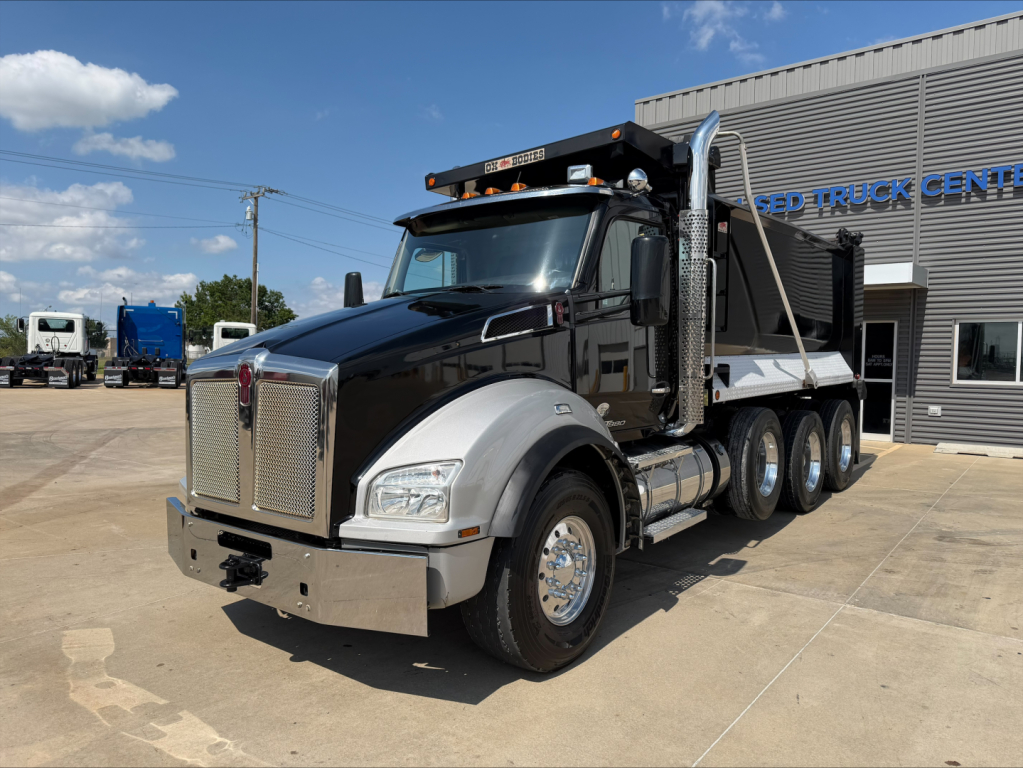
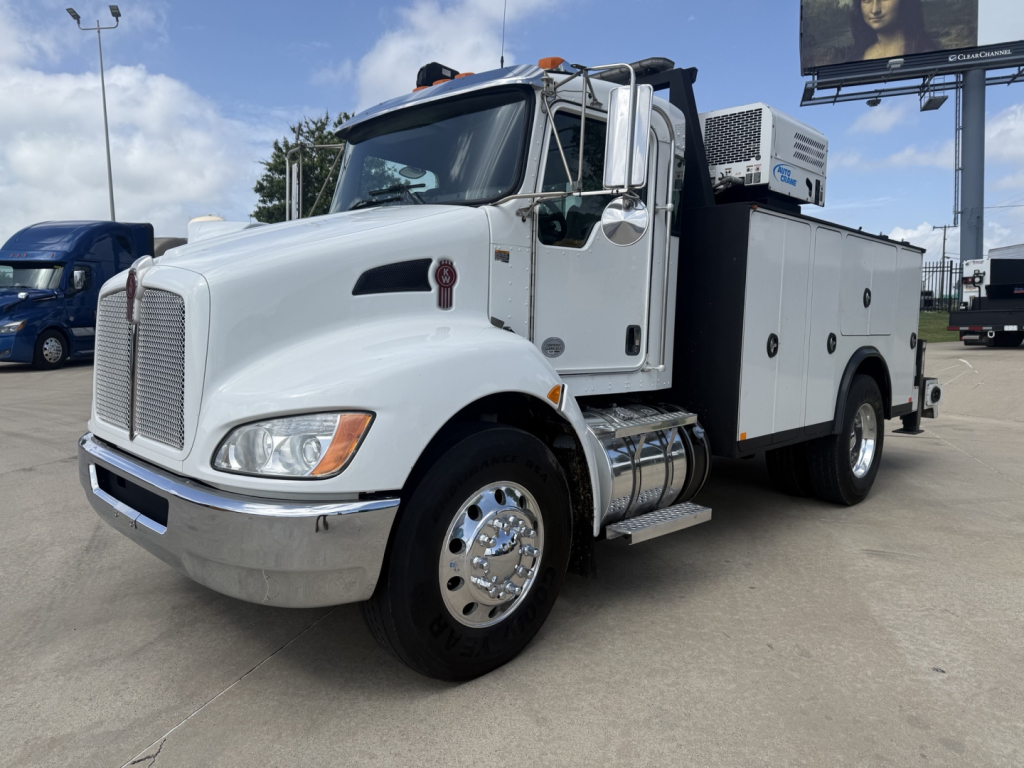
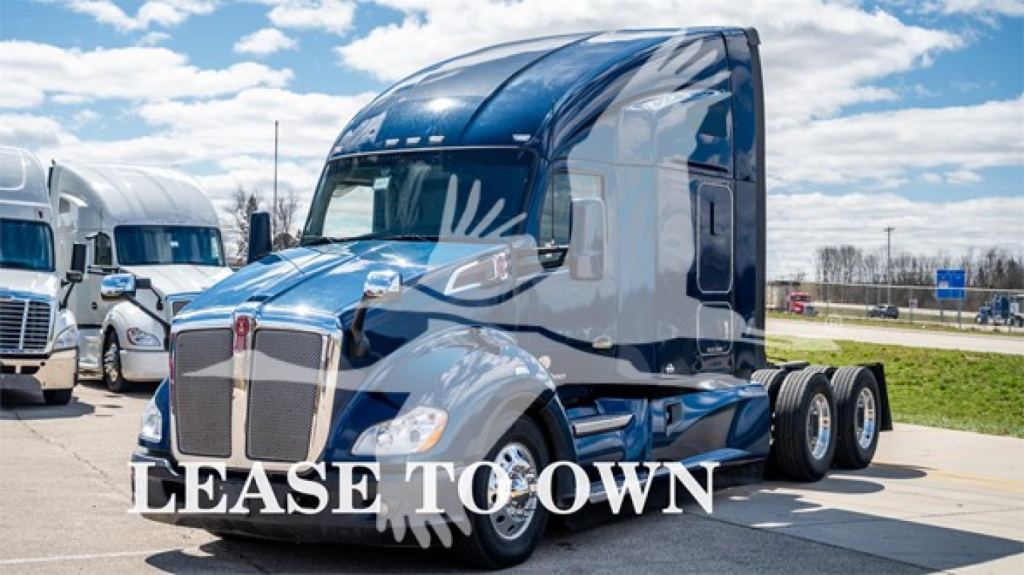
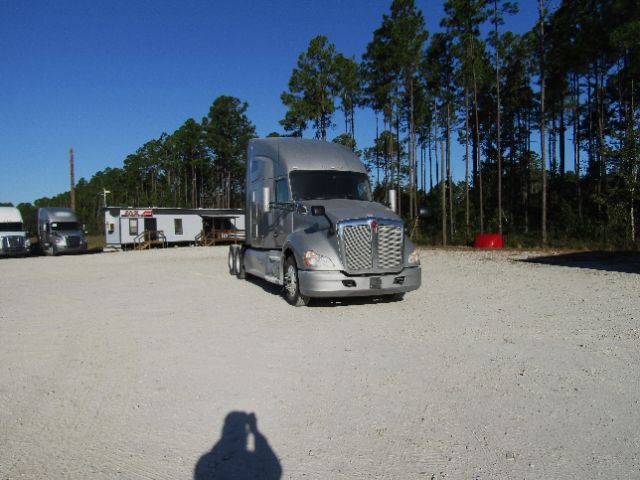
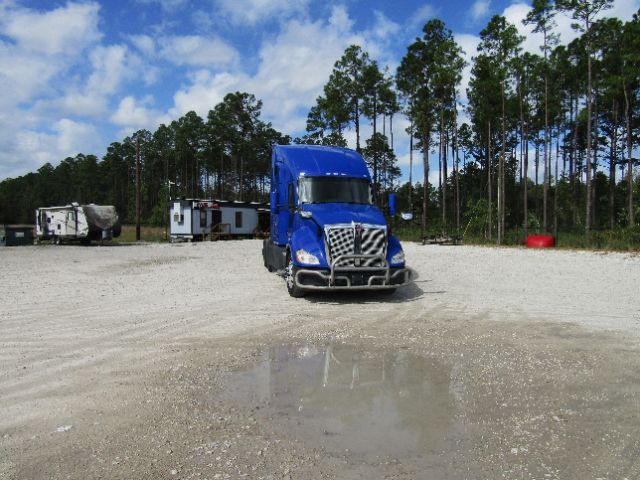
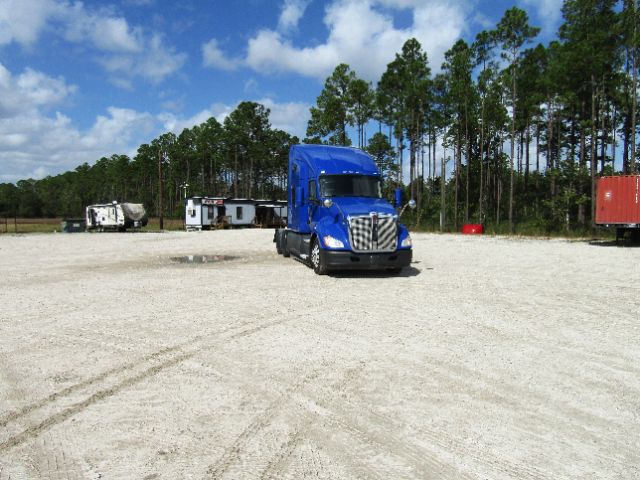

Showing 29 to 51 of 51 results
Selling a 2020 kenworth truck? List your 2020 kenworth truck for sale and reach thousands of commercial buyers.
2020 Kenworth Trucks
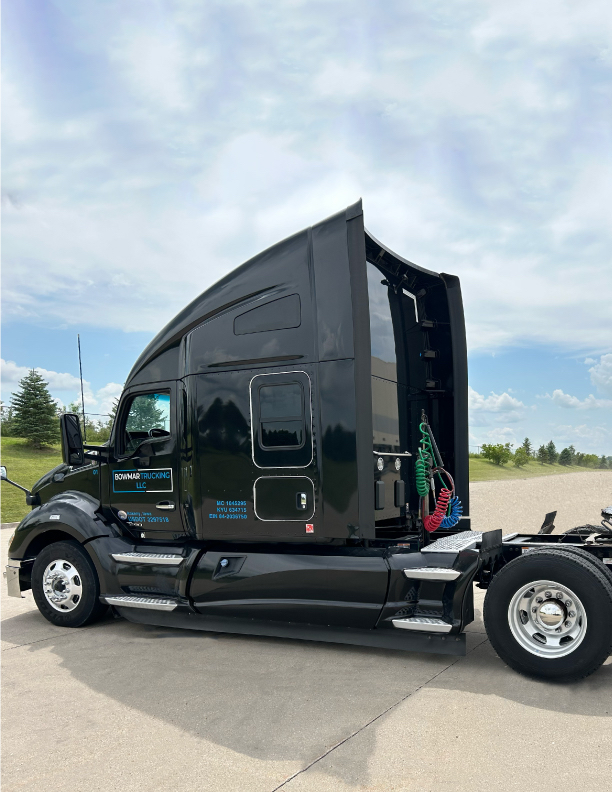
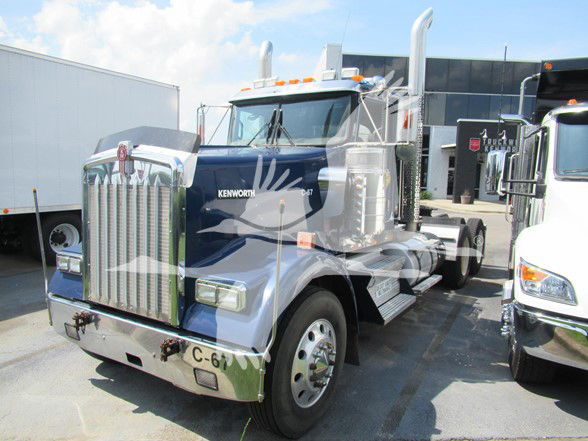
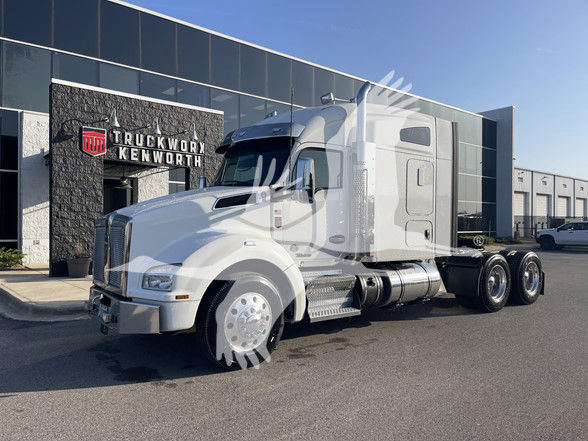
For highway buyers, the biggest decisions usually center on cab configuration, powertrain, and wheelbase. A 2020 Kenworth day cab is often spec'd for regional freight, dedicated lanes, or port work, while a sleeper version is better suited for longer over-the-road runs. Common engines in this year range include the PACCAR MX series and Cummins X15, paired with automated or automatic transmissions depending on the job. Pay attention to rear axle ratio, suspension type, and fifth wheel setup because those specs tell you far more about the truck's intended duty cycle than appearance alone. A fuel-efficient aero spec with fairings, a downsped drivetrain, and an air-slide fifth wheel is a very different truck from a short wheelbase vocational day cab built for local work and frequent stops.
Medium-duty 2020 Kenworth trucks are often chosen for body-builder flexibility and driver comfort. Models like the T270 or T280 can be found with van bodies, rollback carriers, flatbeds, utility bodies, or hooklift setups. In that segment, buyers should focus on GVWR, front and rear axle ratings, frame strength, PTO provisions, and transmission choice. Allison automatics are common in medium-duty and towing applications because they work well in stop-and-go service. Suspension also matters. Spring ride may be appropriate for straightforward vocational use, while air ride can improve ride quality for sensitive cargo or reduce driver fatigue over a long route.
A smart 2020 Kenworth purchase starts with matching the truck's original spec to the work you need done now. Look closely at emissions service history, idle hours, maintenance records, brake type, tire size, and any body or upfit integration if the truck is vocational. Kenworth remains popular because parts support is strong, cabs tend to be driver-friendly, and resale demand stays steady across many sectors. For buyers comparing multiple listings, the best value is usually the truck with the right axle, engine, transmission, and wheelbase combination for the job, not simply the lowest miles or the most chrome.
Frequently Asked Questions about 2020 Kenworth Trucks
What are the most common 2020 Kenworth truck models buyers look for?
The most commonly searched 2020 Kenworth trucks usually include the T680 for highway use and the T270 or T280 for medium-duty and vocational work. The T680 is a conventional tractor used in day cab and sleeper configurations, while the T270 and T280 are often used as straight trucks with van bodies, rollback beds, flatbeds, or service bodies. The right model depends on whether the truck will spend most of its time on interstate freight, regional delivery, towing, or jobsite work.
What engines are commonly found in 2020 Kenworth trucks?
Engine choice in a 2020 Kenworth truck depends heavily on the model and original application. Highway tractors are commonly equipped with PACCAR MX engines or the Cummins X15, especially in higher horsepower sleeper and day cab specs. Medium-duty models often use the PACCAR PX series or medium-duty Cummins options, frequently matched with Allison automatic transmissions. Buyers should confirm horsepower, torque rating, emissions system history, and transmission pairing because those factors directly affect fuel economy, drivability, and maintenance costs.
Is a 2020 Kenworth a good choice for fleet or owner-operator use?
A 2020 Kenworth can be a strong fit for both fleets and owner-operators because it offers relatively current safety technology, modern cab design, and broad service support. Fleets often value the consistency of parts availability, familiar maintenance procedures, and driver acceptance. Owner-operators often focus on comfort, resale value, and engine-transmission specs that match their lanes and freight. The best fit comes down to service records, total operating hours, and whether the truck was originally spec'd for the same type of work it will perform next.
What should I check first when comparing 2020 Kenworth truck listings?
Start with the truck's intended application, then verify wheelbase, axle configuration, GVWR or GCWR, engine, transmission, suspension, and brake setup. For tractors, look at sleeper size, rear axle ratio, and fifth wheel configuration. For straight trucks, focus on body type, PTO capability, axle ratings, and any installed equipment such as liftgates or towing gear. After that, review maintenance history, emissions repairs, tire condition, and signs of frame modification or body-builder changes. Those details usually matter more than cosmetic appearance.
Are 2020 Kenworth trucks available in both highway and vocational configurations?
Yes, 2020 Kenworth trucks are widely available in both highway and vocational configurations. In the same model year, buyers can find aerodynamic on-highway tractors, regional day cabs, medium-duty box trucks, rollback tow trucks, and other specialized setups. That range is one reason the 2020 Kenworth lineup remains attractive in the used market. Buyers can often stay within one make while still choosing a truck tailored to long-haul freight, local delivery, towing, construction support, or municipal work.