
New 2025 International Trucks For Sale
Shop new 2025 International trucks with current chassis, diesel power, and vocational-ready specs for towing, hauling, and medium-duty work.
Selling a new 2025 international truck? List your new 2025 international truck for sale and reach thousands of commercial buyers.
New 2025 International Trucks
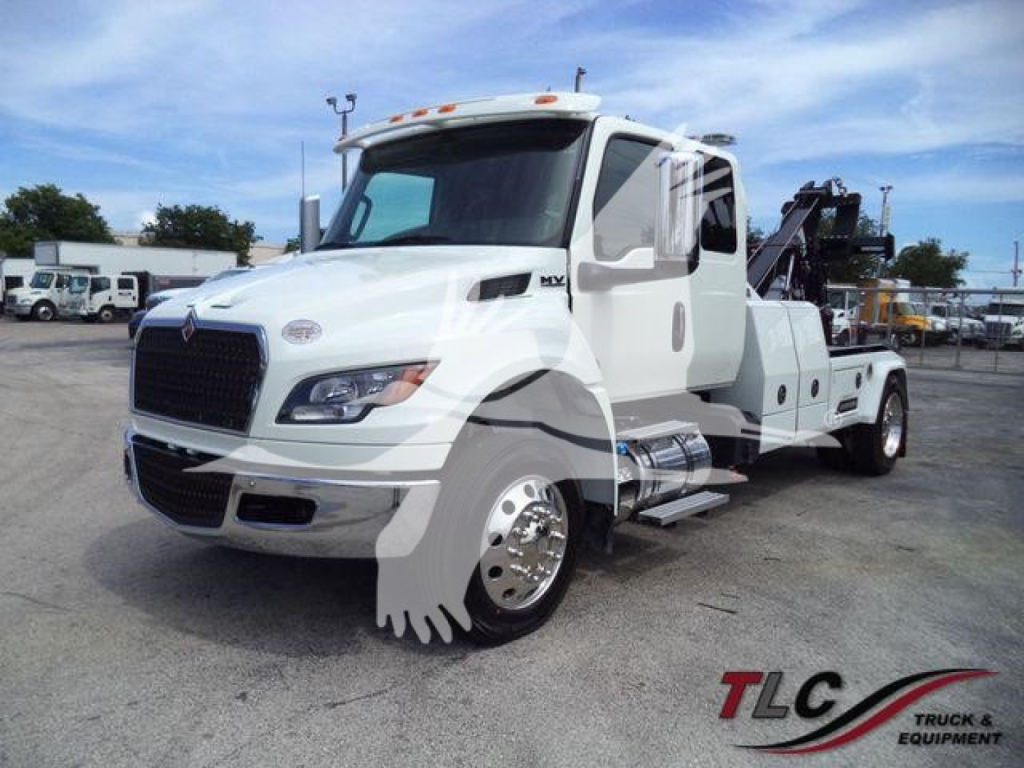
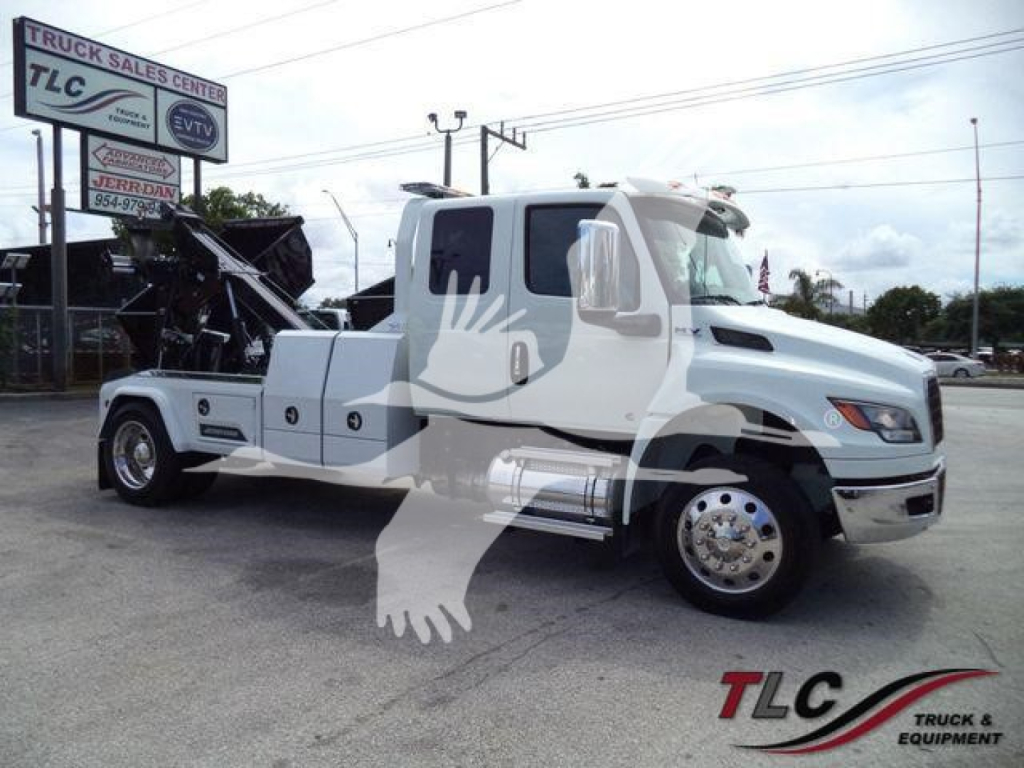
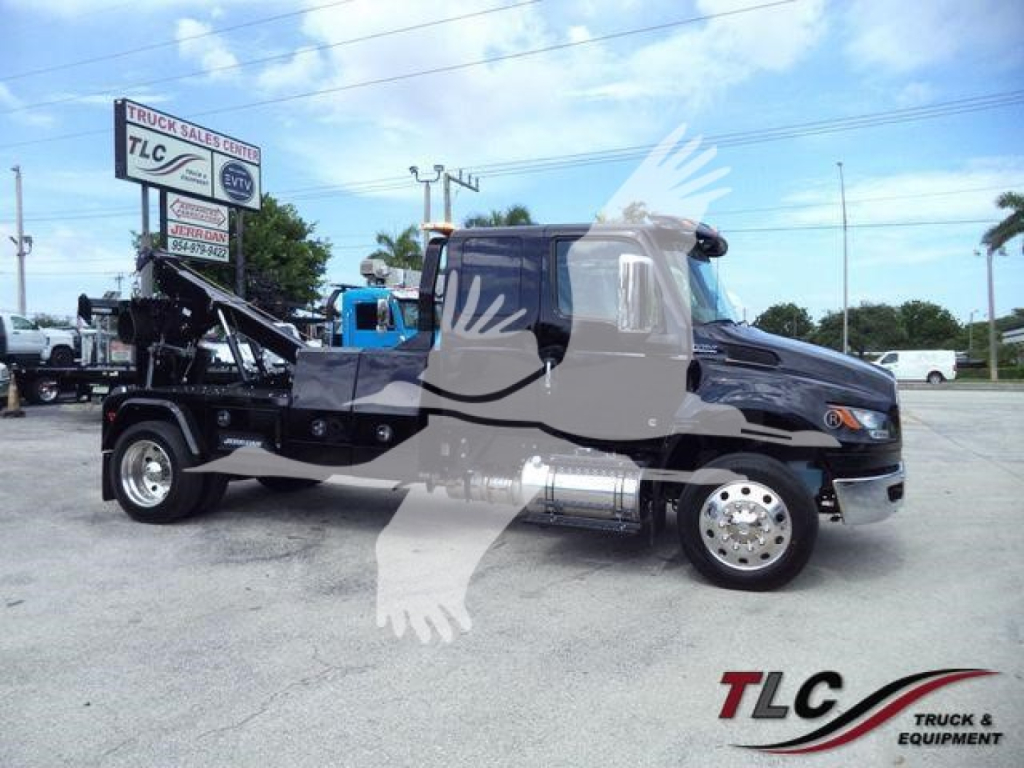
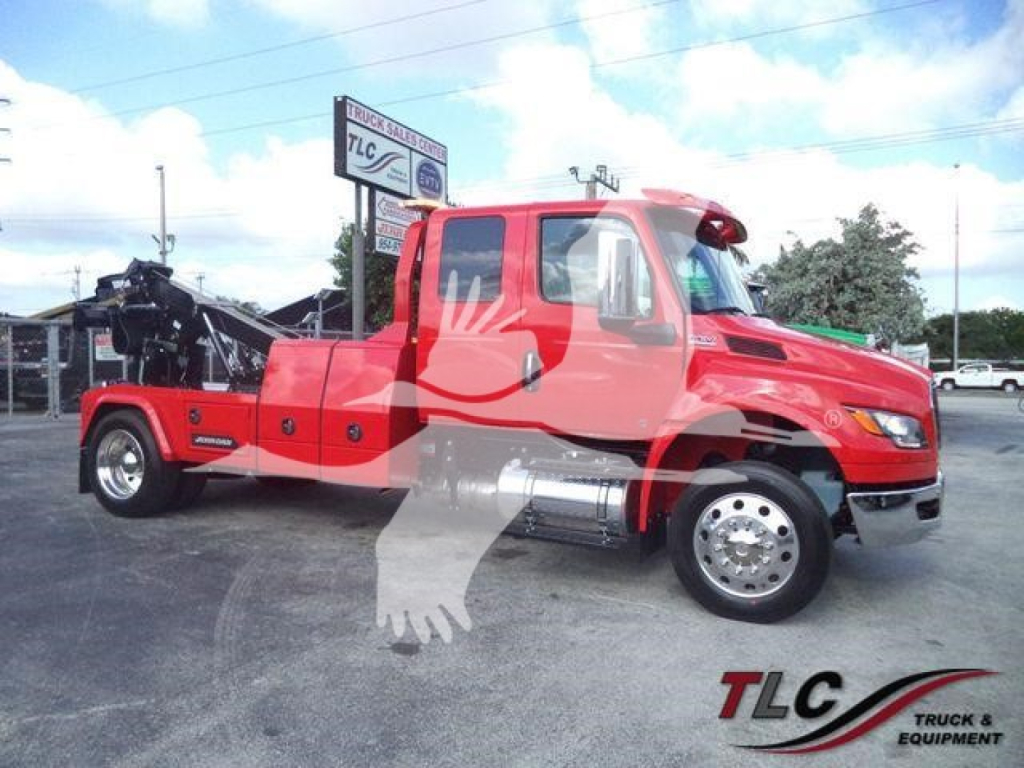
A buyer should start with the chassis class and cab-to-axle measurement. That decision controls body fit, axle loading, turning radius, and how well the truck handles a full payload or a loaded carrier deck. On vocational builds, you will often see GVWRs around 19,500 on CV models and up to 26,000 on MV models, with single-axle layouts, automatic transmissions, and diesel power. The CV commonly uses the 6.6L Duramax paired with an Allison automatic, while the MV is frequently spec'd with a Cummins diesel in the 260 to 300 horsepower range, also backed by an Allison. For buyers comparing rollback or wrecker setups, wheelbase and cab-to-axle are not small details. A longer CA can improve weight distribution and body placement, especially on 20 to 22 foot carriers.
Suspension, brake type, and drive configuration should match the jobsite and recovery environment. A 4x4 CV makes sense for off-pavement access, snow-belt service, utility support, and lighter tow work where traction matters more than deck length. A 4x2 MV with air ride suspension, air brakes, and 22.5 low-profile tires is more common for heavier commercial towing, urban recovery, and regional fleet use where ride quality, stability, and body capacity are priorities. On carrier and rollback builds, buyers often look for an XLP or low center of gravity deck, 102-inch bed width, 6-ton bed rating, 3,500-pound wheel lift, and an 8,000-pound winch. On self-loader and wrecker applications, dual drag winches, L-arms, work lights, toolbox layout, and light bar brand are part of the daily-use equation, not cosmetic extras.
New 2025 International trucks also deserve a close look inside the cab. Extended cab and crew cab layouts can change how useful the truck is for a two-person recovery crew, tools, chains, and day-to-day operator comfort. Air ride seats, power and heated mirrors, power windows and locks, aluminum wheels, polished tanks, and integrated controls all matter when the truck is in and out of traffic all day. For a buyer comparing listings, the most important question is not just engine or color. It is how the chassis, GVWR, suspension, wheelbase, and body equipment work together for the exact duty cycle. A well-spec'd International should give you proper weight balance, predictable serviceability, and a vocational platform built for years of commercial use.
Frequently Asked Questions about New 2025 International Trucks
What are the most common 2025 International truck models for medium-duty vocational work?
The most common 2025 International trucks in this segment are the CV and MV series. The CV is typically used for lighter Class 4-5 applications such as light towing, utility service, and contractor work, while the MV is a heavier medium-duty platform better suited for Class 6-7 jobs, including rollback carriers, wreckers, box trucks, stake bodies, and municipal upfits. The right choice usually comes down to GVWR, axle rating, brake system, and body size rather than brand preference alone.
What engine and transmission combinations are typical in new International trucks?
Two of the most common powertrain setups are the 6.6L Duramax diesel with an Allison automatic in the International CV and a Cummins diesel with an Allison automatic in the International MV. On MV trucks, horsepower ratings around 300 are common for towing and other vocational applications. Buyers usually favor these combinations because they are familiar in the medium-duty market, easy to spec for body builders, and well matched to stop-and-go commercial use.
How do I choose between an International CV and an International MV?
Choose a CV if the work requires a lighter chassis, tighter maneuverability, optional 4x4 capability, and a lower GVWR range such as 19,500 pounds. Choose an MV if the truck needs more chassis capacity, a larger body, air brakes, air ride suspension, and a GVWR up to 26,000 pounds. In towing and recovery use, the MV is often the better platform for a 22-foot carrier or heavier wrecker equipment because it provides more stability and payload margin.
What specs matter most on a new International rollback or tow truck?
The key specs are GVWR, cab-to-axle, wheelbase, drive type, suspension, brake system, and the body's working capacity. For rollback carriers, common points of comparison include deck length, deck width, low-profile or XLP design, wheel-lift rating, winch capacity, and toolbox placement. For self-loaders and wreckers, buyers should also review boom ratings, drag winches, rear lighting, and included tow equipment. These details affect legal payload, loading angles, and how efficiently the truck works every day.
Why does cab-to-axle length matter on a 2025 International truck?
Cab-to-axle length determines which body sizes fit the chassis and how the finished truck balances weight across the axles. On a carrier or rollback, a longer CA can improve body placement and weight distribution, especially with a 20-foot or 22-foot deck. That can help with steering feel, front axle loading, and overall stability when hauling a vehicle. It is one of the most important measurements to verify before buying any vocational truck.