
Hino Trucks For Sale in New Jersey
Browse Hino trucks for sale in New Jersey, including box trucks and cab chassis with diesel power, medium-duty GVWR options, and Allison automatics.
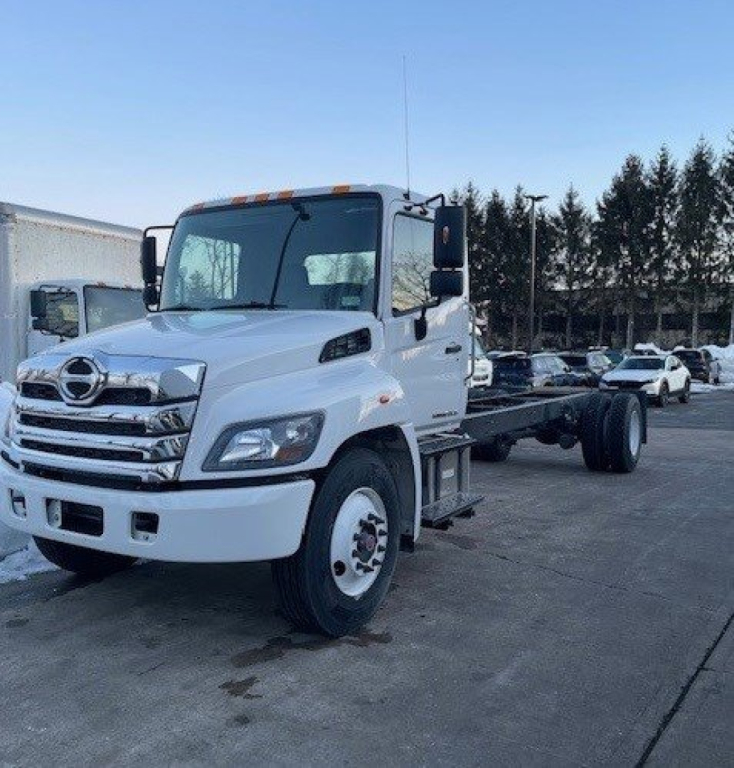
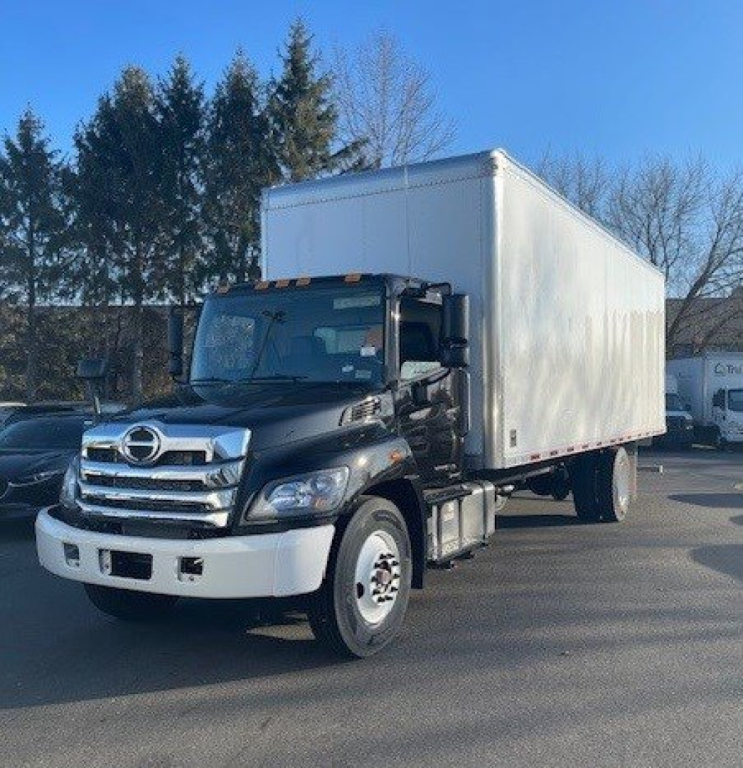
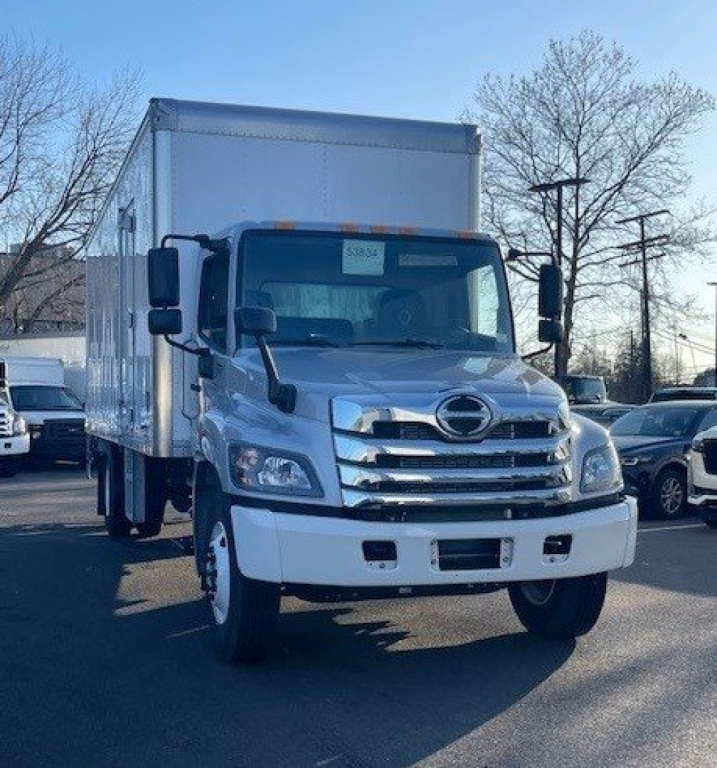
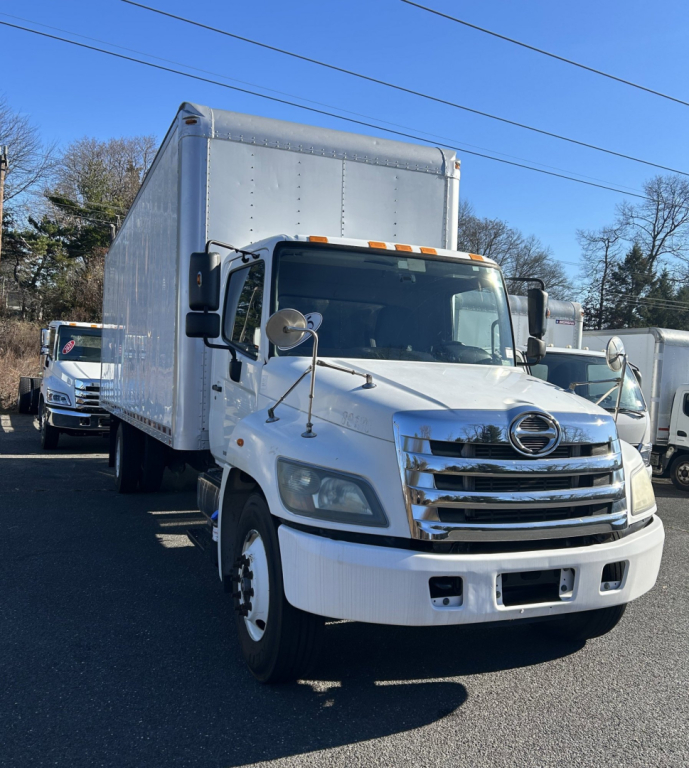
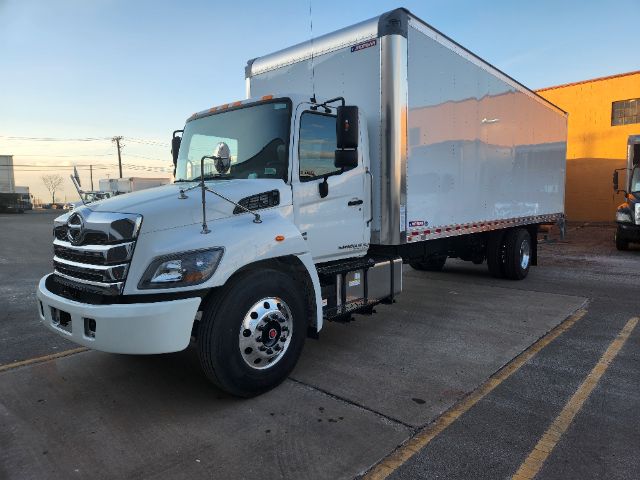
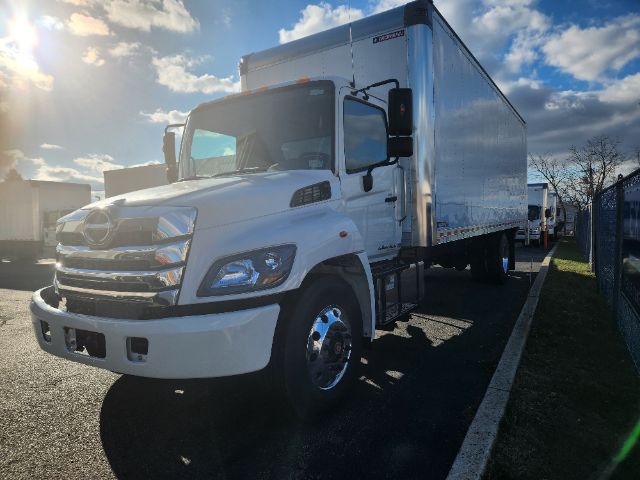
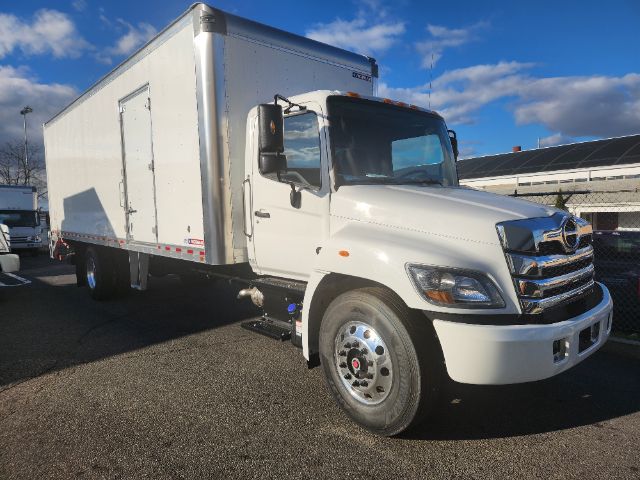
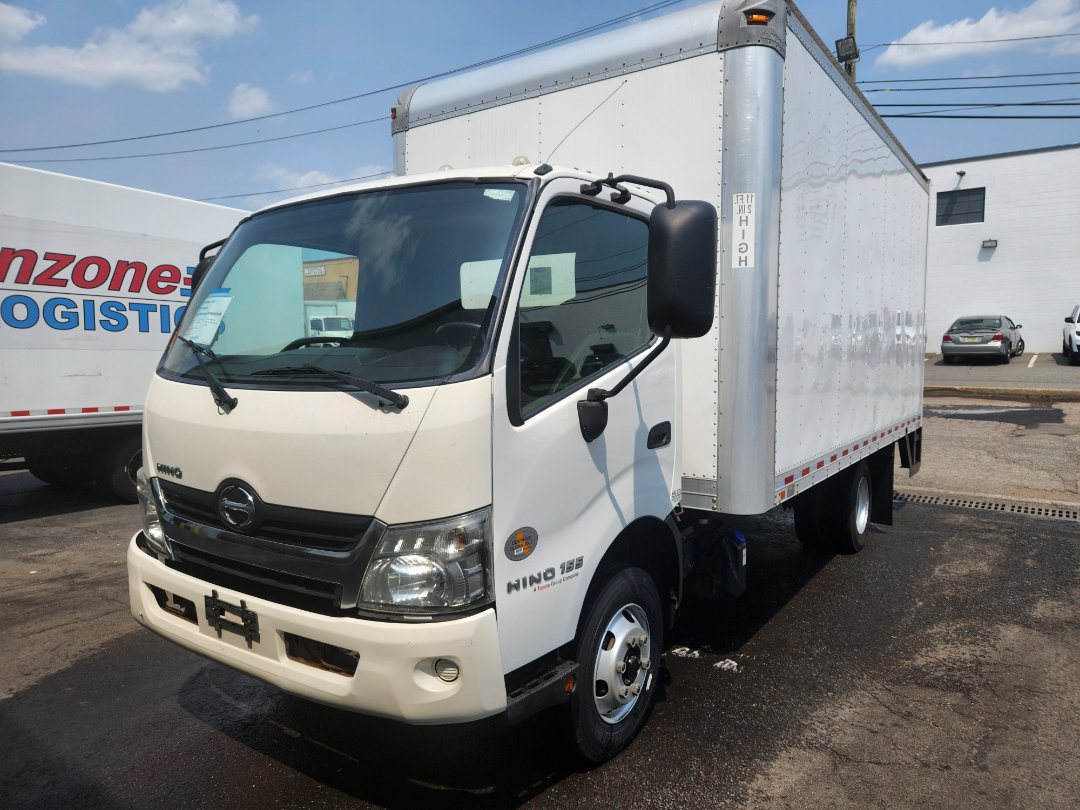

Showing 25 to 35 of 35 results
Have hino truck to sell? List it here to reach thousands of buyers.
Hino Trucks in New Jersey
One of the first buying decisions is GVWR. Many Hino box trucks are de-rated to 25,950 or 25,900 GVWR so they can stay just under CDL thresholds in many applications, which is a major advantage for local delivery fleets and rental-style operations. Common specs in this class include 260 hp diesel engines, 4x2 axle configuration, 11R22.5 tires, wheelbases suited for 24-foot to 26-foot van bodies, and rear axle ratings around 21,000 pounds. Box truck examples often include Morgan or similar van bodies, liftgates in the 3,000 to 3,500 pound range, spring suspension, and automatic transmissions such as the Allison 2200 or 2500 RDS. For buyers looking at cab and chassis units, body compatibility matters as much as engine and transmission. Hino chassis are commonly upfitted for van bodies, flatbeds, landscape dumps, reefer bodies, rollback applications, and service bodies.
Cab comfort and serviceability are part of the appeal. Hino medium-duty trucks are known for a low-effort driving feel, good visibility, and straightforward ergonomics that work well in stop-and-go urban routes. Features often seen in this category include air-ride driver seats, power windows and locks, heated mirrors, and air brake setups on certain L-Series units. If the truck will spend most of its time in dense Northeast traffic, pay close attention to wheelbase, turning radius, mirror package, liftgate spec, and door opening dimensions on box trucks. For dock work and city delivery, those details affect daily productivity more than peak horsepower numbers.
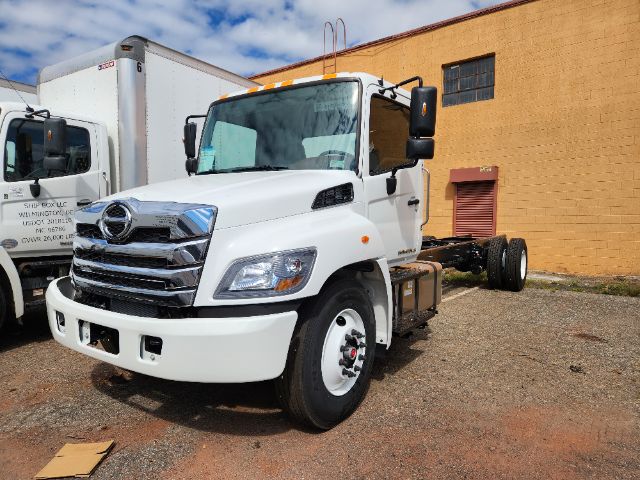
Condition and application history should drive the final decision. On used Hino trucks, buyers should review maintenance records, FHWA or DOT inspection status, brake and tire condition, engine brake operation, and any warranty coverage available. On newer L6 units, confirm the exact engine, transmission model, brake type, and upfit compatibility before purchase, especially if the truck is still in cab and chassis form. A Hino truck is usually at its best in regional and local service where uptime, ease of operation, and medium-duty payload capability matter more than maximum highway speed or heavy vocational axle ratings.
Frequently Asked Questions about Hino Trucks in New Jersey
What is the difference between a Hino 338 and a Hino L6?
The Hino 338 is an earlier medium-duty platform commonly found as a box truck or straight truck with Hino diesel power, while the Hino L6 is the newer generation in the same general class. Many L6 trucks are equipped with the Cummins B6.7 engine and Allison automatic transmission, along with updated cab styling and interior features. Buyers comparing the two should focus on emissions system design, parts and service support, body fit, brake configuration, and how the truck’s GVWR aligns with the intended route and driver requirements.
Why are so many Hino box trucks rated at 25,950 GVWR?
A 25,950 GVWR rating keeps the truck just under the 26,001-pound threshold that often triggers CDL requirements, depending on the full operating setup and local regulations. That makes this rating popular for moving companies, furniture delivery, appliance delivery, and other urban or regional applications that need a full 26-foot body without stepping into a higher licensing category. Buyers should still verify actual payload after accounting for the body, liftgate, fuel, and any route-specific equipment.
Are Hino trucks good for 26-foot box truck applications?
Yes. Hino trucks are commonly spec'd for 24-foot and 26-foot van bodies, and they are widely used in dry freight, retail distribution, and last-mile delivery. The chassis typically pair well with automatic transmissions, liftgates, and medium-duty rear axle ratings suited to city and suburban work. The key is to check wheelbase, body length, inside height, liftgate capacity, and door opening dimensions so the truck matches the freight profile rather than just the advertised box length.
What should I check on a used Hino truck before buying?
Start with service records, engine hours if available, transmission operation, brake wear, tire condition, suspension type, and any recent DOT or FHWA inspection documentation. On a used box truck, inspect the van body floor, roof, corners, roll-up door, and liftgate for damage or deferred repairs. Buyers should also confirm GVWR, axle ratings, engine model, emissions equipment status, and whether the truck has been de-rated, because those factors directly affect licensing, payload, and resale.
Can a Hino cab and chassis be used for more than a box body?
Yes. A Hino cab and chassis can support a wide range of upfits, including dry van bodies, refrigerated bodies, flatbeds, stake bodies, dump bodies, landscape bodies, and service trucks. The best choice depends on wheelbase, frame length, rear axle rating, PTO needs, and the transmission and brake setup. Before ordering or purchasing a chassis, buyers should confirm body-builder dimensions and weight distribution so the finished truck stays compliant and performs correctly under load.