
Hino Trucks For Sale in Arkansas
Browse Hino trucks for sale in Arkansas, including cab and chassis, box trucks, dumps, and flatbeds with medium and heavy-duty specs.
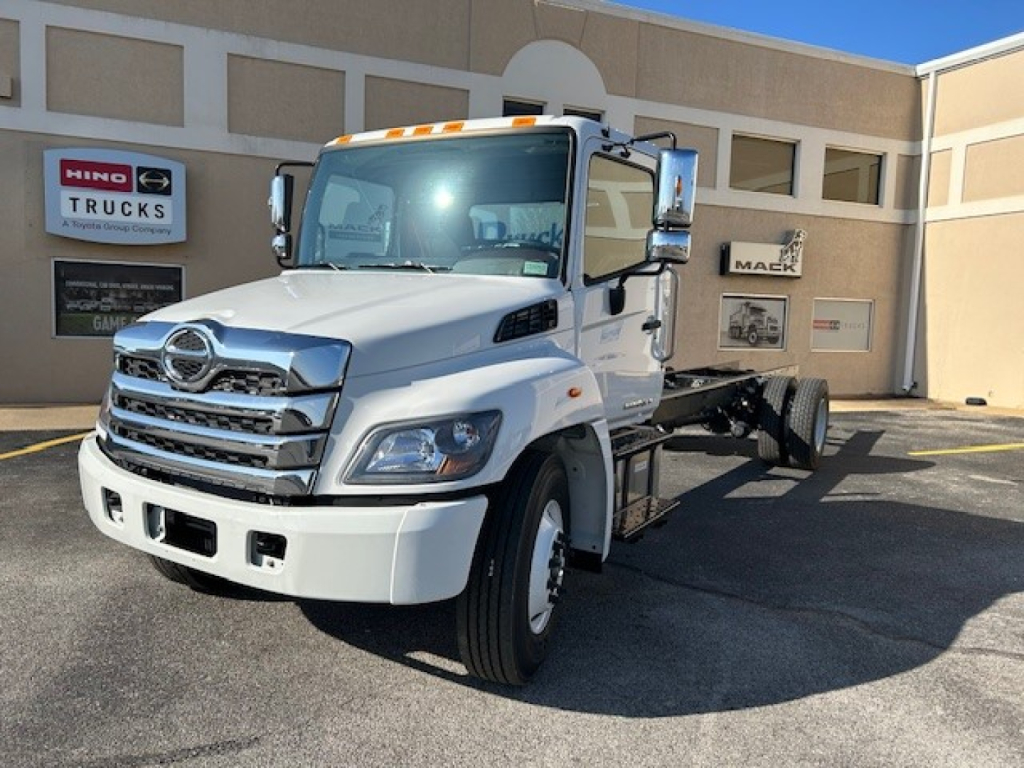
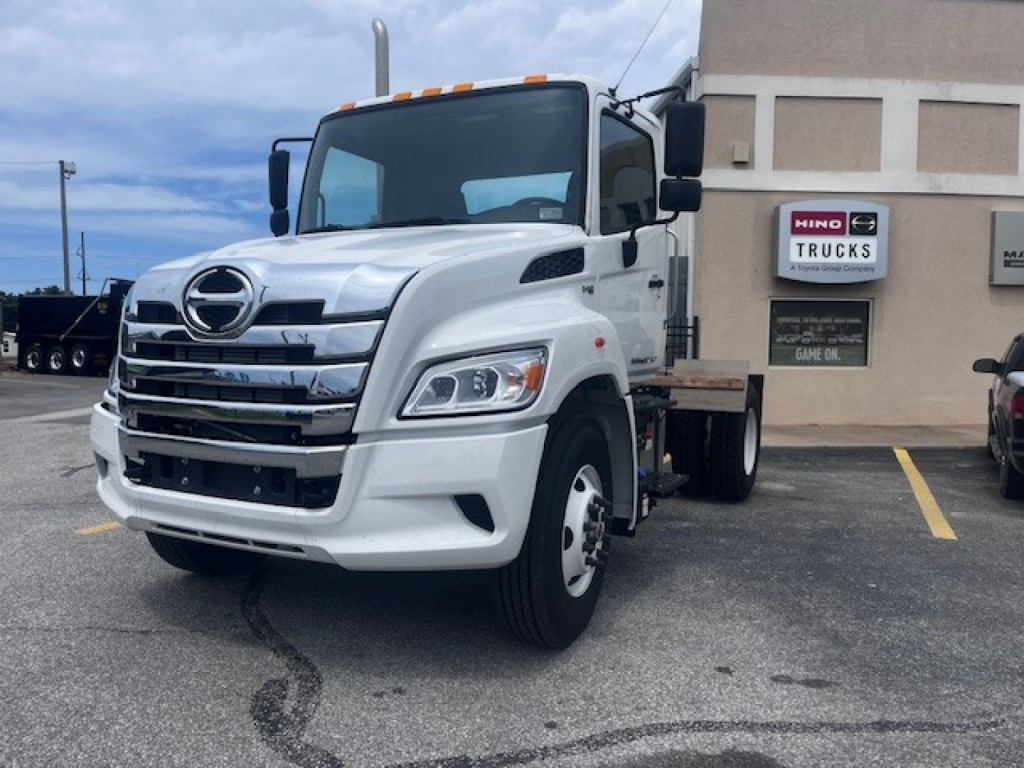
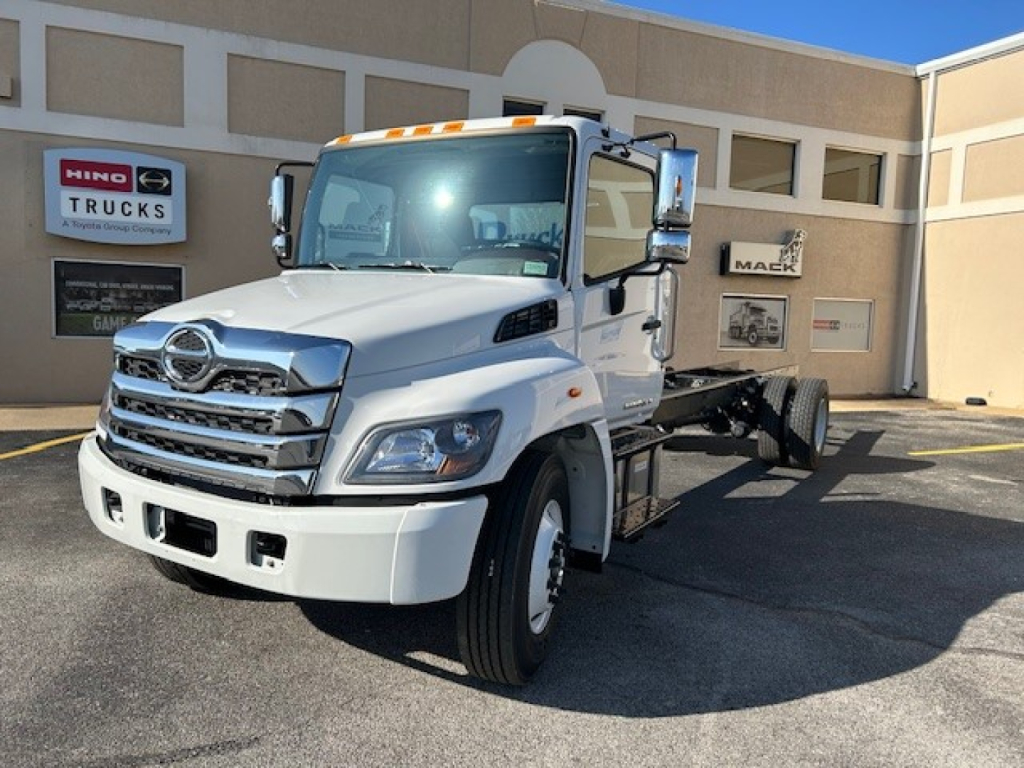
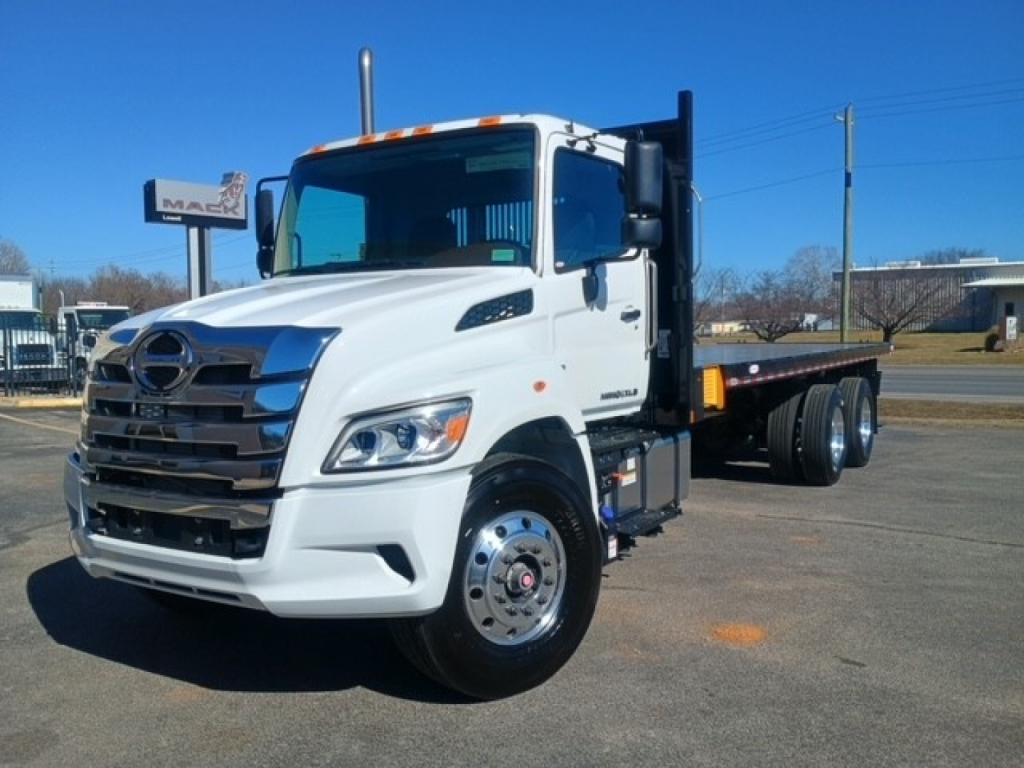
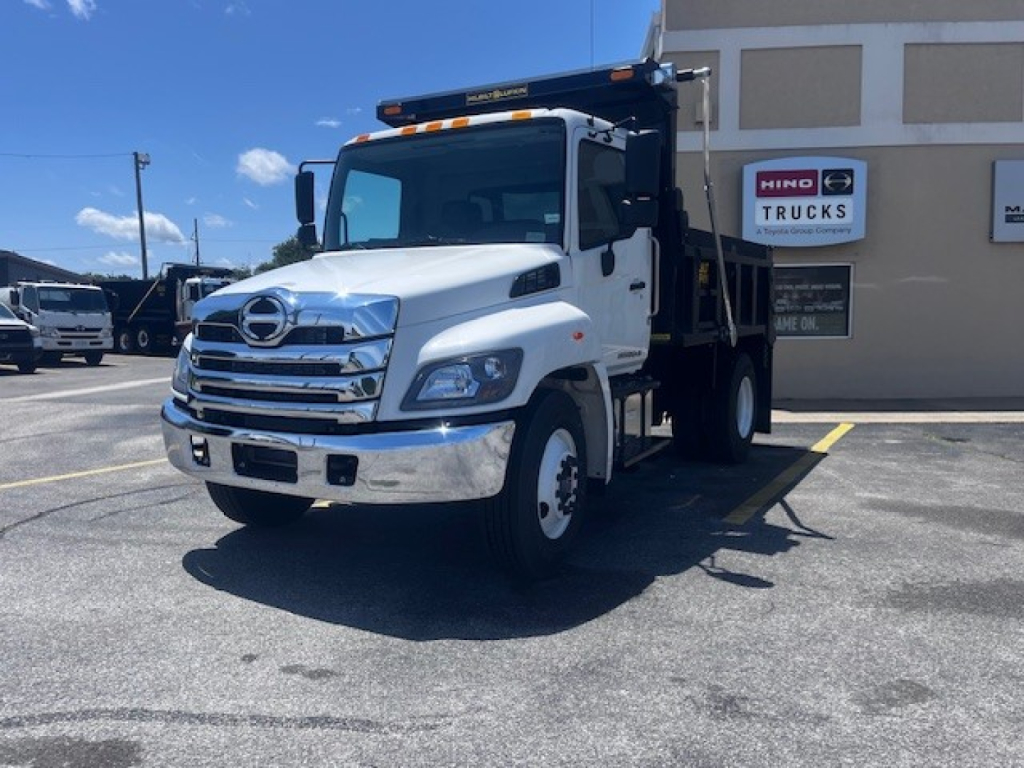
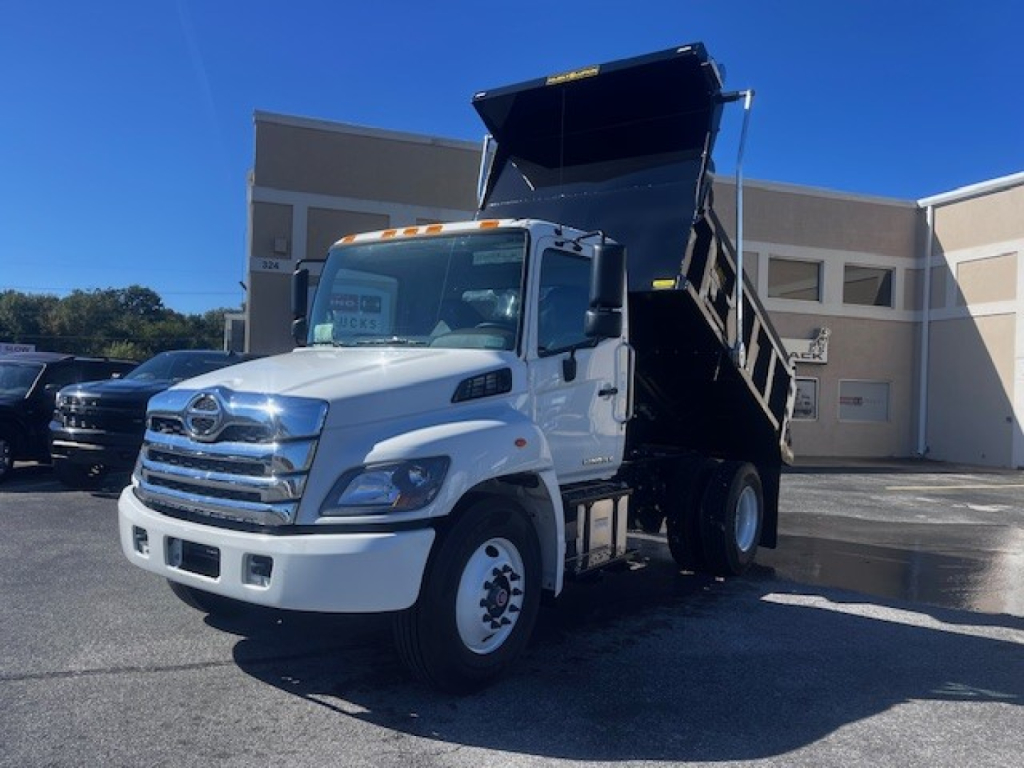
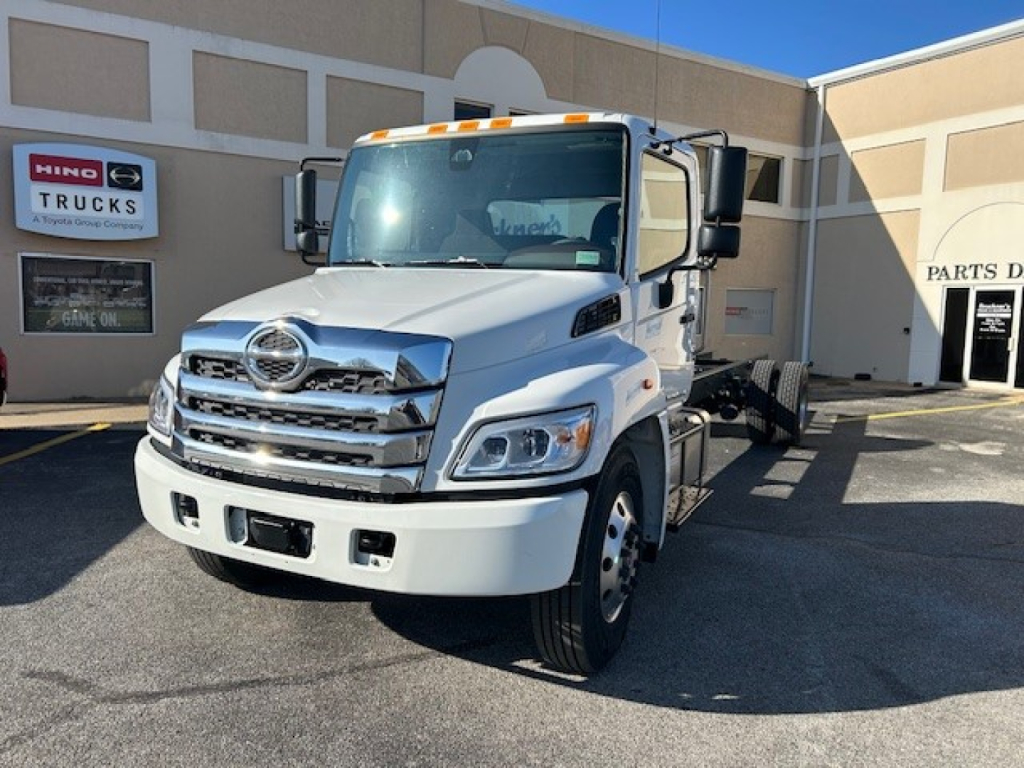
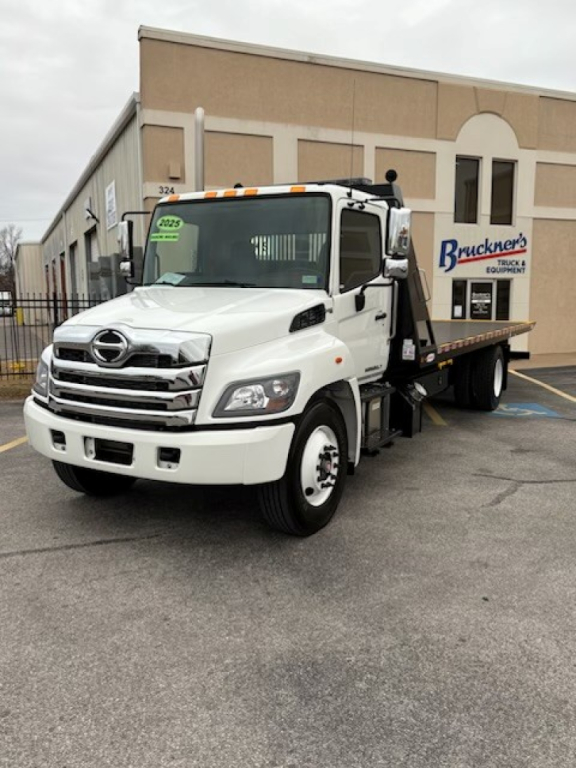
Selling a hino truck? List your hino truck for sale and reach thousands of commercial buyers.
Hino Trucks in Arkansas
The first buying decision is usually chassis style and GVWR. A Hino S5 cab-forward truck is typically chosen for city delivery, beverage, parcel, and box truck work where visibility and turning radius matter. Conventional Hino L7 and XL8 models are more common for heavier vocational use, where buyers need higher front axle ratings, longer wheelbases, tandem rear axles, and PTO-ready automatic transmissions. In the Arkansas market, it is common to see GVWRs ranging from around 19,500 to 25,500 pounds on lighter single-axle configurations and well above 50,000 pounds on tandem-axle chassis built for flatbeds, dumps, cranes, and other demanding body installs.
Powertrain choice matters because Hino trucks may be equipped with either Hino diesel engines or Cummins power. Buyers comparing units should pay close attention to horsepower, rear ratio, transmission family, and suspension type because those specs determine startability, cruise RPM, PTO performance, and body compatibility. Allison automatic transmissions such as the 2500 RDS and 3000 RDS are common in vocational and municipal applications, while Aisin automatics are often found in lighter cab-over delivery trucks. Spring suspension is typical on work-focused single-axle units, while Hendrickson air ride appears more often on heavier tandem chassis that need better ride quality and load protection. Wheelbase is also critical because it directly affects body length, axle placement, bridge compliance, and turning performance.
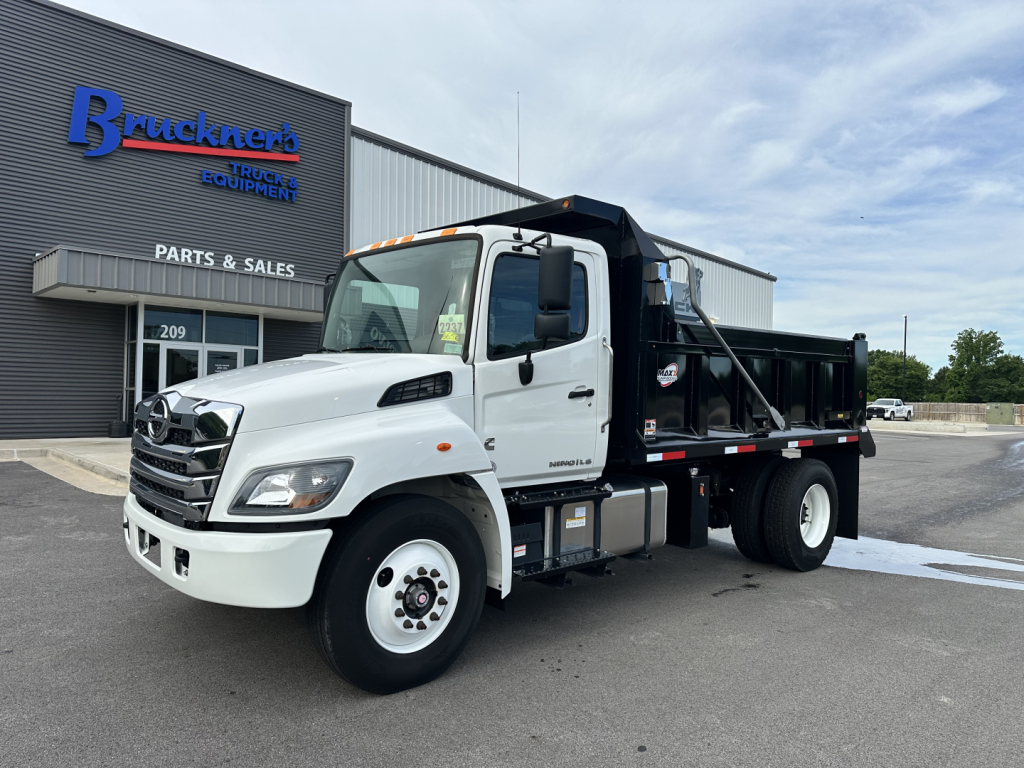
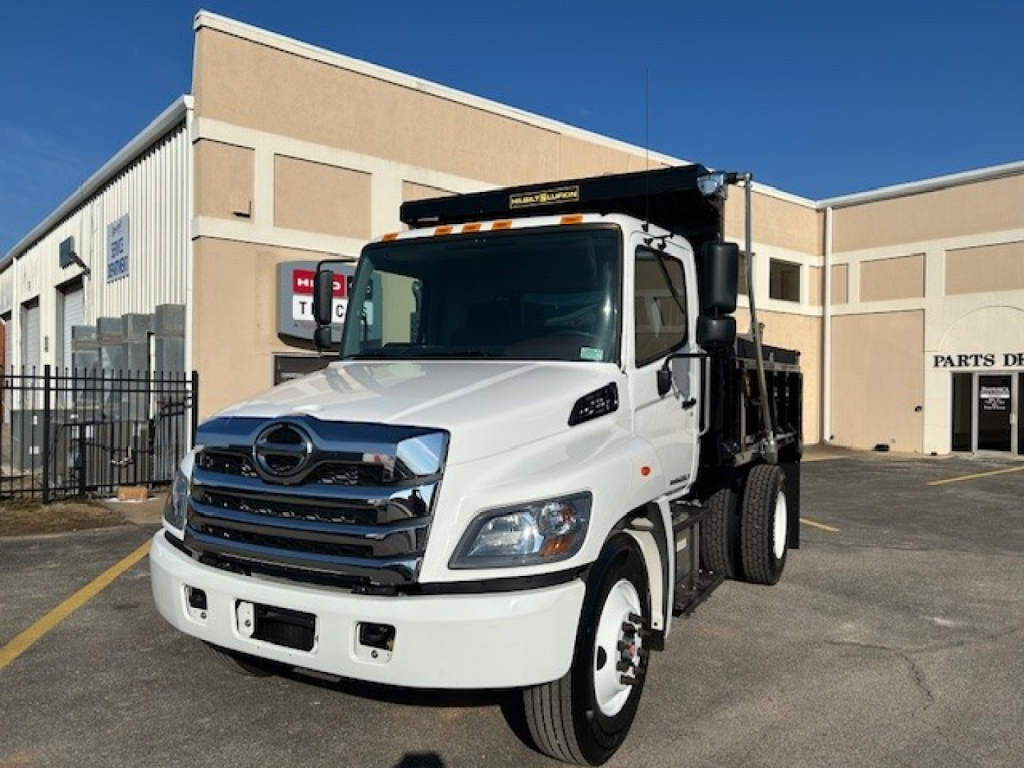
A buyer looking at Hino trucks for sale in Arkansas should also evaluate the truck as a complete application, not just a make and model. For a dump truck, look closely at axle capacity, hoist compatibility, frame strength, and whether the truck is derated for under-CDL operation. For a box truck, body dimensions, inside height, liftgate capacity, and dock access may be more important than peak horsepower. For flatbeds, check deck length, tiedown layout, forklift kit provisions, and the balance between payload and maneuverability. Hino’s appeal in these roles is that the platform is widely used across delivery, utility, landscape, construction, and regional fleet work, so buyers can usually find a chassis spec that matches the job instead of forcing the job to fit the truck.
Frequently Asked Questions about Hino Trucks in Arkansas
What are the main differences between Hino S Series, L Series, and XL Series trucks?
The Hino S Series is typically a cab-forward medium-duty platform designed for tight-route delivery work where maneuverability, visibility, and overall length are important. The L Series is a conventional medium-duty truck that suits box, reefer, stake, service, and light vocational applications. The XL Series moves into heavier-duty territory with larger axle ratings, tandem-drive configurations, higher GVWRs, and stronger suitability for flatbeds, dumps, cranes, and specialized upfits.
Are Hino trucks a good choice for vocational work such as dump beds and flatbeds?
Yes. Hino trucks are commonly spec'd for vocational applications because the chassis can be ordered with PTO-capable Allison transmissions, heavier front and rear axle ratings, and wheelbases that support a wide range of body lengths. For dump and flatbed work, buyers should focus on frame rating, rear suspension, axle capacity, gear ratio, and the compatibility of the truck with the intended body and hydraulic system.
What should I look at first when comparing Hino cab and chassis trucks?
Start with GVWR, axle ratings, wheelbase, engine output, and transmission model. Those core specs determine what body the truck can carry, how much payload it can legally handle, and how well it will perform in stop-and-go work, highway travel, or off-pavement jobsite conditions. After that, review suspension type, rear ratio, PTO provisions, and any body-builder or vocational equipment requirements tied to your application.
Is a Hino cab-over better than a conventional Hino truck for Arkansas routes?
It depends on the route and body type. A cab-over Hino is usually better for urban delivery, frequent docking, and crowded streets because it offers a tighter turning radius and a shorter bumper-to-back-of-cab dimension. A conventional Hino is often the better fit for heavier payloads, longer regional runs, and vocational service where larger chassis components, tandem axles, or heavier body installations are needed.
Do Hino trucks commonly come with diesel engines and automatic transmissions?
Yes. Hino trucks in this class are commonly equipped with diesel engines paired to automatic transmissions, especially in fleet and vocational service. Buyers will often see Hino-branded diesel engines in lighter cab-over models and Cummins engines in larger conventional and heavy vocational chassis, with Aisin or Allison automatics selected based on the truck's weight class and intended duty cycle.