
High Cubes / Cutaways Trucks For Sale in Florida
Browse High Cubes and Cutaway trucks for sale in Florida, including box and cargo body setups for delivery, moving, dry freight, and service work.
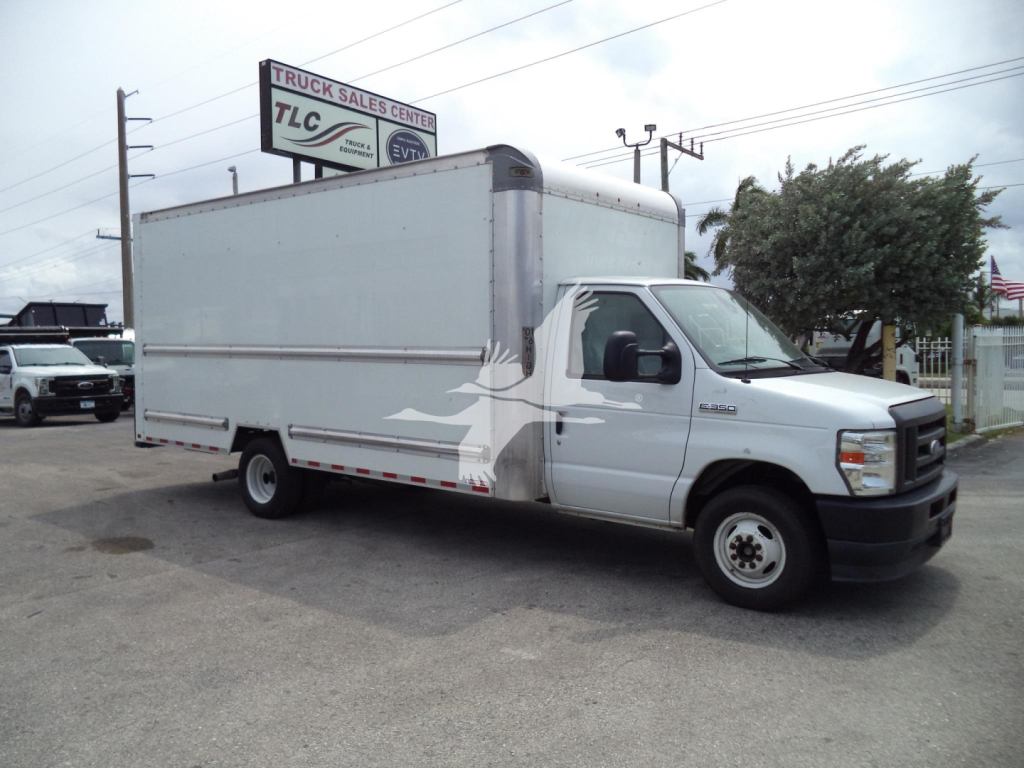
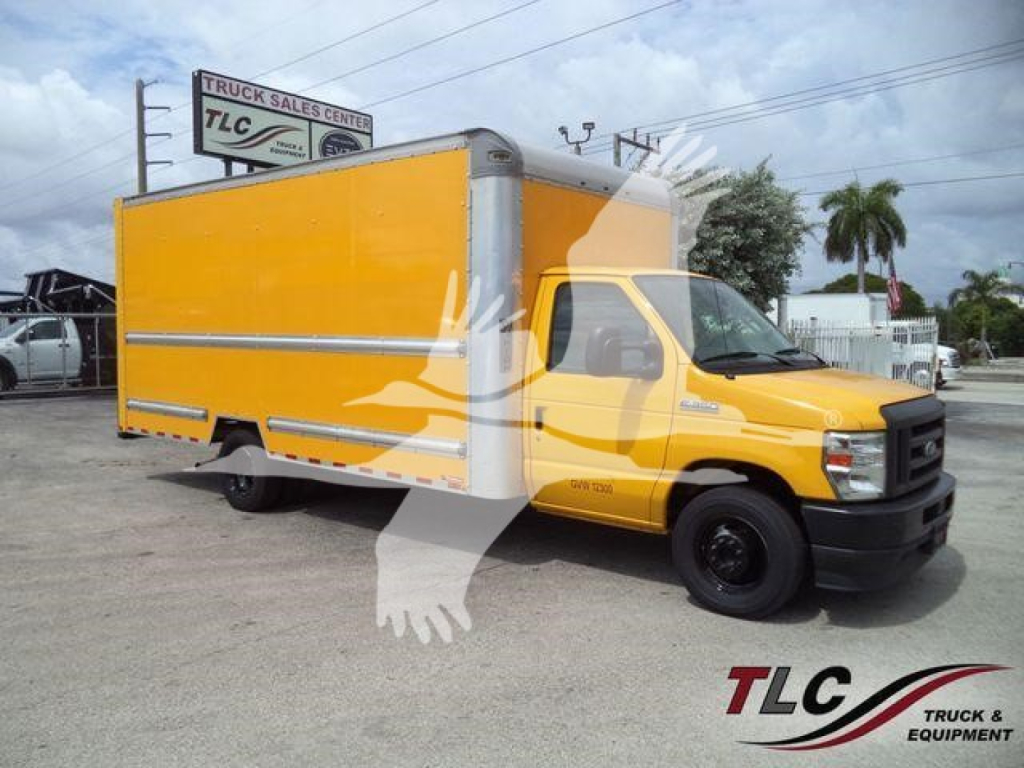
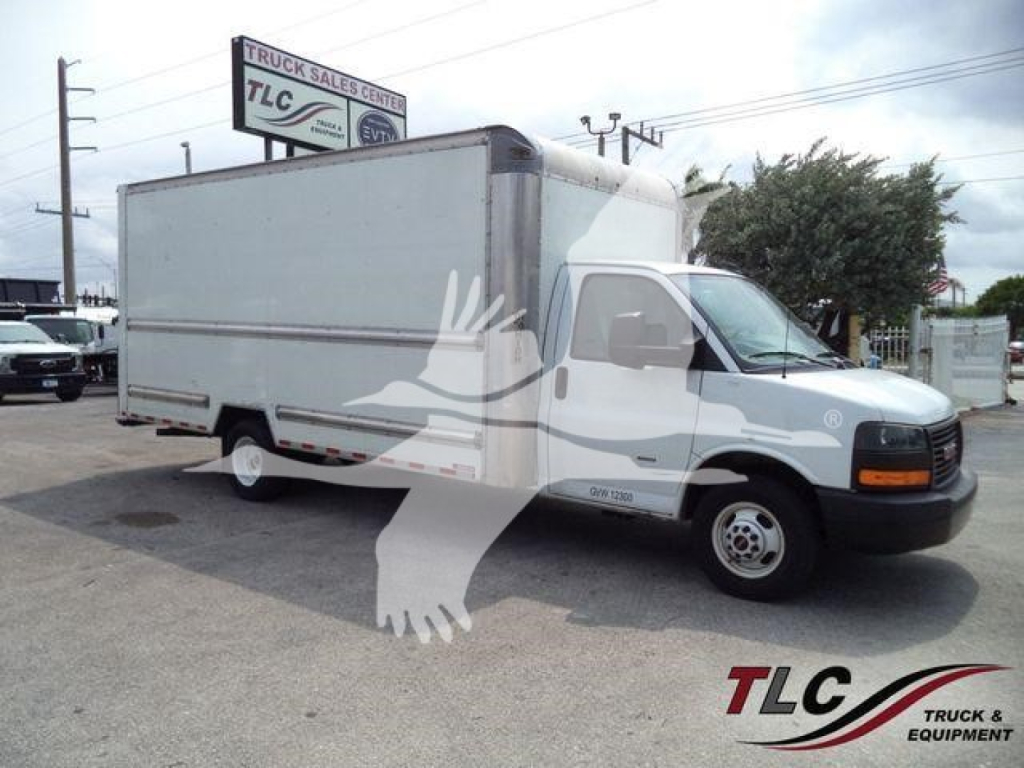
Selling a high cubes / cutaways truck? List your high cubes / cutaways truck for sale and reach thousands of commercial buyers.
High Cubes / Cutaways Trucks in Florida
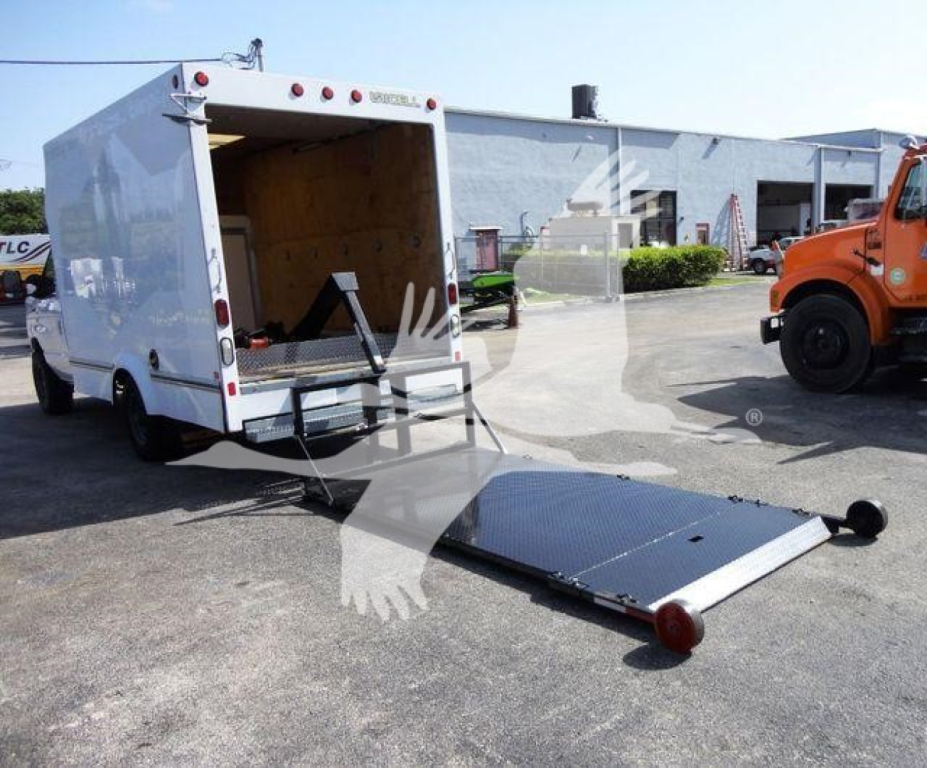
Body and chassis choices matter more than the badge. Common body lengths run from 12 to 16 feet, with roll-up rear doors, translucent roofs, wood or composite flooring, and optional pull-out ramps for carts, hand trucks, and light equipment. A fiberglass body can save weight and resist corrosion, while aluminum or sheet-and-post construction can be easier to repair depending on the application. Buyers in Florida should look closely at box height, rear opening dimensions, and step-in height, especially for high-stop delivery routes where driver fatigue and load access affect productivity every day.
Powertrain selection usually comes down to gas V8 capability, service history, and intended payload. Most cutaway trucks in this class use automatic transmissions and dual rear wheels for stability under load. On a used unit, pay attention to brake condition, front-end wear, cooling system health, tires, and signs of overloading around the rear suspension and body mounts. If the truck has a ramp, lift-style deck, or specialty upfit, confirm rated capacity, remote operation if equipped, and whether the added equipment reduces legal payload. For moving or dry freight use, inspect the interior walls, E-track or tie-down points, and roof condition for leaks or impact damage.
A high cube or cutaway truck is usually the right fit when you need better weather protection and cargo security than a flatbed or open trailer, but still want car-like cab access and easier urban maneuvering than a larger Class 6 or 7 box truck. Florida buyers often prioritize air conditioning performance, rust and corrosion resistance, and a body that can handle heat, rain, and frequent door cycles. The best unit is not just the newest one. It is the truck with the right body length, door configuration, payload rating, and upfit for the route, product, and stop frequency it will handle.
Frequently Asked Questions about High Cubes / Cutaways Trucks in Florida
What is the difference between a high cube truck and a cutaway truck?
A cutaway truck refers to the chassis design, where the vehicle starts as a van-style front section with an open rear frame for a box or specialty body. High cube usually refers to the body style, meaning an enclosed cargo box with more usable interior volume than a standard cargo van. In the market, the terms are often used together because many high cube trucks are built on cutaway chassis such as Ford E-350 or GMC G3500 platforms.
What body size is most common on a high cube or cutaway truck?
Common body lengths are 12 feet, 14 feet, and 16 feet. A 12-foot body works well for tighter city routes and lighter service applications, while 16-foot bodies are common for moving, delivery, and dry freight where cubic capacity matters. The right size depends on product density, number of stops, loading method, and where the truck will be parked or maneuvered each day.
Do I need a CDL to operate a high cube or cutaway truck?
Most high cube and cutaway trucks in this class do not require a CDL when the GVWR stays under 26,001 pounds. Many units are built around 12,500 to 14,500 pounds GVWR, which keeps them in a non-CDL range for most applications. Buyers still need to verify the exact GVWR on the door tag and check any state, insurance, or business-specific requirements before putting the truck into service.
What should I inspect on a used cutaway box truck?
Start with GVWR, wheelbase, body length, and actual payload needs, then inspect the chassis and the box as separate systems. Check engine and transmission operation, brake wear, front suspension play, tire condition, cooling system performance, and any signs of frame corrosion or hard commercial use. On the body, inspect the roof, floor, roll-up door, seals, ramp operation, tie-down points, and wall condition. Water intrusion, rear frame rust, and overloaded suspension components are common problem areas on heavily used delivery trucks.
Are high cube trucks good for delivery and moving work in Florida?
Yes. This category is a strong fit for Florida delivery, moving, route service, and dry freight because it combines enclosed cargo protection with relatively compact exterior dimensions. The main advantages are easier access in urban areas, lower operating costs than larger straight trucks, and enough cargo volume for multi-stop work. In Florida conditions, buyers should pay extra attention to air conditioning performance, body sealing against rain, and materials that hold up well against heat, humidity, and frequent use.