
Grapple Trucks For Sale in Ohio
Browse grapple trucks for sale, including brush, debris, and waste-handling trucks with hydraulic grapple loaders and vocational chassis.
No exact matches found for your search
Showing Grapple Trucks instead.
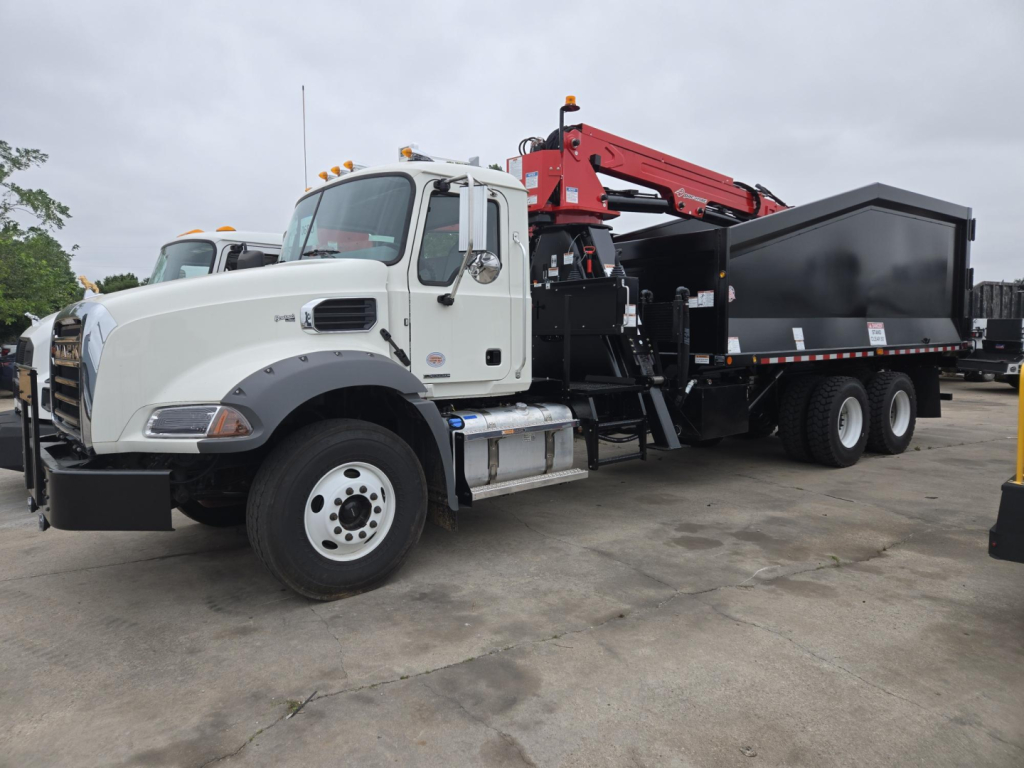
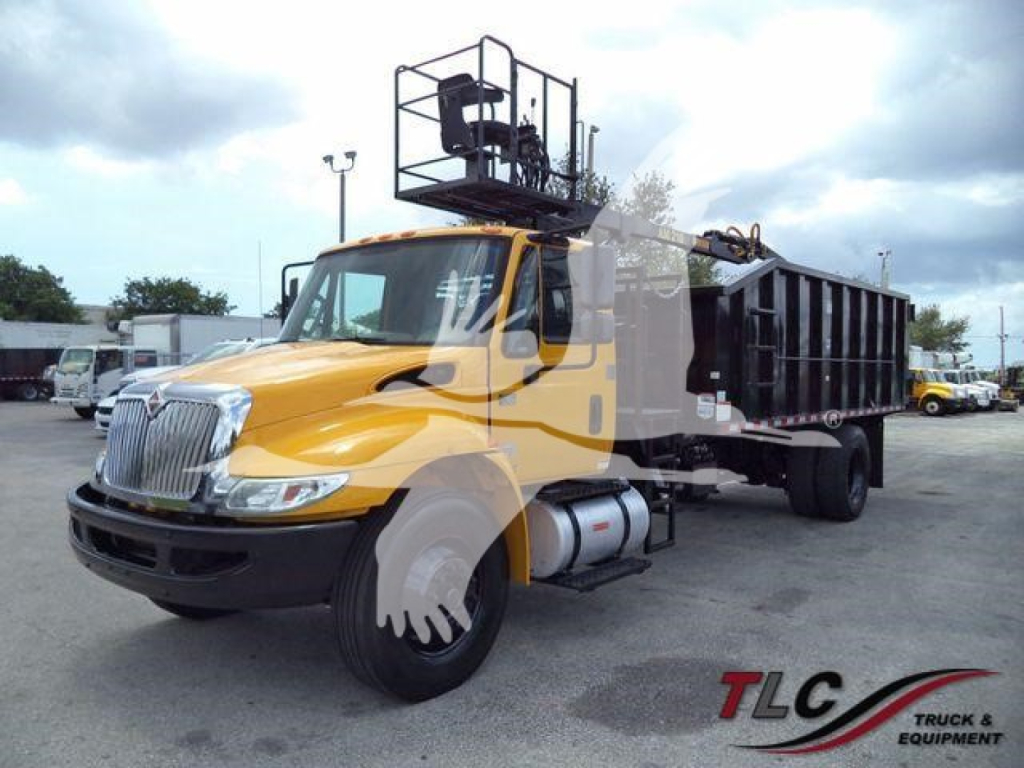
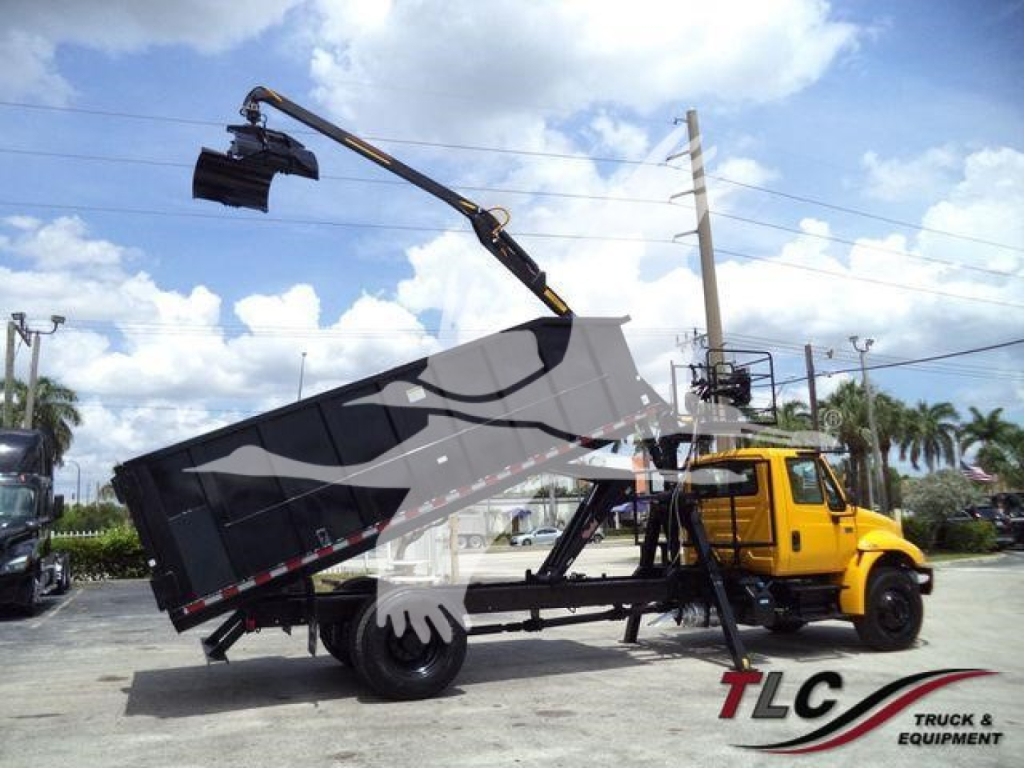
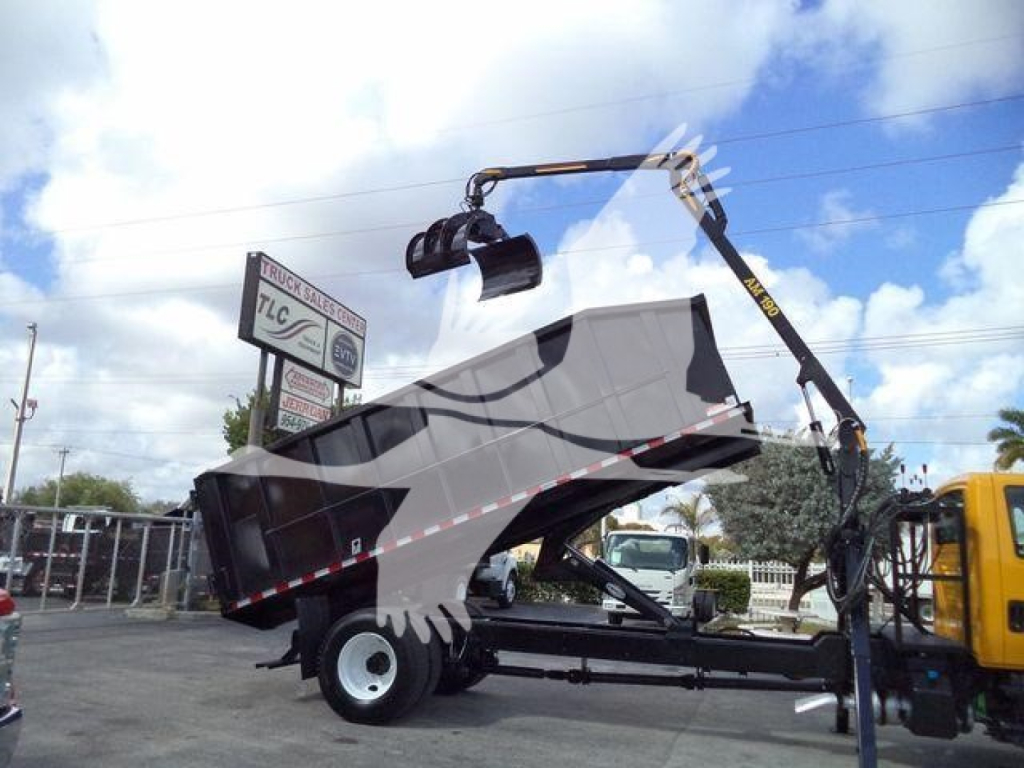
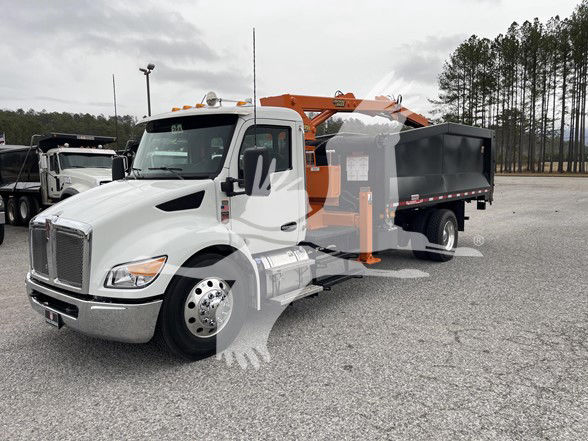
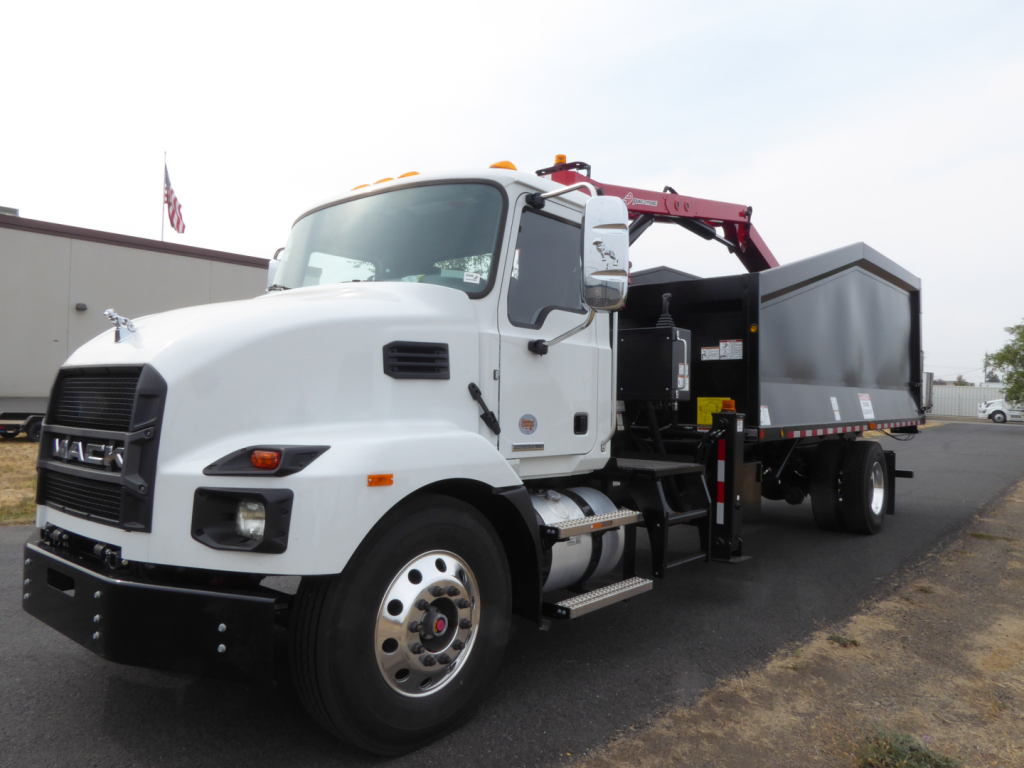
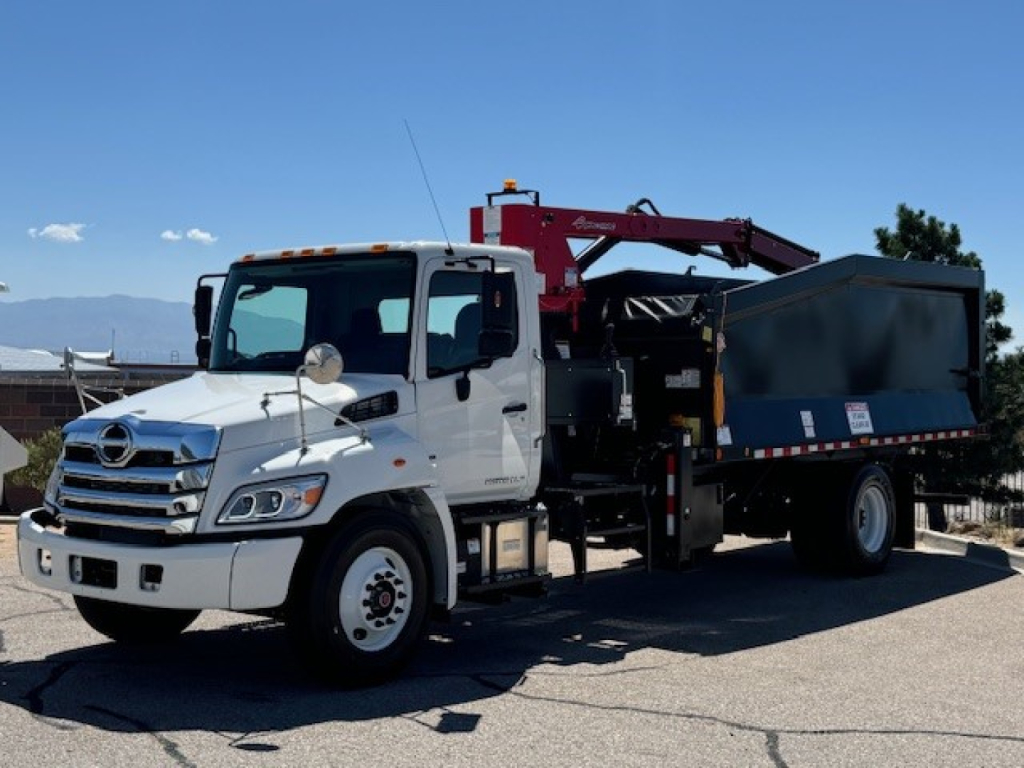
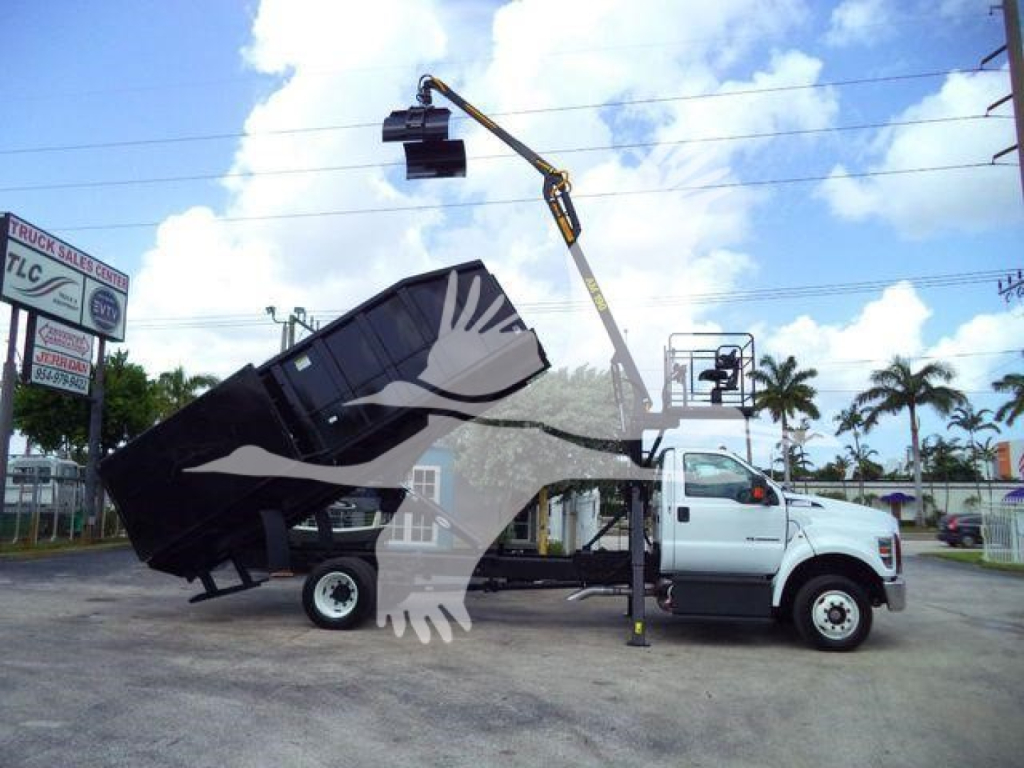
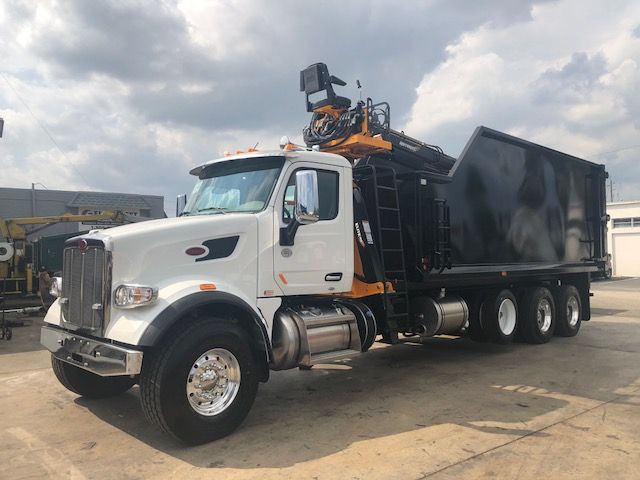
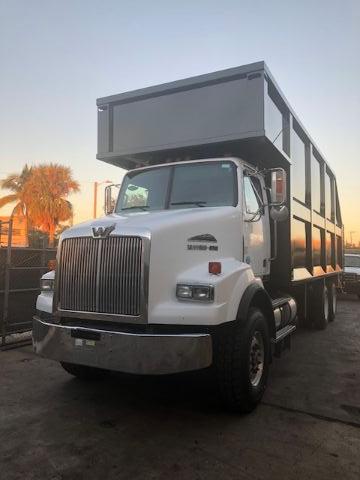
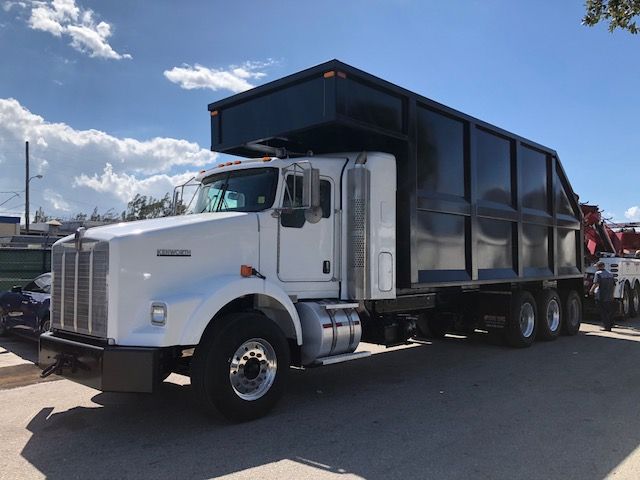
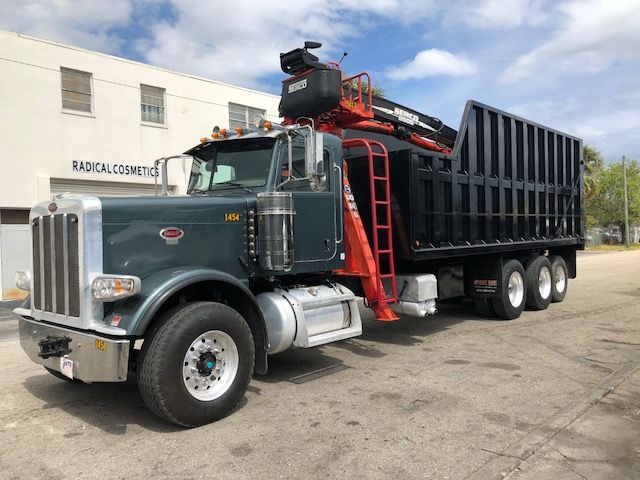
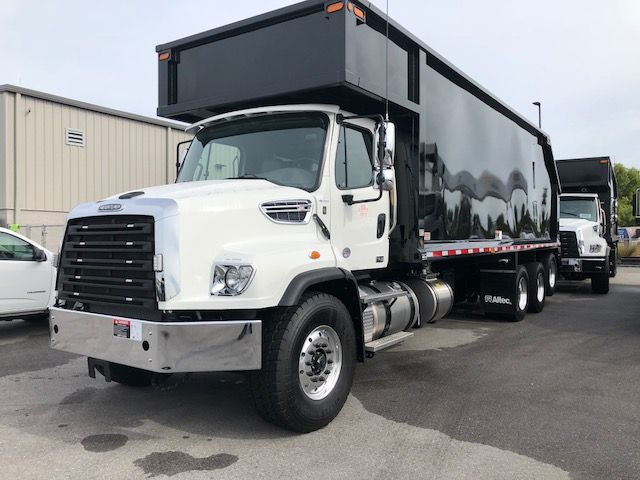
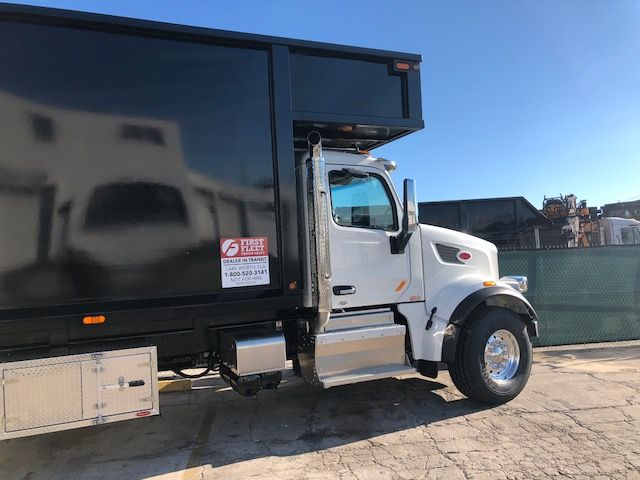
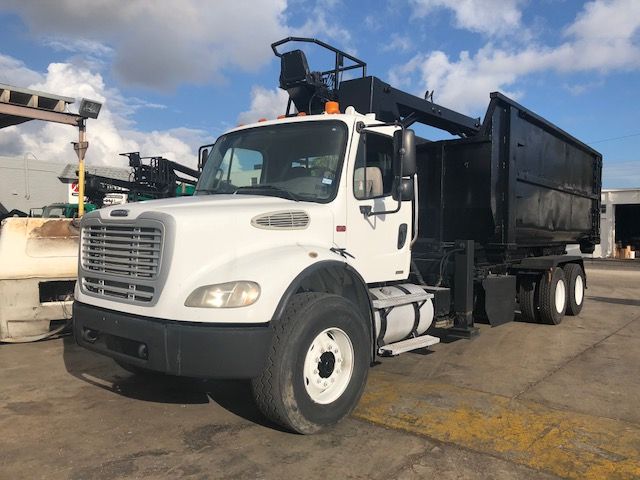
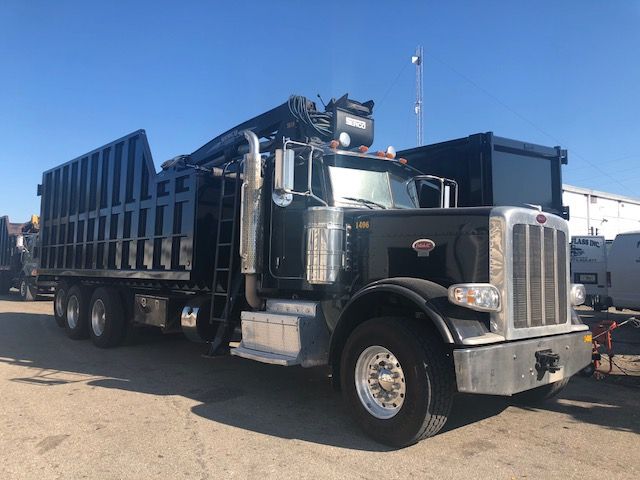
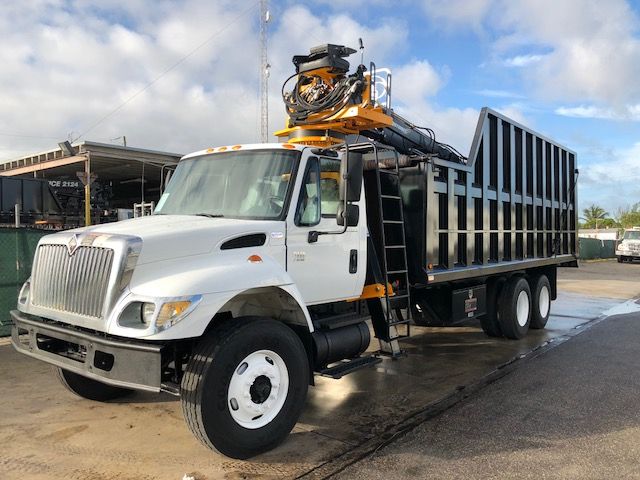
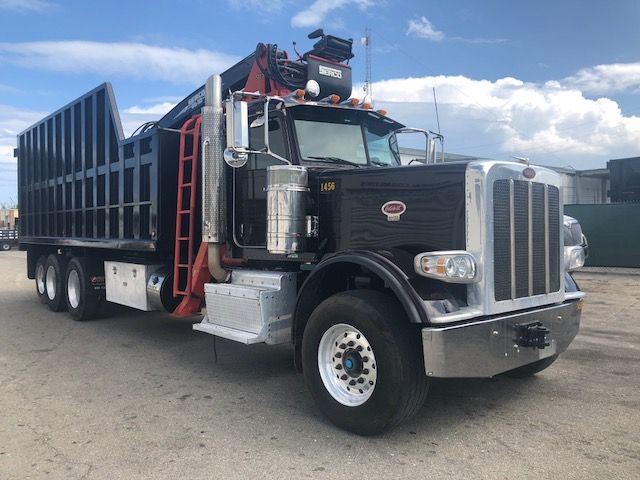
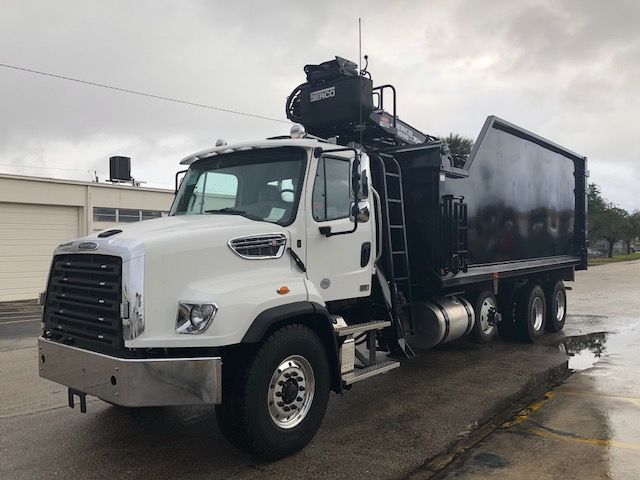
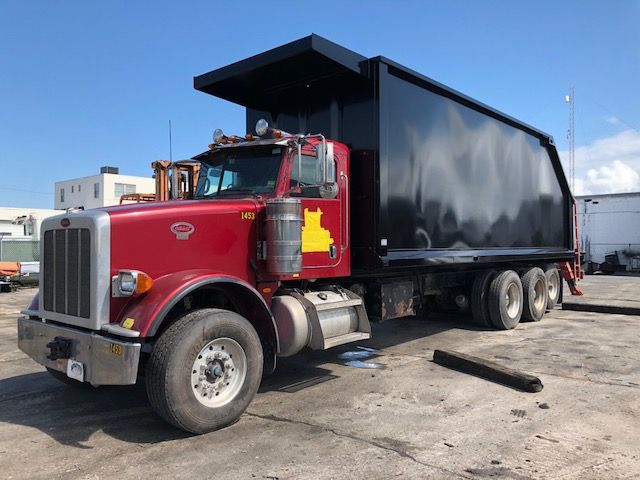

Showing 1 to 28 of 29 results
Selling a grapple truck? List your grapple truck for sale and reach thousands of commercial buyers.
Grapple Trucks in Ohio
The most important buying decision is usually the body and crane combination. Common setups include rear-mount and behind-cab loaders, with different reach, lift capacity, and loading angles depending on the application. Body style matters just as much. High-sided debris bodies are common for brush and green waste, while heavier-duty dump-style bodies may be better for mixed material or jobsite debris. Pay attention to crane manufacturer, boom extension design, grapple type, hydraulic reservoir size, and control layout. Buyers should also verify body floor material, side construction, tailgate design, tarp system, and hoist capacity if the truck will haul dense loads as well as bulky material.
Chassis specs drive long-term operating cost and usability. Medium-duty and heavy-duty grapple trucks are commonly spec'd with diesel engines, automatic transmissions, PTO-driven hydraulics, and single-axle or tandem rear configurations. In tighter urban routes, wheelbase, turning radius, axle placement, and overall body length can affect productivity more than raw horsepower. Front axle capacity and rear suspension rating are especially important because crane weight, body weight, and payload can add up quickly. In Ohio, buyers should also consider corrosion resistance, frame condition, and hydraulic line protection because winter road treatment can shorten the life of exposed components.
A good grapple truck should be evaluated as a complete working system, not just a truck with a boom on it. Look closely at hydraulic leaks, cylinder condition, outrigger operation, boom wear, grapple pins and bushings, PTO engagement, and signs of frame stress near the loader mounts. For municipal and contractor fleets, service access and parts support can be just as important as lift charts. The best unit for the job is the one with the right reach, legal payload, and body volume for the material you handle every day, not simply the biggest crane or the tallest sides.
Frequently Asked Questions about Grapple Trucks in Ohio
What are grapple trucks used for?
Grapple trucks are used to load and haul bulky material such as tree limbs, brush, logs, storm debris, construction debris, scrap, and some waste streams. Their main advantage is that the truck can self-load, which reduces labor and eliminates the need for a separate machine at many pickup sites. They are common in tree service, municipal public works, utility line clearance, disaster cleanup, and specialty hauling operations.
What should I look for when buying a used grapple truck?
Start with the crane and hydraulic system because those components do the hardest work. Check for hydraulic leaks, worn pins and bushings, cracked welds, cylinder scoring, outrigger function, and smooth boom operation through the full range of motion. Then inspect the body floor, side walls, hoist, tailgate, frame rails, PTO setup, and axle ratings to confirm the truck is matched to the material you plan to haul. Maintenance records, corrosion level, and parts availability are also major factors in overall value.
How do I choose between a single-axle and tandem-axle grapple truck?
A single-axle grapple truck is often a better fit for tighter routes, lighter material, and operations that need easier maneuverability and lower operating cost. A tandem-axle truck generally offers more payload capacity, better weight distribution, and a stronger platform for larger bodies or heavier cranes. The right choice depends on the density of the material, required body volume, legal road weights, and how often the truck will work in confined areas.
What body types are common on grapple trucks?
Common body types include high-sided debris bodies for brush and green waste, dump bodies for mixed material, and specialty forestry or trash configurations depending on the job. Some are designed for maximum cubic capacity, while others are built for durability with heavier floors and reinforced sides. Tailgate style, side height, body length, and hoist design all affect how efficiently the truck can be loaded, transported, and unloaded.
Why do hydraulic and axle specs matter so much on a grapple truck?
Hydraulic performance determines how fast and smoothly the boom and grapple operate, which directly affects jobsite productivity. Axle ratings matter because the crane, body, and payload place significant weight on the chassis even before the truck is fully loaded. If the hydraulic system is undersized or the axle capacities are marginal, the truck may be slow, unstable, or limited in legal payload. A properly matched chassis and loader setup is critical for safe operation and long service life.