
Grapple Trucks For Sale in Florida
Florida grapple trucks with strong floors, corrosion-resistant builds, low tare weights, and heat-ready hydraulics for debris, tree, and waste jobs.
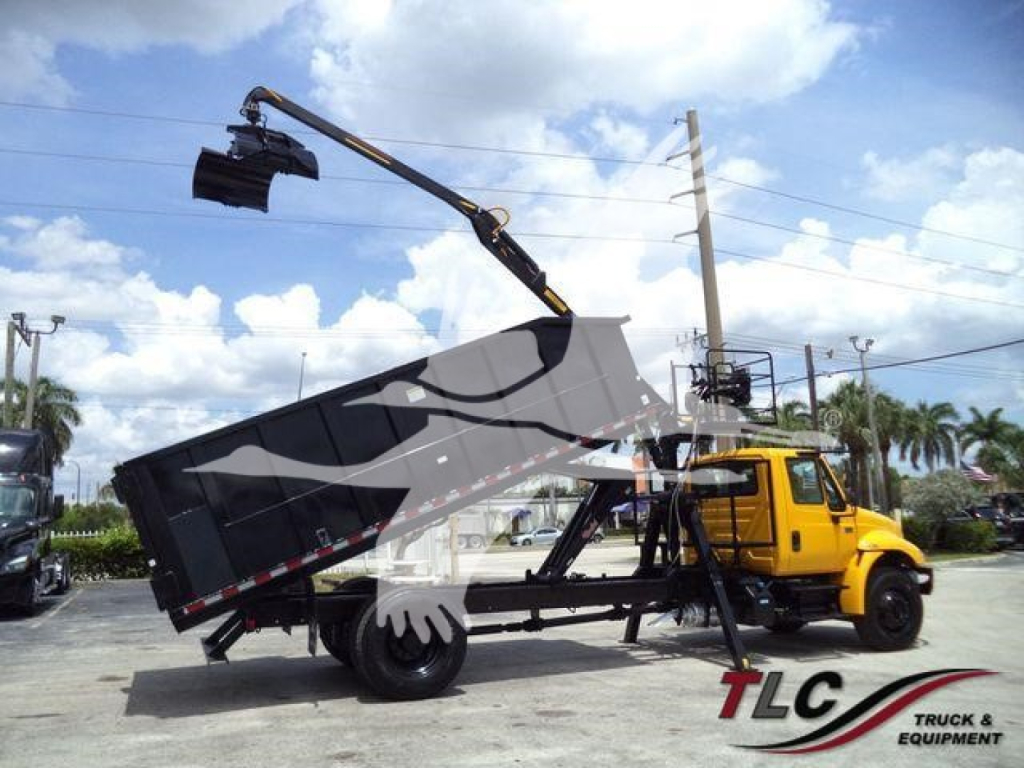
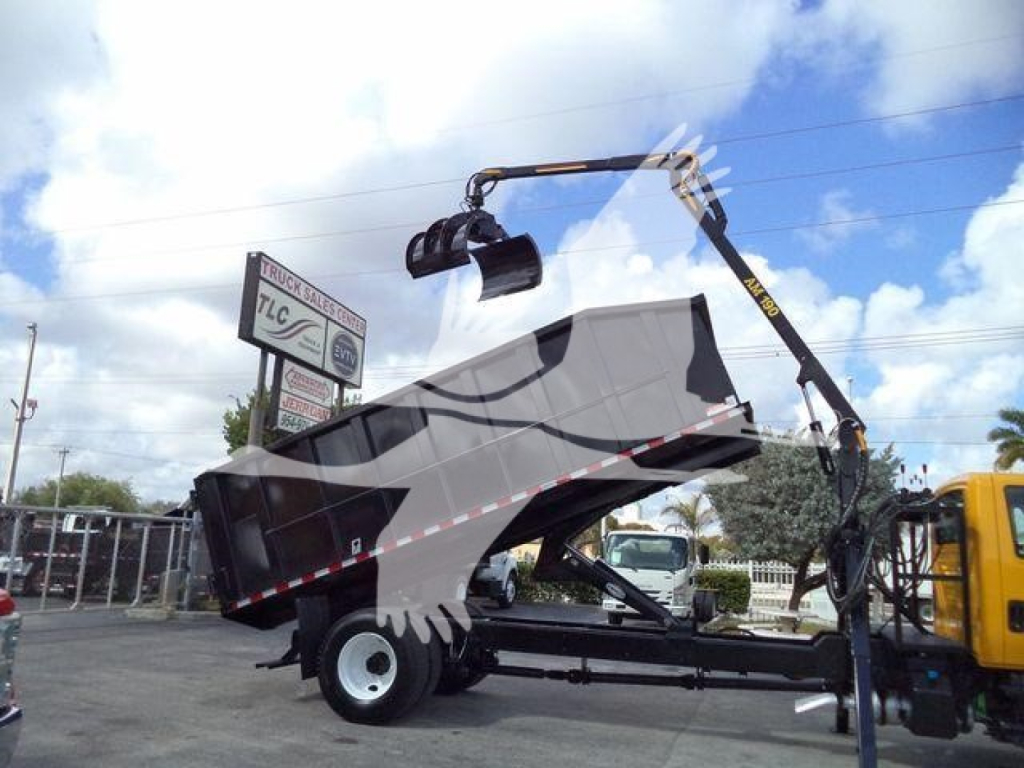
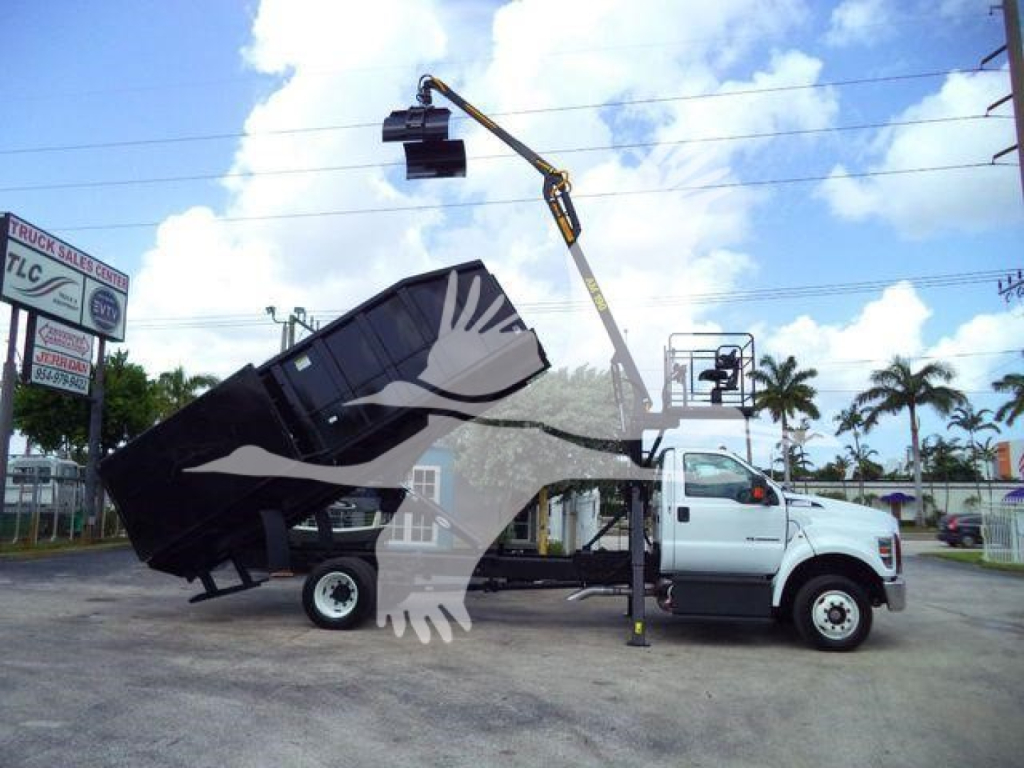
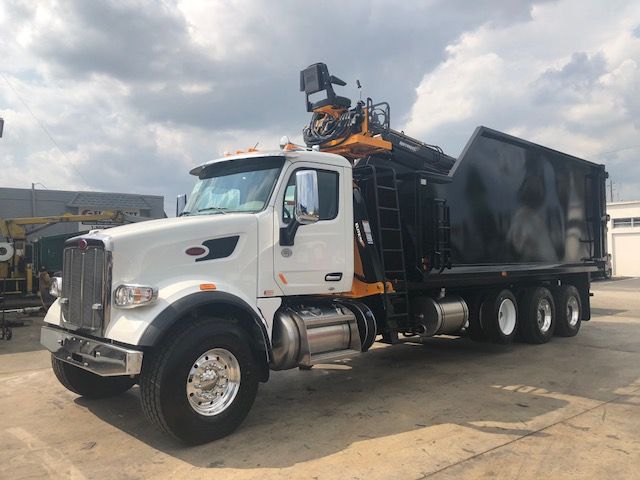
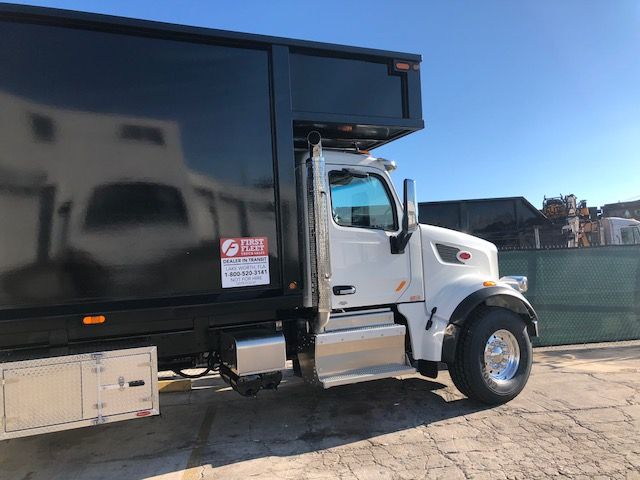
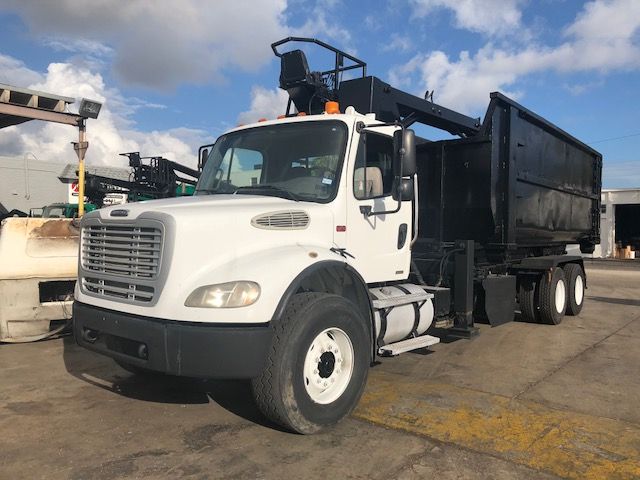
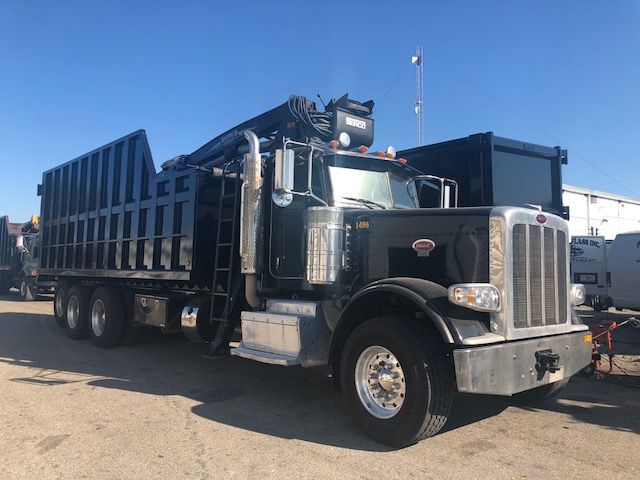
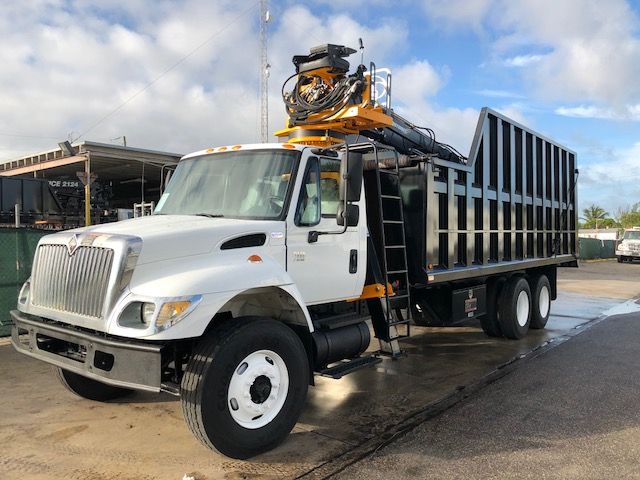
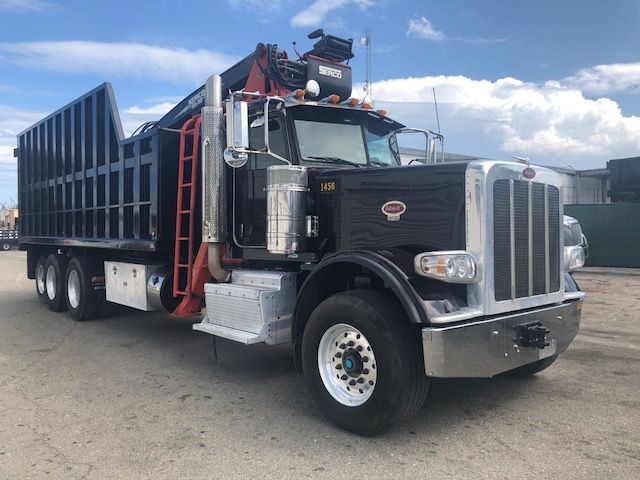
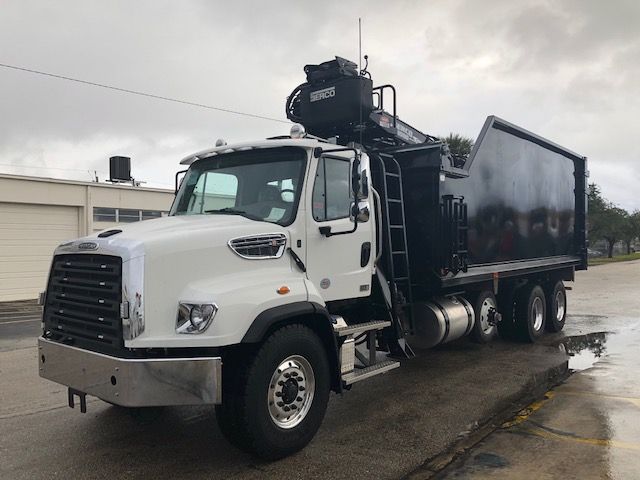
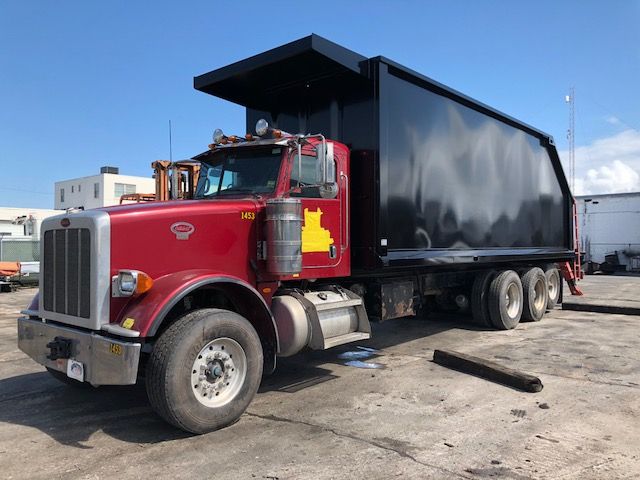

Selling a grapple truck? List your grapple truck for sale and reach thousands of commercial buyers.
Grapple Trucks in Florida
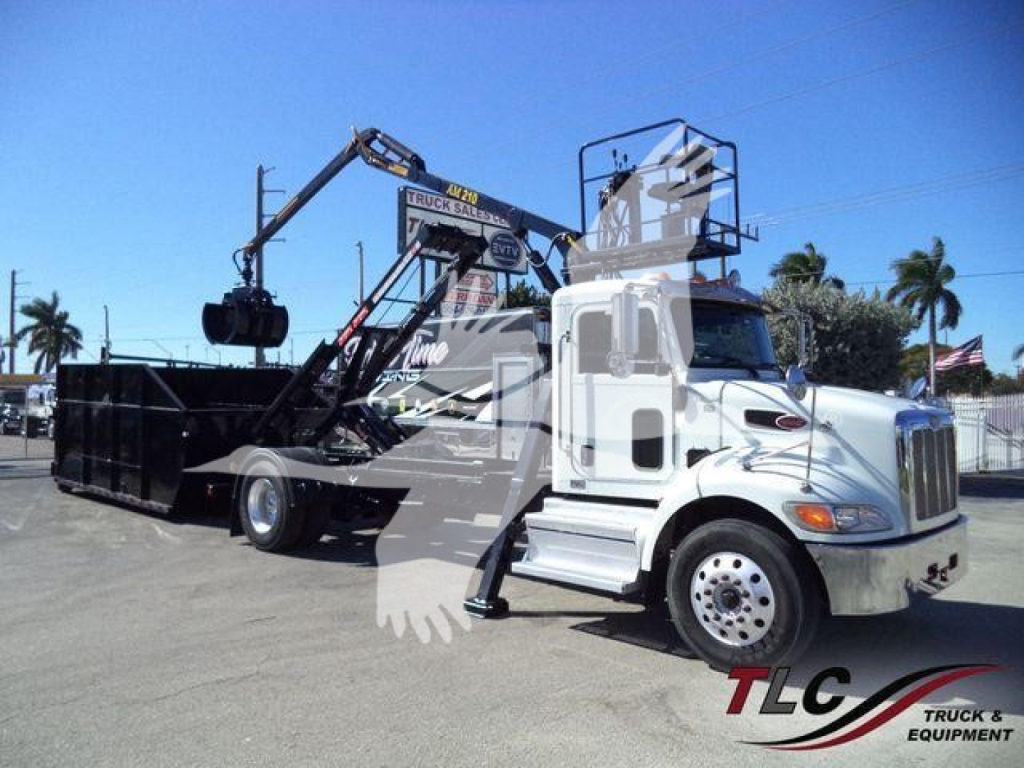
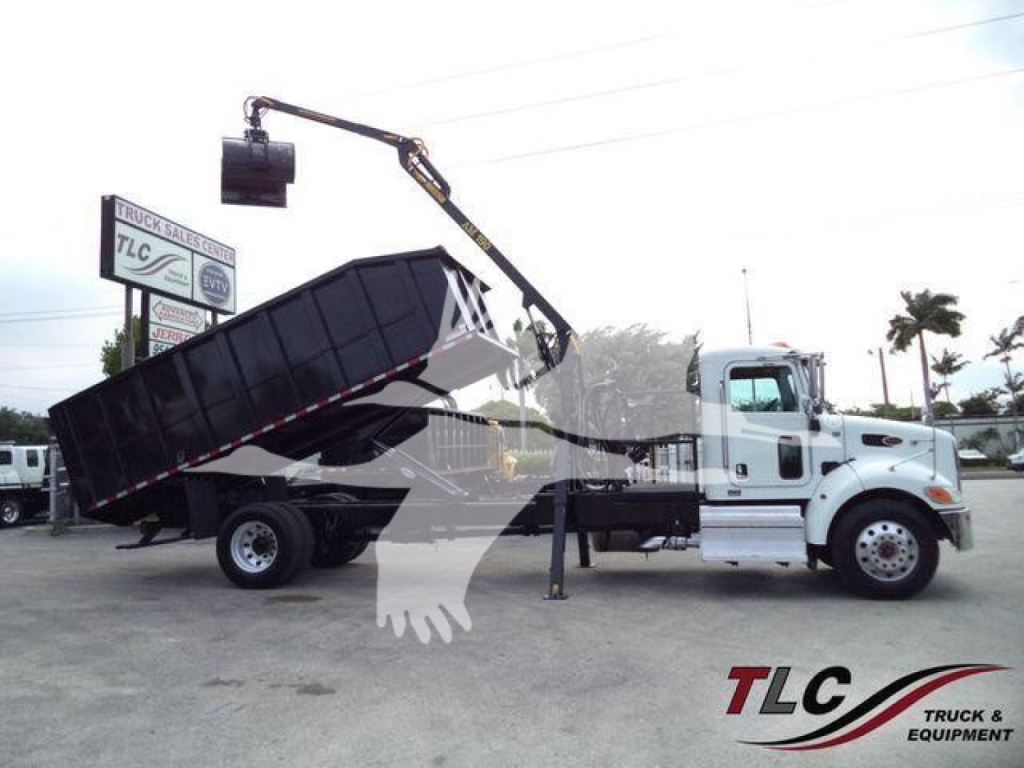
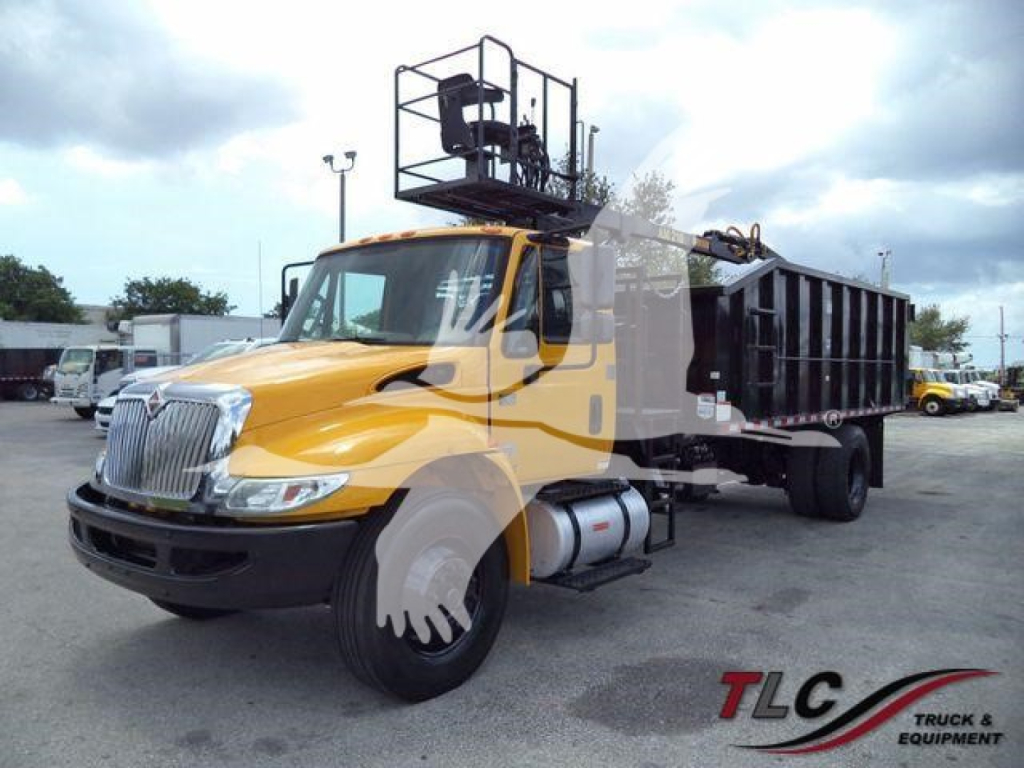
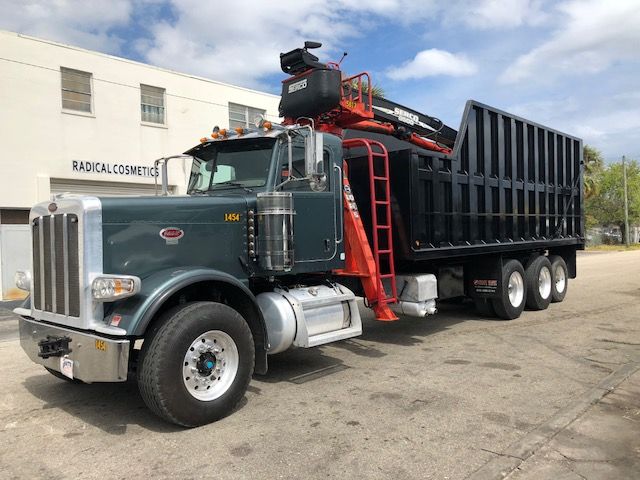
Tare weight dictates payload and legal routing. High tensile steel booms and optimized subframes can trim hundreds of pounds, which adds up across municipal routes. Pair body volume to the material you haul, 20 to 30 cubic yards for mixed debris is common; a taller body needs more stabilizer spread and can shift the center of gravity, so verify wheelbase, axle set, and reinforcement match the crane. For most Florida operations a tandem axle chassis at 66,000 to 80,000 pounds GVWR is typical, tri axle or pusher lift axles help with dense loads. Verify axle spacing and bridge compliance, aim for even weight distribution with the crane placed to keep steer axle loading in range when the body is full.
Floor strength and corrosion resistance determine service life. Bodies that use AR400 or Hardox floors with 3 or 4 inch crossmember spacing, reinforced long sills, and 10 to 12 gauge sidewalls resist denting from concrete, logs, and culvert pieces. Add scuff liners or UHMW wear panels to cut abrasion and speed unloading. In Florida’s coastal and humid environment, hot dip galvanized or zinc rich primed subframes, epoxy primer with polyurethane topcoat, stainless or zinc plated hardware, and sealed electrical connectors slow rust. Underbody wash ports and captive nut designs simplify cleaning and repair. Inspect tailgate construction as well, a high lift or double acting gate with robust hinges and dog clamps maintains seal integrity over repeated dumps.
Thermal integrity of the hydraulic system is critical in Florida heat. A correctly sized oil cooler with thermostatic fan, return line filtration to 10 microns or better, and hoses rated for high ambient temperature keep cycle times consistent and protect seals. Closed center, load sensing valves reduce heat generation at idle; a transmission or engine PTO matched to pump displacement prevents overspeeding and cavitation. Stability and uptime features to consider include large outrigger float pads for sand, boom stow locks with interlocks, central greasing or auto lube on pins and the swing bearing, chassis air or electric over hydraulic controls, and telematics for PTO hours and maintenance tracking. Tire inflation systems and locking differentials help when shoulder pickup routes leave the pavement, and LED work lights with camera systems improve visibility during night storm cleanup.
Frequently Asked Questions about Grapple Trucks in Florida
What boom capacity and reach should I look for on a grapple truck?
Match lift capacity at the working radius to your heaviest pieces, not just the short radius rating. Many municipal and tree service builds target 2,500 to 5,000 pounds at 20 to 25 feet with continuous rotation and a 4 tine or bypass grapple sized 0.4 to 0.6 cubic yards. Verify the load chart with outriggers fully deployed on level ground, confirm side loading limits, and make sure the subframe and chassis reinforcements are engineered for the crane’s torsion loads.
How does tare weight affect payload and productivity in Florida routes?
Lower tare weight increases legal payload within your GVWR and axle limits, which means fewer trips to the landfill or transfer station on bulky waste routes. Weight savings from high tensile booms, optimized subframes, and efficient bodies can free 500 to 1,000 pounds or more; over a storm cleanup season that translates to significant time and fuel savings. Always verify steer, drive, and any lift axle loads in both empty and loaded conditions to stay compliant with Florida and federal bridge formulas.
What body and floor construction holds up best for debris and vegetation work?
A steel debris body with an AR400 or Hardox floor, tight crossmember spacing, and robust long sills offers the best impact and abrasion resistance. Sidewalls of 10 to 12 gauge steel with formed top rails resist bowing, while scuff liners or UHMW panels protect high wear zones and help sticky loads release. A high lift or double acting tailgate with heavy duty hinges and secure latching prevents spillage and preserves the seal when handling mixed debris and limbs.
How should hydraulics be specified for Florida heat and stop start duty?
Use a hydraulic oil cooler with thermostatic control sized for summer ambient temperatures, pair it with return filtration at 10 microns or finer and high temperature rated hoses and seals. Load sensing valve stacks reduce heat at idle, and matching pump displacement to the PTO speed prevents excessive fluid velocity. A clean suction strainer, proper oil grade such as AW 46 for hot climates unless the manufacturer specifies otherwise, and routine fluid analysis help maintain thermal integrity and consistent cycle times.
What corrosion protection features matter for coastal or humid Florida use?
Look for zinc rich or epoxy primer under a polyurethane topcoat, hot dip galvanized or e coated subframes and outriggers, sealed Deutsch style connectors, and stainless or zinc plated fasteners. Rubberized undercoating and accessible wash points make it easier to remove salt and sand. UV resistant hydraulic hoses and harness sheathing extend life in intense sun, and a documented wash and inspection routine will preserve paint and wiring over multiple storm seasons.