
Peterbilt Gasoline - Fuel Trucks For Sale
Browse Peterbilt gasoline fuel trucks built for mobile fueling, onsite delivery, and fleet service with common tank, pump, and chassis specs.
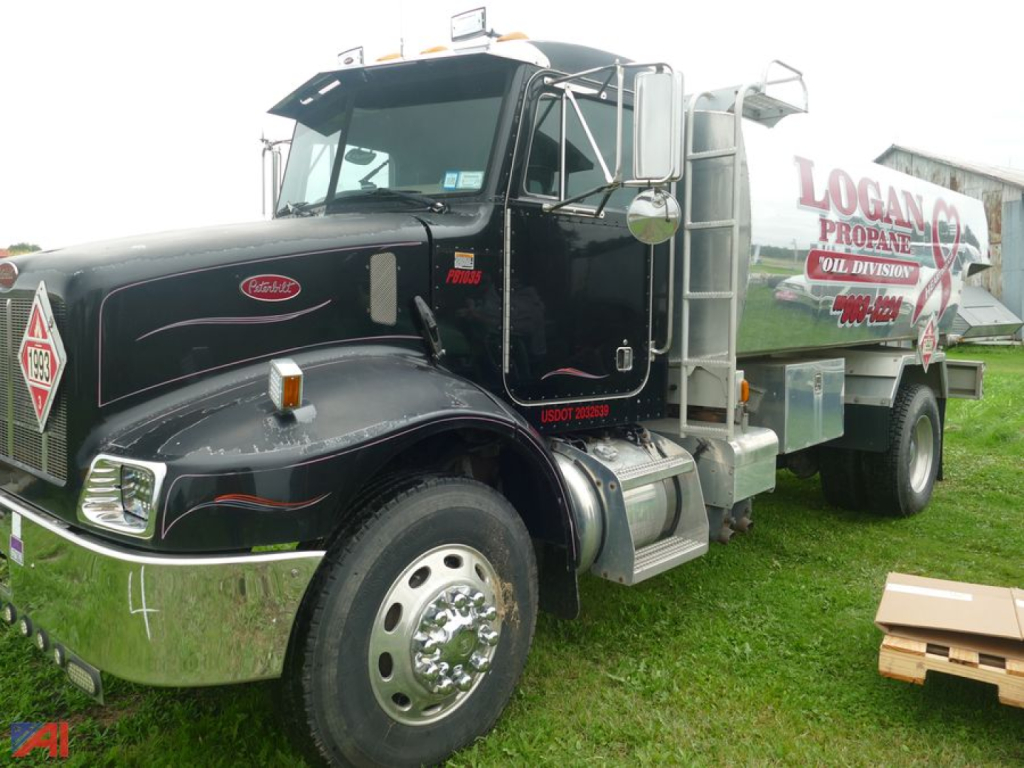
Selling a peterbilt gasoline - fuel truck? List your peterbilt gasoline - fuel truck for sale and reach thousands of commercial buyers.
Peterbilt Gasoline - Fuel Trucks
A big decision point is tank capacity versus legal weight and route environment. Many Peterbilt fuel trucks in this class fall into the 2,000 to 3,000 gallon range, though exact usable capacity depends on compartment design, baffles, product density, and state regulations. Two-compartment and three-compartment tanks are common when operators need gasoline segregation by grade or want flexibility for mixed-product delivery. Buyers should look closely at meter type, pump output, filtration, hose length, reel placement, emergency shutoffs, grounding equipment, and vapor-recovery or overfill systems if the application requires them. On gasoline-spec equipment, compliance details are not secondary. Tank certification, placarding requirements, bonding provisions, and DOT or state fuel-hauling rules should be reviewed carefully before purchase.
On the chassis side, Peterbilt is a strong fit for fuel service because these trucks are often ordered with vocational-friendly specs such as automatic transmissions, favorable wheelbases for body fitment, and axle ratings that match tank and pump package weight. Engines in this segment are typically in the medium-horsepower range, paired with Allison automatic transmissions for stop-and-go route work and PTO-driven pumping operations. Suspension, rear ratio, turning radius, and cab-to-axle dimensions all affect how well the truck performs in tight yards, retail sites, or off-pavement service locations. A buyer comparing listings should pay attention to GVWR, front and rear axle ratings, brake setup, and whether the truck is optimized for payload, maneuverability, or a more specialized fuel-service body.
Condition matters differently on a fuel truck than on a standard straight truck. The value is tied not just to the Peterbilt cab and chassis, but also to the age and supportability of the tank, meter, pump, reel, valves, and control components. Inspect for compartment integrity, corrosion, leaks, meter accuracy, pump performance, hose condition, and evidence of regular testing or calibration. If the truck will be used for commercial gasoline delivery, confirm the body and equipment meet the operating requirement for your state, terminal, and insurance carrier. A well-spec'd Peterbilt gasoline fuel truck can be a highly efficient mobile fueling asset, but the right purchase comes down to matching capacity, compliance, and service equipment to the job.
Frequently Asked Questions about Peterbilt Gasoline - Fuel Trucks
What tank size is common on a Peterbilt gasoline fuel truck?
Many Peterbilt gasoline fuel trucks in the medium-duty class are equipped with tanks in the 2,000 to 3,000 gallon range. Actual usable capacity depends on the number of compartments, tank design, fuel density, and legal weight limits. Buyers should compare rated tank capacity to axle ratings and intended route conditions, especially if the truck will operate in urban delivery or off-road fleet service.
Why do some gasoline fuel trucks have multiple compartments?
Multiple compartments allow the truck to carry separate fuel products or grades while also improving load management. A two-compartment or three-compartment tank can help an operator deliver different gasoline blends, reduce cross-contamination risk, and adjust product distribution across the chassis. Compartment layout also affects surge control and how efficiently the truck can complete multi-stop routes.
What chassis specs matter most on a Peterbilt fuel truck?
The key chassis specs are GVWR, axle ratings, wheelbase, cab-to-axle length, transmission type, and rear suspension. These directly affect legal payload, body fit, maneuverability, and drivability. Many buyers prefer an automatic transmission for route work and PTO operation, while axle and suspension ratings must support the full fuel body and pumping system without compromising compliance or service life.
What should I inspect on a used gasoline fuel truck besides the engine and transmission?
The fuel body and delivery system deserve as much attention as the chassis. Inspect the tank for corrosion, repairs, and certification status, and check pumps, valves, reels, meters, nozzles, emergency shutoffs, and grounding equipment for proper operation. It is also important to verify hose condition, compartment integrity, and any records for meter calibration, pressure testing, or scheduled maintenance.
Are Peterbilt gasoline fuel trucks used only for retail fuel delivery?
No. Peterbilt gasoline fuel trucks are also used for mobile fleet fueling, construction equipment support, municipal operations, airport ground support, and service work in remote locations. The right configuration depends on whether the truck will make repeated road deliveries, fuel equipment on site, or serve a private fleet where compartment size, hose reach, and pump system layout may matter more than maximum tank capacity.