
Gasoline - Fuel Trucks For Sale
Gasoline fuel trucks with DOT 406 tanks, bottom loading, vapor recovery, compartments, and pump-meter options for station and fleet fueling.
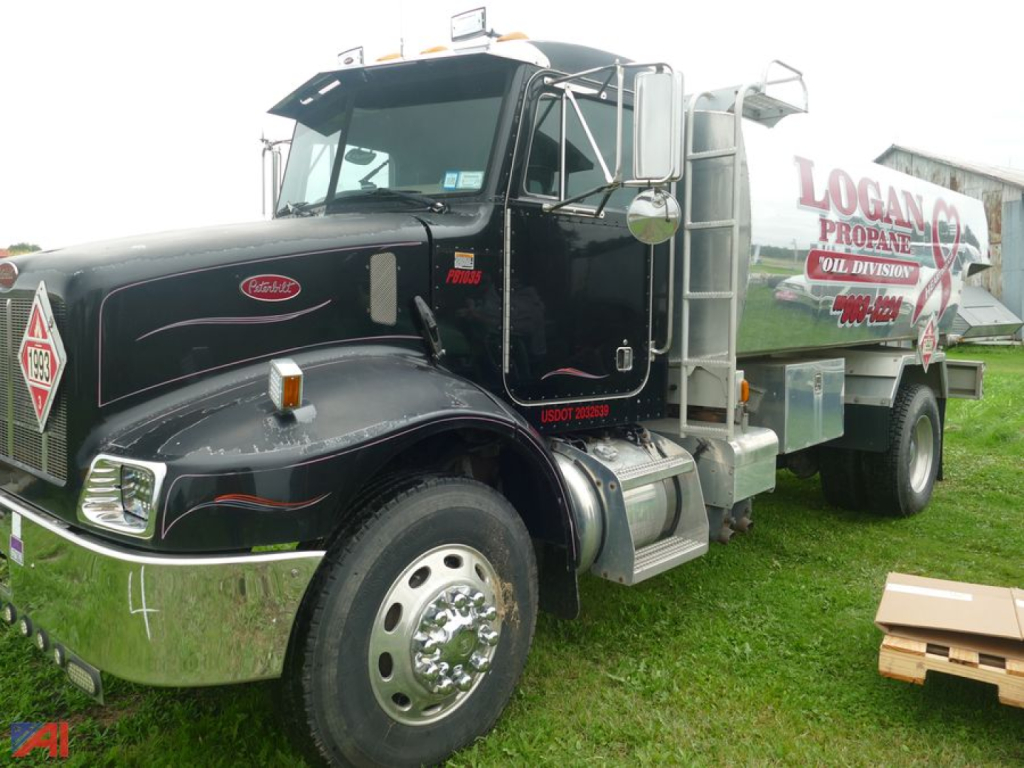
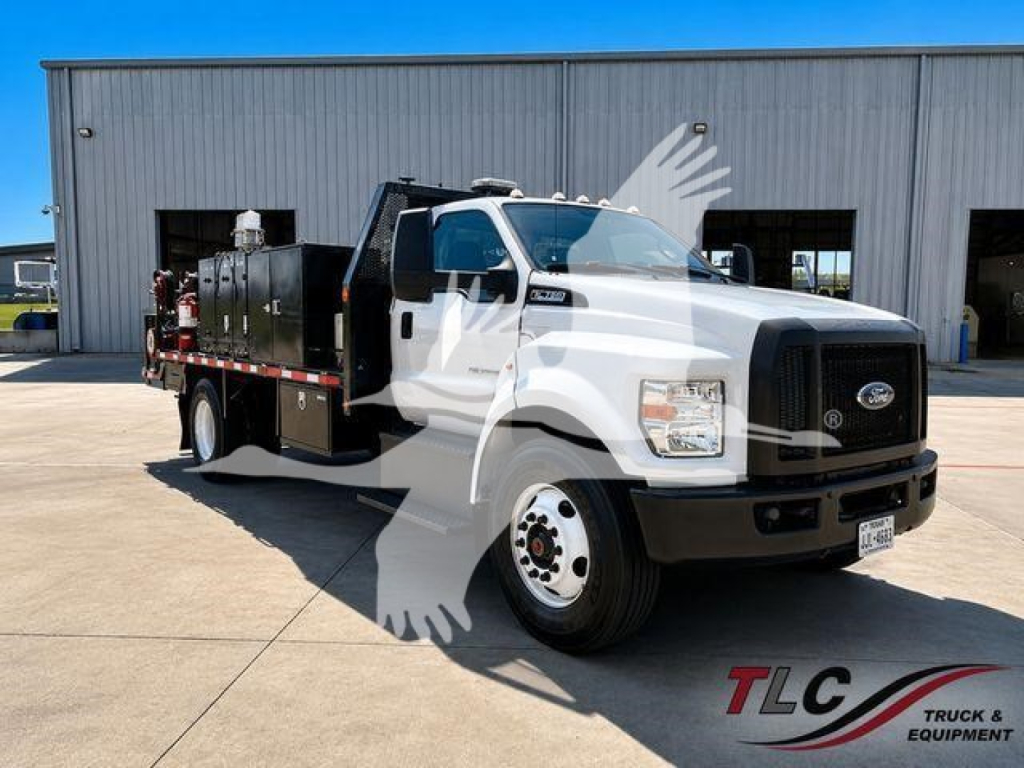
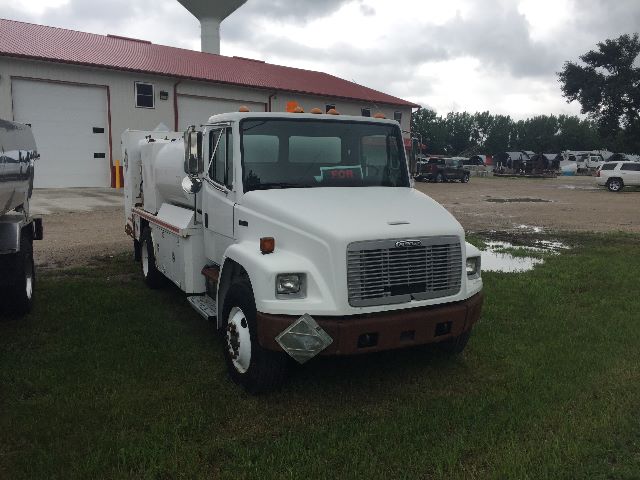
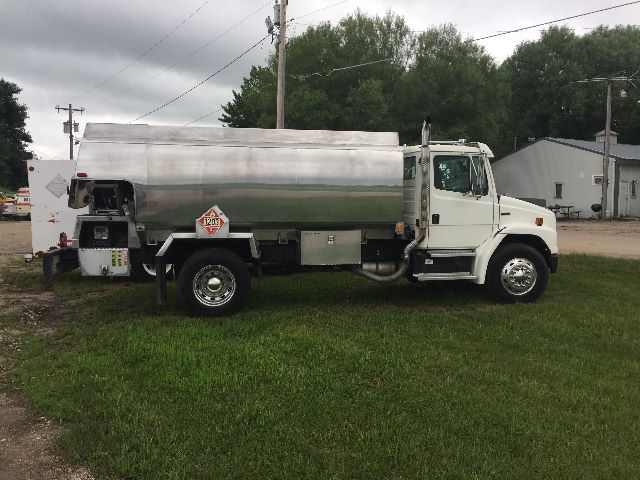
Selling a gasoline - fuel truck? List your gasoline - fuel truck for sale and reach thousands of commercial buyers.
Gasoline - Fuel Trucks
Chassis choices usually land in Class 7 to lightweight Class 8 with a short wheelbase for tight urban sites. Many operators favor Allison automatic transmissions for stop-and-go work and precise control during drops. Axle configuration matters for legal payload and turning radius; 4x2 is common up to roughly 4,000 gallons, while larger tanks may use a tag or pusher to stay axle-compliant. Spring suspensions are durable and cost-effective, with air ride chosen where ride quality and product surge control are priorities. Modern braking and stability tech such as air disc brakes, roll stability control, and full ESC are valuable in wet or high-traffic zones.
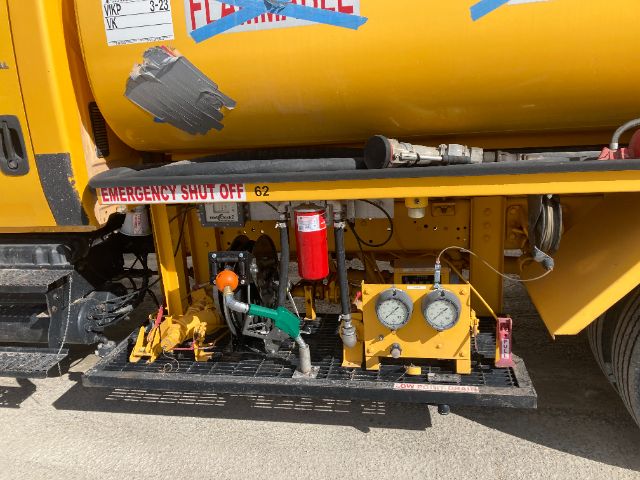
Safety and compliance features separate a capable gasoline truck from a costly headache. Look for Scully or equivalent overfill protection with optic sensors, internal emergency valves with shear sections, pressure-vacuum vents, remote emergency shutoffs, bonding and grounding points, and vapor-tight cabinets. API manifold count should match compartment count, with 3 or 4 inch product outlets depending on drop speed needs. Hoses and seals must be rated for gasoline and ethanol blends; Viton or equivalent elastomers help with E10 and even E85 service. If metered delivery is part of the job, a Liquid Controls meter with air eliminator, strainer, pulser, and printer streamlines billing and satisfies Weights and Measures.
Spec trade-offs are straightforward. More compartments increase routing flexibility for 87-89-93 octane or diesel add-ons but add weight and complexity. Aluminum tanks reduce tare and resist corrosion compared to steel but can command a higher upfront price. Pump-and-meter systems add versatility for fleet fueling yet increase maintenance versus gravity-only station deliveries. Regional rules can influence the build, from California CARB Stage I vapor recovery hardware to lighting and ladder fall protection. Plan for lifecycle costs too: DOT 406 tanks require periodic inspections and tests, and metering systems need regular calibration to stay in tolerance. When matched to the route density, product mix, and terminal infrastructure, a well-spec’d gas tanker truck delivers fast turns, clean drops, and strong payload efficiency.
Also known as: Fuel Truck, Fuel Tanker Truck, Fuel Delivery Truck
Frequently Asked Questions about Gasoline - Fuel Trucks
What cargo tank spec is correct for hauling gasoline on a straight fuel truck?
Gasoline is hauled in a low-pressure DOT 406 cargo tank, the current standard that replaced legacy MC-306. A DOT 406 tank is designed for flammable liquids with built-in rollover protection, pressure-vacuum venting, internal emergency valves, and overfill protection compatibility. Using the correct spec is essential for compliance, insurance, and safe operation.
How many gallons and compartments should I choose for gasoline delivery?
Common bobtail capacities range from about 2,800 to 5,500 gallons, typically split into 3 to 5 compartments. More compartments allow you to carry multiple octanes or add a diesel compartment, which improves routing flexibility and reduces terminal trips. The trade-off is added weight, more valves and sensors to maintain, and slightly lower net payload. Match compartment count to your station mix and drop sizes.
Do I need a pump and meter, or is gravity drop sufficient?
If you primarily deliver to retail stations with underground tanks, gravity bottom-drops through API adapters are faster and simpler, with less equipment to maintain. If you serve aboveground tanks, do mobile fleet fueling, or need precise ticketing by volume at the point of delivery, a PTO-driven pump with an NTEP-certified meter and electronic register is the better choice. Many operators spec both capabilities for versatility.
What should I look for regarding bottom loading and vapor recovery compliance?
A compliant gasoline fuel truck will have bottom-loading API adapters, a dedicated vapor recovery line compatible with Stage I systems, Scully or equivalent overfill prevention with optic probes, and bonding-grounding provisions. In states like California, CARB rules drive specific hardware and procedures. Verify adapter condition, probe function, and that caps, seals, and vapor lines are ethanol-compatible and vapor-tight.
Are DOT 406 gasoline tanks compatible with ethanol blends like E10 or E85?
Yes, DOT 406 tanks and piping can be configured for ethanol blends, but seals, gaskets, hoses, and meters must be alcohol-compatible. Look for Viton or equivalent elastomers in valves and meters, ethanol-rated hoses, and ensure meter calibration accounts for product properties. If you plan to haul E85, confirm compatibility for all wetted components and clearly segregate compartments to prevent cross-contamination.