
Used Garbage Trucks For Sale in Texas

Have used garbage truck to sell? List it here to reach thousands of buyers.
Used Garbage Trucks in Texas
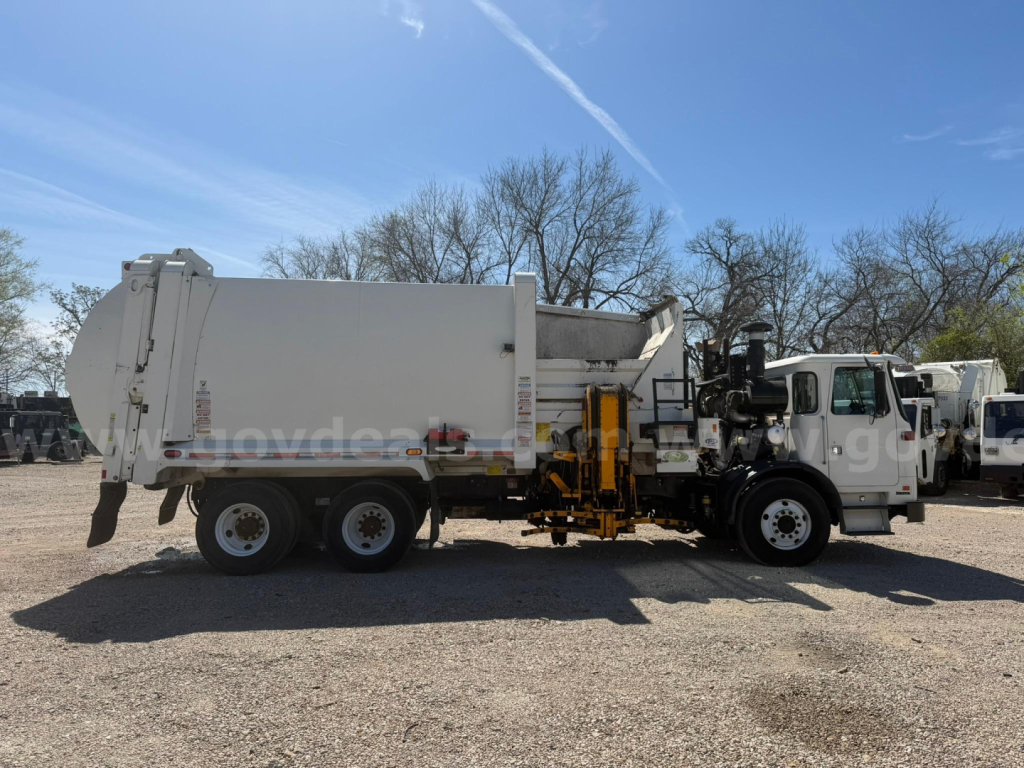
A used garbage truck is judged less by model year than by route history, engine hours, packer condition, and maintenance records. Many refuse units accumulate relatively low road miles but extremely high stop-and-go duty cycles. Common specs include GVWRs in the 50,000 to 66,000 pound range, Allison automatic transmissions, heavy front and rear axle ratings, and rear ratios selected for repeated starts and low-speed work. Diesel units with Cummins or similar refuse-duty engines remain common, while CNG garbage trucks are also widely seen in municipal fleets due to emissions and fuel strategy requirements. Buyers should pay close attention to hopper floor wear, packer blade condition, body mounts, hydraulic cylinders, arm operation, ejector function, and any signs of frame stress or corrosion around high-load points.
In Texas, maneuverability can be as important as payload. Residential operators often prioritize dual-steer or tight wheel cut for narrow subdivisions, while commercial buyers may focus on lift capacity, fork operation, and front-loader body durability. Side loader buyers should verify arm reach, grabber performance, cycle times, and cart tipper compatibility. Front loader buyers should inspect pocket wear, container clearances, and the condition of the arms and crossmembers. Rear loader buyers usually look closely at hopper capacity, tipper setup, and tailgate seal integrity. Across all configurations, working A/C, camera systems, warning lights, backup alarms, and cab ergonomics carry real value because these trucks spend long days in hot, repetitive service.
A strong used garbage truck should match the route before it matches the price. A 26 to 33 yard side loader may suit residential collection, while 30 yard front loaders are common in commercial service. Check if the truck has a full eject system, desired suspension setup, engine brake, tire inflation system, or recent hydraulic and wiring repairs. Ask for service intervals, PTO and pump history, body manufacturer support, and whether major components like the transmission, arm controls, or packing cylinders have been rebuilt. The best buy is usually the truck with the cleanest refuse-duty maintenance story, not simply the newest cab or lowest odometer reading.
Frequently Asked Questions about Used Garbage Trucks in Texas
What is the best type of used garbage truck for residential collection?
For most residential routes, an automated side loader is the preferred configuration because it allows one operator to service cart-based pickup efficiently. Buyers should focus on arm reach, dump cycle speed, body capacity, visibility, and turning radius. In tighter Texas subdivisions, dual-steer setups and refuse-specific chassis can improve maneuverability and reduce route time.
Are miles or engine hours more important on a used garbage truck?
Engine hours are often more important than odometer miles because refuse trucks spend much of their life in low-speed, stop-and-go operation with constant PTO and hydraulic use. A truck with modest miles can still have very high chassis and body wear if it ran dense daily routes. The best way to evaluate a used refuse truck is to review miles, hours, maintenance records, and body condition together.
What should I inspect on a used garbage truck body?
The body inspection should include the hopper, packer blade, ejector, floor, sidewalls, hydraulic cylinders, hoses, control wiring, and any automated lift or arm components. Look for cracks, excessive wear, slow cycle times, leaks, and repairs around high-stress areas. Body condition is critical because major refuse body repairs can quickly outweigh any savings from a low purchase price.
Is a CNG garbage truck a good choice in Texas?
A CNG garbage truck can be a good fit for municipal or private fleets that already have fueling access and technicians familiar with natural gas systems. These trucks are common in refuse service and can align well with emissions goals and fuel planning. The main considerations are tank certification dates, fuel system service history, engine support, and whether your operation has dependable CNG infrastructure.
What transmission is most common in a garbage truck?
Allison automatic transmissions are the most common choice in garbage trucks because they handle repeated starts, PTO-driven work, and stop-and-go duty well. Buyers should confirm the transmission model, service history, shift quality, and whether it has been used in residential or commercial routes. A properly maintained automatic is a major advantage in refuse service because it supports productivity and reduces driver fatigue.