
Used Garbage Trucks For Sale in New York
Shop used garbage trucks in New York including rear loaders, side loaders, and automated refuse trucks built for municipal and waste fleet duty.
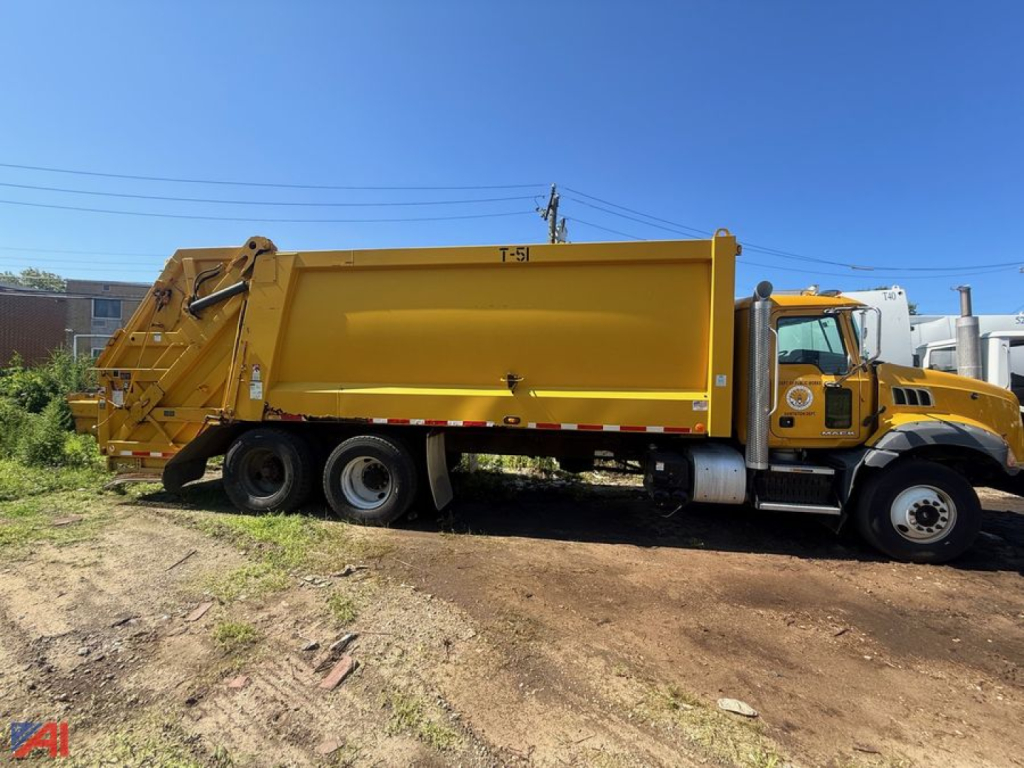
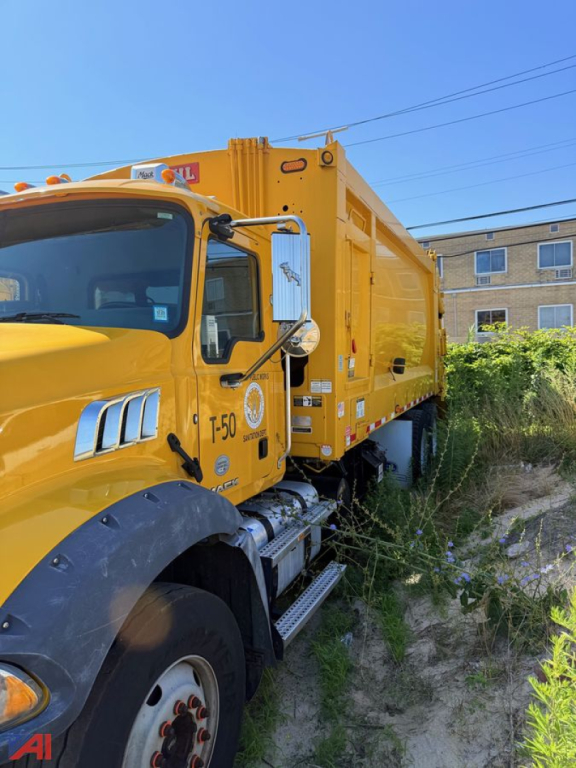
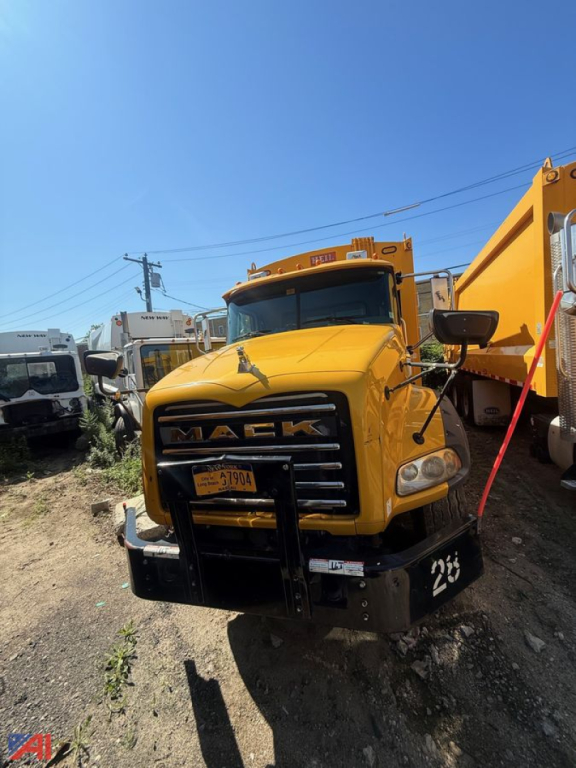
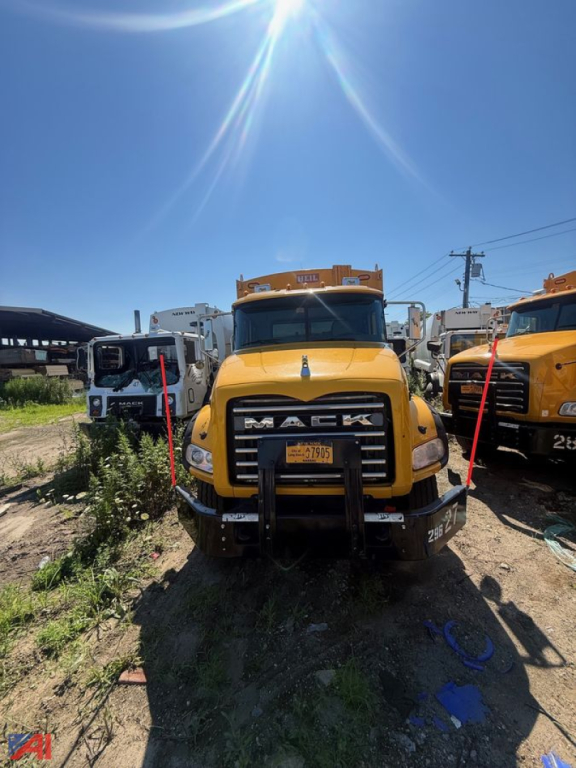
Have used garbage truck to sell? List it here to reach thousands of buyers.
Used Garbage Trucks in New York
Body style matters because it determines labor needs, route type, and loading environment. Rear load garbage trucks remain common for municipal pickup and private waste fleets because they are straightforward to operate and service, with packer bodies often ranging from about 20 to 32 yards. Front loaders are more common in commercial dumpster service and need the right lift geometry, frame strength, and visibility setup for container work. Automated side loaders are popular on residential routes where one operator handles cart pickup, but buyers should closely inspect arm wear, hydraulic response, camera systems, and control integration. Low cab forward and cab-over configurations can also make sense in dense urban areas where maneuverability and sightlines are critical.
In New York, corrosion and cold-weather performance deserve extra attention. Road salt can accelerate rust on body floors, crossmembers, hoists, tailgates, and hydraulic line routing, especially on older municipal units. Look closely at hopper floors, packer panels, hinge points, lift cylinders, and rear door seals. Frame condition, PTO operation, and transmission behavior under repeated starts are just as important as engine hours. Many refuse trucks spend long periods idling or operating the body at low speed, so engine hours can tell as much as odometer mileage. Buyers should also confirm GVWR, front axle capacity, bridge-law considerations, and body dimensions if the truck will work tight borough streets, transfer station lanes, or local disposal routes.
A good used garbage truck should match the route it is expected to run. That means checking hopper size, compaction ratio, payload target, wheelbase, turning radius, and cab layout alongside the condition of the hoist, packer, and cart tipper or can system. Features like helper cart tippers, kick bars, high-cycle hydraulics, backup cameras, and in-cab body controls can make a meaningful difference in daily productivity. For buyers comparing many listings, the most useful details are body manufacturer, cubic-yard capacity, engine model, transmission, axle specs, maintenance records, and evidence of structural repairs. Those details usually tell you faster than paint or polish whether a used refuse truck is ready for another cycle of municipal or private sanitation work.
Frequently Asked Questions about Used Garbage Trucks in New York
What types of used garbage trucks are most common in New York?
Rear loaders are the most common used garbage trucks for municipal and mixed residential collection because they are versatile and relatively easy to staff and maintain. Front loaders are common in commercial waste service where dumpsters are emptied on scheduled stops. Automated side loaders are also widely used for residential cart routes because one driver can handle collection without a second crew member. In dense urban areas, cab-over and low cab forward refuse trucks are especially relevant because they improve maneuverability and visibility on narrow streets.
What should I inspect first on a used garbage truck?
Start with the refuse body, not just the cab and engine. Inspect the hopper, packer blade, body floor, tailgate, hinges, lift arms, hydraulic cylinders, and PTO operation for wear, leaks, cracks, and rust. Then check the chassis for frame corrosion, suspension wear, brake condition, steering play, and transmission performance in stop-and-go operation. On refuse trucks, body condition and hydraulic function often determine repair cost faster than odometer mileage alone.
Is mileage or engine hours more important on a used refuse truck?
Both matter, but engine hours are often just as important because garbage trucks spend a large part of their life idling, creeping on route, and powering hydraulic equipment. A truck with moderate miles but very high hours may have more engine and PTO-related wear than the odometer suggests. The best way to judge a used garbage truck is by looking at hours, maintenance records, route history, and the condition of the body and hydraulic systems together.
What body size is typical for a garbage truck?
Many rear load garbage trucks fall in the 20 to 32 cubic yard range, but the right size depends on route density, disposal distance, legal weight limits, and axle capacity. A larger body can increase route efficiency, but only if the chassis can carry the payload legally and the truck can still maneuver where it needs to work. Buyers should match cubic-yard capacity with compaction ratio, wheelbase, and expected material stream rather than choosing body size alone.
Are used municipal garbage trucks a good buy?
They can be, especially when maintenance records are available and the truck was part of a scheduled fleet replacement cycle. Municipal trucks are often serviced on consistent intervals, but they may also have high idle hours, corrosion from winter service, and heavy stop-start use. A municipal unit can be a strong value if the frame, hydraulics, and refuse body are structurally sound and the truck fits the route requirements of the next operator.