
2026 Garbage Trucks For Sale in Oklahoma
Shop 2026 garbage trucks in Oklahoma, including side loaders and front loaders with modern specs for residential and commercial refuse routes.
Learn more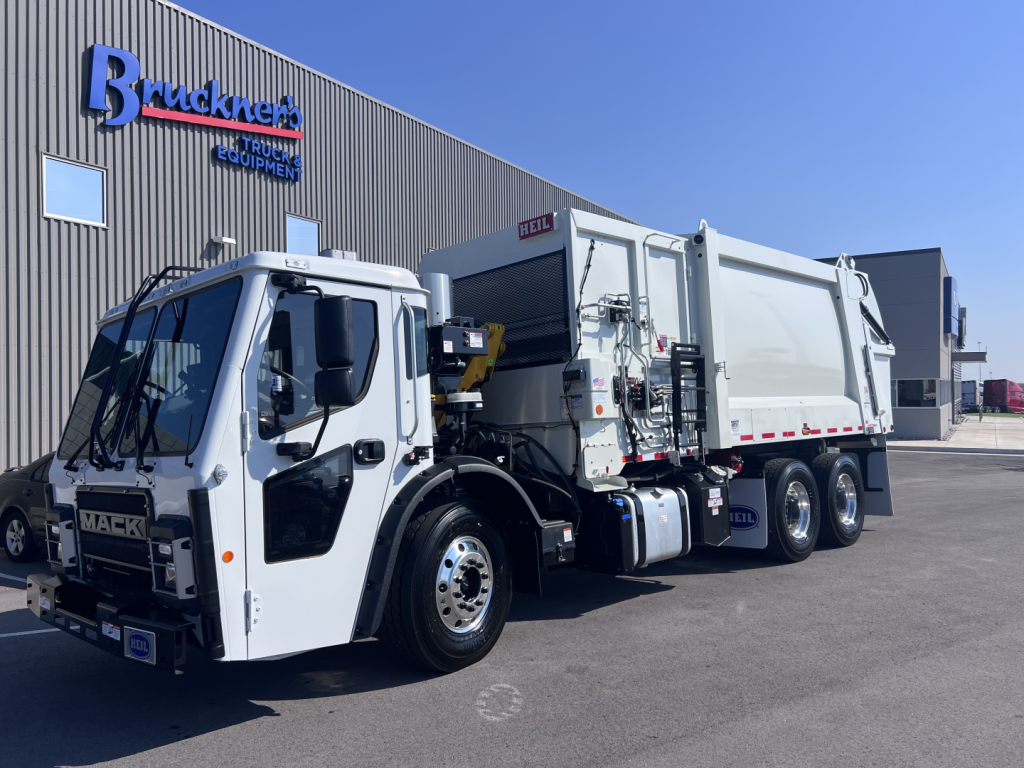
Have 2026 garbage truck to sell? List it here to reach thousands of buyers.
About 2026 Garbage Trucks in Oklahoma
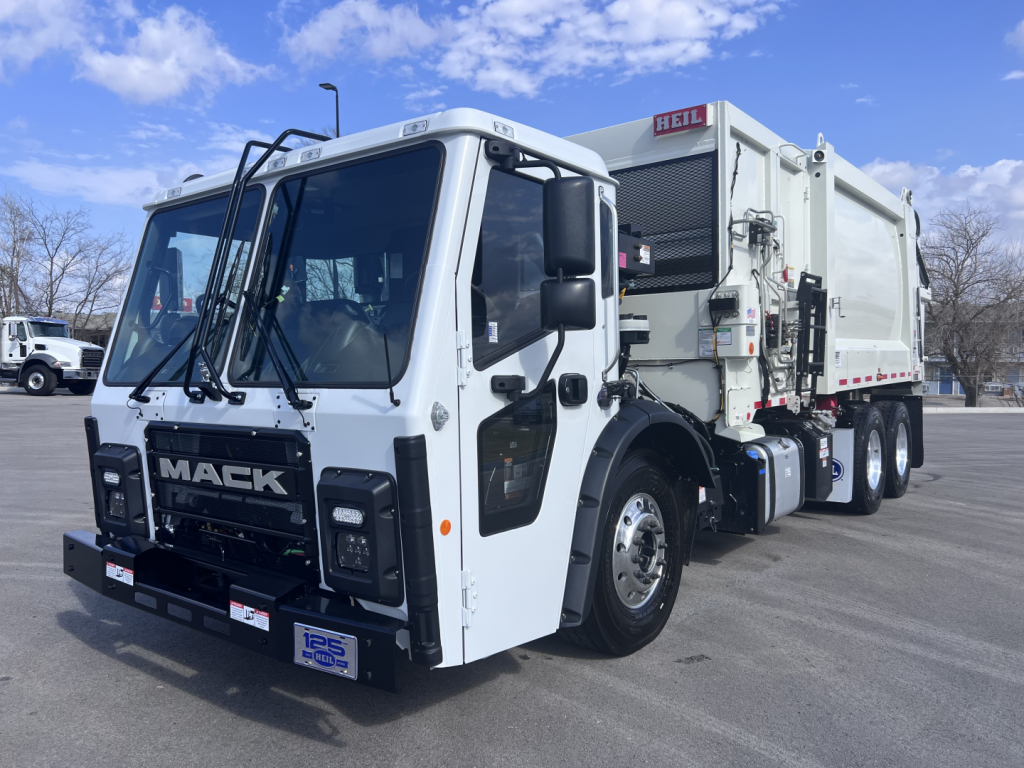
For residential work, automated side loaders remain the productivity leader because one operator can service high-volume cart routes with consistent cycle times. A typical 2026 setup in this segment is a 28-yard body with a full eject design, cart grabber compatibility for 60- and 90-gallon containers, and camera coverage at the tailgate, hopper, and both cab sides. Buyers should pay close attention to arm configuration, hopper capacity, and body mount integration. Full factory-mounted bodies, remote lift controls, hopper lighting, and operate-in-gear-at-idle hydraulic systems can make a noticeable difference in uptime and driver usability on long collection days.
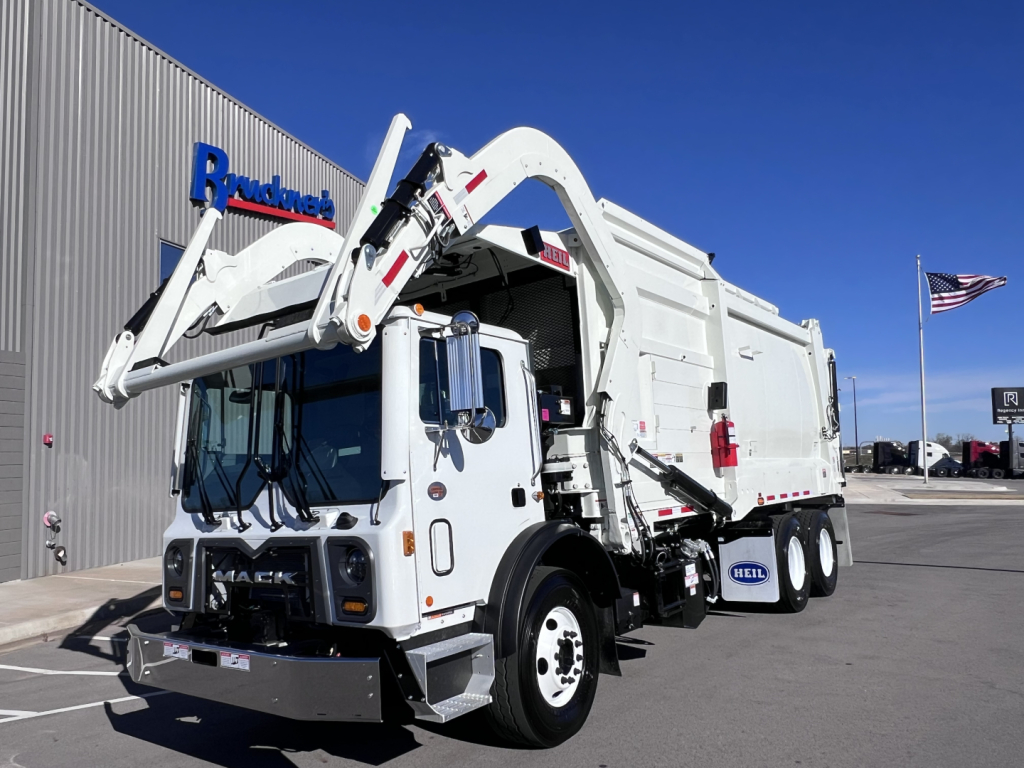
For commercial refuse, front loaders are still the standard where container dumping, alley access, and dense urban stops matter most. A 2026 front loader commonly pairs a 20,000-pound front axle with 46,000-pound rears, an Allison 4500RDS automatic, and gearing in the 5.31 range to handle repeated starts, hydraulic loads, and legal route weights. Engine ratings can vary, but many buyers look for mid-300 hp diesels when the truck will see hilly terrain, heavy waste streams, or longer transfer runs. In Oklahoma, heat, dust, and rough route conditions also make cooling performance, electrical reliability, and hydraulic service access worth evaluating before brand preference alone.
The best way to compare 2026 garbage trucks is to match chassis and body specs to the actual route. Wheelbase affects turning and body fit. Axle ratings and suspension setup affect legal payload and packer stability. Camera systems, work lights, strobes, sump chutes, anti-splash mud flaps, and onboard tool storage are not cosmetic options on a refuse truck. They support safety, cleanup, and daily route efficiency. Buyers shopping this category should focus on body manufacturer support, parts availability, hydraulic layout, and service access just as much as engine and transmission, because refuse trucks earn their value through repetitive cycles and minimal downtime.
Frequently Asked Questions
What is the difference between a side loader and a front loader garbage truck?
A side loader is typically used for residential routes with automated carts, allowing one operator to collect from the curb with a hydraulic arm. A front loader is designed for commercial service, lifting dumpsters over the cab and dumping into the body. Side loaders usually prioritize route speed and labor savings on neighborhood runs, while front loaders are better suited for heavier containers, tighter commercial service patterns, and multi-stop business routes.
What axle and drivetrain specs are common on a 2026 garbage truck?
Many 2026 garbage trucks in this class are spec'd with a 20,000-pound front axle, 46,000-pound rear axles, an Allison 4500RDS automatic transmission, and rear axle ratios around 5.31. Those specs are common because refuse work involves constant stopping, PTO operation, heavy hydraulic demand, and frequent low-speed starts under load. Exact requirements depend on body type, legal weights, and the route profile.
How much body capacity should I look for in a residential garbage truck?
A 28-yard automated side loader is a common choice for residential cart routes because it balances payload, route density, and chassis size. The right capacity depends on set-out rates, waste stream density, transfer distance, and how often the truck can dump during a shift. Buyers should look beyond body volume alone and consider hopper size, packer design, and legal axle loading, since those factors determine real route productivity.
Are camera systems and work lights important on garbage trucks?
Yes. Camera systems and work lights are practical operating equipment on modern refuse trucks, not optional extras. Side, hopper, and rear cameras improve visibility around carts, containers, pedestrians, and backing zones. Hopper lights, grabber lights, and warning strobes help with early morning starts, poor weather, and dense residential or commercial service areas. These features support safety, reduce avoidable damage, and help drivers work more consistently through the route.
What should buyers in Oklahoma pay attention to when shopping for a 2026 garbage truck?
Oklahoma buyers should pay close attention to cooling capacity, dust and debris exposure, hydraulic hose routing, and service access because refuse trucks operate in hot weather and punishing stop-and-go conditions. Route type also matters. Residential automation, commercial dumpster service, and transfer distance all change the ideal body, wheelbase, horsepower, and gearing. Local parts support for the chassis and body manufacturer can be as important as the truck's published specs.